

Keeping your electric stovetop spotless can feel like a tough job, but it doesn’t have to be. If you’ve ever struggled with stubborn stains or worried about damaging the surface, you’re not alone.
The good news is, with the right steps, you can make your stovetop shine like new without spending hours scrubbing or using harsh chemicals. In this guide, you’ll discover easy and effective ways to clean your electric stovetop properly, saving you time and effort while protecting your appliance.
Ready to bring back that sparkling finish? Let’s dive in!
Choosing The Right Cleaning Tools
Choosing the right cleaning tools is key to keeping your electric stovetop spotless. Using proper supplies helps avoid damage and makes cleaning easier. It also saves time and effort.
Essential Supplies For Electric Stovetops
Gather a few basic items before you start. Mild dish soap helps remove grease without harsh chemicals. A spray bottle filled with water or vinegar works well for wiping. Paper towels or disposable wipes are handy for quick cleanups. A small bowl or bucket to mix soap and water completes the set.
Safe Scrubbers And Cloths
Scrubbing too hard or using rough materials can scratch the glass surface. Soft sponges or microfiber cloths gently lift dirt and stains. Avoid steel wool or abrasive pads that can leave marks. For tough spots, a plastic scraper works without harming the stovetop. Always test new scrubbers on a small area first.
Preparing Your Stovetop For Cleaning
Preparing your electric stovetop for cleaning is the first step to a spotless kitchen. Proper preparation helps avoid damage and makes cleaning easier. It ensures safety and allows you to clean every part thoroughly.
Start by making sure the stovetop is safe to handle. Then, remove parts that need separate cleaning. These steps set the stage for a smooth and effective cleaning process.
Turning Off And Cooling Down
Always turn off the electric stovetop before cleaning. Unplug it if possible for extra safety. Let the stovetop cool completely to avoid burns. Hot surfaces can cause injuries and damage cleaning tools.
Cooling down also prevents cleaning products from evaporating too fast. Wait at least 30 minutes or until the stovetop feels cool to touch.
Removing Burner Elements And Drip Pans
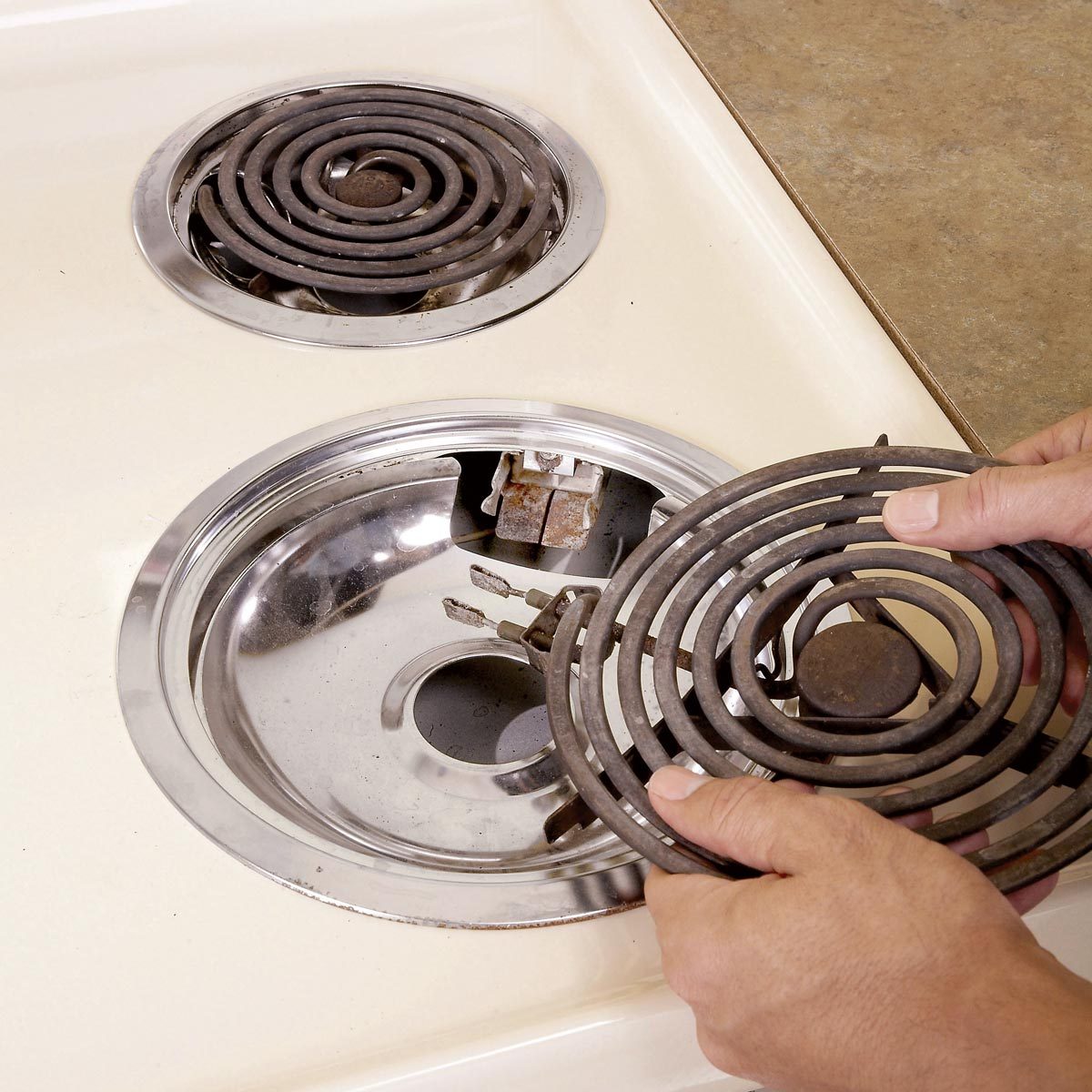
Remove burner elements carefully from the stovetop. Some models have burners that lift out easily; others may need a gentle twist. Check your stovetop manual for the correct method.
Take out drip pans under the burners next. These catch spills and crumbs during cooking. Cleaning them separately allows you to remove stuck-on food and grease.
Handle all parts gently to avoid bending or breaking. Place them on a soft surface until ready to clean.
Cleaning Methods For Different Stovetop Types
Different electric stovetops need special cleaning methods. Each type has unique surfaces and parts. Using the right cleaning method keeps your stovetop safe and shiny. It also stops damage and removes tough stains well.
Learn how to clean glass, ceramic, and coil burner stovetops the right way. These tips make cleaning easier and faster.
Glass And Ceramic Surfaces
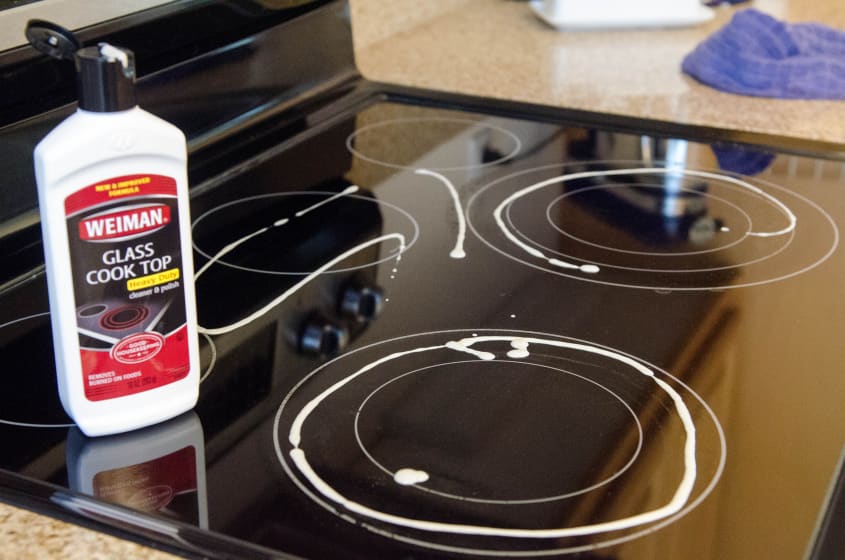
Glass and ceramic stovetops look smooth and modern. Use a soft cloth or sponge to clean them. Avoid harsh scrubbing that can scratch the surface.
Spray a gentle cleaner made for glass stovetops. Let it sit for a few minutes to loosen dirt. Wipe with a damp cloth in small circles. Use a razor blade scraper for stuck-on food. Hold it flat and scrape gently.
Dry the surface with a clean towel to avoid streaks. Clean spills right away to stop stains. Avoid using abrasive pads or powder cleaners.
Coil Burner Surfaces
Coil burners have removable rings and drip pans. First, unplug the coils and lift them out carefully. Soak the drip pans in warm, soapy water to soften grease.
Scrub the drip pans with a soft brush or sponge. Wipe the coil burners with a damp cloth. Do not soak the coils or get the electrical parts wet.
Dry all parts completely before putting them back. Clean the stovetop surface with a mild cleaner. Use a cloth to wipe away food crumbs and spills.
Dealing With Tough Stains And Grease
Tough stains and grease can build up on electric stovetops quickly. This buildup makes the stovetop look dirty and can affect its performance. Cleaning these stubborn spots needs the right approach and tools. Using harsh scrubbing can damage the surface. Gentle but effective methods work best to keep the stovetop shiny and safe.
Homemade Cleaning Solutions
Simple ingredients at home can fight tough stains well. Mix baking soda with water to create a thick paste. Apply this paste on greasy spots and let it sit for 15 minutes. Then, gently scrub with a soft cloth or sponge. Vinegar works great too. Spray vinegar on the stains and wipe with a clean cloth. These natural solutions break down grease without harsh chemicals.
Commercial Cleaners That Work
Several store-bought cleaners target tough stovetop stains. Choose one labeled safe for electric stovetops. These cleaners often contain ingredients to dissolve grease quickly. Apply the cleaner following product instructions. Use a soft cloth to wipe away residue and grime. Avoid abrasive scrubbers as they can scratch the surface. Regular use keeps the stovetop looking fresh and clean.
Maintaining A Spotless Stovetop
Keeping an electric stovetop clean takes regular care. A spotless stovetop looks good and works well. Dirt and spills can build up fast. Cleaning often stops grime from hardening. Small efforts daily make big differences.
Proper maintenance helps avoid tough stains. It also keeps your kitchen smelling fresh. A clean stovetop means safer cooking too. Let’s explore easy ways to keep it neat.
Daily Cleaning Habits
Wipe the stovetop after each use. Use a soft cloth or sponge with warm water. Avoid harsh scrubbing that can scratch the surface. Clean spills quickly before they dry. Light cleaning prevents sticky spots and stains.
Use gentle dish soap for greasy areas. Rinse the cloth and wipe again to remove soap. Dry the surface with a clean towel. This keeps your stovetop shiny and clean every day.
Preventing Future Buildup
Cover pots to stop splatters while cooking. Use drip pans under burners to catch spills. Clean drip pans often to avoid bad smells. Avoid using metal tools that can damage the glass.
Check knobs and edges for hidden dirt. Use a soft brush or cotton swab for tight spots. Regular checks stop grime from piling up. These small steps keep your stovetop spotless longer.
Safety Tips During Cleaning
Cleaning an electric stovetop needs care and attention to safety. Many risks can happen if safety is ignored. Knowing safety tips helps protect you and your kitchen. Keep your cleaning simple but safe. Avoid accidents and damage by following these important rules.
Avoiding Electrical Hazards
Always unplug the stovetop before cleaning. Never clean while it is still hot or plugged in. Water and electricity can cause shocks or fires. Use a dry cloth on electrical parts only. Avoid spraying cleaners directly onto the stovetop. Check for any damaged wires or plugs before starting. Safety first to prevent accidents.
Proper Handling Of Cleaning Products
Use mild cleaning products made for kitchen use. Harsh chemicals can damage the stovetop surface. Always read the label for safe use instructions. Wear gloves to protect your skin from irritation. Keep cleaners away from children and pets. Use small amounts of cleaner to avoid buildup. Rinse well with a damp cloth after cleaning.

Frequently Asked Questions
How Do I Clean An Electric Stovetop Safely?
Use a soft cloth and mild detergent to clean the stovetop. Avoid abrasive cleaners that can scratch the surface. Always ensure the stovetop is cool and unplugged before cleaning to prevent accidents and damage.
What Household Items Remove Tough Stains On Electric Stovetops?
Baking soda and vinegar effectively remove tough stains. Sprinkle baking soda on the stain, spray vinegar, wait 10 minutes, then wipe clean. This natural method is safe and avoids harsh chemicals.
Can I Use A Razor Blade To Clean My Electric Stovetop?
Yes, but carefully. Use a razor blade at a 45-degree angle to gently scrape burnt residue. Avoid applying too much pressure to prevent scratching the glass surface.
How Often Should I Clean My Electric Stovetop?
Clean your stovetop after each use to prevent buildup. Deep clean once a week for thorough maintenance. Regular cleaning keeps your stovetop efficient and looking new.
Conclusion
Cleaning an electric stovetop does not need to be hard. Use gentle cleaners and soft cloths for best results. Avoid harsh scrubbing that can damage the surface. Regular cleaning stops stains and keeps your stove looking new. Take your time and clean spills quickly.
A clean stovetop makes cooking safer and more pleasant. Keep these simple tips in mind for lasting cleanliness. Your kitchen will thank you with every meal cooked.

