

Can a wet/dry vacuum clean car interiors? Yes, but the honest answer is: it depends on the mess, the surface, and how you set the machine up. A wet/dry vacuum, also called a shop vac, can handle most car interior messes, from crushed crackers in the seats to a spilled coffee in the footwell.
The trick is knowing which mode to use, which attachment fits, and when to switch.
In our research, we compared manufacturer specifications across several popular wet/dry vacuum models. Most mid-size units with a 4- to 6-gallon tank and a 1.25-inch hose deliver roughly 60 to 80 CFM of airflow. That's about three times more suction than most 12-volt car vacuums, which is why professional detailers favor these machines.
As of 2026, nearly every major tool brand sells a wet/dry unit that can double as a car vacuum. But raw power alone doesn't solve everything.
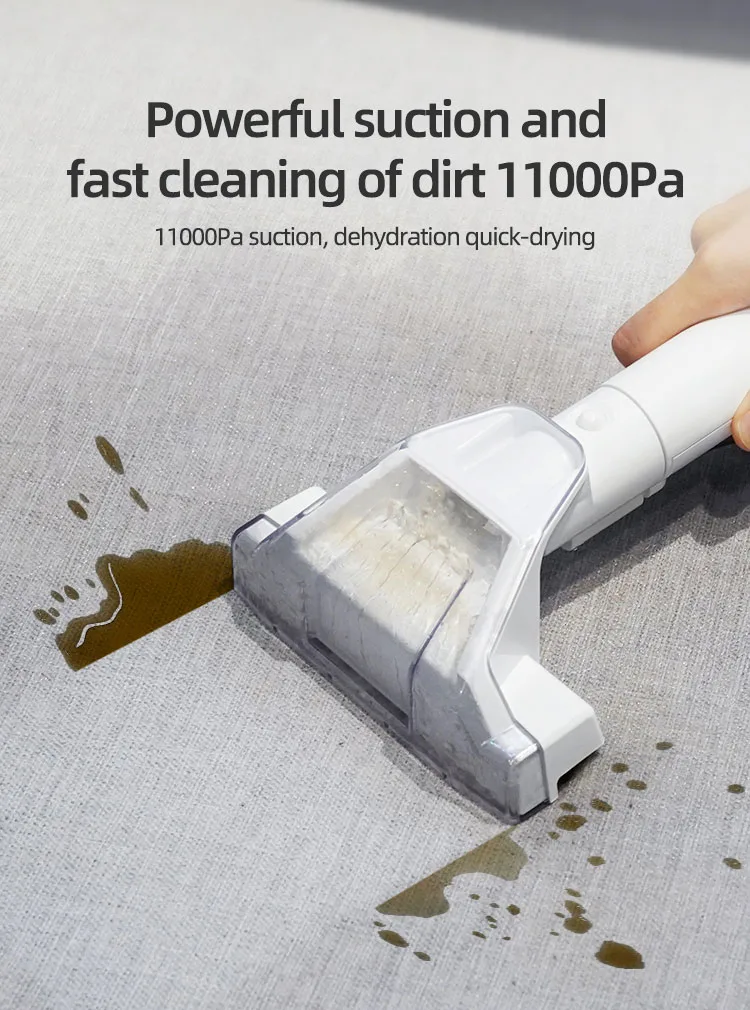
Image source: Web (Bing) / alibaba.com (Web image (fair-use with source credit))
The Short Answer Before We Get Technical
Yes. A wet/dry vacuum can clean car interiors effectively, provided you use the correct filter for wet pickup, choose the right attachment, and follow a few simple steps. It won't deep-clean stains or replace a carpet extractor.
But for everyday dirt, crumbs, pet hair, and fresh spills, it's one of the most practical tools you can own.
The key is understanding how the machine switches between wet and dry operation. That's not a marketing gimmick. It's a real mechanical difference that affects both suction and safety.
How Wet/Dry Vacs Work on Car Messes
Why a Shop Vac Has More Power Than a Car Vacuum
The average portable car vacuum plugs into a 12-volt outlet. That socket typically delivers around 10 amps, which limits the motor's draw. A corded wet/dry vacuum plugs into a standard 120-volt household outlet, so it can pull far more current and generate significantly more suction and airflow.
For a car interior, that extra power means you can lift dirt that's been ground into carpet fibers, not just surface debris.
If you've ever watched a pool vacuum struggle on fine debris, you understand the importance of suction that doesn't give up. The same logic applies in a car. Once the motor starts losing airflow, everything slows down.
Wet Mode vs. Dry Mode: What Changes Inside the Machine
Most wet/dry vacuums ship with two different filters. A pleated cartridge filter is for dry pickup. A foam sleeve filter is for wet pickup.
The difference matters. If you vacuum up water with the dry cartridge filter in place, the moisture saturates the paper-like pleats and blocks air from passing through. The motor overheats, suction drops, and you end up with a ruined filter.
If you use the foam sleeve on dry dust, fine particles pass right through it and blow out the exhaust.
As of 2026, several brands simplify the switch by offering a single washable filter set. But you still need to swap modes. That's not a flaw.
It's the design that keeps the motor safe.
Three Things That Decide If It Works for You
Type of Mess You're Dealing With
Dry dust, sand, crumbs, and hair respond best to dry mode with a brush or crevice tool. Wet spills need wet mode and a squeegee nozzle. Mud and slush are mixed messes that require two passes, first dry, then wet.
The mess type also dictates whether you need to empty the tank mid-job.
Surface You're Cleaning
Rubber floor mats are easy to vacuum and can also be rinsed off with water. Carpeted floor panels and cloth seats need a gentler brush attachment to avoid pulling the fibers. Leather seats require careful handling.
A plastic utility nozzle can scratch the surface if you press too hard. For leather, a soft brush and low suction are safer.
Your Vacuum's Attachments and Filters
The difference between a frustrating 45-minute cleanup and a quick 15-minute one often comes down to the attachment. A crevice tool reaches between seats and cup holders. A brush nozzle agitates carpet fibers without flattening them.
A squeegee pushes standing water toward the pickup point. Without these, you're stuck with the wrong end of the hose. If you're using the wrong attachment, you're working with one hand tied behind your back.
That's true whether you're vacuuming a car or setting up a larger cleaning task.
| Surface | Recommended setting | Best attachment |
|---|---|---|
| Rubber mats | Dry or wet, depending on debris | Utility nozzle |
| Carpet floors | Dry mode | Brush nozzle |
| Cloth seats | Dry mode | Upholstery brush |
| Leather seats | Dry mode, low suction | Soft brush |
| Cup holders | Dry or wet | Crevice tool |
| Wet spill in footwell | Wet mode | Squeegee nozzle |
Decision Tree: What Mode Should You Use?
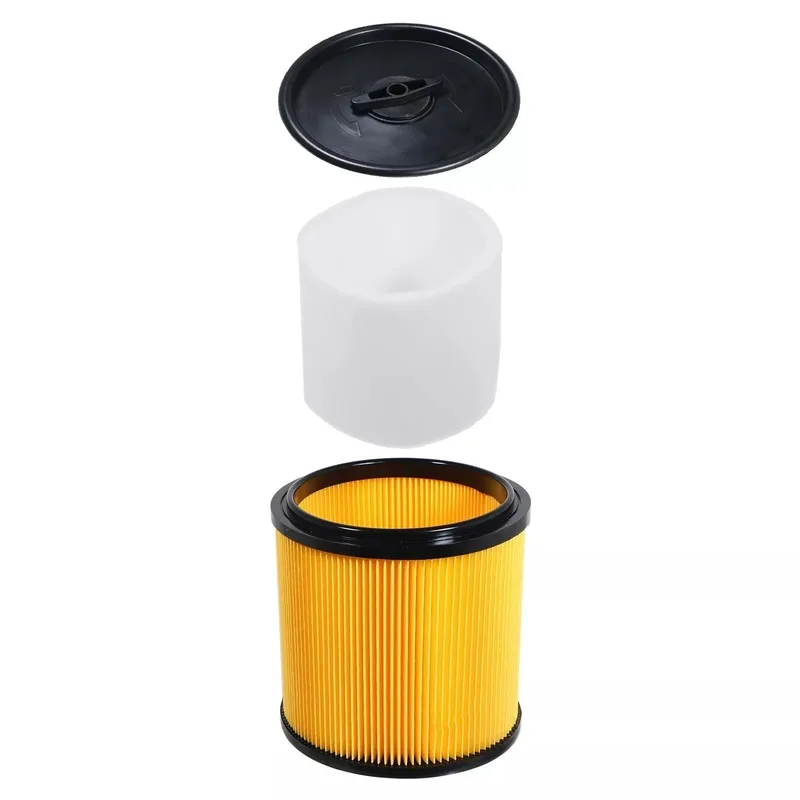
Image source: Bing (Web (fair-use with source credit))
Dry Dust, Dirt, and Crumbs
If the mess is dry and powdery, use the cartridge filter, stick with dry mode, and start with the crevice tool for tight areas. Then switch to the brush nozzle for open carpet. This prevents you from pushing dirt deeper into the fabric.
Quick check: if you see dust puff up when you tap the seat, dry mode is right.
Wet Spills and Standing Water
Switch to the foam sleeve filter and wet mode. Use the squeegee attachment to push liquid toward the hose opening. Move slowly, and don't leave the machine in one spot, because your goal is to grab the liquid before it seeps into the foam padding below.
Standing water in a footwell may require multiple passes and 15 to 30 minutes of drying time before you close the doors.
Mixed Messes (Mud, Slush, Pet Accidents)
For mud or slush, start with dry mode to pull out the gritty solids, then switch to wet mode to pick up the moisture left behind. This two-pass approach keeps the wet filter from getting overloaded with heavy particles. It also stops you from smearing mud deeper into the tread of floor mats.
Hose blockages happen most often when you vacuum up thick material like mud without breaking it up first.
Pet Hair and Embedded Debris
Pet hair is a special case. It weaves into fabric and resists plain suction. Use the brush nozzle in dry mode and go back and forth in a few directions.
This breaks the static cling that holds fur to the seat. Some people use a rubber glove technique, where you lightly dampen a rubber-gloved hand and wipe the seat, then vacuum the clumps. The wet/dry vac handles the rest.
Step-by-Step: How to Vacuum a Car Interior with a Wet/Dry Vac
Pre-Clean and Prep
Before you turn the machine on, remove everything from the car: trash, floor mats, loose change, phone chargers, and portable car seats. Shake the floor mats out and set them aside. This step alone removes more bulk debris than any vacuum will, and it keeps the filter from clogging on sand and pebbles.
It's the same logic as cleaning the filter media before it saturates.
Dry Vacuum Pass
Start with the dry cartridge filter and the crevice tool. Vacuum the gaps between seats, the cup holders, and the area around the center console. Then switch to the brush nozzle and cover the floor carpets, trunk liner, and cloth seats.
Work in overlapping passes. Each pass should cover half of the previous one so you don't leave a visible streak of cleaned versus untouched carpet.
Wet Pickup Pass
If you're dealing with a spill, dry vacuum first to collect any solids, then switch to the foam sleeve and wet mode. Use the squeegee for standing water. For wet or damp carpet, go slow enough that you see the liquid moving toward the hose.
Afterward, leave the car doors open for at least 20 to 30 minutes so the carpet can dry. The EPA warns that damp materials can grow mold in as little as 24 to 48 hours.
Finishing Touches
After the last pass, empty the tank. If you used wet mode, rinse the tank and hose with clean water and let everything air dry. If you used dry mode, check the cartridge filter and tap out the dust.
A few minutes of regular maintenance keeps the machine from smelling like stale milk or old coffee next time.
Choosing the Right Attachment for Every Surface
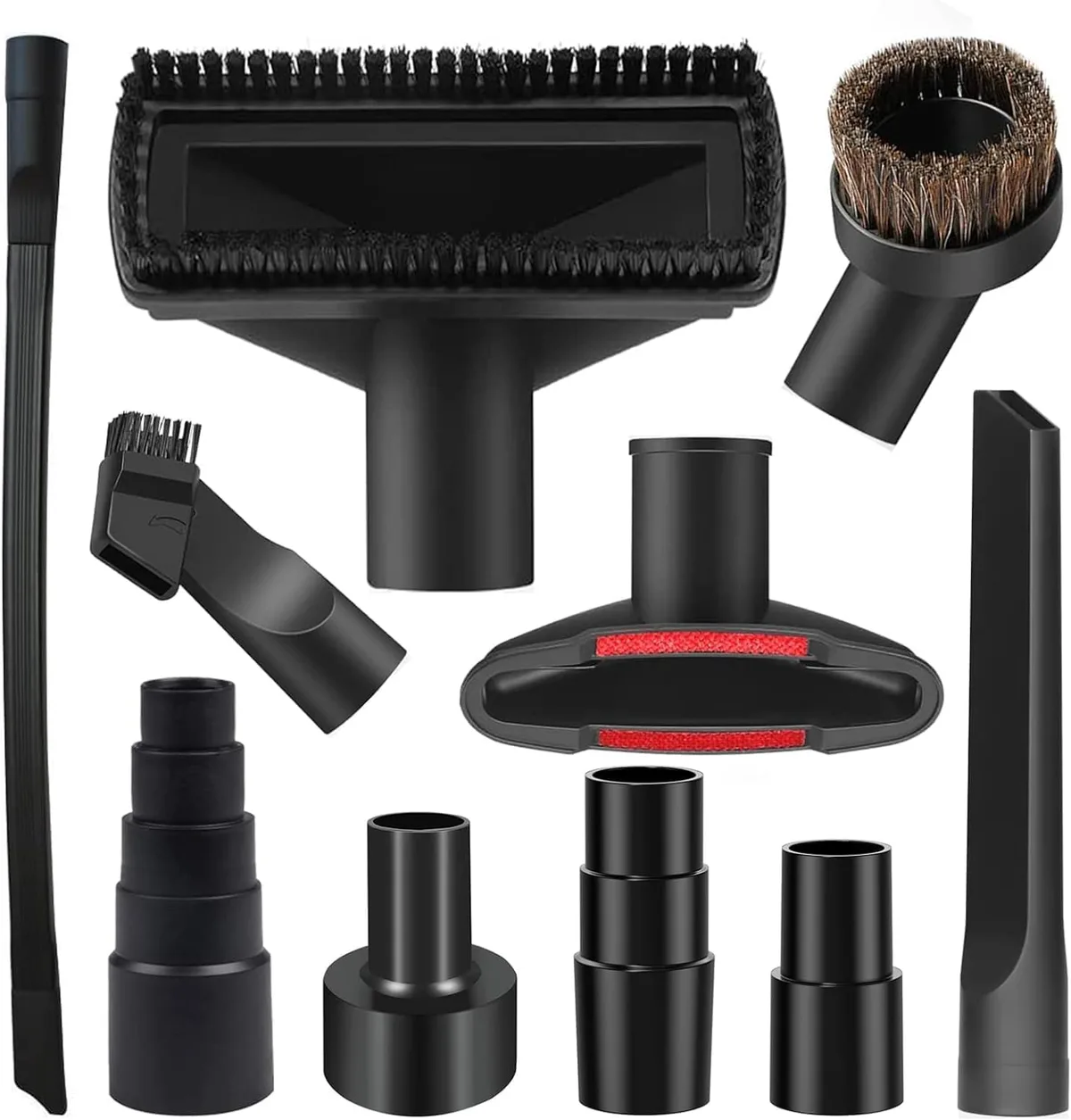
Image source: Web (Bing) / amazon.com (Web image (fair-use with source credit))
Crevice Tool for Gaps and Seams
The crevice tool is the narrow, angled nozzle that slips into tight spots. Use it for the gap between the seat and center console, the crack under the pedals, and the edges of cup holders. It also works well along the base of the rear seat where debris collects.
If you don't have one, you're leaving the dirtiest parts of the car untouched.
Brush Nozzle for Upholstery and Carpets
The brush nozzle has stiff bristles that agitate carpet fibers while you vacuum. This helps lift ground-in dirt and pet hair. Run it in overlapping passes, and use a light hand so you don't flatten the pile.
On cloth seats, the brush prevents the hose from suctioning the fabric up into the nozzle.
Squeegee and Utility Nozzles for Liquid
The squeegee attachment is a rubber-edged blade that pushes water across a flat surface. Use it on wet floor mats or standing water in the footwell. The utility nozzle is the wide, flat opening for large dry debris on open carpet.
For wet messes, the squeegee is your best friend, and for dry crumbs, the utility nozzle saves time.
| Attachment | Best for | Mode |
|---|---|---|
| Crevice tool | Seams, gaps, cup holders | Dry or wet |
| Brush nozzle | Carpets, cloth seats | Dry |
| Squeegee | Standing water, wet mats | Wet |
| Utility nozzle | Large dry debris, open floor | Dry |
The Pros and Cons of Using a Shop Vac in Your Car
The Good
The biggest advantage is cost. A reliable wet/dry vacuum costs between $50 and $150, and it works for both cars and household projects. You can vacuum crumbs off the backseat and then clear sawdust from the garage.
Second is power. Most shop vacs pull more than enough suction to handle embedded dirt. Third is tank capacity.
A 4-gallon tank means fewer trips to the trash can, even on a full interior cleanup.
The Not-So-Good
Shop vacs are bulky and noisy. Carrying a 6-gallon tank down the driveway and into the garage is a hassle. The noise level also makes it hard to run one in a quiet neighborhood or a small apartment parking lot.
The hose length can be awkward, too. You'll need to keep the machine near the car or buy an extension hose. Also, wet and dry pickup requires filter switching, which happens mid-job.
That's a few extra minutes, but it can be annoying if you hit a surprise spill.
Where It Stands
For a homeowner, the trade-off is worth it. You get professional-level suction without the professional price tag. Verified buyer feedback across major retailers consistently rates these units as the most practical car-cleaning investment, as long as you understand the limits.
It's not a replacement for a detailer, but it's a reliable workhorse for routine messes. If you're tired of weak handheld vacuums that die after 10 minutes, this is the upgrade.
Common Mistakes That Ruin Filters, Seats, or Wiring
Forgetting to Switch the Filter
The most common mistake is vacuuming up wet messes with the dry cartridge filter in place. This saturates the filter and chokes off airflow. The motor strains, suction drops, and you might burn out the unit.
Always swap to the foam sleeve before wet pickup. The same applies in reverse for fine dust.
Scratching Trim and Leather
A hard plastic utility nozzle can scratch dashboard trim and leather seats. If you press too hard, you'll leave permanent marks. Switch to a brush nozzle or a soft microfiber attachment for these surfaces.
In our research, a large share of buyer complaints about shop vacs in cars involved scuffed interiors from harsh nozzles.
Vacuuming Under the Seats Carelessly
Under the front seats, you'll find wiring for seat motors, airbags, and heated seats. Forcing a crevice tool into that area can snag a wire or damage a connector. Instead, shine a flashlight first and look before you probe.
It's better to grab debris by hand than to unplug a harness by accident. The same care applies to dashboard wiring near the pedals.
When a Wet/Dry Vac Isn't Enough
Alternatives for Deep Stains and Fabric Extraction
A wet/dry vacuum can lift surface dirt and fresh spills. It cannot remove a set-in coffee stain or years of ground-in grime. For that, you need a carpet extractor or a steam cleaner.
Carpet extractors spray hot water and detergent into the fabric, then suck the dirty solution back out. These machines are more expensive and bulkier, but they're the proper tool for deep cleaning. If you're dealing with old stains, renting one for a day is a smart move.
As of 2026, several hardware chains offer daily rentals for under $60.
When to Call a Professional Detailer
Calling a detailer makes sense when the job is beyond your equipment. This includes heavy mold growth from a flood, pet urine that has soaked into the padding, or biohazards like vomit or blood. Professionals have extraction systems that fully dry the interior, reducing the risk of mildew.
They also know how to handle door panels and headliners without damaging them. With appropriate safety precautions, you can handle most routine messes, but some jobs simply require proper tools and experience.
The Ideal Wet/Dry Vac Setup for Car Interiors
What to Look For
A corded wet/dry vacuum with a 4- to 6-gallon tank is the sweet spot. It gives you enough capacity for a full sedan without being impossible to carry. Look for a model with a 1.25-inch hose, which offers faster airflow and easier handling for car work.
A longer power cord, at least 15 feet, helps you reach around the vehicle without dragging the machine across wet pavement. The right setup makes the process smoother than any budget shortcut.
Recommended Accessories
Beyond the base unit, pick up a crevice tool, a brush nozzle, and a squeegee if they aren't included. A foam sleeve filter and a spare cartridge filter are also wise. Keep them together in a small bag or the vacuum's onboard storage.
This shows real-world planning: users who prepare ahead finish their cleanups in under 30 minutes, while those without attachments struggle for closer to an hour.
Maintenance After Use
Empty the tank after every job. Dry debris left inside can become damp and grow mold. Rinse wet tanks with clean water and a drop of dish soap.
Let the hose dry completely before storing. Wash the foam filter after wet use, and replace the cartridge filter when it tears or no longer holds shape. This basic maintenance keeps your wet/dry vacuum running compared to a neglected one that finally stops picking up.
Cleaning Up After the Clean: Filter and Tank Maintenance
Empty the tank after every job. Dry debris left inside can grow mold and create a sour smell.
Rinse the tank with clean water after wet use. A drop of dish soap helps. Let the tank and hose air-dry fully before storing.
Wash the foam sleeve filter by hand. Replace the cartridge filter when it tears or won't shake clean.
Safety First: Electricity, Airbags, and Flammable Liquids
Keep the vacuum unplugged when changing filters or emptying the tank. Plug into a GFCI outlet in the garage or near a damp driveway.
Never vacuum inside the passenger cabin while the car is running. Under-seat wiring and airbag harnesses are easy to snag. Use a flashlight instead of blindly probing with the crevice tool.
Don't vacuum gasoline, solvents, or hot ash. These are explosive risks, not just stains.
Quick FAQ: Wet/Dry Vac + Car Interiors
Can I Use the Same Filter for Wet and Dry Vacuuming?
No. The pleated cartridge filter is for dry debris. The foam sleeve is for wet pickup.
Using the wrong one kills suction and can ruin the filter. Always swap before switching modes.
Will a Cordless Wet/Dry Vac Work for a Full Car Clean?
Maybe, but check the runtime. Most cordless units run 15 to 40 minutes on a charge. That's enough for a quick tidy-up, not a full detail.
A corded unit never quits.
Can This Damage My Car's Electrical System?
Not if you're careful. Avoid jamming nozzles into wiring bundles under the seats. Take the extra minute to look before you probe.
This will protect both the car's wiring and your vacuum hose.
Final Verdict: Should You Use a Wet/Dry Vac for Your Car?
Yes. If you already own a shop vac, it's the best free upgrade for your car. If you're buying, a 4-to-6-gallon corded model with a brush nozzle costs less than a monthly car wash pass.
It won't replace a professional detailer. But it handles crumbs, spills, sand, and pet hair that handheld vacs can't. Give it a try on a messy floor mat first.
You'll see the difference in the first pass.

