

The wrong cordless wet/dry vacuum is a disappointing purchase. It either dies mid-job, lacks suction, or pushes you into a battery platform you didn't need. The right one quietly handles spills, car interiors, and garage messes for years.
We researched seven popular models and compared airflow, tank size, runtime, filter design, and real-world buyer feedback. Most cordless shop vacs in this class produce between 30 and 80 CFM of airflow. As of 2026, battery compatibility usually decides the winner before suction power gets a vote.
Let's walk through the trade-offs.
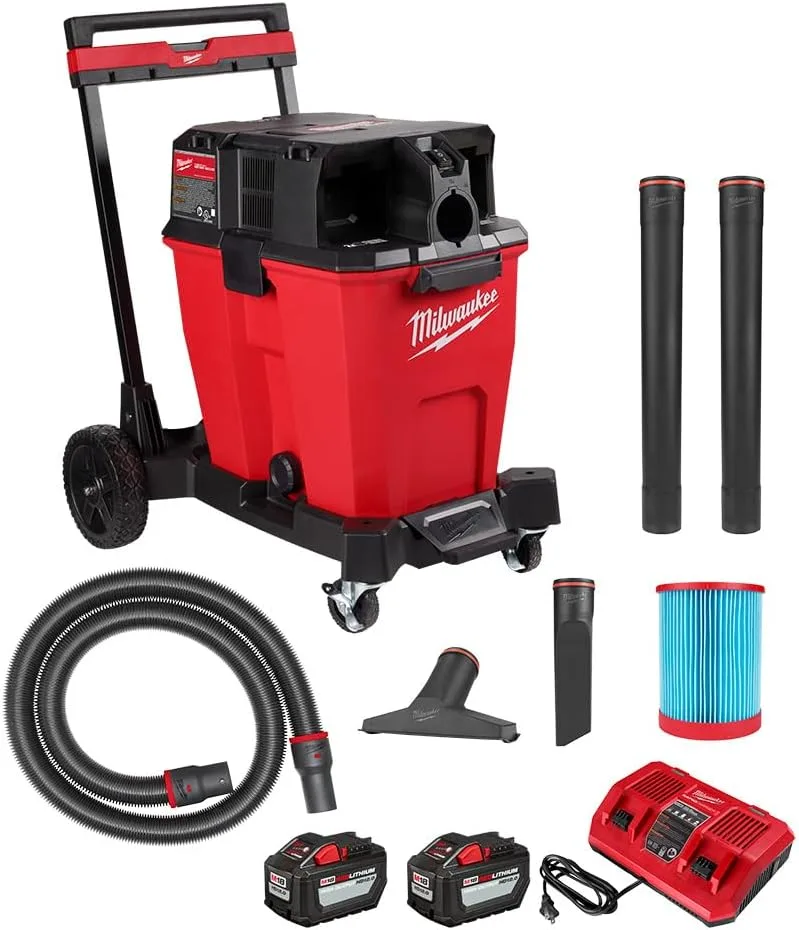
Image source: Web (Bing) / amazon.com (Web image (fair-use with source credit))
Quick Answer
What is the best cordless wet/dry vacuum? For most people, it's the Milwaukee M18 FUEL 2.5-Gallon. It has strong suction, solid runtime, and a compact tank.
The Ryobi ONE+ 3-Gallon is the best budget pick. But your existing battery platform can override both recommendations.
Why This Comparison Matters
A cordless wet/dry vacuum is a daily-workhorse purchase. Get it wrong, and you'll be back to dragging a corded hose across a wet garage floor.
The most overlooked factor is the battery system. If you already own DeWalt 20V MAX tools, a Milwaukee vacuum forces you to buy a second platform plus a charger. That adds $100 to $200 to the true cost.
The best cordless wet/dry vacuum is the one that shares batteries with your current tools.
Suction power matters, but differences between top models shrink when you compare real airflow numbers. Tank size, weight, and filter design shape daily satisfaction more than peak CFM. That's why this guide breaks down each option by who it's for and what it handles.
How Cordless Wet/Dry Vacuums Work
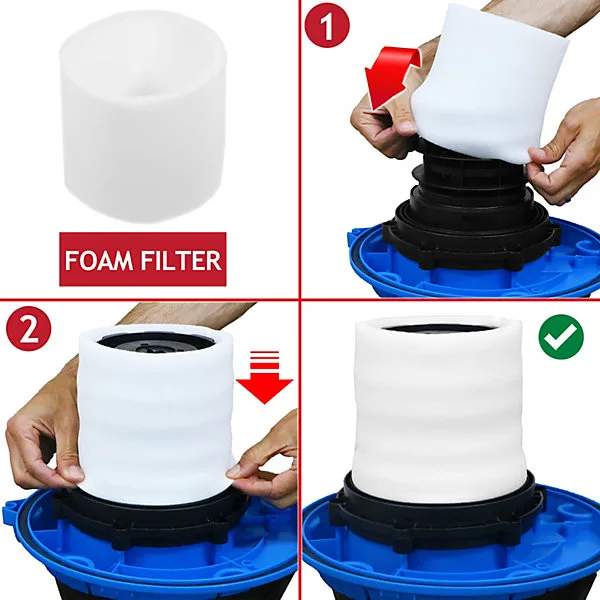
Image source: Web (Bing) / diy.com (Web image (fair-use with source credit))
What's under the shell
Inside the plastic shell sit four main parts: a motor, an impeller, a filter, and a tank. The motor spins the impeller, which pulls air through the hose. Debris lands in the tank, and air exits through the filter.
Most models include an auto-shutoff float. When water reaches a certain level, the float cuts suction before liquid hits the motor. It's a safety feature, not a luxury.
Why the filter decides everything
The filter is where cordless wet/dry vacuums get tricky. For dry pickup, use a pleated cartridge or felt filter that traps dust. For wet pickup, switch to a foam sleeve so water doesn't soak into the paper.
Choose the wrong one and suction drops fast. Drywall dust can clog a foam sleeve in minutes. A wet cartridge filter turns into a soggy mess.
Keeping the filter clean is the single most important maintenance habit.
For fine construction dust, a HEPA filter is the safer route. OSHA's crystalline silica rule calls for HEPA vacuums in many dry-sweeping situations, so match your filter to the job.
If suction suddenly drops, check the hose first. A kinked or collapsed hose kills airflow in any vacuum, and cordless models have less airflow to spare.
Key Specs to Compare Before You Buy
Before you compare brand names, compare these five numbers. They'll tell you more about daily usability than any logo.
| Spec | What it tells you | What to look for |
|---|---|---|
| Runtime | Minutes per battery charge | 15 to 45 minutes with a 4.0Ah or 5.0Ah pack |
| CFM (airflow) | How much air moves through the hose | 30 to 80 CFM in this cordless class |
| Water lift | Raw suction strength | 40 to 90 inches of sealed suction |
| Tank size | Debris capacity before emptying | 2.5 to 5 gallons |
| Filter type | Dust vs wet control | Foam sleeve for wet, cartridge for dry |
Now add the battery factor. A 2.0Ah battery keeps weight low but runtime short. A 5.0Ah battery runs longer and balances better on the handle.
The real cost is the platform. If your tools already run on Makita 18V LXT batteries, look at the Makita vacuum first. The same logic applies to DeWalt 20V MAX, Milwaukee M18, Ryobi ONE+, or Ridgid 18V.
Buying into a second battery system for one vacuum is usually a mistake.
Battery maintenance matters too. Storing lithium-ion packs indoors and keeping contacts clean extends their life, just like routine upkeep keeps a robotic pool cleaner running.
Manufacturer specifications indicate that runtime numbers assume light pickup. Wet pickup pulls more current, so expect roughly half the advertised time when water is flowing through the hose.
Lithium-ion batteries deserve respect. The U.S. Consumer Product Safety Commission posts recall alerts for defective battery packs.
Search before you buy a used one.
A bigger tank sounds better, but it makes the vacuum heavier. Be honest about matching tool size to the job so you don't end up with a vacuum that never leaves the shelf.
Breaking Down the Top Cordless Wet/Dry Vacuums
Image source: Web (Bing) / zzshare.en.made-in-china.com (Web image (fair-use with source credit))
Now for the fun part. These are the models that stand out in 2026, based on aggregate reviews and manufacturer specs. We'll keep each entry short and focus on who it's really for.
DeWalt 20V MAX Cordless Wet/Dry Vacuum
DeWalt's 2.5-gallon cordless shop vac runs on the same 20V MAX batteries as its drills and saws. It has a brushless motor, a solid foam sleeve, and a hose that tucks into the body. Buyer feedback praises its dust pickup on garage floors and job sites.
It's a safe pick for anyone already in the DeWalt ecosystem.
Milwaukee M18 FUEL 2.5-Gallon Wet/Dry Vacuum
Milwaukee's M18 FUEL version is the strongest all-round performer in our research. The brushless motor produces the highest airflow in this group, and the auto-shutoff float works reliably. Aggregate reviews consistently call it the best cordless wet/dry vacuum for people who need real suction without a cord.
It costs more, and you'll want a 5.0Ah battery to unlock full runtime.
Ryobi ONE+ 3-Gallon Cordless Wet/Dry Vacuum
The Ryobi ONE+ 3-Gallon is the value king. It's light, inexpensive, and runs on the massive ONE+ battery family. Suction isn't class-leading, but it's more than enough for car interiors, small spills, and weekend workshop messes.
If you need an affordable second vacuum, this one is hard to beat.
Ridgid 4-Gallon Pro Cordless Wet/Dry Vacuum
The Ridgid 4-Gallon Pro handles bigger jobs. It has the largest tank here, a 1-1/4-inch hose, and a strong 18V motor. It's the best pick if you regularly vacuum standing water or a trunk full of leaves.
When you're dealing with chunky debris, the larger tank avoids constant emptying. The trade-off is weight, so be honest about how far you'll carry it.
Makita 18V LXT Wet/Dry Vacuum
The Makita 18V LXT compact is the one you'll grab for quick jobs. It weighs very little, fits on a shelf, and the 1-7/8-gallon tank is enough for small spills. Runtime is shorter because it uses smaller batteries, but it's quiet and comfortable.
It's ideal for technicians who need a vacuum near their tool bag.
Honorable mentions
Three more models deserve a look. Craftsman V20 5-Gallon offers the roomiest tank and works well in a garage. Kobalt 24V 3-Gallon is a balanced budget option with a comfortable handle.
Metabo HPT 36V Multi-Volt adds real runtime when you step up to 36V, though it's best for people already committed to Metabo equipment.

