

You're staring at a garage corner stacked with a shop vac, an upright carpet vacuum, and maybe a cordless stick model that promised to replace both. Sound familiar? The question "Can a wet/dry vacuum replace a carpet vacuum?" pops up whenever someone wants to declutter, save money, or just stop hauling two machines up and down the stairs.
The honest answer isn't a clean yes or no, but a clear set of conditions. This guide breaks down exactly when a wet/dry vacuum works as your only vacuum, and when you'll regret ditching the dedicated carpet model.
Before we get into the weeds, here's the core data point that drives the whole debate. A typical wet/dry vacuum generates impressive raw suction, measured at 40 to 90 inches of water lift, which crushes the 10 to 15 inches most carpet vacuums produce. But suction alone doesn't clean carpet.
That's where the brush roll enters the conversation. As of 2026, the gap between these two machines comes down to one moving part. Let's dig into what that part does and whether you can live without it.
Quick Answer: Yes, But Only for Certain Carpets — Here's the Verdict
A wet/dry vacuum can replace a carpet vacuum for low-pile carpet, rugs, and light household messes. It cannot replace a carpet vacuum for high-pile carpet, pet hair, or deep-ground dirt. The deciding factor is the motorized brush roll.
Carpet vacuums use it to agitate fibers; most wet/dry vacuums don't have one. Without that agitation, surface suction leaves embedded dirt behind. If your home has low-pile carpet and no pets, consolidation works.
If you have plush carpet or shedding animals, keep both.
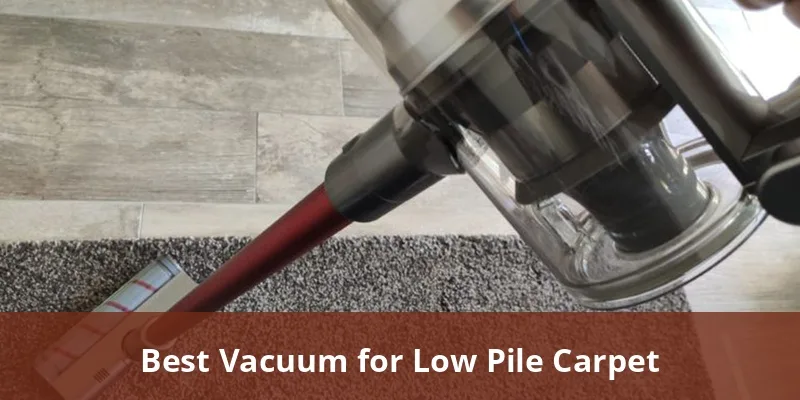
Image source: Web (Bing) / flooringclarity.com (Web image (fair-use with source credit))
Why This Comparison Matters: The "One Machine Instead of Two" Expectation
The appeal is obvious. One machine, one parking spot, one cord to manage. Wet/dry vacuums already handle hardwood, tile, garages, and car interiors with ease.
Adding carpet to that list seems like a natural upgrade, especially when the price of a decent shop vac often matches a mid-tier carpet vacuum. The financial incentive alone drives thousands of people to test the limits of their workshop tool.
But there's a hidden cost to consolidation that most buyers don't consider. Carpet isn't a flat surface. It's a dense mat of fibers designed to trap dust, pollen, pet dander, and dirt deep below the surface.
You can see the surface mess. You can't see what's settled at the base of the fibers. That's the stuff that affects your indoor air quality and the lifespan of your carpet.
The "one machine" mindset also skips over maintenance differences. A wet/dry vacuum built for sawdust and spilled paint handles carpet friction, fiber dust, and dander differently. Filters clog faster.
Tanks need emptying more often. The machine itself runs hotter because carpet creates more airflow resistance than a smooth garage floor. In our research, users who consolidated often report the shop vac feeling "weak" on carpet, not because suction dropped, but because agitation never existed.
So the real question isn't "can one machine do both jobs." It's "which messes are you actually cleaning, and what are you willing to give up?" If you vacuum mostly hard floors with a few flat-weave rugs, a wet/dry vac walks the line. If your home is wall-to-wall carpet, the math changes dramatically.
How a Wet/Dry Vac Works on Carpet: Suction Power vs Brush Roll Agitation
Carpet cleaning relies on two separate mechanical actions. The first is airflow. The vacuum motor creates negative pressure, pulling air through the hose and carrying loose debris along with it.
That's the part wet/dry vacuums excel at. Their large tanks and high air movement handle bulky stuff like pet litter, leaves, and even small screws that would damage a carpet vacuum.
The second action is agitation. A carpet vacuum features a rotating brush roll, also called a beater bar, that spins at thousands of RPM. Those bristles physically sweep deep into carpet fibers, loosening grit, dust, and hair so the airflow can capture them.
Without agitation, anything embedded below the surface stays exactly where it is. You're essentially skimming the top layer and calling it clean.
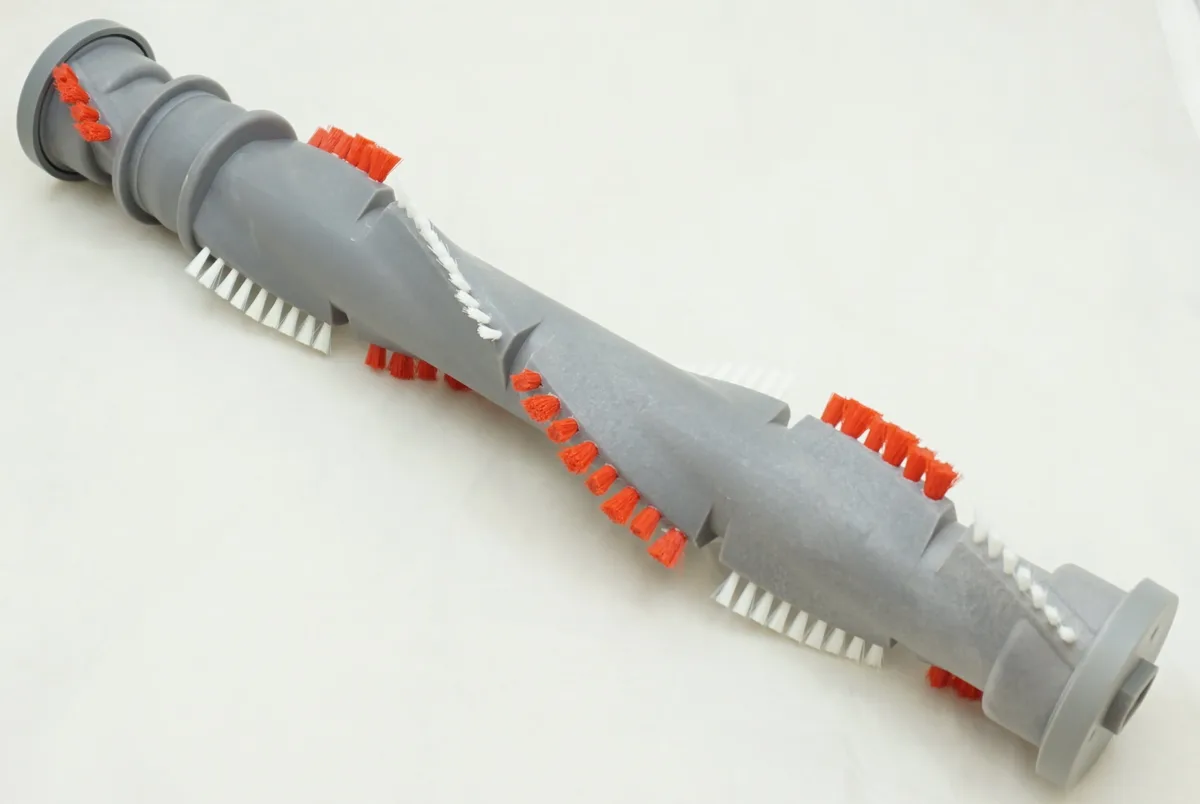
Image source: Web (Bing) / walmart.com (Web image (fair-use with source credit))
Most wet/dry vacuums ship with a basic floor nozzle designed for hard surfaces. Run it over carpet and the nozzle glides across the pile, creating little more than a surface pass. The suction grabs visible crumbs, but the fine dust that causes allergies and dulls carpet color remains untouched.
Over time, that trapped grit acts like sandpaper, wearing down carpet fibers as you walk across them.
There's a physics component too. Carpet creates airflow resistance. Air moves easily across hardwood, but dense carpet fibers restrict the path.
Wet/dry vacuums compensate with raw motor power, but they don't distribute suction evenly across a wide carpet nozzle the way a carpet vacuum does. The result is a strong suction spot in the center of the nozzle and weak edges, leaving a literal stripe effect on larger rooms.
Some manufacturers offer motorized brush attachments for shop vacs. These add-ons fit standard hoses and provide the missing agitation. They work, but they add cost, weight, and complexity that undermines the "one machine" simplicity.
Plus, most budget shop vacs lack the fine filtration needed to trap carpet dust. You'll push dust through the filter and back into the air. That's a dealbreaker for allergy sufferers, and a strong reason why the two tools serve separate roles.
Wet/Dry Vac vs Carpet Vacuum: Side-by-Side Spec Comparison
Here's the direct comparison that matters when you're weighing whether one machine can pull double duty:
| Feature | Wet/Dry Vacuum | Carpet Vacuum |
|---|---|---|
| Suction power (water lift) | 40–90 inches | 10–15 inches |
| Motorized brush roll | Rarely included | Standard |
| Carpet agitation depth | None without add-on | Deep fiber penetration |
| Pet hair pickup | Poor on carpet | Excellent |
| Fine dust filtration | Basic filter, dust re-emission risk | HEPA options standard |
| Wet pickup capability | Built-in | Not supported |
| Hard floor performance | Excellent | Acceptable |
| Noise level | 80–100 dB | 65–75 dB |
| Weight | 10–20 lbs | 12–18 lbs |
| Tank/filtration maintenance | High with carpet use | Moderate |
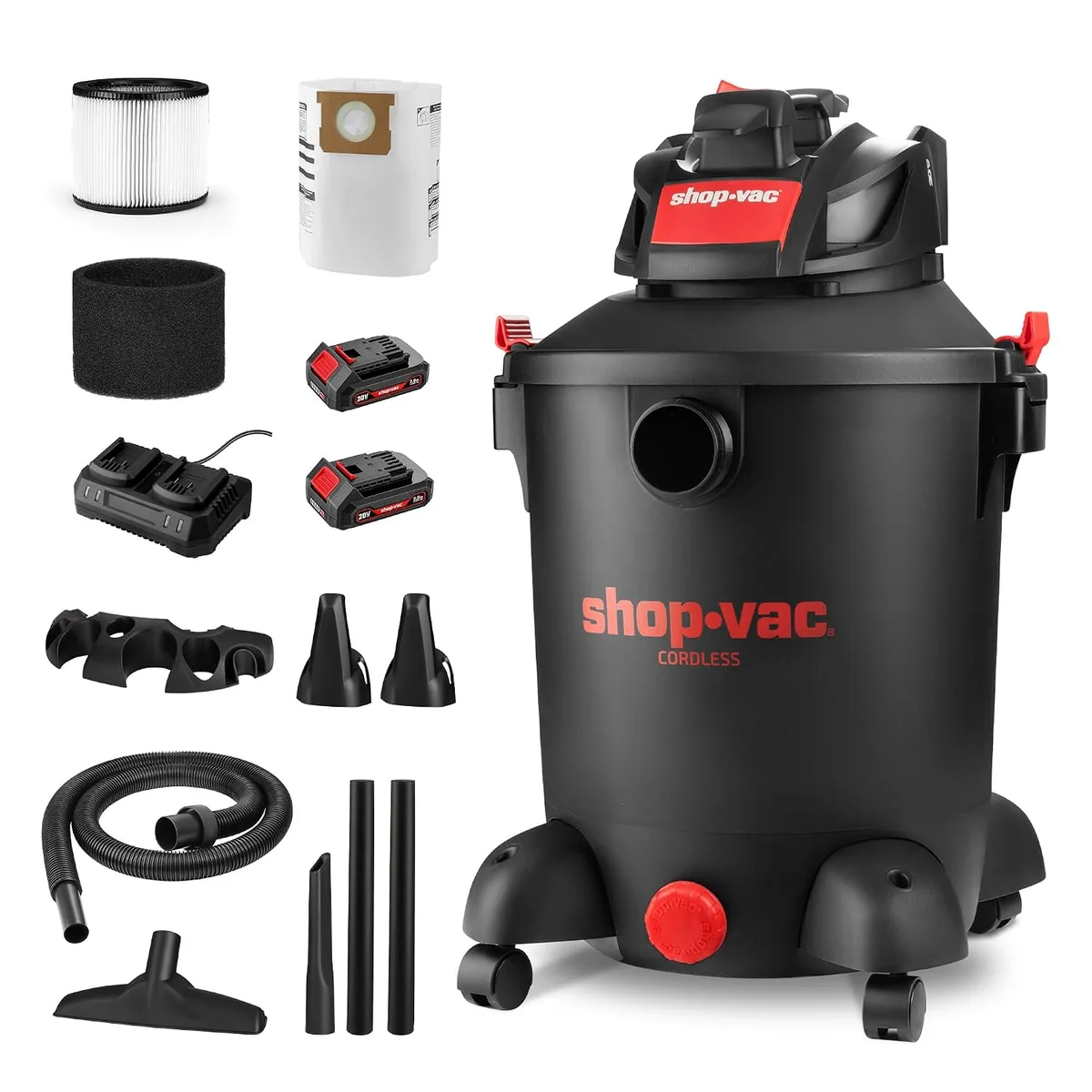
Image source: Web (Bing) / amazon.com (Web image (fair-use with source credit))
The spec sheet tells the story clearly. Wet/dry vacuums dominate where liquid, bulky debris, or hard surfaces are involved. Carpet vacuums dominate where fiber agitation and fine particle capture matter.
Neither machine "beats" the other in some absolute sense. They're optimized for different jobs.
Noise is a surprisingly common complaint. A wet/dry vacuum at full power approaches 100 decibels, which is loud enough to require hearing protection for extended use. Carpet vacuums, while not quiet, typically stay under 75 decibels.
If you're vacuuming a bedroom while someone sleeps or a home office during calls, that difference matters.
Filtration is where the gap gets dangerous. Standard wet/dry filters capture coarse debris but let fine dust escape. Carpet dust includes allergens, pet dander, and microplastics.
Per ASTM vacuum testing standards, HEPA-rated carpet vacuums capture 99.97% of particles down to 0.3 microns. Most shop vacs don't approach that level of capture without a specialty filter upgrade. Your lungs end up as the final filter if you consistently vacuum carpet with a basic unit.
What a Wet/Dry Vac Does Great: Spills, Hard Floors, Garages, and Low-Pile Rugs
Let's give credit where it's due. A wet/dry vacuum is a genuinely versatile machine. For homes with mixed surfaces, it handles several jobs better than any dedicated carpet vacuum ever could.
Spills and flooding are the star performance. A wet/dry vacuum's sealed tank and float shutoff mechanism let them slurp up standing water, spilled juice, or a flooded washing machine drain. No carpet vacuum can touch this capability.
If you've ever faced a burst pipe or an overflowing toilet, the shop vac becomes a hero. That alone justifies owning one, even if it never touches your carpet.
Hard floors come next. Tile, laminate, vinyl, and sealed hardwood all clean up effortlessly with a wide hard-floor nozzle. There's no brush roll to scatter debris, and the strong suction pulls crumbs from grout lines and texture gaps.
You can also vacuum directly into the tank without bag anxiety. Wet/dry vacs are just easier to empty and rinse than a bagged upright.
Garage, workshop, and vehicle duty is another win. Sawdust, drywall dust, and metal shavings would wreak havoc on a carpet vacuum's brush roll. A wet/dry vacuum eats them for breakfast.
Car interiors, including the often-neglected cargo area, clean up fast. If you're the type who uses one machine for everything, this is where the shop vac earns its workspace.
Low-pile and flat-weave rugs respond acceptably to a wet/dry vacuum. These carpets have short, dense fibers that resist deep embedding. Surface dust, crumbs, and tracked-in dirt lift away with one pass.
A basic floor nozzle works, but a brush attachment improves results noticeably. If your home uses low-pile carpet in bedrooms or a flat rug in the living room, you can genuinely get by with a wet/dry unit for routine maintenance.
The compromise starts when you move beyond those scenarios. Pet hair strands wrap around plain suction nozzles instead of getting pulled into the tank. High-pile carpet resists the weak agitation and traps everything deeper.
Area rugs with thick fringes catch and bunch in the nozzle. In our research, that's the exact moment most people realize the shop vac isn't doing what their old upright did. It's not that the machine stopped working.
It's that the job changed from surface pickup to deep cleaning, and that requires bristles, not just airflow.
Where a Wet/Dry Vac Falls Short: Pet Hair, High-Pile Carpet, and Ground-In Dirt
Pet hair is the first dealbreaker. Strands wrap around the plain suction nozzle instead of feeding into the tank. Without a motorized brush roll to sweep them up, hair stays tangled in the carpet, and you spend more time pulling it off the nozzle than actually vacuuming.
High-pile carpet makes it worse. The soft fibers collapse under the suction, so the nozzle glides over the top while dirt settles deeper than the airflow can reach.
Ground-in dirt follows the same pattern. Sand, crushed soil, and fine road dust work their way to the carpet backing. A wet/dry vacuum's suction lifts the loose surface layer, but the embedded grit stays put.
Over time, that grit acts like sandpaper on your carpet fibers. It wears down the pile and dulls the color long before the carpet's expected lifespan.
A motorized brush attachment can close the gap. These add-ons fit standard shop vac hoses and provide the agitation missing from the stock setup. But they add another 50 to 150 dollars and require swapping tools for every floor transition.
At that point, the "one machine" convenience starts to fade. If you're dealing with pet hair and plush carpet, our research suggests the dedicated upright is the faster tool every single time.
Benefits & Drawbacks: The Real Tradeoffs of Ditching Your Carpet Vacuum
There's no such thing as a free consolidation. Here's what you gain and lose when you replace the carpet vacuum with a wet/dry unit:
The benefits:
- One machine covers wet spills, workshop messes, hard floors, and low-pile rugs.
- Less storage space, one cord, and a single maintenance routine.
- No bags to buy, and the tank rinses out with a garden hose.
- Stronger suction for bulky debris like cereal, leaves, or construction dust.
The drawbacks:
- No deep carpet agitation without an extra motorized brush attachment.
- Basic filters re-emit fine dust, which bothers allergy sufferers.
- Louder operation, often 80 to 100 decibels during use.
- Tanks and hoses need rinsing after wet pickup to prevent mildew.
- Carpet-only jobs run slower because the machine isn't optimized for fabric.
The real tradeoff is simple. You're trading carpet-cleaning depth for machine versatility. That works great when your floors are mostly hard surfaces.
It fails when you need the brush roll to dig into fibers and pull out pet dander, dust mites, and ground-in soil. Be honest about which floor type dominates your home before you make the call.
Best For: Renters, DIYers, and Low-Pile Carpet Households
A wet/dry vacuum makes a strong standalone vacuum if your home matches a few conditions. You live in an apartment with mostly hard floors and one or two low-pile rugs. You don't have shedding pets tracking hair into the carpet.
You already own a shop vac for the garage or car. In that setup, buying a separate carpet vacuum is a waste of money.
Renters especially fit the profile. Low-pile carpet is standard in many rental properties, and it's the one surface type a wet/dry unit handles acceptably. The machine also survives moving, so it won't need replacing at your next place.
If you're handy with DIY projects, the same unit that cleans sawdust will handle the bedroom rug on weekends.
The conditional logic is straightforward: if your carpet is low-pile, coverage is flat, and daily cleaning is all you need, a wet/dry vac can be your only vacuum. If your carpet gets heavy foot traffic or you prefer a deeper clean, keep the upright. A quick test helps: run your wet/dry over a small section, then feel the carpet pile with your hand.
If it still feels gritty, the dirt is still there, which means the machine isn't doing the full job.
Not For: Pet Owners, Allergy Sufferers, and Plush Carpet Homes
Some households should skip the consolidation entirely. Pet owners top the list. Shedding animals produce dander and hair that require regular agitation to lift from carpet fibers.
A wet/dry vacuum without a brush roll leaves most of it behind. Your nose and your floors will both notice the difference.
Allergy sufferers face a different problem. Standard wet/dry filters capture coarse debris but let fine particles escape back into the air. Carpet dust contains the exact allergens that trigger asthma attacks and hay fever.
EPA guidance on indoor air quality highlights thorough vacuuming with a HEPA filter as a key step for allergy control. Most shop vacs don't qualify without a specialty filter upgrade.
Plush high-pile carpet is the third hard stop. The long, soft fibers resist suction and swallow dirt near the backing. Only a motorized brush roll can reach that depth.
If you have thick carpet in bedrooms, stairs, or living areas, the dedicated carpet vacuum stays in the closet. The wet/dry vac can stay in the garage, which is exactly where it belongs.
Common Mistakes to Avoid: Clogged Filters, Wet Carpet, and Dust Re-Emission
The fastest way to ruin a wet/dry vacuum is using it wrong. The most common mistake is leaving the dry filter in place for wet pickup. Foam and felt filters soak up liquid, block airflow, and develop a sour smell.
Swap to the dedicated wet filter before you touch water, and dry it completely before switching back.
Dust re-emission is another trap. Vacuuming fine carpet dust with a basic filter pushes microscopic particles through the motor housing and back into the room. You end up cleaning the air you just disturbed.
Use a cartridge filter rated for fine dust, or keep the carpet vacuum for bedroom and living room duty.
Wet carpet is the sneaky one. A damp carpet after a spill can take 24 hours or more to dry, and if you vacuum up floodwater with a cheap unit, you may leave enough moisture behind for mold to colonize within two days. Extract the water thoroughly, then run a fan across the area until it's completely dry.
Finally, watch your hose and nozzle openings. Any vacuum with strong airflow can collapse a hose or suck in something it shouldn't. Clogs build the same way whether you're clearing a carpet nozzle or a suction head, and the fix starts with checking the full airflow path.
Clear the blockage, reset the filter, and your machine will keep pulling for years.
Maintenance That Matters: Filters, Hoses, and Drying Your Wet/Dry Vac
Rinse the tank and hose after wet pickup. Residue left inside breeds mildew within days. Dry the foam filter completely before you snap it back in.
A damp filter blocks airflow and strains the motor.
Check the hose for clogs before each carpet session. Carpet fibers and pet hair build up fast in the corrugated liner. A quick visual inspection prevents weak suction that gets blamed on the motor.
Pro Tips: Making a Shop Vac Work on Carpet Without Ruining It
Add a motorized brush attachment. It converts your wet/dry unit into something close to a carpet vacuum. Pair it with a fine-dust cartridge filter to cut down on re-emission.
Vacuum slowly. Short back-and-forth strokes pull up more dirt than one fast pass. Empty the tank before it hits half full, since carpet dust packs down and reduces airflow.
Real Scenarios: Flooded Basement, Workshop Dust, and Everyday Home Use
A flooded basement is pure shop vac territory. It pulls standing water fast, and the float mechanism stops overflow automatically. Workshop dust, sawdust, and stray screws come next.
The carpet vacuum stays upstairs while the wet/dry handles the garage.
Everyday home use works best when the carpet is low-pile. A small bedroom rug and hallway mat clean up just fine. Plush living room carpet, not so much.
You'll feel the difference in the very first pass.
FAQs: Wet/Dry Vac vs Carpet Vacuum, Answered
Can a wet/dry vacuum damage carpet?
No, but it can leave dirt behind. Surface suction doesn't reach the carpet backing, so embedded grit stays and wears down the fibers faster over time.
How do I vacuum carpet with a shop vac?
Use a brush attachment or motorized floor head. Move slowly and overlap your passes. Skip the squeegee nozzle for dry carpet, since it seals against the pile and kills airflow.
Will a HEPA filter help my wet/dry vacuum on carpet?
Yes, a fine-dust filter traps the particles that a basic foam filter lets escape. It's a worthwhile upgrade if allergies are a concern.
What's the best way to pick up pet hair with a shop vac?
Attach a motorized brush tool. A plain nozzle pushes hair into a clump instead of lifting it. Without the brush, pet hair wraps around the nozzle and stays exactly where it was.
Final Verdict: Should You Keep Both Machines or Consolidate?
If your home has low-pile carpet and no pets, consolidate. A wet/dry vacuum handles the job with the right attachment and filter. If your carpet is plush or your allergies flare, keep the dedicated carpet vacuum.
The two machines serve different purposes. The honest answer is that most households benefit from owning both.

