

Can shop vacuums damage carpets? Yes, if you use them carelessly. But it's not the vacuum itself that's the problem.
It's how it's handled.
Manufacturer specifications show most shop vacuums generate between 40 and 90 inches of water lift. That's roughly two to three times the suction of a standard upright vacuum. Raw power like that, applied to the wrong carpet or the wrong attachment, is exactly what causes snagged loops, crushed pile, and suction marks.
The good news is that with the right approach, you can use a shop vac on carpet safely. Let's walk through what goes wrong, which carpets are most at risk, and how to vacuum your way through it.
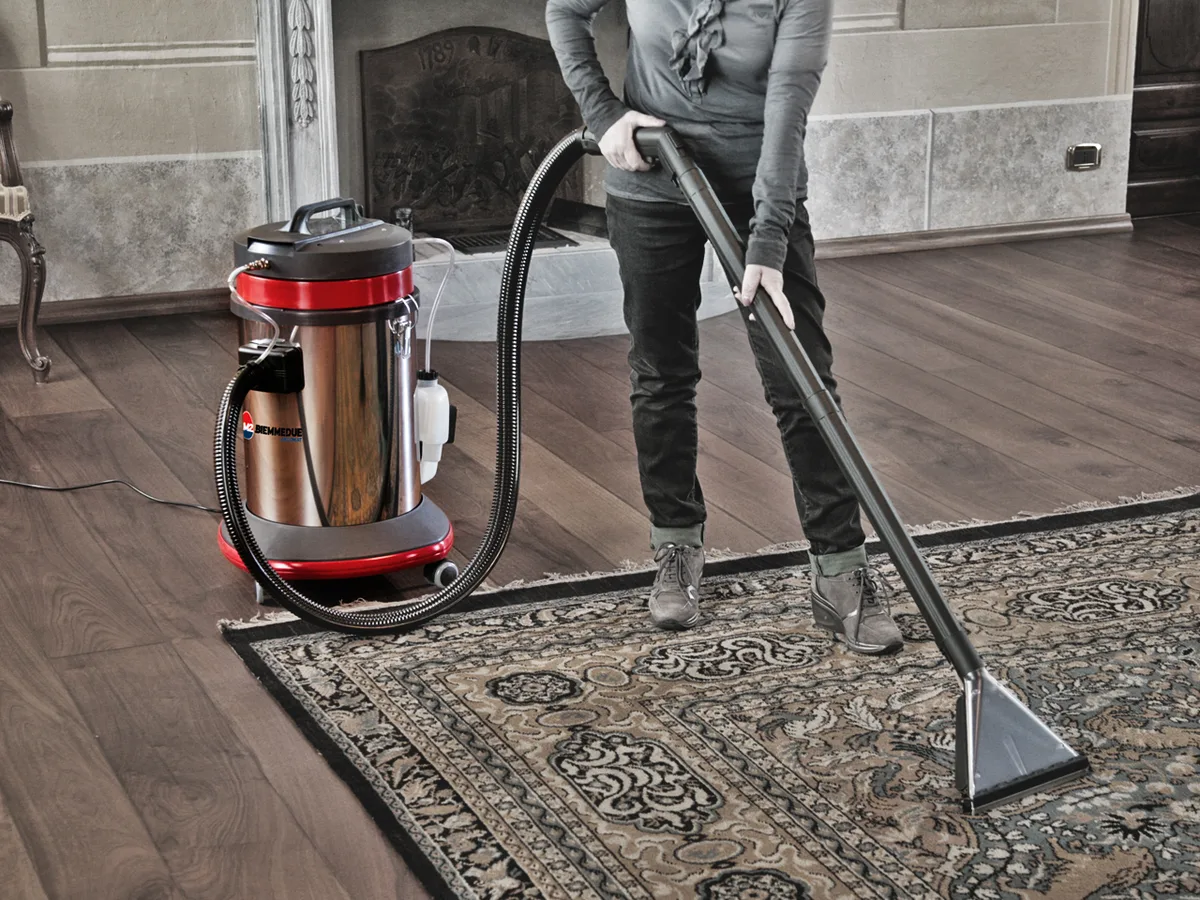
Image source: Web (Bing) / goodhousecleaner.com (Web image (fair-use with source credit))
Quick Answer
Yes, shop vacuums can damage carpets, but only in specific situations. The biggest risks are loop-pile snags, suction marks, and over-wetting during pickup. Use the right attachment and keep suction controlled, and you'll be fine.
Without those precautions, you risk permanent damage.
How a Shop Vacuum Damages Carpets: The 3 Real Mechanisms
A shop vacuum works on the same principle as any vacuum, but it operates in a different league. A typical upright pulls 20 to 30 inches of water lift. A typical shop vac pulls 40 to 90 inches.
Suction. This is the main culprit. When the nozzle sits flat on carpet, high suction pins the pile down and tugs at the fibers. On berber, one hard edge can pull a loop out of the weave.
On plush cut-pile, suction leaves tram lines. Pool owners see the same physics when a suction hose collapses under strong flow.
Friction. Dragging a hard plastic or metal nozzle back and forth creates heat and abrasion. This fuzzes the tops of cut-pile fibers. Spinning brush attachments make it worse, especially on synthetic fibers that can frizz or melt.
Water. This one scares carpet pros. A shop vac can pull up a large volume of water, but it cannot extract moisture from the backing and underpad the way a dedicated carpet extractor does. If the carpet stays wet for 24 to 48 hours, mold can take hold.
The EPA's mold guidance stresses drying wet materials within that window.
| Mechanism | What happens | Damage severity |
|---|---|---|
| Suction | Pile pulled, loops snagged, tram lines | Mild to severe |
| Friction | Fiber fuzzing, pilling, heat damage | Mild to moderate |
| Water | Saturated backing, mold, delamination | Severe |
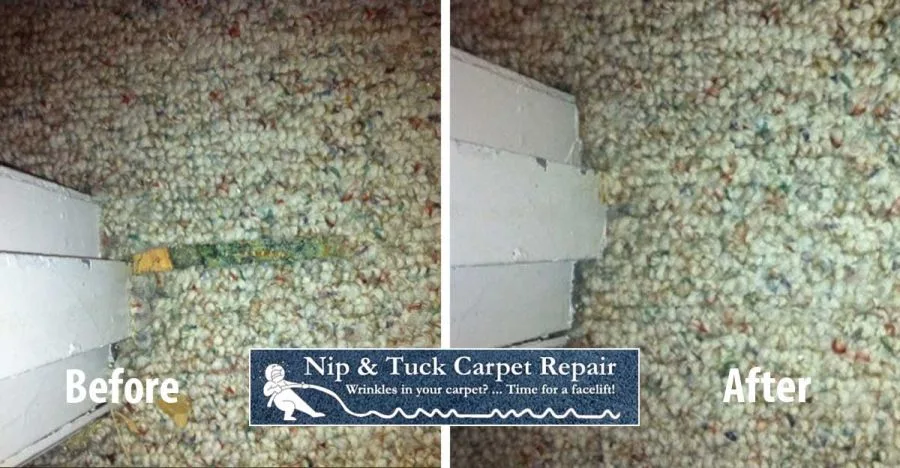
Image source: Web (Bing) / niptuckcarpetrepair.com (Web image (fair-use with source credit))
Which Carpets Are Most at Risk? (Berber, Loop Pile, High Pile, Plush)
Not every carpet reacts the same way. That's why some people use a shop vac on carpet for years without issues, while others end up with a berber rug that looks like a cat attacked it. As of 2026, carpet repair pros still report pulled berber loops as their most common shop vacuum accident.
Berber and loop pile. These are woven loops. When suction snags one loop, it becomes a visible pulled thread, and more loops can unravel from there. Berber is the single most fragile carpet type for shop vac use.
Plush and saxony. Cut pile, meaning the fiber tops are cut flat. These carpets get vertical suction marks and crushed pile when the nozzle sits still with full suction. The marks are not permanent in structure, but they last until groomed.
High-pile and shag. Long, loose fibers tangle and twist easily. High suction flattens these carpets, and restoring the pile takes real effort.
Low-pile and commercial loop. These are the safest. Tight, short loops and dense construction resist snags and crush damage. A shop vac on low-pile commercial carpet is generally fine, especially with a wide nozzle.
The Carpet and Rug Institute publishes detailed care guidance for each carpet type.
| Carpet type | Fiber structure | Shop vac risk level |
|---|---|---|
| Berber / loop pile | Woven loops | High, snag risk |
| Plush / saxony | Cut pile | Medium, suction marks |
| High-pile / shag | Long loose fibers | Medium-high |
| Low-pile / commercial | Tight short loops | Low |
The Attachment Question: What to Use on Carpet vs. What to Leave in the Garage
This is the fastest way to prevent damage. The attachment determines how much suction force actually hits the carpet surface.
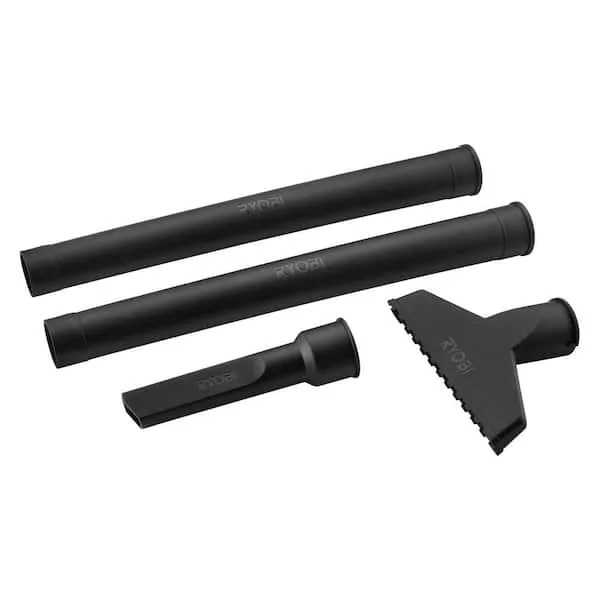
Image source: Web (Bing) / homedepot.com (Web image (fair-use with source credit))
Use the wide utility nozzle. This is your go-to for carpet. A wider opening spreads suction over more surface area, so the force per square inch drops dramatically compared to a narrow nozzle.
Use the wet nozzle or squeegee attachment for water extraction. In wet pickup mode, the squeegee design keeps water moving toward the suction port. It works better than a standard nozzle.
Leave the crevice tool for edges and corners. It concentrates suction into a narrow slot, which is exactly how you crush pile and pull loops. Use it on baseboards, not on open carpet.
Never use a spinning brush attachment on berber, shag, or high-pile carpet. The brush rolls can grab loops and wrap them around the roller. If your shop vac came with a motorized attachment, reserve it for hard floors or low-pile commercial carpet.
If your shop vac has a suction control dial, use it. Drop suction to the lowest setting for carpet work. If there's no dial, crack the hose connection slightly to bleed off airflow. A clogged filter creates a similar problem, so keeping suction strong always plays a role in safe cleaning.
Dry Vacuuming Carpet with a Shop Vac: Safe Approach, Step by Step
Here's the workflow for cleaning dry carpet without wrecking it.
Step 1: Inspect the carpet first. Look for loose loops, snags, or crushed areas. If you see a pulled loop, skip the shop vac. An upright vacuum is the safer tool for damaged carpet.
Step 2: Test on a hidden corner. Run the vacuum on low suction, if available, for a few seconds. Check the fibers afterward. If they look pulled or flattened, stop.
Step 3: Fit the wide utility nozzle. Spread the suction over maximum surface area. Narrow nozzles concentrate force and raise snag risk.
Step 4: Lower the suction. Use the dial if your shop vac has one. If not, lift the wand slightly off the carpet surface to bleed off airflow.
Step 5: Keep the nozzle moving. Slow, steady passes work best. Don't hold the vacuum still in one spot.
Step 6: Follow the lay of the pile. Move in the direction the carpet fibers already point. Scrubbing back and forth against the grain causes fuzzing.
Step 7: Groom the pile afterward. A carpet rake or a light pass with a regular upright vacuum fluffs the fibers back up. This restores texture and hides any temporary flattening.
Routine vacuum maintenance prevents airflow drop-offs that lead people to press the nozzle into carpet harder. That pressure is when real damage happens. Keeping the hose kink-free helps too.
A tangled hose restricts airflow and pushes you to press down even more.
Wet Pickup on Carpet: When It's a Lifesaver and When It's a Disaster
Water extraction is where a shop vac proves its worth. A flooded basement, a burst washing machine hose, or a toilet overflow on low-pile carpet can be pulled up fast. A shop vac handles gallons of water in minutes.
But drying the carpet fully takes time.
Here's the catch. A shop vac pulls free water off the surface, but it doesn't scrub the backing or remove moisture from the underpad. Professional carpet extractors inject hot water into the pile and immediately vacuum it back out.
A shop vac just gets the surface water. If the carpet stays wet past 24 to 48 hours, mold growth becomes a real risk.
So when is wet pickup okay? If water hasn't soaked through to the backing yet, you're fine. On a low-pile commercial carpet or a concrete floor pad, a shop vac works well.
On a plush residential carpet with thick padding, you're better off calling a pro with a real extractor.
The safe wet pickup procedure:
- Remove the paper or fabric filter first. Wet air will ruin it.
- Use the wet nozzle or squeegee attachment, not the utility nozzle.
- Work in slow, straight passes. Don't scrub.
- Don't press the nozzle down hard. Let suction do the work.
- Stop when the tank is about two-thirds full.
- Empty the tank outside.
- Dry the carpet with fans and a dehumidifier immediately.
Common Mistakes That Ruin Carpet (And How to Avoid Each One)
Most carpet damage from shop vacs comes down to repeatable errors. Here's what to avoid.
| Mistake | Why it hurts | The fix |
|---|---|---|
| Running full suction | Intense pull crushes pile and yanks loops | Use suction control or lift the nozzle |
| Pressing the nozzle into the carpet | Force multiplies fiber stress | Glide the nozzle lightly over the pile |
| Using the crevice tool on open carpet | Concentrated suction in narrow path | Use a wide utility nozzle instead |
| Vacuuming berber without a test pass | One loop snag can unravel a run | Test on a hidden corner first |
| Leaving wet carpet to air dry | Moisture reaches backing, mold risk spikes | Use fans and a dehumidifier right away |
| Dragging a spinning brush across plush | Fiber fuzzing, heat damage | Reserve motorized brushes for hard floors |
The pattern is simple. High suction plus narrow openings plus delicate carpet equals damage. Remove any one variable and the risk drops dramatically.
A dirty or blocked nozzle does the same thing. The opening gets smaller, suction concentrates, and carpet damage follows. Clearing a blocked vacuum head isn't hard, and it matters more than people expect.
Real-Life Scenarios: Workshop Dust, Flooding, Pet Accidents, Rental Cleanups
Workshop dust. Sawdust, metal shavings, and drywall dust tracked into a carpeted hallway. A shop vac with the wide nozzle and reduced suction is the perfect tool. Sweep or brush the heavy debris first, then vacuum the rest.
Flooded basement. If you have standing water on carpet, a shop vac is the right first response. You're not getting everything dry, but you can remove enough water fast enough that a professional cleaning has a chance. Use the wet pickup procedure above.
Pet accidents. Blot the area with towels first, then use the wet pickup method to draw out the liquid. Rinse with plain water and repeat. Never use hot water, which can set the stain.
Rental cleanups. Landlords and tenants lean on shop vacs between move-outs. Inspect the carpet first. If it's berber or already has damaged loops, switch to a rented extractor or hire a professional.
A Simple Decision Guide: Should You Use a Shop Vac on Your Carpet?
Run through these branches before you start. It takes thirty seconds.
If your carpet is berber or loop pile: Skip the shop vac for dry vacuuming unless the carpet is commercial low-pile. Use an upright with a brush roll or a gentle suction-only canister.
If you're doing dry pickup on plush or high-pile: You can, if you use a wide nozzle and light suction. Expect some flattening that you'll need to groom back.
If you're pulling up water: Yes, when it's an emergency and the carpet is low-pile or you're headed straight into professional dry-out. No, if the carpet has thick padding and you can't dry it within 24 hours.
If you have a crevice tool or brush attachment: Don't. Swap to the wide utility nozzle.
If you're unsure about the carpet type: Test on a hidden patch. Not sure where? Check where cut edges tuck under the baseboard.
That's a safe spot to test.
What to Do If You've Already Damaged the Carpet (Fix or Call a Pro)
Pulled loop on berber. This is repairable, but only if you can push the loop back into the weave. Thread it into the carpet backing with a needle or hook tool. If the yarn has separated from the backing, call a carpet repair pro.
Never pull or trim the loose end. Cutting a berber loop can cause the entire run to unravel.
Crushed pile. Use a carpet rake to fluff the fibers back. You can also hold a steam iron several inches above the area and brush it as the pile relaxes. Don't press the iron into the carpet.
Suction marks. They're not permanent. Run a standard upright vacuum over the area, starting in the direction of the pile. Or use a damp cloth and a cool iron to reset the fibers.
When to call a pro. If a loop pulls fully out, if the backing shows signs of delamination, or if you find mold growing anywhere. Those problems need special equipment and experience.
Frequently Asked Questions
Can a shop vac remove water from carpet?
Yes, for surface water. A shop vac is great for small spills and floods, but it cannot extract moisture from the carpet backing. That's why drying equipment matters after wet pickup.
Follow up with fans and a dehumidifier. For soaked padding, call a professional.
How do I get suction marks out of carpet?
Run a regular upright vacuum across the area in the direction the pile lies. If the mark remains, dampen the spot with a clean cloth and hold a cool iron several inches above. Groom with your fingers or a carpet rake.
Will a shop vac pull berber carpet loops?
It can. Berber loops are woven into the backing, and intense suction on one frayed or loose spot will pull it free. That can unravel a trail.
Test a hidden corner first, and always use the widest nozzle at the lowest suction.
How long does carpet take to dry after wet pickup?
With fans and a dehumidifier, low-pile carpet can dry in 12 to 24 hours. High-pile carpet with thick padding may take several days. If it's still damp after 48 hours, call a professional.
Raise the carpet edge with a block to let air reach the pad.
Should I use a shop vac instead of a carpet extractor?
No, not for deep cleaning. A shop vac pulls surface water, while a carpet extractor injects solution and pulls dirt from the backing. If you're deep cleaning on your own, rent an extractor.
For the best results, hire a certified cleaning professional.
Final Verdict: Where the Shop Vac Shines and Where It Should Stay Out of the House
Shop vacuums are the workhorse of the garage, the basement, the workshop, and the water emergency. They're fast, cheap, and indestructible. On carpet, though, they need to be treated with care.
This is the rare case where the tool that excels everywhere else can cause real damage if you don't adapt.
Use the widest nozzle you have, run it on the lowest suction you can, keep it moving, and skip the spinning brush. That's the entire playbook. Do that, and most carpets will come through fine.
And if the carpet is berber or appears fragile, send the shop vac home. That's not the tool for that job.

