

Can a shop vacuum replace a regular vacuum? It’s the kind of question that pops up when you’re cleaning a flooded garage or staring at a sale rack at the hardware store. Honestly, it makes sense to want one machine to rule them all.
But the truth is more practical.
Manufacturer specifications indicate that a typical 5-gallon shop vacuum generates about 100 to 120 CFM of airflow. That’s right in line with many household canister vacuums. As of 2026, the real difference comes down to filtration, agitation, and ease of daily use.
Let’s unpack exactly where the swap works and where it falls apart.
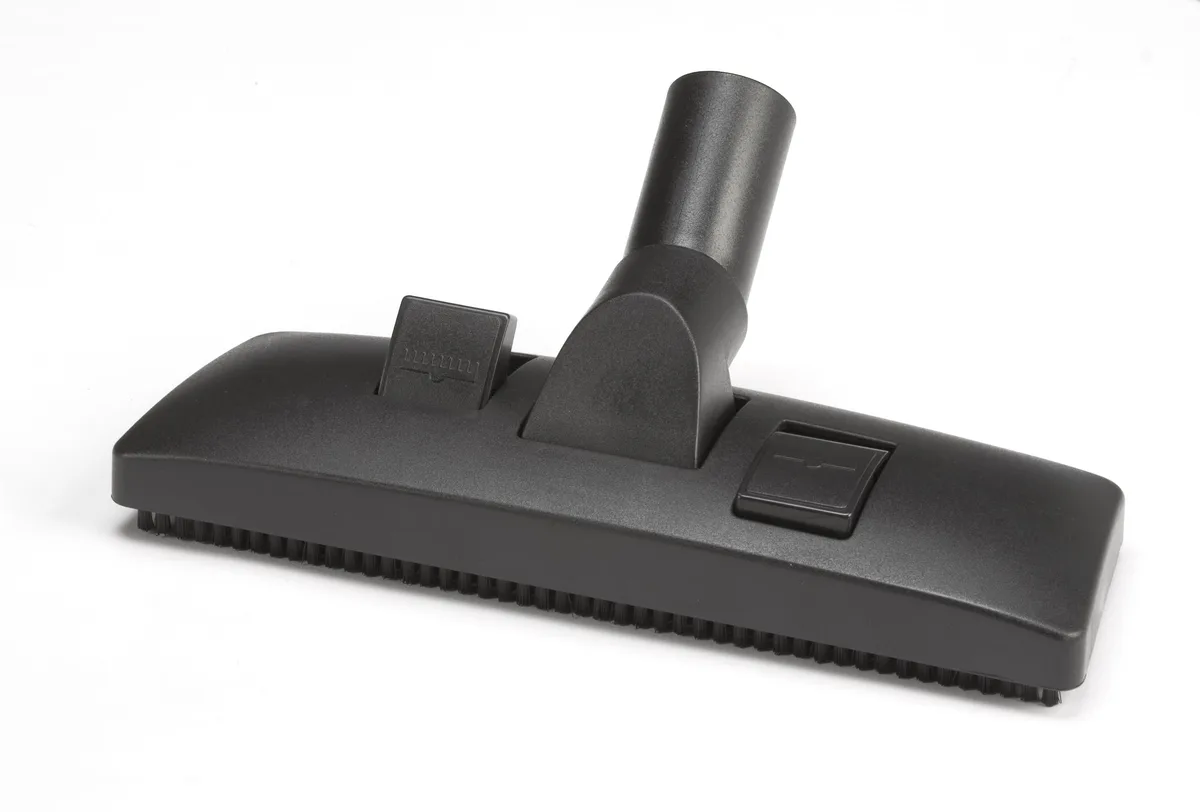
Image source: Bing (Web (fair-use with source credit))
Quick Answer
Yes, but only for the right home.
Shop vacuums excel on hard floors, heavy debris, and wet spills.
They fall short on carpet and fine dust control.
A HEPA filter fixes the dust problem.
Check your flooring first, then decide.
Why This Question Even Matters
The line between workshop gear and household tools has completely blurred. Walk into any home improvement store in 2026 and you'll see shop vacuums labeled "quiet" and "HEPA". The technology caught up to the point where a wet/dry vac can do double duty.
Household vacuums still focus on ergonomics. They're built for carrying upstairs, gliding under cabinets, and storing in a small closet. Shop vacuums are built for raw suction and sheer volume.
A 16-gallon tank swallows renovation debris that would choke a standard vacuum bag in seconds.
Newer homes are full of hard flooring. Wood, tile, and vinyl plank don't need a brush roll. They simply need strong airflow.
That's why this question keeps coming up.
The Simple Answer: It Depends on Your Floors and Messes
Let's cut through the noise. The answer is a conditional yes, and it hinges on two things: your floors and the messes you track in.
If your home is mostly carpet, keep your regular vacuum. A shop vac lacks a motorized brush roll, so it can't pull embedded dirt and hair out of the pile.
If your floors are mostly hard surfaces, a shop vac can become your everyday vacuum. With the right floor brush and a fine dust filter, it handles crumbs, pet hair, and sand better than most stick vacuums.
Here's the real-world breakdown:
| Flooring type | Common messes | Shop vac works? | Regular vacuum needed? |
|---|---|---|---|
| Wall-to-wall carpet | Pet hair, dust mites, deep dirt | No, it won't agitate | Yes, upright or canister |
| Hardwood / laminate | Crumbs, hair, daily dust | Yes, with a soft brush | Optional |
| Tile / vinyl | Kitchen debris, dust, spills | Yes, and it handles water | Optional |
| Area rugs / runners | High-traffic grime | Only with a turbine brush | Recommended |
| Car interiors | Sand, leaves, loose dirt | Great, long hose reaches | Not designed for cars |
Condition 1: Flooring Type, Carpet vs Hard Floors
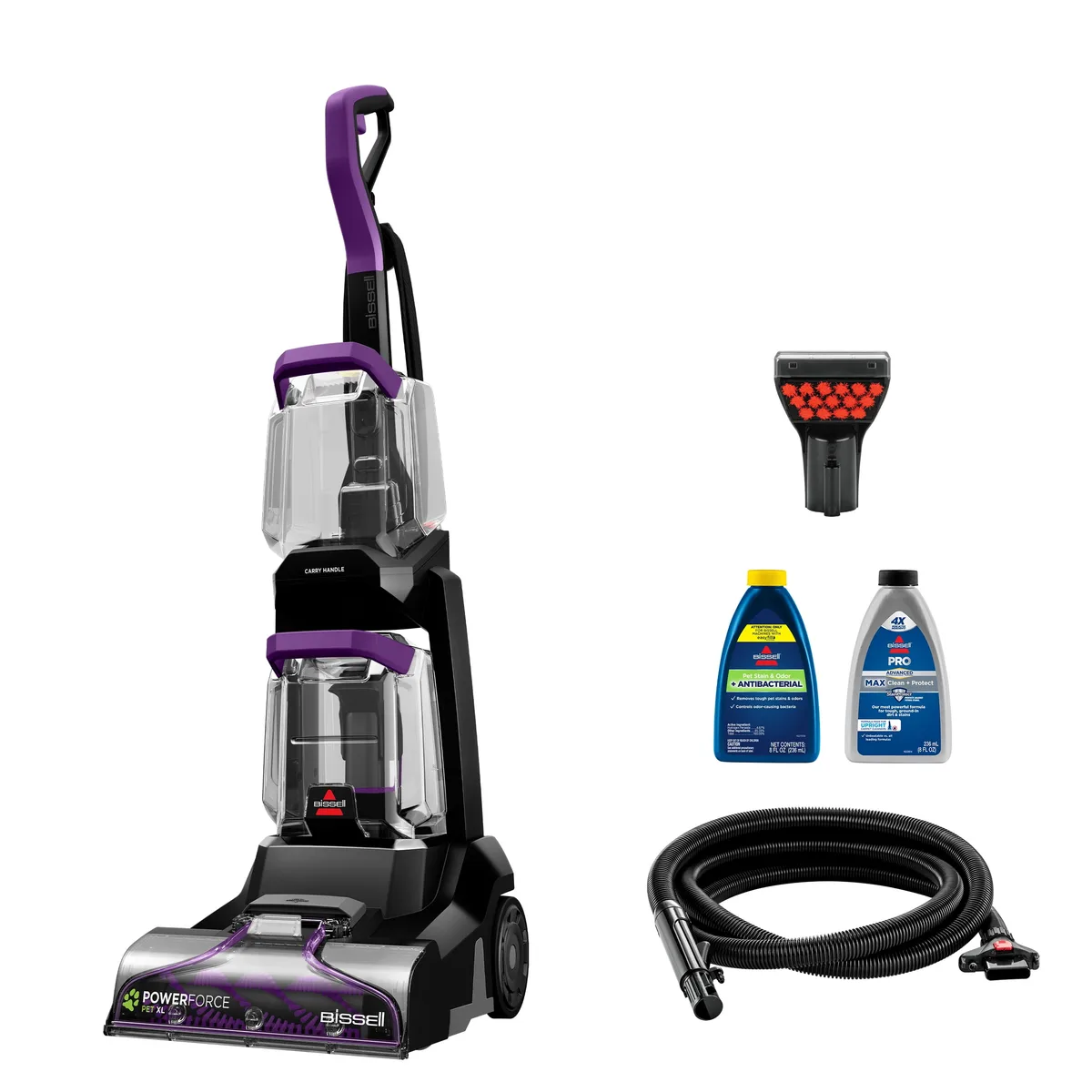
Image source: Web (Bing) / walmart.com (Web image (fair-use with source credit))
This is the biggest fork in the road.
Carpet demands agitation. A regular vacuum uses a spinning brush roll to scrape grit and pet hair loose from the fibers. A shop vac's floor tool is basically a flat plastic shoe with some bristles.
It glides over the surface without pulling up the buried dirt.
Aggregate reviews report that a shop vac can grab visible surface crumbs on low-pile carpet. But it leaves behind the dust and heavier grit that settled into the base. That's why so many people try it once and go back to their upright.
Hard surfaces flip the script completely. Sealed wood, tile, vinyl, and concrete need raw suction power. A shop vac picks up heavy debris like gravel and screws without clogging.
And if you have a basement drain or a flooded entryway, a wet/dry vac does something a regular vacuum never can: it sucks the water into the tank.
Condition 2: Indoor Air Quality and Dust Sensitivity
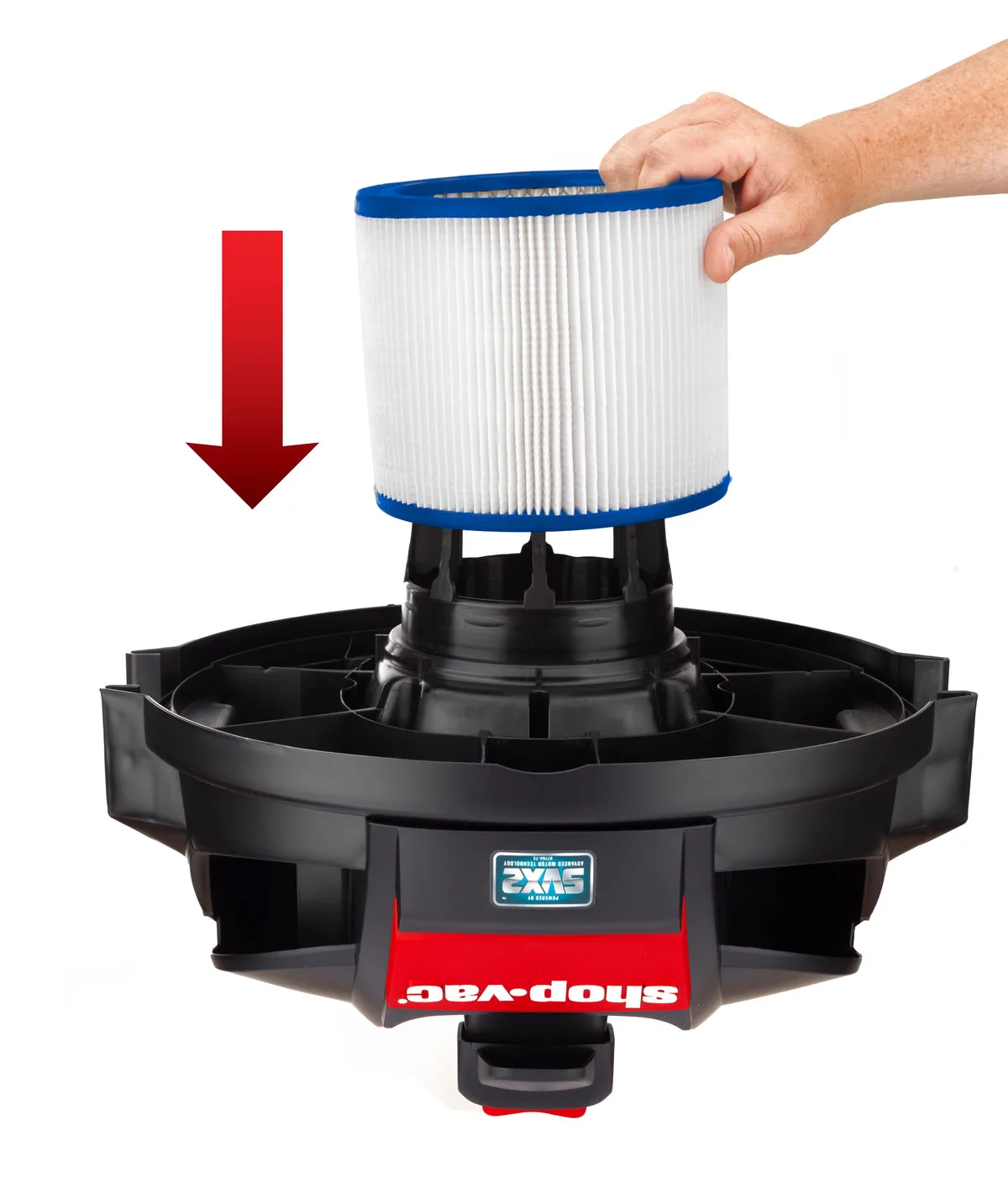
Image source: Web (Bing) / shopvac.com (Web image (fair-use with source credit))
This is where people get caught out.
Household vacuums focus on trapping fine dust. Good ones use sealed HEPA filtration, which captures 99.97% of particles at 0.3 microns. That's essential if you're vacuuming allergen-heavy household dust.
Most shop vacuums ship with a basic cartridge filter rated anywhere from 10 to 30 microns. That's fine for sawdust and drywall chunks, but it lets fine particles blow straight back into the room through the motor exhaust. If you have asthma or seasonal allergies, that's the wrong setup.
The fix is simple to understand. You need either a shop vacuum marketed as a sealed HEPA unit, or you add a HEPA-grade filter bag inside the tank. Many brands now sell HEPA models for renovation work.
According to the EPA's guidance on indoor air quality, controlling dust at the source is critical.
Condition 3: Everyday Convenience vs Workshop Toughness
Raw suction is only half the story. The other half is how it feels to steer that machine around your living room at 8 PM.
A regular vacuum is designed for daily life. It sits low to the ground, slides halfway under a sofa, and parks in a closet. A shop vac is a tall unwieldy drum with a stiff hose.
Pushing it through a bedroom feels like handling a trash can.
Noise is a genuine dealbreaker. A typical household vacuum runs between 70 and 75 decibels. A shop vac commonly hits 85 decibels.
That's roughly ten times the acoustic energy. It wakes sleeping kids and sends pets running for cover.
Weight and cord length matter too. A 5-gallon shop vac weighs around 15 to 20 pounds empty. Hauling that up and down stairs gets old quickly.
Most corded shop vacs come with a 20-foot cord, while household vacuums usually reach 30 feet. That means more unplugging and re-plugging in large rooms.
The Decision Branch: When a Shop Vac Can Fully Replace a Regular Vacuum
A shop vac works as your only vacuum when three things line up. Your home is mostly hard floors, nobody in the house has allergies, and you don't mind the noise and bulk.
If all of those are true, the swap is genuinely easy. A 5-gallon wet/dry vac with a floor brush will handle daily crumbs, pet hair on hard surfaces, and even a spilled glass of water. That's something no regular vacuum can do.
One person we see often is the apartment dweller with laminate floors and a small porch. They bought a compact 2.5-gallon shop vac for the car, then realized it cleaned the apartment just as well. They stopped pulling out the old stick vacuum entirely.
This works best when you keep the right filter installed. Swap the standard foam filter for a fine dust cartridge, and the machine stops blasting particles back at you. From there, you're basically running a heavyweight canister vacuum.
The Decision Branch: When You Still Need a Regular Vacuum
Keep your regular vacuum if any carpet is wall-to-wall. Shop vacuums don't agitate the pile, so they leave embedded grit and pet hair behind. Area rugs with a thick nap have the same problem.
Allergies are another hard stop. Household vacuums use sealed HEPA filtration to trap microscopic dust. Most shop vacs exhaust fine particles straight back into the room unless you add a HEPA bag.
If you clean the bedroom and then sneeze all night, you've found the reason.
There's also a convenience gap. Whether it's a stair-climbing upright or a lightweight stick model, a regular vacuum is built for quick daily passes. A shop vac forces you to unroll a stiff hose and drag a drum across the room.
That gets old on day three.
If you rely on the brush roll for carpeted rooms, the physics won't change. It's the same problem as a collapsed pickup line on a pool cleaner. All the motor power in the world won't move debris without the right pickup mechanism.
The Compromise Route: Upgrading a Shop Vac for Home Use
Instead of choosing one machine, you can make a shop vac behave more like a household vacuum. The upgrades are cheap compared to buying a second vacuum.
Start with a HEPA-rated filter bag. Bags catch fine dust before it reaches the motor, and they make emptying the tank far less messy. Add a soft-bristled floor brush for hard surfaces, and the plastic scraping sound disappears.
If you have a single carpeted room, some manufacturers sell a powered carpet head that connects to a shop vac hose. It won't feel as nimble as an upright, but it brings real brush-roll agitation to the table.
None of this takes more than a few minutes to set up. But the filter and the floor tool have to work together. A clean floor brush with a dirty filter still leaves dust everywhere.
Attachments and Mods That Close the Gap
The right attachments do more work than the motor in many cases. Here's what turns a workshop tool into a daily driver:
| Attachment | What it does | Best for |
|---|---|---|
| Soft floor brush | Gentle agitation on sealed wood and tile | Daily hard floor cleaning |
| Squeegee nozzle | Wipes up standing water and wet debris | Flooded basements, spills |
| Crevice tool | Reaches corners, baseboards, and vents | Detailed secondary passes |
| Dust separator | Catches bulky debris before the tank | Renovation work and sawdust |
| Powered carpet head | Adds a spinning brush roll to the hose | Small carpeted areas |
A long-wand extension helps too. It stops you from bending over and gives the hose a steadier path. The payoff is that a $100 shop vac can then handle roughly 90% of what a household vacuum does.
Fine debris pickup is where most people assume a shop vac fails. In reality, the machine has the suction. It just needs a filter with a smaller micron rating.
Switch to a fine dust cartridge or a HEPA bag, and it picks up the same particles as a standard home vacuum.
Real Scenarios: People Who Made the Swap Work
The best way to decide is to match your own situation to one of these setups.
A single person in a studio with laminate floors switched to a 4-gallon shop vac and never looked back. They use a soft floor brush for daily messes and a squeegee for the occasional sink overflow. The only downside they mention is the noise.
A family with a carpeted living room and a wet dog tried the same thing. The shop vac handled the tile entryway perfectly. On the carpet, it left visible footprints and a gritty feel underfoot.
They kept the shop vac for the garage and bought a cheap stick vacuum for inside.
Another common case is the house with a flooded basement. The wet/dry feature made the shop vac the obvious choice for the lower level. Upstairs, they stick to a canister vacuum for the bedrooms and living room.
In each scenario, the deciding factor was the floor underfoot. When the messes stopped at hard surfaces, the shop vac won. When carpet entered the equation, the regular vacuum earned its spot.
The same rules apply whether you're dealing with a shop vac or a pool cleaner that won't stay put.
Common Mistakes That Ruin the Shop Vac Experiment
The biggest mistake is using the factory foam filter for fine dust. A bare foam sleeve catches the big stuff but lets the dangerous fine particles blow right back into the air. Switch to a fine dust cartridge or a HEPA bag before you ever vacuum a bedroom.
Next is forgetting to swap the wet filter back out. If you pick up water with a dry filter in place, the foam gets soaked and the motor pulls water straight into the housing. The tank fills up, the suction dies, and you risk burning out the motor.
It takes thirty seconds to swap filters.
Then there's the attachment mismatch. Running a bare plastic nozzle across hardwood is a great way to scratch the finish. Use a soft bristle brush instead.
And if your hose keeps collapsing under load, check for a clog in the wand before blaming the motor.
A restricted path kills suction every time, just like a tangled line on a suction-side unit. Clear the blockage, and the airflow comes right back.
Costs and Specs: What a True Replacement Actually Takes
The math changes based on what you already own. A basic 5-gallon shop vac costs between $40 and $80. Adding a HEPA bag, a soft floor brush, and a crevice tool runs another $30 to $60.
That's a $100 total for a capable hard floor cleaner.
A decent household canister vacuum starts around $150. An upright with good carpet agitation lands between $200 and $400. If your home is mostly hard floors, the shop vac setup wins on price by a mile.
If the cleaning job includes carpet, the price gap closes fast because you'll still need a second machine.
Here's a quick cost breakdown:
| Setup | Price range | Handles carpet? |
|---|---|---|
| Shop vac + attachments | $90 to $140 | Poorly |
| Budget upright vacuum | $150 to $250 | Yes |
| Mid-range canister vacuum | $200 to $400 | Yes, with power head |
| Shop vac + powered carpet head | $150 to $250 | Yes, awkward |
The hidden cost is your time. Setting up the hose, swapping filters, and wrestling attachments takes a few minutes every session. A regular vacuum is grab-and-go.
That convenience has a value, even if it's hard to measure.
Safety, Filters, and Indoor Air Warnings
Never vacuum flammable liquids with a standard shop vac. Gasoline, solvents, and paint thinners can ignite inside the motor housing. That's a fire hazard, not a performance issue.
Hot ashes and lit embers are just as dangerous. They can melt the filter and start a fire in the tank. This is a hard no, regardless of how careful you think you are.
For renovation work, especially around old paint, the rules get stricter. The EPA's Renovation, Repair, and Painting program requires a certified HEPA vacuum for lead-safe practices. OSHA's silica dust standards set clear limits for construction debris.
A standard shop vac isn't built for that level of containment.
The short version: filter selection is a safety decision. A HEPA bag protects the motor, the room, and your lungs. Treat it as required gear, not an optional upgrade.
Maintenance: Keeping a Shop Vac Home-Ready
Clean the filter before it looks dirty. A clogged filter cuts airflow and forces the motor to work harder. For daily home use, tap the cartridge out after every other full tank.
Rinse foam filters with water and let them dry completely before reuse.
Empty the tank before it reaches the "full" line. For dry debris, that's usually half full. For wet messes, empty it immediately after finishing.
Standing water grows mold and mildew inside the tank, and the smell will linger in the room.
A quick weekly check takes two minutes. Look at the hose for cracks, clear the wand of blockages, and wipe down the wheels. The same routine upkeep that keeps a robotic cleaner running longer applies here.
If suction drops mid-clean, check the hose and filters first. Weak airflow follows the same pattern as a pool cleaner losing suction. Filters and hoses wear out, but a consistent eye on them protects long-term reliability.
Quick Decision Guide: Your Next Step Based on Your Setup
You made it this far. Here's your move.
- All hard floors, no allergies, want one tool: Get a 4 to 5 gallon shop vac, add a fine dust filter and a soft floor brush. You're done.
- Carpet in the bedrooms, hard floors elsewhere: Keep a cheap upright for the carpet. Use the shop vac for everything else.
- Allergies in the house: Add a HEPA bag to the shop vac and keep a regular vacuum with sealed filtration for the main living areas.
- Mostly carpet throughout: Skip the shop vac for daily cleaning. It's still worth buying for the garage, the car, and occasional wet spills.
- If you already own a shop vac: Upgrade the filter before you buy anything else. That single change fixes most of the complaints people have about using them indoors.
The honest take is simple. A shop vacuum can absolutely replace a regular vacuum, but only for the right home. The floors decide the outcome.
Frequently Asked Questions
Can a shop vac work on carpets?
Only on low-pile carpet with a turbo brush attachment, and even then it's not ideal. A regular vacuum's motorized brush roll digs deeper into the fibers. For wall-to-wall carpet, keep your upright or canister vacuum.
Do I need a HEPA filter on a shop vac for indoor use?
Yes, if anyone in your home has allergies or asthma. Standard cartridge filters let fine dust escape back into the room. A HEPA bag or a sealed HEPA shop vac traps particles at 0.3 microns.
What size shop vac should I use for home cleaning?
A 4 to 5 gallon unit is the sweet spot. It holds enough for a full clean without being too heavy to carry upstairs. Larger models are better for workshops and major renovation debris.
Can a shop vac pick up water on hardwood floors?
Yes, but you'll need to remove the cartridge filter and install a foam filter first. Dry the floor quickly afterward. Standing water can warp sealed wood floors, so use a squeegee attachment.
Is a shop vac louder than a regular vacuum?
Generally yes. Most shop vacs run around 85 decibels, while household vacuums sit near 75. That's roughly ten times the noise energy.
Use ear protection for long sessions.

