

Can shop vacuums pick up water from carpet? Yes, but only if you use the right kind. A standard dry-only vacuum will choke, pour moisture into the motor, and can short out mid-task.
A wet-rated shop vac, on the other hand, can pull standing water off carpet quickly. That’s the difference between a tool that saves you and one that dies trying.
Manufacturer specs show that most wet/dry vacuums use a float shut-off that trips when the tank fills. That built-in valve protects the motor, but it only works if you’ve removed the dry filter, fitted a foam wet filter, and checked the tank’s rating. As of 2026, most major brands build wet pickup into their 5 to 16 gallon shop vacs.
The real question isn’t whether it can be done. It’s whether your carpet padding is already too soaked to save.
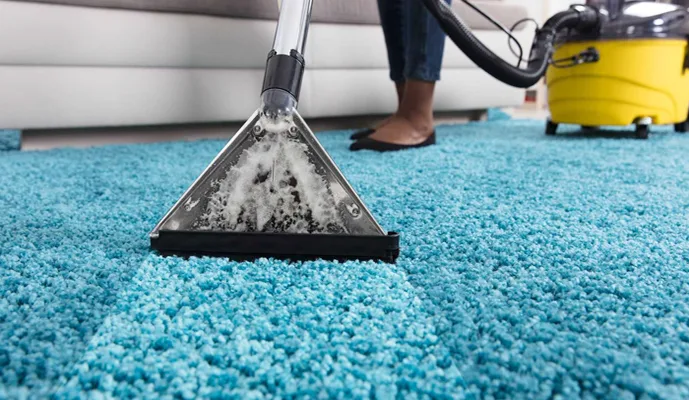
Image source: Bing (Web (fair-use with source credit))
Quick Answer: Yes, But Only If It’s a Wet-Rated Shop Vac
Yes, a wet-rated shop vacuum can pick up water from carpet. Dry-only vacuums cannot. Check the tank label for “wet/dry” before you start.
Install a foam wet filter and remove paper filter bags. Use slow passes across the carpet so the suction pulls water out.
How a Shop Vac Picks Up Water Without Ruining the Motor
Inside every wet-rated shop vac, the motor sits on top of the tank. The hose pulls water in through the side or top, and gravity keeps it in the tank. A float valve rises as the water level climbs.
When that float reaches the top, it seals off the airflow path before water can hit the motor. That’s the automatic float shut-off. It’s the one safety mechanism that separates a wet vac from a dry-only machine.
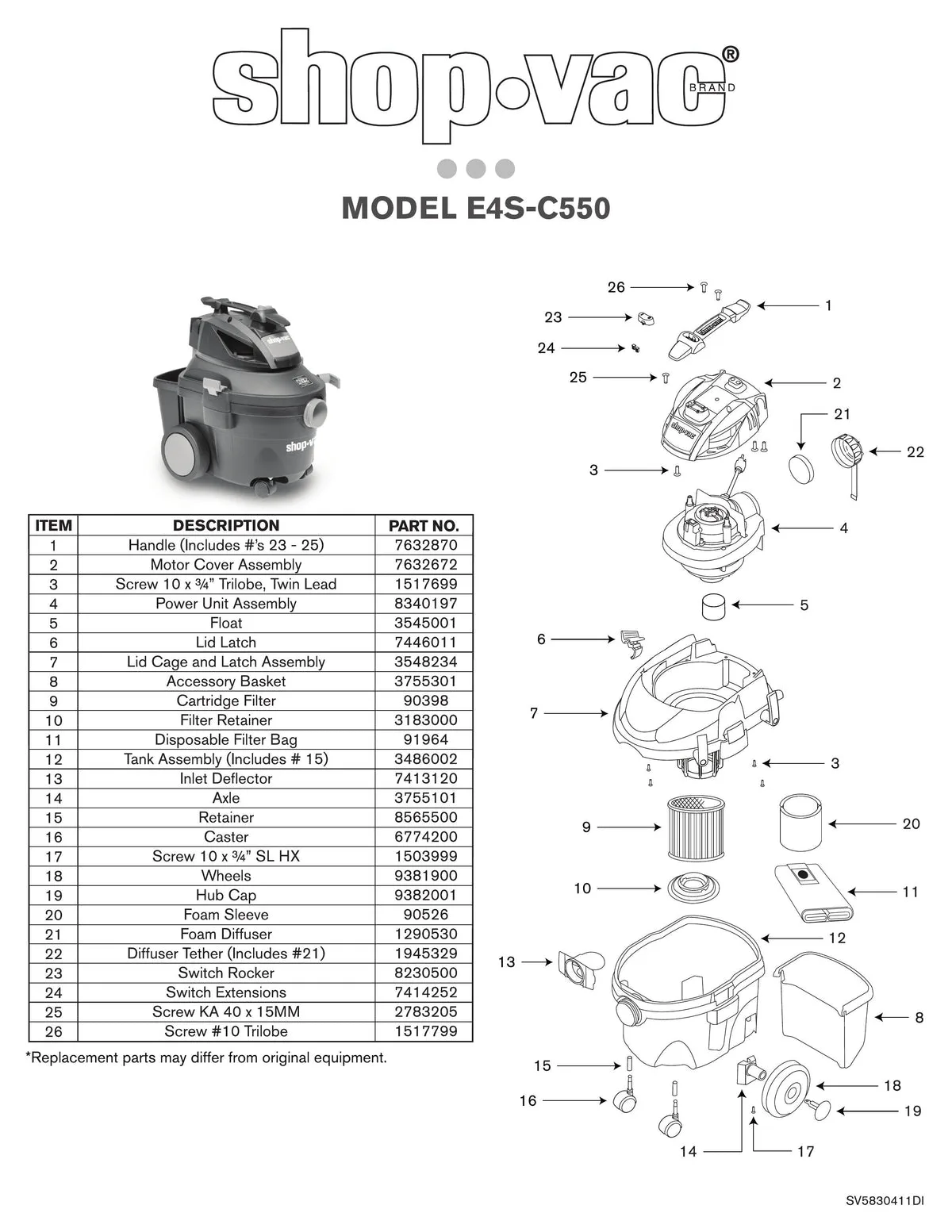
Image source: Web (Bing) / shopvac.com (Web image (fair-use with source credit))
The filter is the second half of the story. A dry-only cartridge filter is made of pleated paper or fabric. When water hits it, the fibers swell and the pores clog.
Suction dies almost instantly, and the motor runs hotter trying to pull air through a wet plug. A foam wet filter works differently. It’s a dense open-pore sleeve that lets water pass while catching debris.
Most models let you pop the dry filter out and slide the foam sleeve on in under a minute.
There’s also a cooling path to consider. Wet-rated machines route air over the motor through a separate chamber. That airflow cools the motor while keeping moisture away.
If airflow gets blocked, performance drops quickly. Pool owners run into the same issue when a hose collapses under suction. The fix is knowing where the blockage sits, and the same troubleshooting logic applies to a clogged shop vac filter.
| Part | Role | What can go wrong |
|---|---|---|
| Motor | Creates suction | Water reaches it if the float fails |
| Float shut-off | Blocks airflow when the tank is full | Sticks open or closed |
| Foam wet filter | Lets water pass, traps debris | Missing or clogged with fine dust |
| Tank | Holds the water | Left dirty, it grows mold and smells |
Check These 3 Things Before Vacuuming Water From Carpet
Before you touch a single fiber, confirm three things. If any one of them fails, you’re either risking your equipment or making the mess worse. These checks take about two minutes.
Aggregate reviews indicate that most shop vac failures come from skipping them.
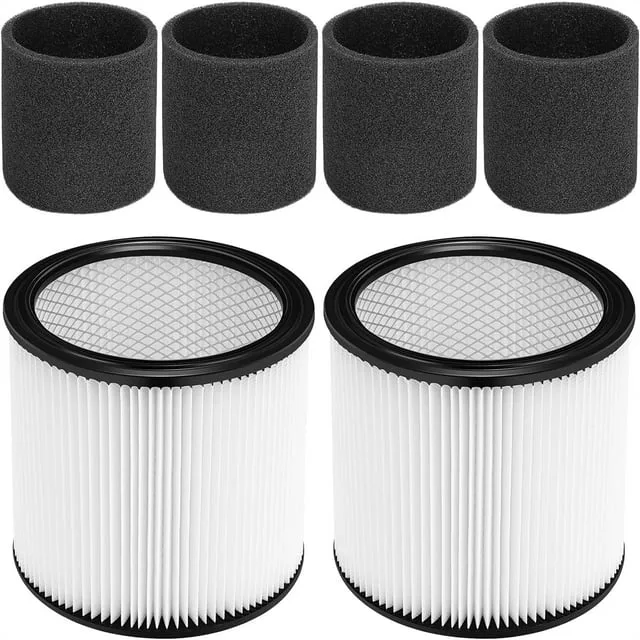
Image source: Web (Bing) / walmart.com (Web image (fair-use with source credit))
1. Wet/dry rating on the tank label. Look for “Wet/Dry” or a water pickup symbol. Some models have it printed on the body right next to the power switch.
If you only see “HEPA” or “Dry Only,” stop here. Don’t test it with a damp rag and see what happens. The motor will notice, right up until it stops working.
2. Filter setup. The dry cartridge filter has to come off. So does any disposable filter bag.
A foam wet filter goes on in its place. Without it, dust and debris can pass straight through and recirculate into the room. Worse, the dry filter turns into a soggy plug that kills suction instantly.
3. Float shut-off condition. Tilt the tank and listen for a rattle. The float should move freely.
If it’s stuck in the down position, the tank will fill and water will run into the motor. If it’s stuck up, suction will cut off too early and you’ll think the machine is broken. Clean the float area occasionally, especially if you’ve used soapy water.
| Check | What to look for | What it means |
|---|---|---|
| Wet/dry rating label | “Wet/Dry” printed on tank or manual | Safe for liquid pickup |
| Dry filter removed | Pleated paper filter is out | Prevents clogging on wet jobs |
| Foam wet filter installed | Foam sleeve sits over the internal cage | Water and small debris pass through |
| Float moves freely | Rattles when the tank is tilted | The tank will shut off before overflow |
This kind of checking is routine maintenance. The same owners who keep a pool cleaner’s filter free of debris tend to have fewer mid-job failures.
Wet Carpet vs. Just Wet Surface: Why the Carpet Pad Changes Everything
Start with a simple test. Press a clean white towel onto the carpet. If it comes up dry, you’re dealing with surface moisture.
If it comes up damp, the padding underneath is already wet. From here, everything depends on how long the water has been sitting.
A light spill is what shop vacs handle beautifully. A cup of water, a pet accident, or a melted ice bucket gets pulled out in a few passes. The water is sitting on the nap of the carpet, and suction can lift it before it reaches the pad.
Even a budget wet-rated shop vac can do this.
A saturated pad is a different problem. Carpet padding is thick, absorbent foam that holds water like a sponge. The top fibers dry fast, which hides the problem.
Then moisture wicks upward as the room warms up, and the carpet looks wet again hours later. The pad also sits against wood or concrete. If the subfloor gets wet, you can add rot or mold to the list.
Standard restoration guidance sets a hard deadline. IICRC water damage standards recommend drying wet materials within 24 to 48 hours. The EPA notes that mold can begin growing on damp surfaces in that same window.
That’s not an exact cutoff, but it explains why you can’t just make it look dry and move on.
If the pad is soaked, a shop vac alone may not be enough. You need extraction, airflow, and dehumidification. The same principle is why even coverage beats spot treatment for so many cleaning jobs.
In this case, think of the shop vac as the first pass, not the finish line.
| Situation | What to use | What comes next |
|---|---|---|
| Surface spill, less than 10 minutes old | Wet-rated shop vac | Let the carpet air dry |
| Soaked carpet, wet pad under 24 hours | Shop vac first, then fans and dehumidifier | Try to dry within 24 to 48 hours |
| Pad wet for more than 48 hours | Consider lifting the carpet or calling a pro | Inspect the pad and subfloor for mold |
Step-by-Step: How to Vacuum Water Out of Carpet the Right Way
Follow these steps in order, and you’ll pull more water out in less time. Don’t rush the passes. The speed of the vacuum matters more than the suction.
1. Unplug the vacuum and move furniture. Carpet needs air to dry. Heavy furniture can trap moisture underneath and cause staining along the edges.
2. Clear obvious debris. Pick up solid items, pet hair clumps, and anything that could block the hose. A clogged hose stops water pickup completely.
3. Remove the dry filter and any filter bag. Install the foam wet filter. This isn’t a “probably should” step.
It’s the only thing separating the motor from moisture.
4. Choose the right floor attachment. A flat squeegee nozzle works best for short carpets. A wide floor nozzle handles plush carpet.
Avoid anything with a spinning brush.
5. Plug into a GFCI-protected outlet. If the room outlet isn’t GFCI-protected, use a GFCI extension cord. This protects you if water sneaks into the power head.
6. Work slowly from the outer edge inward. Fast passes just skim the surface. Slow passes give the vacuum time to pull water from the pad up through the fibers.
7. Overlap each pass. Two slow passes over the same strip matter more than four fast ones. You’ll see the water line in the nozzle when you hit it right.
8. Empty the tank before the float engages. If you hear the suction pitch change, stop and unplug. Drain the tank and check the filter for debris.
Suds in the tank mean you should empty it immediately.
9. Dry with fans and a dehumidifier. Aim for airflow over the entire area, not just one spot. Open windows if the outside air is dry.
For attachments, here’s the quick version.
| Attachment | Best for | Avoid for |
|---|---|---|
| Squeegee nozzle | Short nap carpet, hard floors | Thick high-pile carpet |
| Wide floor nozzle | Plush carpet, medium pile | Tight corners |
| Crevice tool | Edges and baseboards | Large open areas |
| Power brush or turbo head | Dry vacuuming only | Any liquid pickup |
If suction drops suddenly, check the float and the filter first. A blocked intake kills performance long before the motor fails. Clear the path, dry the filter, and start over.
Which Attachment Works Best for Water on Carpet?
For water pickup, go flat and wide. A squeegee nozzle presses carpet fibers down and lifts water from the base. A wide floor nozzle works better on plush carpets.
Avoid spinning brushes. They churn water deeper into the pad.
Mistakes That Ruin Shop Vacs or Leave Carpet Wet and Moldy
The most common mistake is leaving the dry filter in place. It clogs fast and kills suction. Moving too quickly is the second one.
Slow passes are what actually pull water out. Empty the tank before the float trips, and skip soap in the tank. Suds confuse the float and cause false shut-offs.
Never vacuum standing water that's been sitting for days. Your shop vac will pull it up, but bacteria are already growing in the pad. That's a sanitation problem, not a vacuum problem.
When to Stop: Signs the Carpet Padding Is Too Saturated for a Shop Vac
If a paper towel pressed against the carpet comes up damp after several passes, the pad is saturated. A musty smell within a few hours points to bacteria. Dark lines along seams mean water is wicking through the backing.
If water has sat for over 48 hours, stop vacuuming and call a pro. Lift a corner and squeeze the padding. If it tears easily, it needs replacement.
Shop Vac vs. Carpet Extractor vs. Towels: What Should You Actually Use?
A shop vac is for emergency water removal. It doesn't clean or sanitize. A carpet extractor injects hot water and solution, then vacuums it back up.
That's the professional standard. Towels only work for very small surface spills. For the first 20 minutes after a leak, the shop vac is the right tool.
How Long Does It Take to Dry a Carpet After Shop Vacuuming?
The surface feels dry quickly, but the pad takes 12 to 24 hours. Point fans across the carpet, not straight down. Use a dehumidifier if the room is humid.
Press your knee into the carpet to check for lingering dampness. If it's still wet after 48 hours, the pad needs to be lifted or replaced.
Aftercare: Cleaning and Drying Your Shop Vac So It Doesn't Stink
Empty the tank after every wet job and rinse it with mild dish soap. Wipe the inside dry with a towel. Rinse the foam filter until the water runs clear, then air dry it fully.
Store the tank with the lid slightly open to prevent mold growth.
Safety Warnings for Vacuuming Water Around Electrical Outlets
Use a GFCI-protected outlet before starting any wet pickup. Unplug everything near the water. Wear rubber boots if there's standing water.
Never vacuum sewage or flood water with a shop vac. That's a biohazard, and the machine is unsalvageable afterward.
FAQs: Can a Regular Vacuum Pick Up Water? Do I Need a Special Filter?
Can a regular vacuum pick up water?
No. Dry-only vacuums aren't sealed for liquids. Water reaches the motor, shorts wiring, and can cause an electric shock.
Never try it, even on damp carpet.
Does vacuuming water ruin a shop vac motor?
Only if you skip the safety steps. A wet-rated motor with a foam filter and a working float handles water safely. A dry filter clogs airflow, and an overfilled tank lets moisture reach the motor.
Do I need a foam filter for water pickup?
Yes. The foam wet filter keeps debris and water out of the motor housing. Most shop vacs include one.
Can I use a shop vac to dry carpet after shampooing?
Yes. Run the squeegee nozzle slowly over the cleaned carpet to pull out excess water. It cuts drying time significantly.
Empty the tank often.
Verdict: Should You Use a Shop Vac on Wet Carpet or Call a Pro?
Use a shop vac only for fresh spills. If the pad is soaked, water has sat for over 48 hours, or the source is sewage or flood water, call a pro. Restoration contractors have extractors, drying mats, and moisture meters.
Shop vac for the first hour, professionals for everything after that.

