

Can wet/dry vacuums clean car carpets? Yes, if you use the right mode, the right filter, and the right attachments for the mess. That simple answer hides a bigger truth.
A wet/dry vacuum is not a carpet extractor. It can lift dirt and water, but it won't scrub deep-set stains on its own.
In our research, the exact workflow depends on what is sitting in the carpet. Dry sand, liquid spills, and set-in stains each need a different approach. Manufacturer specifications indicate that a typical 5-gallon shop vac generates 50 to 90 inches of water lift.
That is enough for routine car interior duty, as long as you match the pickup mode to the mess.
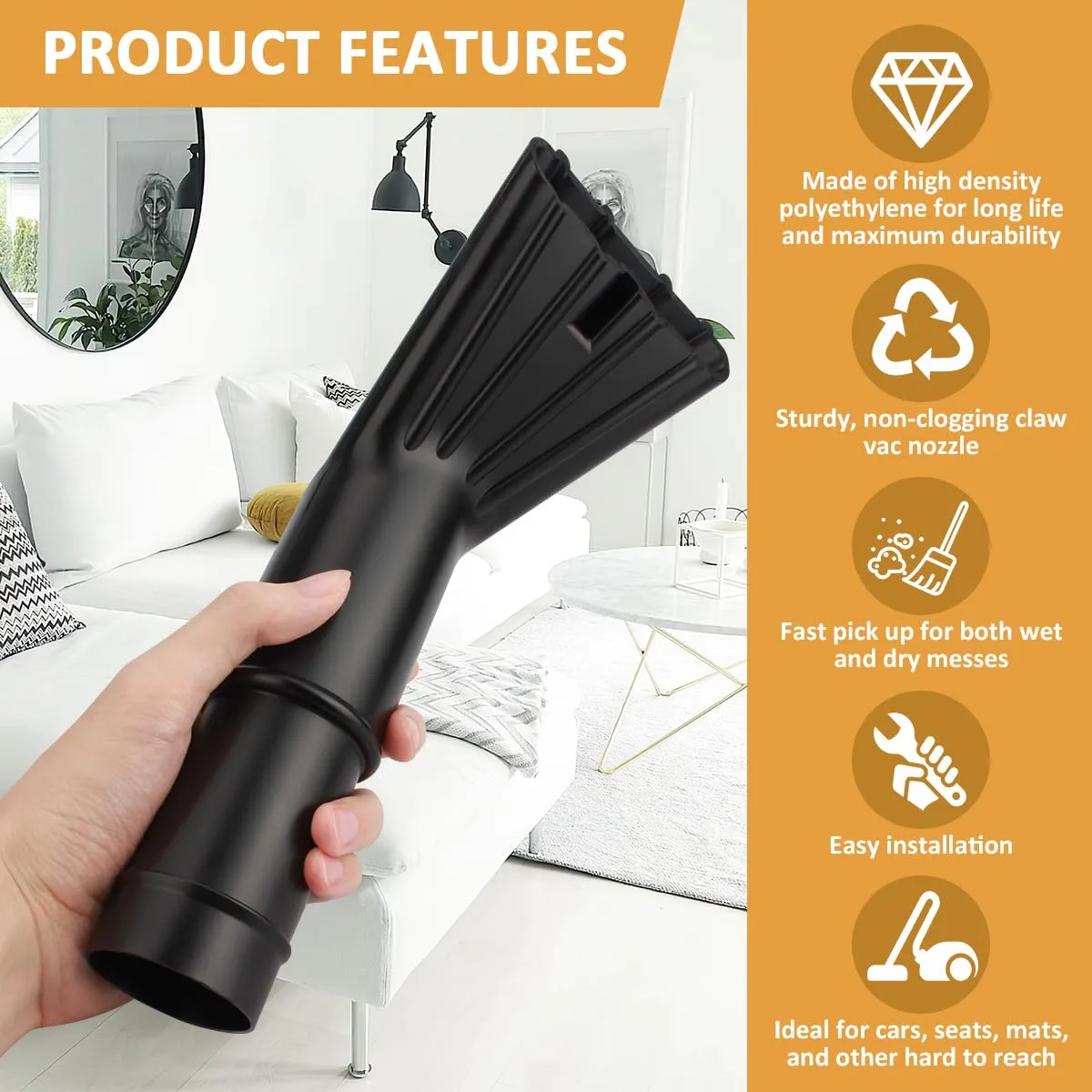
Image source: Web (Bing) / snapklik.com (Web image (fair-use with source credit))
The Quick Answer: Yes, But It Depends on What You're Cleaning
Yes, wet/dry vacuums can clean car carpets. They handle loose dirt and wet spills well. They do not scrub or extract like a dedicated carpet cleaner.
Use the correct filter and attachments for the job. That's the whole secret.
How Wet/Dry Vacuums Work on Car Carpets
Wet/dry vacuums are really two machines in one. Air travels through a hose, pulls material into a tank, then passes through a filter before hitting the motor. The filter changes based on what you're picking up.
Dry use needs a pleated cartridge filter. Wet use needs a foam sleeve filter that blocks moisture from reaching the motor.
The tank is the recovery container. That is why you can vacuum up a spilled soda without destroying the machine. The liquid sits in the tank, and the foam sleeve keeps water from moving where it shouldn't.
If you attempt wet pickup with the dry filter installed, the filter soaks through, airflow drops, and the motor can suffer serious damage. Most consumer models also include an automatic float valve that stops suction when the tank is full.
| Mode | Filter needed | Best for |
|---|---|---|
| Dry | Pleated cartridge filter | Sand, dust, crumbs, pet hair |
| Wet | Foam sleeve filter | Water, coffee, mud, car carpet extraction |
The suction strength matters too. As of 2026, consumer wet/dry vacuums typically range from 6 to 12 amps, with water-lift ratings around 50 to 90 inches. Those figures are a useful baseline.
The exact numbers matter less than using the right mode and moving the nozzle slowly.
What You're Actually Cleaning: Three Different Scenarios
What you're vacuuming matters more than the machine. Car carpet fibers are usually nylon, polyester, or olefin. They all handle routine vacuuming well.
Per The Carpet and Rug Institute's care guidelines, the fastest way to avoid fiber damage is to vacuum regularly and deal with spills quickly.
Dry Loose Dirt and Sand
Sand and grit settle deep into carpet pile. That makes them the most common car carpet enemy. Run the vacuum in dry mode with a brush attachment.
The bristles loosen the dirt so suction can pull it out. Work the carpet against its natural grain, and go slowly. Remove the floor mats and vacuum beneath them first.
Liquid Spills and Water
Wet carpet needs wet mode, and that means a filter swap. Replace the cartridge filter with a foam sleeve filter before touching water. Move the nozzle slowly over the damp area, working from the edges toward the center.
This keeps the wet zone small and pulls moisture out instead of spreading it. Always plug into a GFCI-protected outlet when handling water.
Embedded Stains and Days-Old Grime
Old stains change the math. A wet/dry vacuum alone will not remove a stain that has dried into the fibers. You need a carpet detergent, a stiff brush, and a rinse step.
The vacuum's job is to pull the dirty cleaning solution out afterward. That process is the next decision branch.
Decision Branch 1: Dry Debris Only (Suction, Brushes, and Attachments)
If the carpet is dry and the problem is dust, sand, food crumbs, or pet hair, stay in dry mode. Install the pleated cartridge filter and make sure the tank is empty. Use a combination brush nozzle for the open carpet.
Switch to the crevice tool for seat rails, center console edges, and other tight spaces.
Start with the floor mats. Pull them out, hit them with the brush nozzle, then vacuum the bare carpet underneath. On the carpets themselves, make several slow passes.
Quick strokes only skim the surface. Aggregate reviews of wet/dry vacuum use consistently show that slow passes remove significantly more grit from the pile.
If you're dealing with dried mud, wait until it fully hardens. Break it up with a stiff brush or your fingers, then vacuum the loose pieces. That prevents the mud from smearing deeper into the fibers.
Decision Branch 2: Wet Spills, Wet Pickup Mode, and Safe Extraction
If the carpet is damp or soaked, switch to wet mode before you pull the trigger. Remove the cartridge filter, then install the foam sleeve filter made for wet pickup. This is the step most people skip.
It is also the one that causes the most damage. Without the foam sleeve, water can reach the motor and ruin the machine.
Plug the vacuum into a GFCI-protected outlet. Start at the outside edge of the spill and work inward. Use the squeegee nozzle for smooth, even fluid pickup.
Move it slowly so the suction has time to lift the water from the carpet padding. Empty the tank once it reaches halfway. The float valve will stop suction to protect the motor, but regular emptying keeps airflow strong.
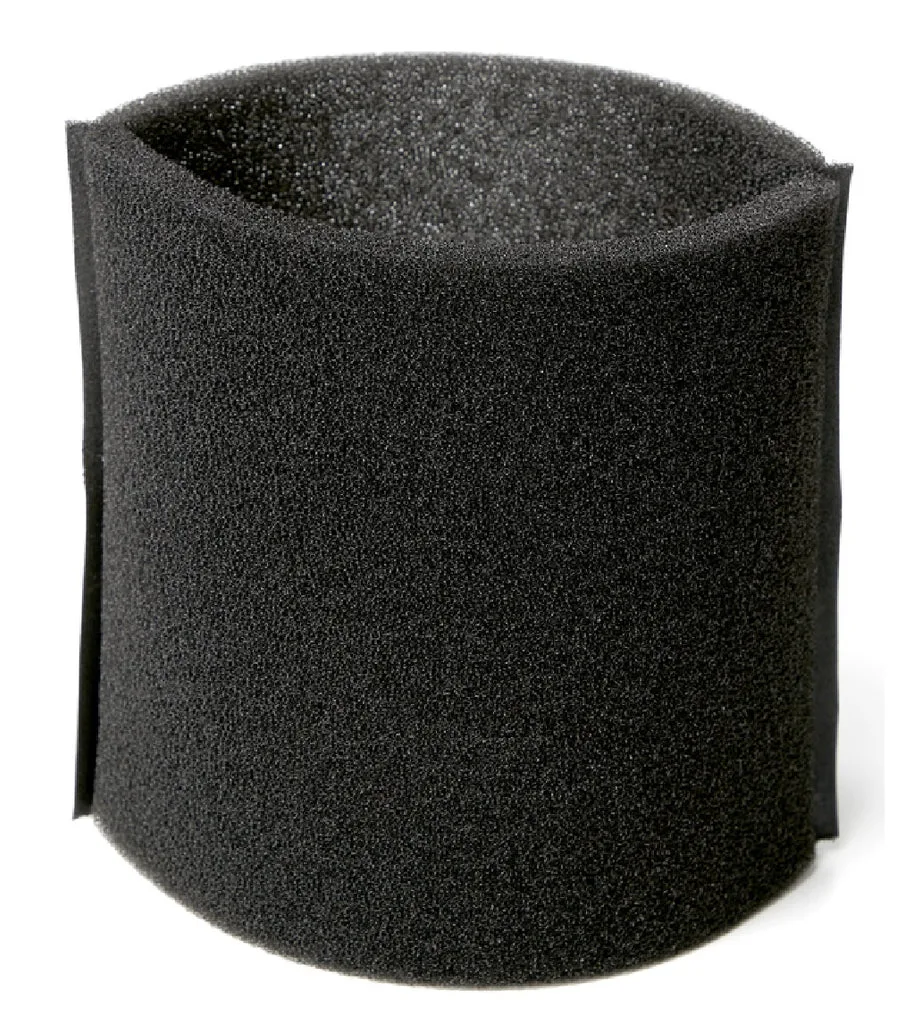
Image source: Bing (Web (fair-use with source credit))
If the carpet is only lightly damp, one or two passes may be enough. For a soaked carpet, expect to rinse and extract multiple times. Turn off the unit, empty the tank, then keep going.
Do not try to suck up more fluid when the tank is near full.
Decision Branch 3: Deep Carpet Cleaning (When a Wet/Dry Vac Needs Backup)
For old stains, mold growth, or heavy odor, the wet/dry vacuum alone stops being the star. It still plays a vital backup role, but you need extra tools to finish the job properly.
The process is called extraction cleaning. You spray a cleaning solution onto the carpet, scrub the fibers with a stiff brush, then rinse with clean water. The wet/dry vacuum's job is to pull all that dirty liquid back out of the padding beneath.
If you skip the scrub step, the detergent just sits on top. The vacuum only removes what the brush loosens.
The Three-Extraction Method
You'll repeat the cycle three times for a truly deep clean. First, apply the pre-treatment solution and brush for 2 to 3 minutes. Second, rinse with clean water using a spray bottle.
Third, extract with the squeegee nozzle until the carpet feels only slightly damp. Between each pass, empty the tank and check the foam sleeve filter for clogs.
When Carpets Need Professional Help
If you follow the full extraction cycle and the stain still won't lift, stop. Further soaking will push the stain deeper into the padding. At that point, a professional detailer using hot water extraction equipment is the smarter call.
Same if you smell mildew after cleaning. That odor means moisture has settled into the foam padding below the carpet. A wet/dry vacuum alone cannot fix that level of contamination.
What a Wet/Dry Vac Can't Do (And When to Use a Carpet Extractor Instead)
A wet/dry vacuum is a great tool, but it has a clear ceiling. It cannot heat water. It cannot scrub fibers mechanically.
And it cannot control the ratio of cleaning solution to rinse water. Dedicated carpet extractors are built for all three.
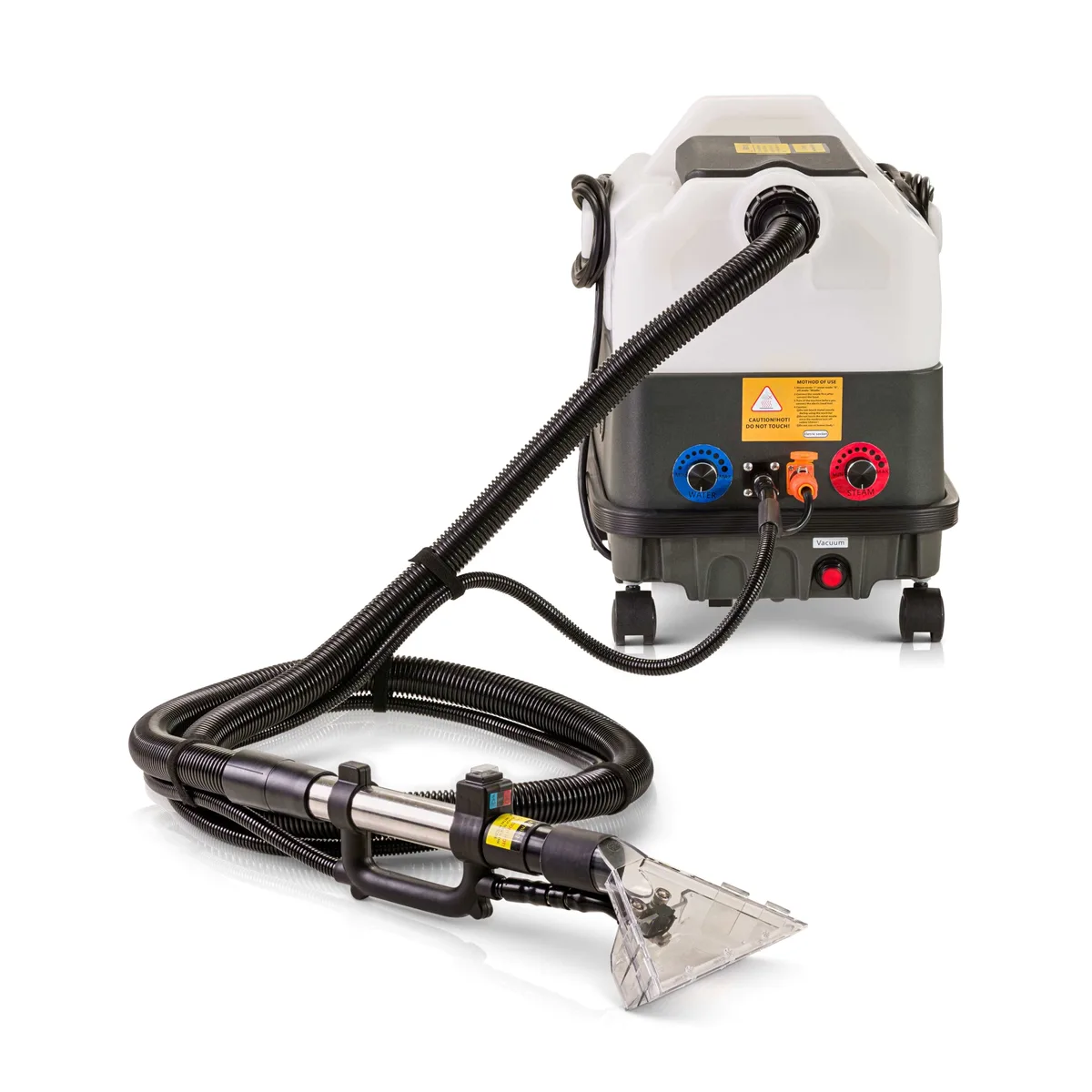
Image source: Web (Bing) / proluxcleaners.com (Web image (fair-use with source credit))
Carpet extractors spray a pressurized mix of hot water and detergent directly into the carpet, then immediately vacuum it back. Usually they have a rotating brush head that digs into the fibers. That combination works much better on heavy soil.
Wet/dry vacuums rely on your own brushing effort.
Who Needs a Dedicated Extractor?
Frequent rideshare drivers, dog owners, and families with kids are the clear candidates. If you're cleaning car carpets several times a month, an extractor pays for itself. For everyone else, a wet/dry vacuum plus a hand brush and a spray bottle handles the vast majority of situations.
That said, the gap is smaller than most people expect. A wet/dry vacuum with a squeegee nozzle handles roughly 90 percent of what a typical car interior will throw at it. An extractor only becomes necessary when carpets are saturated with heavy soil or you clean multiple vehicles every week.
Step-by-Step: How to Clean Car Carpets with a Wet/Dry Vac
Cleaning car carpet with a wet/dry vacuum follows a clear sequence. Follow the steps in order for the best results.
- Remove the floor mats and vacuum them separately with a brush nozzle.
- Dry vacuum the entire carpet surface and the edges with a crevice tool.
- Pre-treat stains with an automotive carpet shampoo diluted per label instructions.
- Agitate the carpet with a stiff brush for 2 to 3 minutes.
- Rinse the area with clean water from a spray bottle.
- Swap the cartridge filter for a foam sleeve filter.
- Extract the dirty water with a squeegee nozzle.
- Move slowly so the vacuum pulls moisture from the padding.
- Repeat the pre-treat and extraction cycle on stubborn stains.
- Leave windows open or use a fan to dry the carpet completely.
For lightly soiled interiors, skip steps 3 through 5. Just dry vacuum, then protect the carpet with all-weather floor mats. That is the quickest routine and keeps the fibers from getting oversaturated.
If the vacuum loses suction mid-job, check the hose and the tank seals first. It's the same starting point you'd use when troubleshooting a vacuum that keeps losing suction.
Mistakes to Avoid: Over-Soaking, Detergent Residue, and Mold Risks
The surest way to ruin a car carpet is to soak it and leave it damp. Carpet padding acts like a sponge. Excess water sits there for days, and mold develops fast.
Another common mistake is using a dry cartridge filter on a wet pickup. It clogs instantly, and you risk damaging the motor. Verify you've swapped the filter before touching the water.
Detergent residue is also a problem. If you don't extract thoroughly, the soap leaves a sticky film that attracts new dirt. When in doubt, do one more clean-water rinse.
A blocked nozzle acts just like a clogged pickup head. Check the opening before you blame the motor.
Specs and Attachments That Matter for Car Use
The right specs make a real difference. A tank between 3 and 6 gallons is plenty for car interior work. Smaller tanks need constant emptying, larger tanks are cumbersome in tight garages.
| Spec | Best range for car carpets | Why it matters |
|---|---|---|
| Tank capacity | 3 to 6 gallons | Enough for a full interior without constant emptying |
| Motor power | 6 to 12 amps | Handles wet pickup and heavy debris |
| Water lift | 50 to 90 inches | Stronger suction pulls moisture from padding |
| Hose diameter | 1.25 to 2.5 inches | Wider hoses move more air and liquid |
| Attachments | Crevice, squeegee, brush nozzle | Covers edges, extraction, and dry dirt agitation |
Drying Your Carpets the Right Way
Drying is the final step, but most people rush it. After wet extraction, carpet can take 4 to 12 hours to dry fully.
Park the car in the sun and leave the windows cracked. A small fan pointed at the floor speeds things up. Check the carpet with a clean, dry paper towel after a few hours.
If moisture transfers to the towel, it needs more time.
Do not put the floor mats back until both the carpet and mats are completely dry. For fabric mats, allow 24 to 48 hours.
Maintenance: Cleaning the Vacuum After Car Carpet Duty
A wet/dry vacuum only works well if it's maintained after each use. When you're done, empty the tank and rinse it with clean water. Leave the tank open and upside down so it dries fully.
Clean the foam sleeve filter with warm soapy water. Rinse it until the water runs clear, then let it air dry. Check the hose for stuck debris and flush it if needed.
The same filter upkeep routine applies whether you're maintaining a wet/dry vac or arobotic pool vacuum's filter.
Staying consistent with routine maintenance principles keeps the machine running smoothly. A clogged filter kills airflow and strains the motor over time.
Final Verdict: Is a Wet/Dry Vac Worth It for Your Car?
For most people, yes. A wet/dry vacuum is a versatile tool that handles everyday car carpet messes. It is far cheaper than a dedicated carpet extractor and covers far more than one use case.
The biggest factor is matching your approach to the situation. Use dry mode for sand and crumbs. Use wet mode with a foam sleeve filter for spills.
Add a brush and extraction for deep cleaning. That workflow covers the overwhelming majority of car interiors without professional help.
If you're detailing cars for a living, invest in an extractor. For everyone else, the wet/dry vacuum is the smarter buy. That decision mirrors the same cost-benefit analysis you'd run when deciding if automated pool cleaners are a smart investment.
Frequently Asked Questions
Can a wet/dry vacuum damage car carpet?
No, if you use the right filter and avoid oversoaking. Too much water can saturate the padding and lead to mold. Keep extractions slow and thorough.
Do I need to remove floor mats before vacuuming?
Yes. Mats trap the majority of dirt. Vacuum both sides, clean them separately, and let them dry before reinstalling.
What nozzle is best for car carpets?
The squeegee nozzle is best for wet extraction. A brush nozzle works better for dry dirt. The crevice tool handles seat rails and tight edges.
Does a wet/dry vacuum work on pet hair?
Yes, in dry mode. Use a brush nozzle to loosen the hair from the carpet fibers. Then vacuum slowly so the suction pulls the hair into the tank.
How long does car carpet take to dry after wet vacuuming?
Plan on 4 to 12 hours. Sun, airflow, and low humidity all speed things up. Check with a dry paper towel before reinstalling mats.

