

Can wet/dry vacuums remove pet urine? Yes, they absolutely can, but only if you understand what the vacuum is actually doing. That sounds like a hedge, so let's get specific.
A wet/dry vacuum is built for exactly this job: pulling liquid out of surfaces and storing it in a tank. It's the removal tool, not the cleaning tool.
Manufacturer specifications indicate most corded wet/dry vacuums move between 70 and 200 CFM (cubic feet per minute) of air. That airflow, combined with a wet-rated foam filter, provides enough suction to lift urine out of carpet and cushion. But the real trick is what you do after the liquid disappears.
Let's walk through what works, what doesn't, and the order of operations that actually kills the smell.
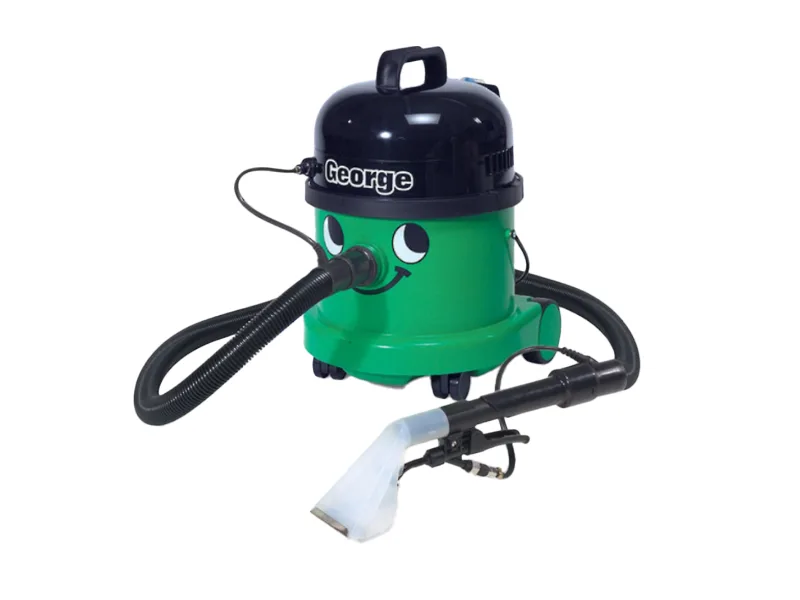
Image source: Bing (Web (fair-use with source credit))
The Quick Answer: Yes, But Only Half the Job
Can wet/dry vacuums remove pet urine? Yes, but extracting the liquid is only step one.
A wet/dry vacuum does not neutralize odor.
Urine crystals stay behind once the liquid dries.
An enzyme cleaner is required to break them down.
So the short answer: yes, with one important follow-up.
How Wet/Dry Vacuums Actually Handle Pet Urine
Here's what happens when you switch to wet pickup. The motor spins a fan and creates negative pressure. That pressure pulls air toward the hose, and liquid gets dragged along with it.
The urine lands in the tank. A float valve rises as the tank fills and stops the motor from sucking water into itself. The air passes through a wet-rated filter and exits through the vents.
Per UL 1017, the safety standard for household vacuums from Underwriters Laboratories, wet/dry vacuums are expected to handle liquid without creating an electrical hazard. That's why the wet-rated filter isn't optional. It keeps moisture away from the motor.
Use a dry-only filter and it becomes saturated. That kills airflow and can burn out the unit.
But there's a second part that gets glossed over. Urine is not just water. It contains urea, uric acid, and proteins.
Suction removes the liquid, but those compounds cling to fibers and padding. Once they dry, bacteria break them down and release ammonia. That's the smell that hits you when you walk into the room.
The vacuum physically removes the urine. An enzyme cleaner chemically removes what's left.
In our research, the most reliable results came from pairing a wet/dry vacuum with a proper enzymatic pet cleaner. The vacuum stops the fluid from soaking deeper into the carpet. The enzyme breaks down the uric acid so it washes away.
One without the other leaves you with a carpet that looks dry but still smells like urine at 3 AM.
That's why no wet/dry vacuum manufacturer claims odor removal on its own. As of 2026, they advertise suction, airflow, and tank capacity. You bring the chemistry.
If the hose gets kinked, or the nozzle clogs with pet hair, airflow drops fast. That's the same failure mode you see when a pool vacuum hose collapses while cleaning: less air, less pickup.
The Two Big Variables: Surface Type and Urine Freshness
The answer changes based on two things: where the urine landed, and how long it's been there. Those two variables decide whether you need the vacuum at all.
Fresh urine versus dried urine. Fresh urine is still liquid. It sits on the surface of the fibers and pulls out easily with a few passes of the vacuum. Dried urine has already evaporated.
The water is gone, and uric acid crystals are left behind in the material. A vacuum cannot pick up crystals that are chemically bonded to fibers. You have to re-wet the area with an enzyme cleaner, then extract it.
Surface type determines absorbency. Non-porous surfaces like tile and vinyl don't soak urine in. A mop and pet-safe disinfectant handle that job faster than a wet/dry vacuum. Porous surfaces like carpet, padding, upholstery, and raw concrete absorb urine quickly.
That's where the vacuum earns its keep.
| Surface | Wet/dry vacuum useful? | Best approach |
|---|---|---|
| Carpet and padding | Yes | Vacuum the puddle, apply enzyme, extract |
| Hardwood and laminate | Careful | Blot only, use a damp cloth, keep water minimal |
| Tile, vinyl, linoleum | Rarely | Mop with disinfectant |
| Concrete and garage floors | Yes | Vacuum the puddle, then treat with enzyme or degreaser |
| Car upholstery | Yes | Use a crevice tool or upholstery nozzle, avoid electronics |
For hardwood, don't wet-vac the area. The suction can force water into the seams and cause boards to swell. Instead, blot until dry and treat with a wood-safe cleaner.
If urine soaked through carpet into the padding, the vacuum can pull the liquid out, but heavily saturated padding may need to be replaced. That's a separate decision.
Before You Start: Check Your Vacuum Is Wet-Ready
Not every wet/dry vacuum is ready for liquid. Most are, but only if you set them up correctly. Skip this step, and you'll be dealing with a burned-out motor.
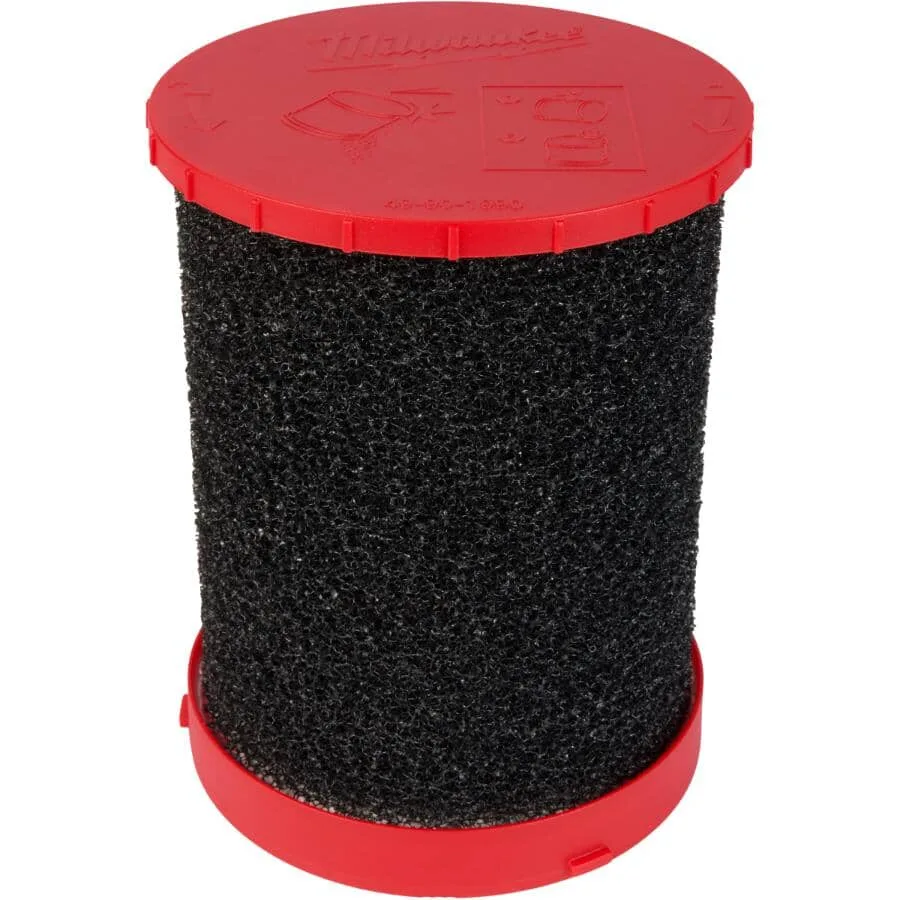
Image source: Web (Bing) / homehardware.ca (Web image (fair-use with source credit))
- Remove the paper bag or dry-use cartridge filter. These aren't meant for water.
- Install a foam sleeve or washable wet-use filter. It's non-negotiable.
- Confirm the float valve moves freely. It stops liquid from reaching the motor.
- Clear the hose and nozzle of pet hair and debris.
- Use the wide floor nozzle for carpets, the squeegee for hard floors, and the crevice tool for edges and car seams.
Which filter do I need?
Most homeowner models come with a foam filter in the box. Some include a cloth bag rated for wet pickup. Check the manual.
The filter decides whether the vacuum works or dies trying.
If you're already used to keeping a robotic pool vacuum's filter clean, the same routine applies: rinse, dry, inspect. A clogged filter kills suction just the same, whether it's in a pool cleaner or a wet/dry vacuum.
Also, if you're running a cordless model, plan for shorter sessions. Wet load drags more power from the battery, so charge it fully before you start.
Step-by-Step: Removing Fresh Pet Urine
Fresh urine is the easy case. Move fast and do it in this order.
- Blot, don't scrub. Press dry towels onto the puddle until they stop absorbing. Scrubbing pushes the urine deeper into the fibers.
- Apply an enzyme cleaner. Cover the spot with enough solution to re-wet it. Let it dwell for the time on the label, usually 10 to 15 minutes.
- Switch the vacuum to wet pickup. Make sure the wet-rated filter is in place and the float valve is free.
- Work the spot in slow, overlapping passes. Hold the nozzle flat against the carpet. Move about one foot per second.
- Rinse with cool water. Then vacuum again. The rinse pulls out the enzyme, another layer of dissolved residue, and anything the first pass missed.
- Dry the area thoroughly. Use a fan, the vacuum's blower function, or just open a window. Fast drying prevents mildew and stops bacteria from reactivating.
One warning: don't use hot water. Heat can coagulate proteins and bond the urine to carpet fibers. Cool water works best.
If suction drops mid-pass, stop and check the hose. A blockage or a full tank is usually responsible. That's the same reason a pool vacuum stops moving properly when something blocks the flow.
On tile or vinyl, skip the vacuum entirely. Mop with a pet-safe disinfectant. On car upholstery, use the crevice tool and keep the nozzle away from seat seams where electrical connectors hide.
On concrete, use the squeegee attachment to keep the urine from spreading into a wider stain.
And if the stain is already dried, don't follow these steps. That requires a separate workflow with more dwell time and a few extra passes.
How to Deal with Dried Urine and Lingering Odors
Dried urine changes the game. The liquid is gone, which means suction alone does almost nothing. Uric acid crystals have bonded to the fibers.
The only way to remove them is to dissolve them first, then extract.
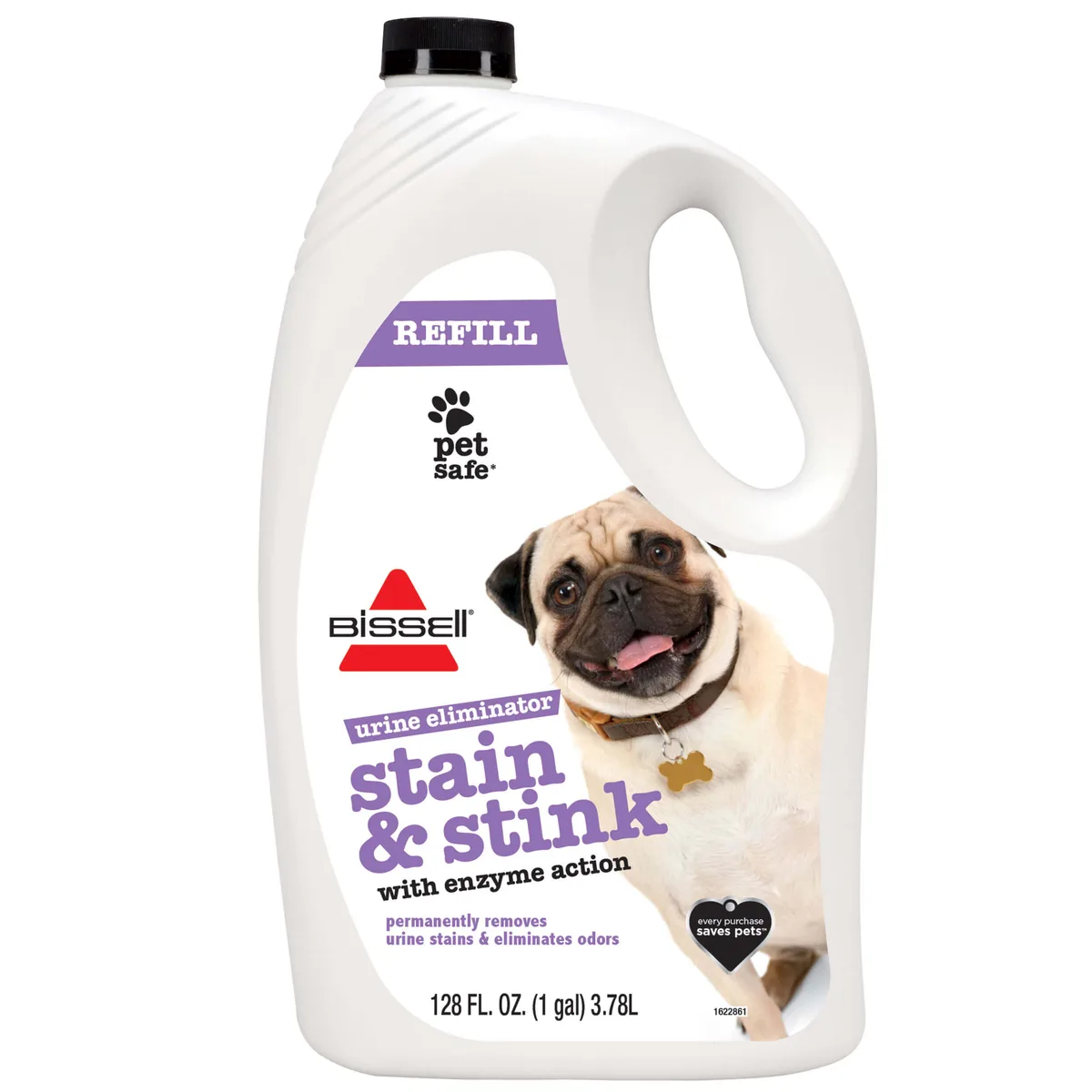
Image source: Web (Bing) / canoeracing.org.uk (Web image (fair-use with source credit))
Start by re-wetting the spot with an enzyme-based pet cleaner. Soak it thoroughly, then let it dwell. Most labels ask for 10 to 15 minutes.
Some stubborn stains need a second application and an overnight soak.
After the dwell time, the uric acid is broken down into components that water can carry. That's when the wet/dry vacuum earns its keep. Run the nozzle over the area in slow passes, pulling out the enzyme cleaner and dissolved residue together.
Rinse with cool water and extract again.
A UV black light helps find spots you missed. Urine glows under UV light, even after it looks clean. Mark the edges with chalk so you treat the full stain, not just the center.
Why does the smell come back?
Because the stain was never fully dissolved. If bacteria survived, they reactivate once the area gets humid. That's the "phantom" urine smell.
Re-treat with enzyme, extract again, and dry the area with a fan to keep moisture away.
The same principle applies to keeping any vacuum working at its best: clean out the residue, not just the visible mess.
Common Mistakes That Ruin Carpets and Vacuums
Most pet urine problems come down to four errors. Avoid these and you'll save both your carpet and your vacuum.
- Using hot water. Heat sets urine proteins into carpet fibers. Always use cool water.
- Scrubbing the stain. This spreads the urine deeper into the padding. Blot, don't scrub.
- Using a dry-only filter. A paper filter turns to mush within seconds. It kills the motor or at least cripples airflow.
- Pouring on too much cleaner. The carpet stays sticky afterward and attracts dirt faster.
Another big one: using the wrong nozzle. The squeegee attachment pushes liquid into carpet instead of pulling it out. Use the flat floor nozzle for carpets.
And never mix bleach with urine. The ammonia in urine reacts with bleach and creates toxic chloramine gas. That's a health hazard, not just a cleaning mistake.
If you're unsure how your vacuum handles a specific job, check the manual. One of the most common questions we see is about suction loss during wet pickup, and it's usually a clogged hose or a full tank. The same issue happens with pool vacuums when debris blocks the line, and there's a lot of guidance on fixing a vacuum that keeps losing suction that applies here too.
When a Wet/Dry Vacuum Isn't Enough
A wet/dry vacuum is a powerful tool, but it has limits. If urine has soaked through the carpet into the padding, suction can't reach that deep. The fiber gets clean.
The padding below still carries the stain and the smell.
If the padding is saturated, replacement is usually the fix. Cut out the affected section, remove the stained padding, and install a new piece. Treat the subfloor with an enzyme cleaner before closing it up.
What about large areas?
If the urine covers a wide section of carpet, or it's been there for weeks, a wet/dry vacuum alone won't restore it. Professional carpet cleaners use hot water extraction with commercial-grade machines. They can pull deeper contamination out of the padding.
For recurring accidents, especially with senior pets, the deeper issue is behavioral or medical. The American Veterinary Medical Association recommends ruling out health problems first. A clean carpet won't stop a pet with a urinary tract infection from spraying.
Other cases where the vacuum falls short:
- Urine stains that have set for months
- Areas with heavy mold or mildew
- Carpets that have been soaked through to the subfloor
- Upholstery with electrical components or foam that can't be extracted
In those cases, call a professional or replace the material. It costs less than the cleanup after repeated failed attempts.
Maintaining Your Wet/Dry Vacuum After Pet Cleanup
The job doesn't end when the tank is full. Urine in a closed tank becomes a bacteria farm. Empty it immediately after use, or you'll open the vacuum next week to a smell that's worse than the original spot.
Rinse the tank with clean water. Add a few drops of dish soap or a specialized vacuum deodorizer, then slosh it around. Empty and rinse again.
A diluted disinfectant helps kill lingering bacteria, but check your manual first.
Filter care matters
The wet-use filter absorbs odor too. Rinse it with cool water until the water runs clear. Squeeze it out, but don't wring it.
Wringing tears the foam. Air-dry the filter completely before the next use. A damp filter can grow mold and cause the vacuum to smell every time you run it.
The hose needs attention too. Urine and hair can stick to the inside. Flush the hose with water from both ends and hang it to dry.
A clear hose also means better airflow next time.
Store the vacuum with the tank lid open and the hose detached. That lets the inside dry fully. The same habit extends the life of pool vacuums, since moisture and debris are the main reasons they wear out early.
Even robotic models like the Dolphin Proteus Dx5I need regular rinsing to keep running.
Wet/Dry Vacuum vs. Carpet Shampooer and Steam Cleaner
People often wonder if they need a dedicated pet extractor instead of a wet/dry vacuum. The honest answer: it depends on how often you need it.
| Tool | Best for | Weakness |
|---|---|---|
| Wet/dry vacuum | Fresh accidents, flood cleanup, workshop spills | No built-in dispensing or brushing action |
| Carpet shampooer / spot extractor | Deep cleaning, scrubbing carpet fibers, repeated stains | More expensive, heavier, needs more maintenance |
| Steam cleaner | Sanitizing hard floors, removing grease | Steam sets urine proteins, never use on pet accidents |
A wet/dry vacuum pulls liquid out, but it doesn't scrub or spray. A carpet shampooer combines water, detergent, and a spinning brush. That makes it better for old stains and weekly cleaning routines.
For most pet owners, a wet/dry vacuum plus a spray bottle of enzyme cleaner handles accidents well. If you clean up within hours, you don't need a machine that scrubs. If you're dealing with chronic accidents or a rental property, a spot extractor pays for itself.
Steam cleaners are the one tool to avoid for urine. The high heat bonds urine proteins to the carpet permanently. Use one after the stain is gone, not before.
The cost of a quality robotic pool vacuum shows how much money people sink into specialized cleaning gear. The same logic applies here: buy the machine that matches your actual workload. If you clean up two accidents a month, a $60 wet/dry vacuum is plenty.
If you're fostering animals, a $200 extractor might be the right call.
FAQs: Hot Water, Detergents, and Getting the Smell Out
Can I use hot water with a wet/dry vacuum on pet urine?
No. Hot water sets urine proteins into carpet fibers. That makes the stain nearly permanent.
Always use cool water when extracting pet accidents. The same rule applies to steam cleaners, which you should never use on fresh urine.
What cleaning solution belongs in the vacuum tank?
Plain cool water works for most fresh accidents. For set-in stains, use a diluted enzyme-based cleaner. Avoid harsh detergents that leave a sticky residue behind.
That residue attracts dirt and makes the carpet look worse within days.
Why does the carpet smell worse days later?
The visible liquid came out, but the uric acid crystals stayed behind. They reactivate as humidity rises, and bacteria start breaking them down again. Re-treat the spot with enzyme cleaner, let it dwell, then extract again.
A fan speeds up drying and prevents the cycle from restarting.
What's the best nozzle for vacuuming pet urine?
Use the wide floor nozzle for wall-to-wall carpet. It keeps the nozzle flat against the fibers and pulls liquid out evenly. The crevice tool works for edges, under furniture, and car seats.
For hard floors, the squeegee attachment pulls liquid up without spreading it.
Can I vacuum dried pet urine with a wet/dry vacuum?
No. Once urine has dried, suction alone can't pick up the crystals. They've bonded with the carpet fibers.
You have to re-wet the stain with an enzyme cleaner, then extract the liquid after the dwell time. Patience matters here.
Final Decision Guide: What to Do Based on Your Situation
Let's simplify the whole decision tree.
Fresh urine on tile or vinyl. Damp mop with a pet-safe disinfectant. Skip the vacuum entirely.
Fresh urine on carpet. Soak the spot with enzyme cleaner. Wait 10 to 15 minutes. Run the wet/dry vacuum in slow passes over the area.
Rinse with plain water and extract again.
Fresh urine on hardwood. Blot gently with towels. Do not flood the seams with water. If the puddle was large, treat with a wood-safe cleaner and keep airflow moving across the boards.
Dried urine with no smell yet. Treat it anyway. Enzyme cleaner now prevents the odor from coming back in warm weather.
Dried urine with a strong smell. Soak the spot overnight with enzyme cleaner. Use a black light to find the full stain. Extract, rinse, and extract again.
If the padding is saturated, replace it.
When the padding under your carpet is soaked, no vacuum will save it. Cut out the stained section, swap the padding, and seal the subfloor with a shellac-based primer before installing the new piece.
Wet/dry vacuums are a great first response, not a magic wand. They remove the liquid that carries the smell. Enzymes break down what the vacuum can't see. Use them together, clean the vacuum tank afterward, and your home will stay fresh.
If your carpet still smells after a full extraction and a professional-grade enzyme treatment, the bacteria have reached the subfloor. At that point, the carpet has to go. It's not a failure of the vacuum.
It's just what happens when urine sits long enough to soak through. Act fast next time, and the vacuum will handle it. That's the framework that works.

