

Can a shop vacuum be used outdoors? That’s the first question most people ask when they look at a wet mess in the driveway or a flooded patio. The short answer is yes, but with some real conditions.
A shop vacuum is designed for wet and dry pickup, but most models need a GFCI-protected outlet and a dry, safe setup.
The National Electrical Code (NEC) requires all outdoor outlets to have GFCI protection, and that’s the minimum standard for outdoor vacuuming. Our research shows that many homeowners skip this check and plug straight into an old outlet. That’s where the risk comes in.
Let’s walk through what’s actually safe and what’s asking for trouble.
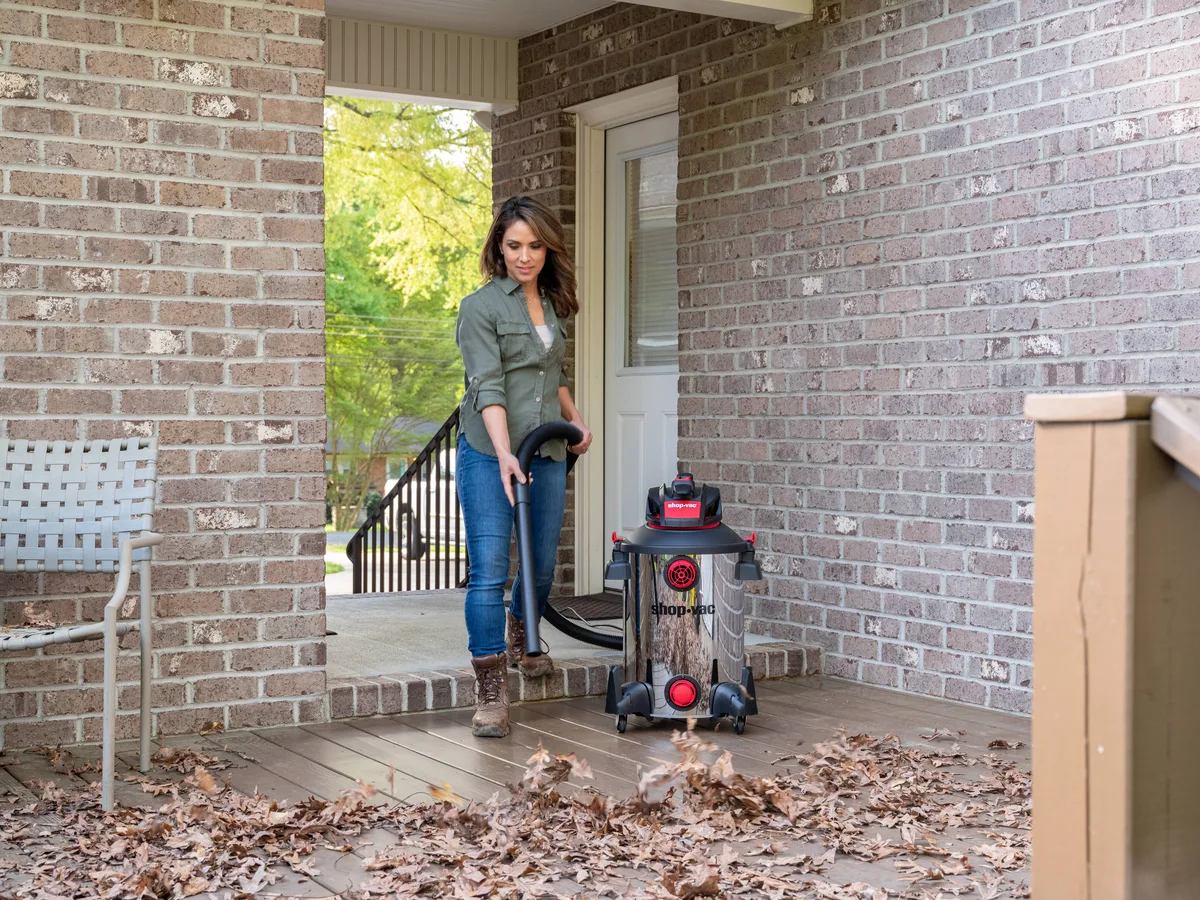
Image source: Bing (Web (fair-use with source credit))
Quick Answer
Yes, you can use a shop vacuum outdoors. The setup must be safe and dry. Plug into a GFCI-protected outlet, use an outdoor-rated extension cord, and keep the motor dry.
That combination makes a wet/dry vac a powerful tool for outdoor cleanup. Otherwise, you risk electric shock.
Why This Isn’t Just a “Plug It In and Go” Answer
Here’s the thing about a shop vacuum. It’s not a lawn mower or a hedge trimmer. Most of its work happens around water, which changes the safety math completely.
What “wet/dry” actually means
A wet/dry vacuum can pick up liquids. That does not mean the motor is waterproof. The motor stays sealed, but the suction path guides water into a separate tank.
If water gets into the motor housing or the electrical connections, you have a serious shock hazard.
Why the outlet matters more than the vacuum
The vacuum itself is usually fine for outdoor use. The bigger risk is the power source. As of 2026, modern home codes require GFCI protection on every outdoor receptacle.
Older homes may not have that.
If you plug a shop vac into an unprotected outlet near a puddle, a single fault in the vacuum’s motor could send current right through the water. That’s why the safety rules here are non-negotiable.
The Safety Fundamentals: GFCI, Grounding, and Extension Cords
You need three things to run a shop vac outdoors safely. A GFCI-protected outlet, a grounded plug, and a heavy-duty extension cord rated for outdoor use.
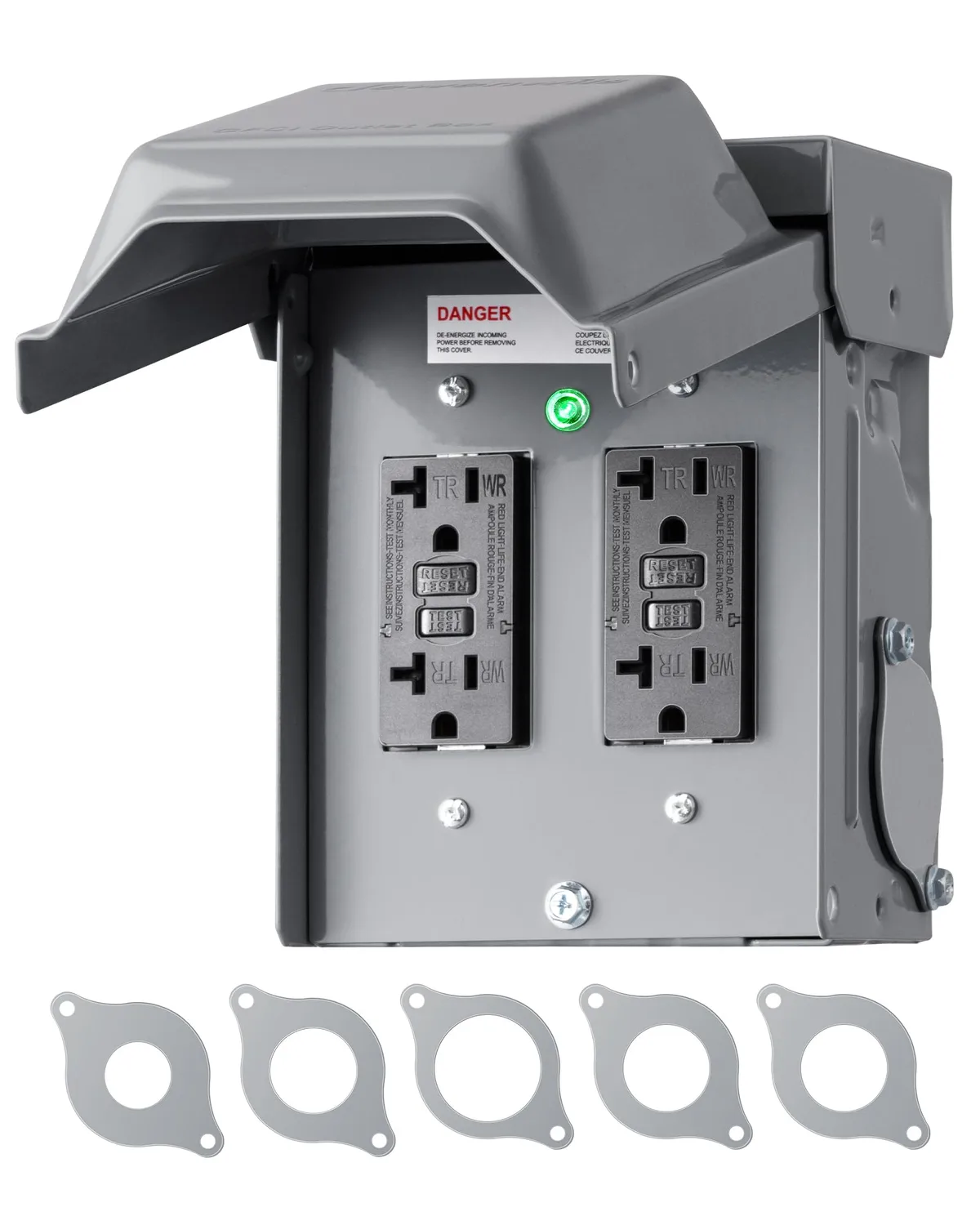
Image source: Web (Bing) / hentai-jp.com (Web image (fair-use with source credit))
GFCI protection is the first line of defense
A Ground Fault Circuit Interrupter monitors the current flowing through the circuit. If any power leaks out, it cuts the electricity in milliseconds. Per OSHA, this is the standard protection for construction and job-site power.
Homeowners should treat it the same way.
To check if your outlet is protected, look for the “TEST” and “RESET” buttons on the face of the receptacle. If you don’t see them, don’t assume you’re protected. You can buy a portable GFCI adapter that plugs into the wall and gives you the same safety layer.
Grounding keeps the path safe
Most shop vacuums come with a three-prong grounded plug. That third prong gives stray electricity a safe path to the ground. Never use a three-prong to two-prong adapter to force it into an old outlet.
That removes the protection and turns the vacuum into a live hazard.
Extension cord rules
Extension cords are a common weak point. Here’s what to look for:
- Use a cord rated for outdoor use. It will have a heavier jacket that resists moisture, cold, and sun damage.
- Keep it as short as you can. Long cords create voltage drop, which makes the motor run hotter.
- Match the gauge to the length. A 14 AWG cord works up to 50 feet. A 12 AWG cord works up to 100 feet.
- Check the entire cord before use. Cuts, cracked insulation, or exposed wire means throw it away.
What’s Inside a Shop Vac That Affects Outdoor Use
Not every shop vacuum is the same. Some models handle wet pickup differently, and the parts you choose matter more than the motor.
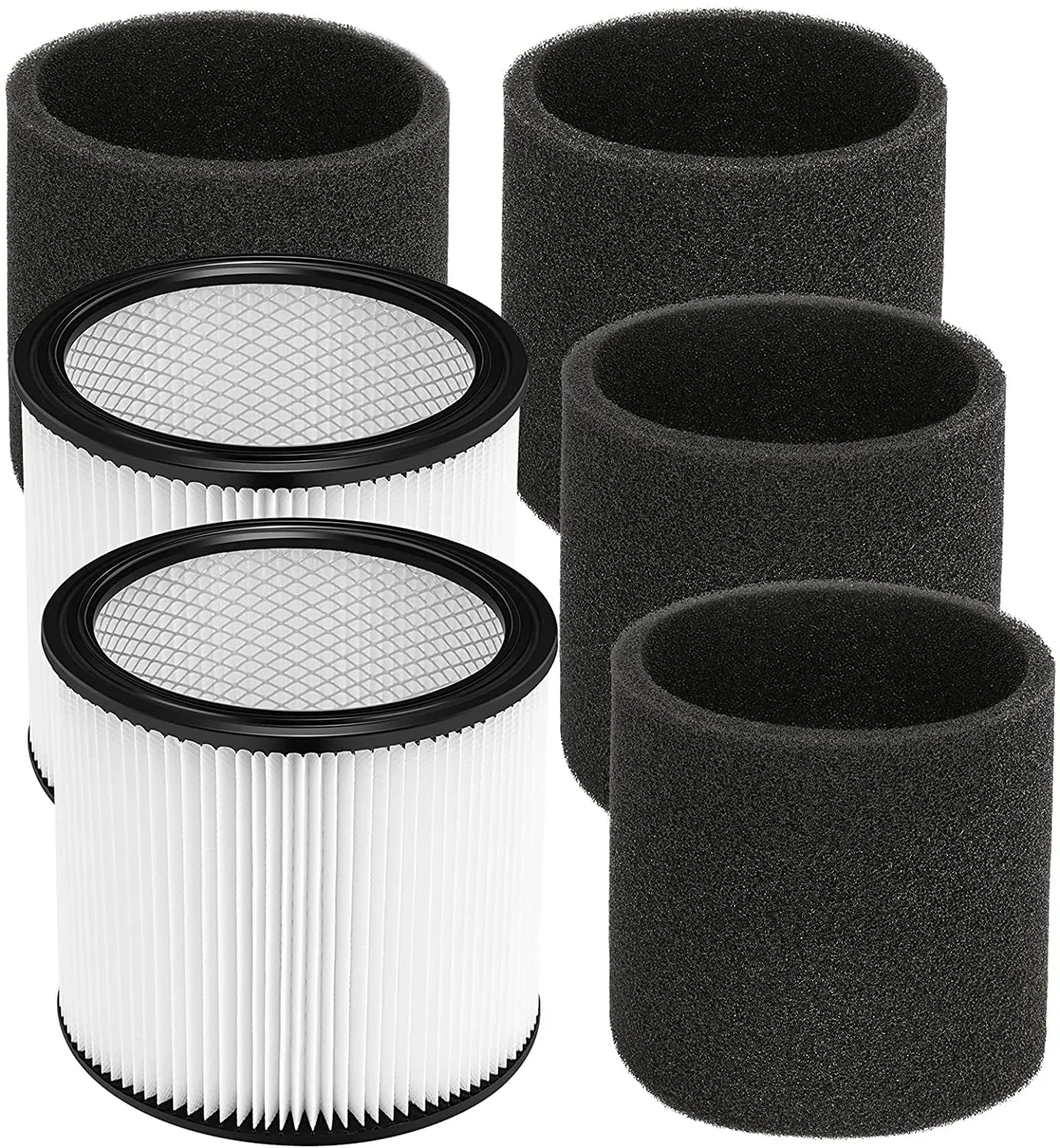
Image source: Web (Bing) / amazon.com (Web image (fair-use with source credit))
The filter setup is the biggest variable
A shop vac uses different filters for different jobs. The wrong one can stop suction or cause moisture to hit the motor.
- Cartridge filter: Good for dry dust and fine debris. It should be removed for large liquid jobs.
- Foam sleeve filter: Needed for wet pickup. It lets water pass through while protecting the motor from mist and splashes.
- Paper filter bags: Great for fine dry dust, but they disintegrate when wet. Never use a paper bag for liquids.
If you’re collecting standing water, leave the cartridge filter off and attach the foam sleeve. For small damp messes, the cartridge filter can stay on, but it will clog faster.
Tank capacity and why it matters
A 6-gallon tank fills up fast when you’re vacuuming a flooded patio. The water sloshes as you move, and the float valve shuts off suction when the tank is near full. That’s your automatic stop signal.
If you hear the motor pitch change, stop and empty the tank. A full tank of water gets heavy, and lifting it can strain the handle and the seal.
Motor placement and keeping it dry
The motor is at the top for a reason. Keep that top section bone dry. Set the vacuum on dry, level ground.
Don’t let the hose curve up and trap water near the intake. Never submerge the hose end below the water surface. You want to skim the water, not dive for it.
The same logic applies to wet-filter upkeep. Wet filters need the right care to work again.
Step-by-Step: How to Use a Shop Vac Outdoors Safely
Follow these steps every time. They’ll keep you safe and protect the vacuum.
- Pick the right filter. Attach the foam sleeve for wet pickup. Remove the paper bag. Swap out the cartridge if you’re dealing with large amounts of water.
- Find a GFCI-protected outlet. Check for TEST and RESET buttons. If you’re unsure, use a portable GFCI adapter.
- Inspect your extension cord. Make sure it’s outdoor-rated, undamaged, and long enough without being excessive.
- Set the vacuum on dry, level ground. Concrete or asphalt works well. Avoid wet grass and muddy areas unless the vac is sitting on a dry board or tarp.
- Keep the motor above the water. Position the vacuum higher than the puddle you’re picking up. This prevents water from running backward into the motor.
- Work in short passes. Skim the surface with the hose. Don’t push the hose deep into the water.
- Empty the tank before it fills up. The float valve will cut suction. When that happens, turn off the vacuum, unplug it, and drain the tank.
- Dry everything before storing. Empty the tank, rinse it out, and let the foam sleeve dry completely. Storing a wet vacuum invites mold and rust.
If you notice the suction dropping while you work, stop and check for clogs. A hose full of leaves or debris is the usual culprit. You can clear it from the other end by pushing the blockage out gently.
Mistakes to Avoid (Common Errors That Ruin Motors or Cause Shocks)
These are the mistakes we see in aggregate buyer feedback and repair reports. They ruin motors and, in worse cases, put people in danger.
Leaving the paper filter in for wet jobs
This is the #1 motor killer. Paper filters are for dry dust only. When they get wet, they turn to mush, and that saturated pulp feeds straight into the motor.
Always swap to the foam sleeve before picking up any liquid.
Using a cracked or indoor-only extension cord
The cord sitting in your garage from 1998 probably isn’t rated for damp conditions. An indoor cord’s insulation can split, and water gets into the wires. That’s a direct shock path.
If you’re vacuuming near water, use a cord marked for outdoor use.
Assuming the whole vacuum is waterproof
The tank is sealed to hold liquid. The motor is not. Some people spray the entire unit with a hose after use because they think wet/dry means everything can get soaked.
That’s a fast trip to the repair shop. Wipe the outside down with a damp rag.
Forgetting to unplug before draining
You should never put your hands inside the tank while the vacuum is still plugged in. You can’t see a short inside the motor, and water is a conductor. Unplug first.
It takes two seconds.
Leaving the vacuum exposed to weather
Shade doesn’t count as storage. Rain, sprinklers, and morning dew can get into the air vents. If the vacuum stays outside overnight, it should be under a sealed cover or indoors.
A sudden downpour can kill the motor.
Pros and Cons: Shop Vacs vs. Outdoor-Specific Alternatives
A shop vac isn’t the only tool for outdoor cleanup. Here’s how it stacks up against the alternatives.
| Tool | Best For | Key Limitation |
|---|---|---|
| Shop vacuum | Heavy wet/dry pickup, cars, job sites | Needs GFCI-protected power |
| Leaf vacuum | Leaves, grass, yard debris | Weak for liquids |
| Pressure washer | Surfaces, mold, grime | Doesn’t collect debris |
| Cordless hand vac | Quick small messes | Low suction, tiny capacity |
| Broom and rake | Simple dry messes | No wet pickup at all |
For most homeowners, the shop vac wins for versatility. It can suck up a flooded puddle, then blow leaves off the driveway if you switch the hose to the blower port. Just switch the filter back to dry mode before you do.
The tradeoff is that it needs electricity, and fading power is the most common frustration people deal with.
Where You’re Most Likely Using It (and What to Watch For)
Garages with the door open
The garage outlet might not be GFCI-protected. Check before you assume. A garage floor is often slightly sloped toward the drain, so water pools near the door.
Keep the vacuum inside the dry part of the garage and reach out to the mess.
Driveways and patios
These are the best surfaces for outdoor vacuuming. They’re flat, stable, and usually dry nearby. Watch out for standing water near the outlet itself.
Cars, trucks, and RVs
Many people clean their vehicles outside. The work is dry most of the time, but rain can sneak up on you. If you’re vacuuming an interior, use a dry filter.
If you’re extracting spilled liquid, switch to the foam sleeve.
Job sites and construction areas
Crews rely on shop vacs for dust control. Per NFPA and OSHA guidance, temporary power needs GFCI protection. If you’re on a new build with temporary power, confirm the outlet is protected before you plug in a wet/dry vac.
Post-storm cleanup
This is where the shop vac shines. It pulls up the last inch of water after a sump pump fails or after a rainstorm floods a low spot. But don’t tackle large-scale flooding alone.
That’s when too much water becomes a draining, disinfection, and electrical nightmare.
Frequently Asked Questions
Can I vacuum my flooded basement with a shop vac?
Yes, but only if the water isn’t deep and there’s no standing electrical hazard. Don’t walk into standing water while the power is on. Shut off power to the area first, then use a GFCI-protected outlet on a dry circuit.
A shop vac is fine for a few inches of water, but not a full basement flood.
Can I use an extension cord with my shop vac?
Yes, if it’s an outdoor-rated cord with the right gauge. Use the shortest cord that reaches the job. A 12 AWG cord is safest for longer runs.
Never use a damaged cord or one that feels warm while running.
What happens if the shop vac sucks up water with the paper filter in?
The paper filter turns into wet pulp. That pulp clogs the airflow and can get pulled into the motor. In many cases, the motor overheats and dies.
If it happens to you, unplug the vacuum immediately, remove the filter, and inspect the tank for debris.
Is it safe to vacuum up gasoline or other flammable liquids?
No. Standard shop vacuums are not explosion-proof. Gasoline, kerosene, and paint thinner are highly volatile.
The motor’s spark can ignite the fumes. This is a hard no, even if you think the tank will rinse out afterward.
How do I clean the inside of a shop vac after wet use?
Unplug it first. Empty the tank, then rinse it with fresh water. Add a drop of dish soap for stubborn smells.
Wipe the tank with a cloth and let it air dry completely. Clean the foam sleeve the same way and squeeze out excess water.
Can I leave my shop vac in the truck bed overnight?
You can, but you shouldn’t. Nighttime dew and rain can enter the motor through vents. A covered bed is safer, but even then, temperature swings create condensation inside the tank.
For the price of a cover, you’ll avoid replacing a motor that corrosion killed.
Maintenance After Outdoor Use
Routine upkeep makes a shop vacuum last years longer. The outdoor environment adds grit, moisture, and debris that you don’t see inside the house.
- Empty the tank after every job. Leaving wet debris sitting in there breeds mold and bacteria.
- Clean the filters at the right time. Foam sleeves need to be washed and dried. Cartridge filters need a light tap or a rinse, depending on the mess. This is the same kind of regular upkeep you’d give any wet vacuum system.
- Check the hose and attachments. Grass, leaves, and small stones get stuck where the hose bends. A quick check prevents clogs later. If debris does jam tight, you can work the blockage loose, gently pushing a rod through the hose.
- Wipe down the body. Dirt on the outside can work its way into the seams and switches. A damp rag does the job.
- Leave the tank lid slightly open in storage. This lets any moisture escape. It also stops that musty smell from taking over your garage.
When It’s Better to Call a Pro
Some outdoor water jobs are too big for a shop vac. Here are the signs that you need equipment and experience, not more suction.
- Water is coming from sewage, floodwaters, or chemical runoff.
- The flooded area is more than an inch or two deep across a large space.
- Electrical wiring or power outlets are submerged.
- You need water extraction quickly to save flooring, drywall, or furniture.
- You’ve used the shop vac for 30 minutes and the water level hasn’t dropped.
In those cases, call a flood restoration service or an electrician. A shop vac is a cleanup tool, not an emergency pump. Trying to do it yourself can waste hours and put you at risk.
A service team has submersible pumps, heavy-duty extractors, and proper drying equipment.
Final Verdict
So, can a shop vacuum be used outdoors? Yes, safely, when you respect the three rules. Use a GFCI-protected outlet.
Keep the motor dry. Use the right filter for wet or dry pickup. Those three steps cover almost every scenario you’ll face.
The shop vac remains one of the most underrated tools for outdoor work. It cleans cars, drains flooded patios, picks up sawdust, and even switches into blower mode to clear leaves. But it’s still an electrical appliance.
Treat it with the same care you’d give any tool that plugs into a wall, and it’ll serve you well for years. Skip the safety step, and you might end up with a ruined motor, a blown circuit, or worse.
Here’s the simplest way to remember it. If the outlet is protected and the vacuum stays dry, you’re good to go. If either of those things is in doubt, stop and fix the setup first.
A few minutes of preparation now beats a repair bill or a trip to urgent care later.

