

How long do shop vacuums last? That's the question people ask right after the garage vacuum starts smoking, or when it won't pick up sawdust like it used to. The honest answer is frustrating: it depends.
Some shop vacs die in under two years of heavy use. Others run for a decade or more.
In our research, manufacturer specifications indicate that consumer-grade wet/dry vacuums rely on universal motors rated for roughly 500 to 800 hours of run time before brushes wear out. A contractor running a vacuum 30 hours a week will hit that number in six months. A weekend hobbyist might never reach it.
So stop chasing a single average, and start thinking in hours, conditions, and maintenance.
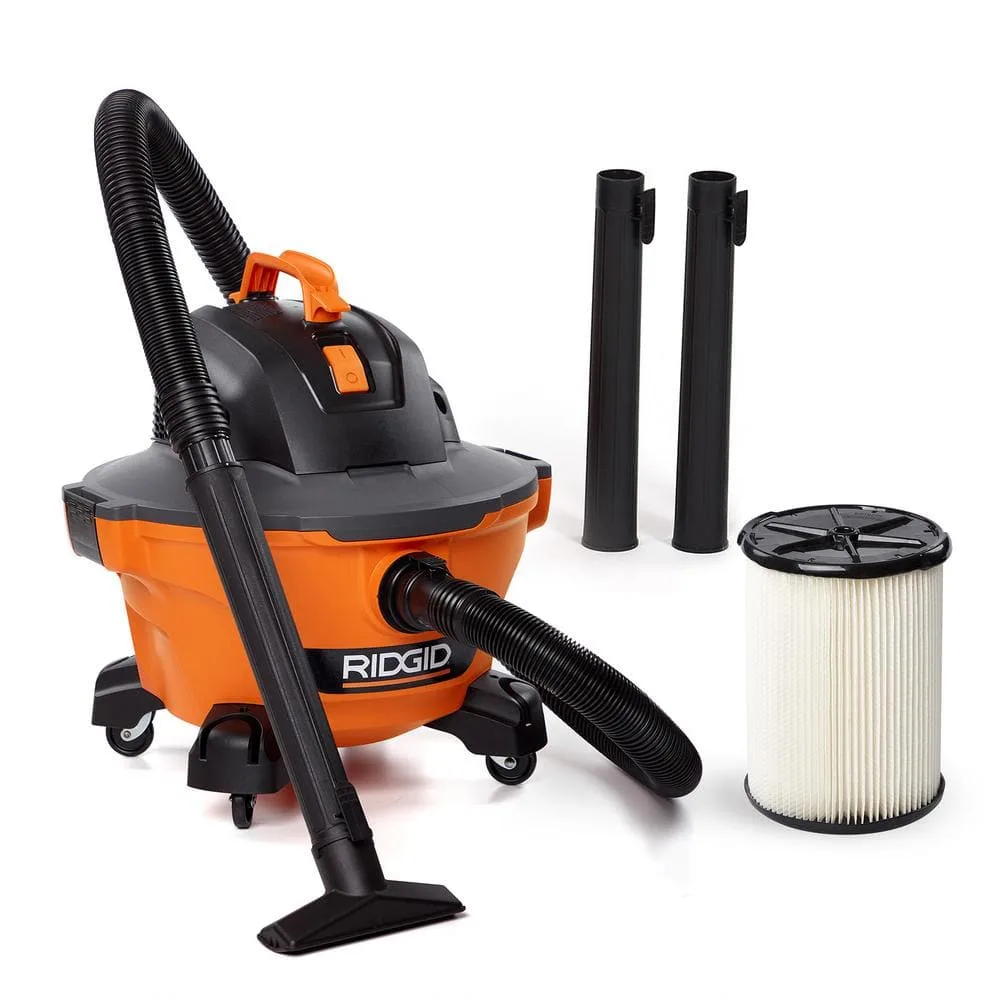
Image source: Bing (Web (fair-use with source credit))
Why Your Shop Vac Died (And Why the "5-Year Average" Is Useless)
If you look up how long shop vacuums last, you'll see the same answer repeated: five to seven years. That number sounds helpful, but it's almost meaningless. It blends weekend hobbyists and daily contractors into one average.
It ignores the machine that burns out in a year.
As of 2026, most consumer shop vacs still use a basic universal motor. That's a small, high-speed electric motor with carbon brushes that wear down as it spins. This design powers nearly every budget wet/dry vacuum on the market.
The pattern shows up in aggregate reviews and repair forums. A casual user who vacuums the garage for 20 minutes a month can easily get 15 years from a $70 unit. A contractor doing drywall cleanup with the same model might kill it in 18 months.
These lifespan differences in water-cleaning robots follow the same curve. Run time and workload decide the outcome, not the brand name.
The Quick Answer: How Many Hours Should You Actually Get?
How long do shop vacuums last? Expect between 500 and 1,000 hours of actual run time. Weekend hobbyists often get 8 to 15 years.
Heavy job-site use lasts 1 to 3 years.
What Actually Wears Out First: Motors, Brushes, Filters, and Float Valves
Four parts tend to fail first: the motor brushes, the filter, the float valve, and the tank. When one of these goes, the whole machine can feel dead.
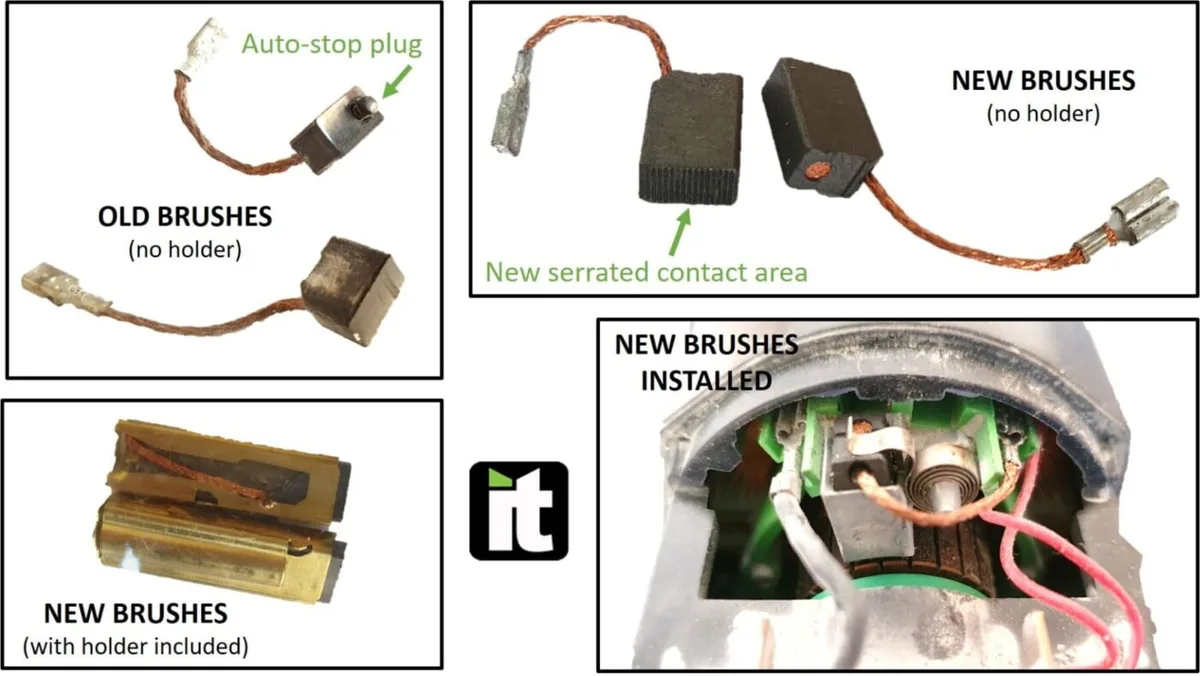
Image source: Bing (Web (fair-use with source credit))
Motor and Carbon Brushes
Carbon brushes are small blocks that push electricity onto the spinning armature. Every rotation causes a tiny spark and a tiny bit of wear. At 500 to 800 hours, that wear catches up.
You'll notice a burning smell, visible sparks, or reduced suction.
Catch it early and you can replace the brushes for a few dollars. Ignore it and the motor can overheat and burn out. A sudden dip in suction is often the first sign.
Filters
The pleated cartridge filter is the machine's lungs. It traps dust before it reaches the motor. When that filter clogs, the motor pulls harder and runs hotter.
A filthy filter is the most common cause of shop vac burnout we see in owner feedback.
Some filters can be washed. Others should be tapped or blown out after every heavy use. Check the manufacturer specs before you soak anything.
Float Valve and Tank
The float valve is a small ball or disc that rises with water in wet mode. When the tank is full, it seals the motor intake. If the valve sticks, water reaches the motor.
That mistake usually ends the vacuum's life.
Tanks fail more slowly. Steel tanks can rust after years of wet pickup. Poly tanks crack if they take a hard fall.
Hoses and casters often wear out before the motor does.
| Part | Typical Lifetime | Common Failure Mode |
|---|---|---|
| Carbon brushes | 500 to 800 hours | Sparking, burning smell, lost suction |
| Pleated filter | 6 to 24 months | Clogging, tearing, moisture damage |
| Float valve | 3 to 7 years | Sticky valve lets water into the motor |
| Steel tank | 5 to 15 years | Rust from leaving water inside |
The Lifespan Decision Tree: Your Answers to These 3 Questions Set the Timeline
To get a realistic lifespan estimate for your shop vac, answer three questions. Be honest. Your answers will put you in a clear branch.
Branch 1: How Often Do You Really Use It? (Daily Pro vs. Weekend DIY)
Run time is the biggest factor. A weekend woodworker might log 40 hours a year. A flooring contractor can hit that in one week.
Use this simple formula: divide 800 hours by your estimated annual run time. The result is your expected lifespan in years.
| Use Pattern | Weekly Run Time | Estimated Lifespan |
|---|---|---|
| Weekend hobbyist | 1 to 3 hours | 8 to 15 years |
| Serious home DIY | 4 to 8 hours | 5 to 8 years |
| Contractor, daily job site | 30 to 40 hours | 1 to 2 years |
If you're in the contractor branch, consider a brushless model. Those can last more than 2,000 hours.
Branch 2: What Are You Sucking Up? (Sawdust vs. Drywall vs. Water)
Debris type changes the lifespan math more than almost anything else. Sawdust is easy on the motor if the filter stays loose. Drywall dust packs into a pleated filter within minutes.
That forces the motor to work harder.
Concrete dust is abrasive and creates a silica hazard. If you're a pro, OSHA's silica rule will decide which machine you can use. A standard shop vac isn't enough for regulated job-site work.
Water isn't hard on the motor itself. It's hard on the steel tank and the float valve. If you do wet pickup, rinse and dry the tank after every session.
Branch 3: How Well Do You Maintain It? (Or Forget To?)
Maintenance is the variable you control completely. It can add years on either side of the estimate.
Real maintenance looks like this.
- Tap or blow out the pleated filter after every heavy dry run.
- Wash foam sleeves and let them dry fully before reinstalling.
- Drain and rinse the tank after wet pickup.
- Replace worn carbon brushes before they damage the armature.
- Keep the hose clear and check the intake gasket.
The same philosophy applies elsewhere. Routine upkeep on a robotic pool vacuum keeps pumps and filters alive much longer than neglect does.
The 6 Common Killers: Mistakes That Burn Out a Good Shop Vac Fast
Shop vacs rarely die of old age. They die from avoidable mistakes. Here are the six killers our research keeps finding.
Running past the duty cycle. Most consumer shop vacs are rated for 30 to 45 minutes of continuous use before the motor needs a cooldown. Run it for two straight hours and the heat will cook the brushes.
Letting the filter clog solid. A clogged filter makes the motor pull harder, run hotter, and lose suction. Pool vacuums show the same pattern when filter baskets get packed with debris.
Using a dry filter for wet pickup. A pleated filter soaks up water, turns into a mud-like barrier, and blocks airflow. Remove the filter or switch to a foam sleeve first.
Ignoring the warning signs. Sparking, burning smells, and sudden suction loss mean the motor is struggling. Stop and inspect the brushes before the damage turns permanent. The same logic applies to equipment that stops mid-cleaning.
Leaving wet debris in the tank. Water and dust form a sludge that stinks and corrodes the tank. Empty the tank, rinse it, and leave the lid open to dry.
Using the wrong extension cord. A long, thin cord drops voltage at the motor. The motor pulls more current and runs hot. Use the shortest, thickest cord you can, or plug into a GFCI outlet.
Repair vs. Replace: The "Is It Worth Fixing?" Flowchart
When your shop vac starts smoking or loses suction, you face a choice. Fix it or buy a new one. The right answer depends on which part failed and how old the machine is.
Ask yourself one question first: Is the motor still turning? If the motor spins freely, a $10 filter or a $15 set of carbon brushes might be all you need. If the motor is seized or smells burnt, the repair cost can climb faster than a replacement.
Work through this simple logic.
- Filter clogged or torn? Replace it. Cheap fix.
- Brushes worn but the motor spins? Replace them. Moderate fix.
- Float valve leaking water into the motor? Motor water damage usually means a replacement.
- Tank rusted through? Replace the unit. Tanks are rarely worth patching.
Check the purchase price against the repair cost. A $60 vac with a $30 motor repair usually isn't worth fixing. A $300 professional unit with a two-stage motor might be worth saving.
The same math applies to pool cleaning equipment that loses suction. A simple hose fix beats replacing the whole machine.
One more factor matters. If the vac is brushless, a motor replacement is rarely practical. Those machines are designed to be sealed units.
When they fail, they fail for good.
Maintenance That Extends Lifespan: Filter Care, Tank Rinsing, and Brush Replacement
Most shop vac deaths are preventable. A little routine care will double the lifespan of almost any wet/dry vacuum. You don't need special tools or skills.
You need a habit.

Image source: Bing (Web (fair-use with source credit))
Clean the Filter Like It Pays You
The pleated cartridge filter gets the most abuse. After every heavy dry run, tap it gently or use a compressed air gun to blow dust off. Don't scrape it.
Don't let it sit wet.
If the filter is washable, rinse it with plain water and let it dry completely. A damp filter blocks airflow and invites mold. The same care applies to other filtration systems, like the filter baskets in robotic pool vacuums.
Clean filters keep motors running cool.
Rinse the Tank After Wet Pickup
Water left in a steel tank will rust it from the inside. The rust flakes then clog the float valve or get sucked toward the motor.
Empty the tank after every wet job. Rinse it with fresh water, wipe it dry, and leave the lid open overnight. Five minutes of effort prevents a $200 motor failure.
Replace Carbon Brushes Early
If your model has user-serviceable motor brushes, check them every year. You'll see a small plastic cap on the motor housing. Remove it and look at the brush length.
New brushes sit flush and springy. When they're worn down to a fraction of an inch, order replacements before they spark against the armature. That same maintenance mindset keeps other motorized equipment running smoothly.
Buying for Longevity: Which Specs and Features Actually Matter?
If you're buying a new shop vac and want it to last, skip the gimmicks. Focus on the specs that influence lifespan. The price tag matters less than the components under the tank.
Look for these features first.
- Brushless motor. Costs more, lasts 2 to 3 times longer than a universal motor.
- Top-mounted handle and strain relief. Prevents cord damage where it meets the tank.
- Auto-filter cleaning. Keeps the filter from clogging during long jobs.
- Metal latches and casters. Plastic clips break under garage temperatures.
- Accessible motor brushes. Lets you replace them instead of replacing the motor.
| Feature | Impact on Lifespan | Typical Found In |
|---|---|---|
| Universal motor | 500 to 800 hours | Budget consumer models |
| Brushless motor | 2,000+ hours | Higher-end pro models |
| Pleated filter | 6 to 24 months | Most models |
| Cyclone separator add-on | Extends filter life 3x | Aftermarket accessory |
| Steel tank | Rust risk over years | Standard issue |
| Polypropylene tank | Crack risk, no rust | Lighter budget units |
One spec doesn't tell you lifespan. Peak horsepower is a marketing number, not a durability rating. Airflow, water lift, and amperage tell you more.
A manual says a lot too. Aggregate reviews show that units with clear maintenance instructions get far fewer premature failures. If the manual covers filter cleaning and brush replacement, the manufacturer expects a long service life.
HEPA, OSHA, and Silica: When Job-Site Rules Change Your Lifespan Math
For home use, a standard shop vac with a pleated filter is fine. For professional work, the rules change completely. Drywall dust, concrete dust, and lead paint dust are not harmless.
The Occupational Safety and Health Administration Silica Standard requires regulated dust control methods on construction sites. A standard shop vac isn't compliant. You need a dust extractor with HEPA filtration and a specific cleaning mechanism.
These units cost more, but they last longer too. They're built with brushless motors and sealed filter chambers. The protections that keep workers safe also keep the machine alive.
The Environmental Protection Agency has similar rules for renovation work in older homes. Lead-safe practices require HEPA vacuums that capture micro-dust. Running a regular shop vac on a lead job site isn't just dangerous.
It can violate the law.
If your work involves these materials, stop measuring lifespan in years. Measure it in regulations and replaceable HEPA filters. That's the honest math for professional dust control.
Frequently Asked Questions
How can I tell if my shop vac motor is burned out?
A burnt motor smells like hot plastic or ozone. It may spark visibly, run slower than normal, or stop working entirely. Unplug the vac and check the carbon brushes through the motor housing.
If the brushes are gone or the armature is scored, the motor is likely burned out.
Can I replace carbon brushes myself?
Yes, on most consumer models. Universal motor brushes sit under small plastic caps on the motor housing. Remove the caps, pull out the worn brushes, and slide in new ones.
Brushes cost $5 to $15 per pair. The job takes about 15 minutes with a screwdriver.
Is it worth fixing an old shop vac?
That depends on the repair cost versus the new price. A $10 filter or $15 brush set is always worth it. A motor replacement on a $60 vac usually isn't.
For professional units that cost $300 or more, a motor repair can still make sense.
Do cordless shop vacs last as long as corded ones?
Cordless models face a different limitation: battery degradation. The motor may last, but lithium-ion batteries lose capacity after 300 to 500 charge cycles. Expect three to five years of light use before runtime drops noticeably.
For heavy daily use, a corded model still offers the longest lifespan per dollar.
What type of shop vacuum lasts the longest?
Brushless wet/dry dust extractors with HEPA filtration are built to last the longest. They have no carbon brushes to replace and better motor cooling systems. Their sealed filter chambers separate dust before it reaches the motor.
These units regularly exceed 2,000 hours of run time.
Your Shop Vac Lifespan Playbook: A Final Decision Guide
Here's the honest bottom line. Your shop vacuum's lifespan comes down to three numbers: run hours, workload severity, and maintenance frequency.
A weekend hobbyist with a $70 consumer-grade model who keeps the filter clean will likely get 8 to 15 years. A contractor running the same unit through drywall dust and wet pickup on a jobsite will be lucky to see 18 months. The machine didn't change.
The conditions did.
Use this quick scorecard to estimate where you stand.
| Situation | Realistic Lifespan | Smart Move |
|---|---|---|
| Light home garage use | 8 to 15 years | Keep up with filter and tank care |
| Heavy DIY renovations | 5 to 8 years | Replace brushes before they spark |
| Daily contractor use | 1 to 3 years | Upgrade to a brushless dust extractor |
| Constant drywall or concrete dust | 6 to 18 months | Buy a HEPA-rated unit with auto-filter cleaning |
If your current shop vac is still running, start the maintenance habit today. Tap that filter after every job. Rinse the tank after wet pickup.
Check the brushes once a year.
If you're shopping for a new one and want longevity, prioritize the brushless motor and accessible filters over peak horsepower. The specs that keep a motor cool are the specs that keep it alive.
Your shop vac will last exactly as long as you treat it. Give it clean filters, dry tanks, and reasonable duty cycles, and it'll be the tool you pass down to your kids. Run it ragged, and you'll be shopping for a replacement next spring.
The choice is yours.

