

Here is the corrected final article:
Can a shop vacuum pick up leaves? Yes, but only if you choose the right setup. Dry leaves are easier than wet ones, and a narrow hose will clog before you fill the tank.
The exact answer depends on three variables we'll break down in a moment.
As of 2026, most household shop vacuums move between 100 and 200 CFM. That's enough for small leaf piles on flat, hard surfaces like patios or garage floors. The real challenge isn't suction power.
It's matching your hose, filter, and technique to the leaf condition you're dealing with.
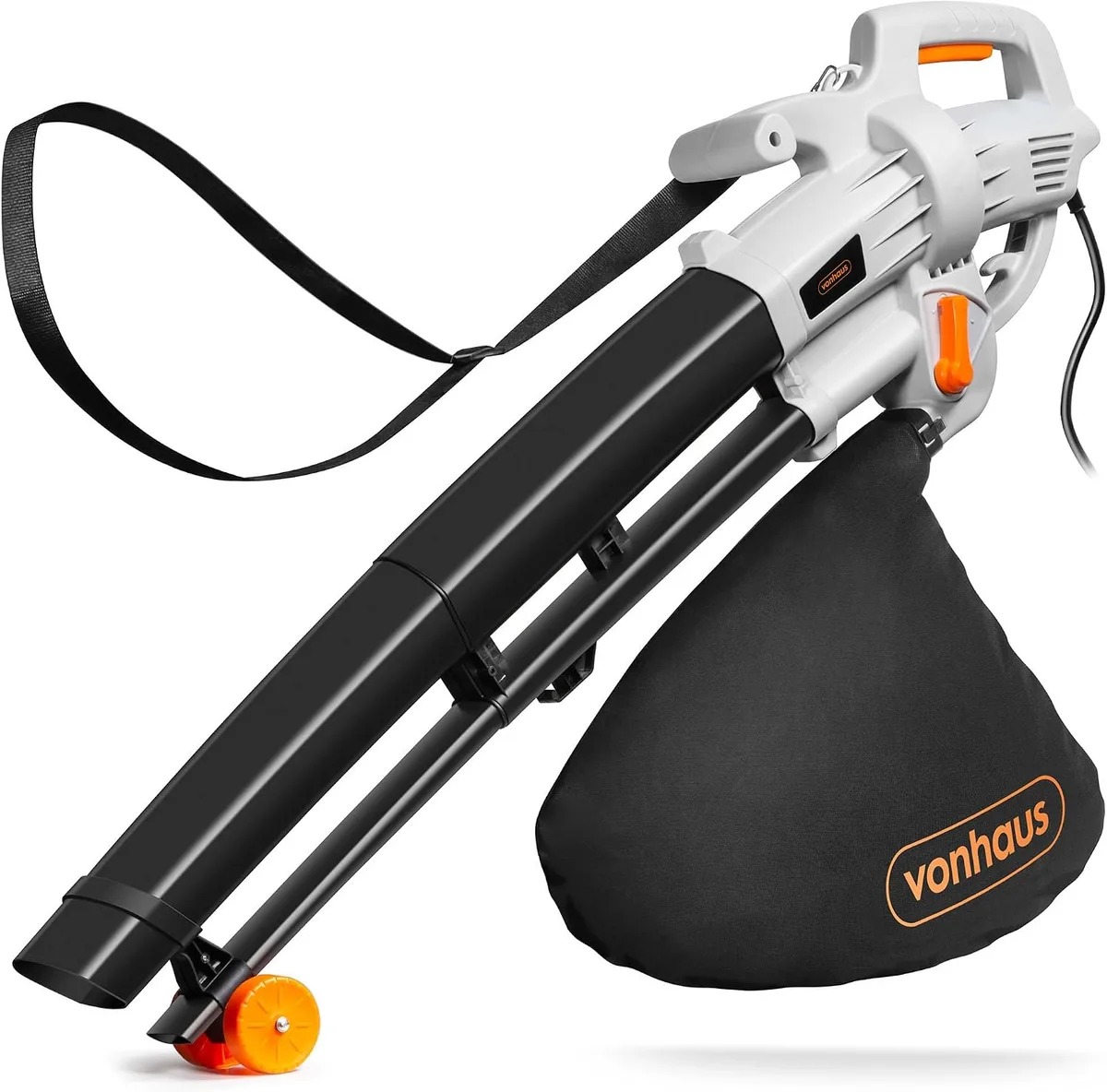
Image source: Bing (Web (fair-use with source credit))
The Real Answer: Yes, But Only Under Certain Conditions
Let's give it to you straight. A shop vacuum can absolutely pick up leaves. It works best when:
- The leaves are dry.
- You're on a hard surface like concrete, asphalt, or pavers.
- Your hose is at least 1.5 inches wide.
- You're working with a small pile, not a whole yard.
If those four things line up, you'll be fine. The vacuum will suck up leaves, small twigs, and even acorns without much complaint. If your leaves are wet, matted, or your hose is too narrow, you'll spend more time clearing clogs than actually cleaning.
Here's the honest breakdown. A shop vac is not a dedicated leaf vacuum. It doesn't shred or mulch the leaves.
That means the tank fills fast, and you'll empty it often. For quick touch-ups and small cleanup jobs, though, it's a solid tool that costs you nothing extra.
The Three Variables That Decide Success: Leaf Type, Hose Size, and Filter Setup
Think of these as the control knobs. Get them right, and the job goes smoothly. Get one wrong, and you'll be wrestling with a clogged hose or a dusty filter.
Leaf type is the first big fork in the road. Dry, brittle leaves break apart and flow easily through a vacuum. Wet leaves clump together and stick to the inside of the hose.
They also pack down into a heavy, soggy mass that's hard to remove from the tank. If you've ever vacuumed damp leaves, you already know the frustration.
Hose size matters more than most people realize. A 1.25-inch hose is fine for sawdust and screws, but it's too small for oak or maple leaves. The leaves bunch up at the intake and create a plug.
A 2.5-inch hose gives leaves room to travel without jamming. If your shop vac only has a narrow hose, you can often find a larger leaf pickup kit that includes a bigger hose and a wide-mouth nozzle.
Filter setup is the variable that gets ignored. Dry leaves produce a lot of fine dust. A standard paper cartridge filter will clog quickly, killing suction.
For wet leaves, a paper filter can be ruined completely. The fix is to switch to a foam sleeve filter, or remove the paper filter and use the vacuum in wet pickup mode. On many models, the foam sleeve is the only safe option for wet messes.
Here's a quick reference table that summarizes what works:
| Variable | Best for Shop Vac | Risky / Avoid |
|---|---|---|
| Leaf condition | Dry, crumbly leaves | Wet, freshly fallen leaves |
| Hose diameter | 2 to 2.5 inches | 1.25 inches or smaller |
| Filter type | Foam sleeve or wet filter | Paper cartridge for wet leaves |
| Surface | Concrete, gravel, packed dirt | Grass, loose soil, flower beds |
What You Actually Need: Hoses, Filters, and Leaf Attachments
You don't need a lot of extra gear, but a few basics make the job much easier. Here's the list we'd put together based on manufacturer specs and user reports.
A shop vacuum with a large tank. A 5-gallon unit will work for a tiny balcony clean-up. For a typical suburban yard, go with 12 gallons or more. The extra tank volume means fewer trips to the compost pile.
A wider pickup hose. If your vacuum came with a 1.5-inch hose, that's a good start. If it's narrower, look for a compatible 2.5-inch hose or a leaf kit. Some manufacturers sell a leaf attachment that screws onto the same port, and it makes a real difference in suction efficiency.
A foam filter sleeve. This is the single most useful upgrade. It handles wet leaves without falling apart, and it's easy to clean. Rinse it under a hose, squeeze it out, and let it dry.
Avoid using paper filters for this job unless you're only sucking up bone-dry debris.
A wide nozzle or squeegee attachment. A flat utility nozzle works in a pinch, but it doesn't grab leaves efficiently. A wide-mouth vacuum nozzle, sometimes called a squeegee, pulls leaves in a straight line without constant repositioning.
A dust mask and safety glasses. Dry leaf dust gets everywhere. Your shop vac will blow fine particles back into the air through the exhaust. Protect your eyes and lungs, especially on windy days.
In our research, most owner's manuals explicitly say the vacuum can pick up light debris like leaves when used with the right attachment. But they also warn against vacuuming large volumes of wet material with a paper filter. Check the manual that came with your unit before you start.
Dry Leaves vs. Wet Leaves: The Biggest Decision Branch
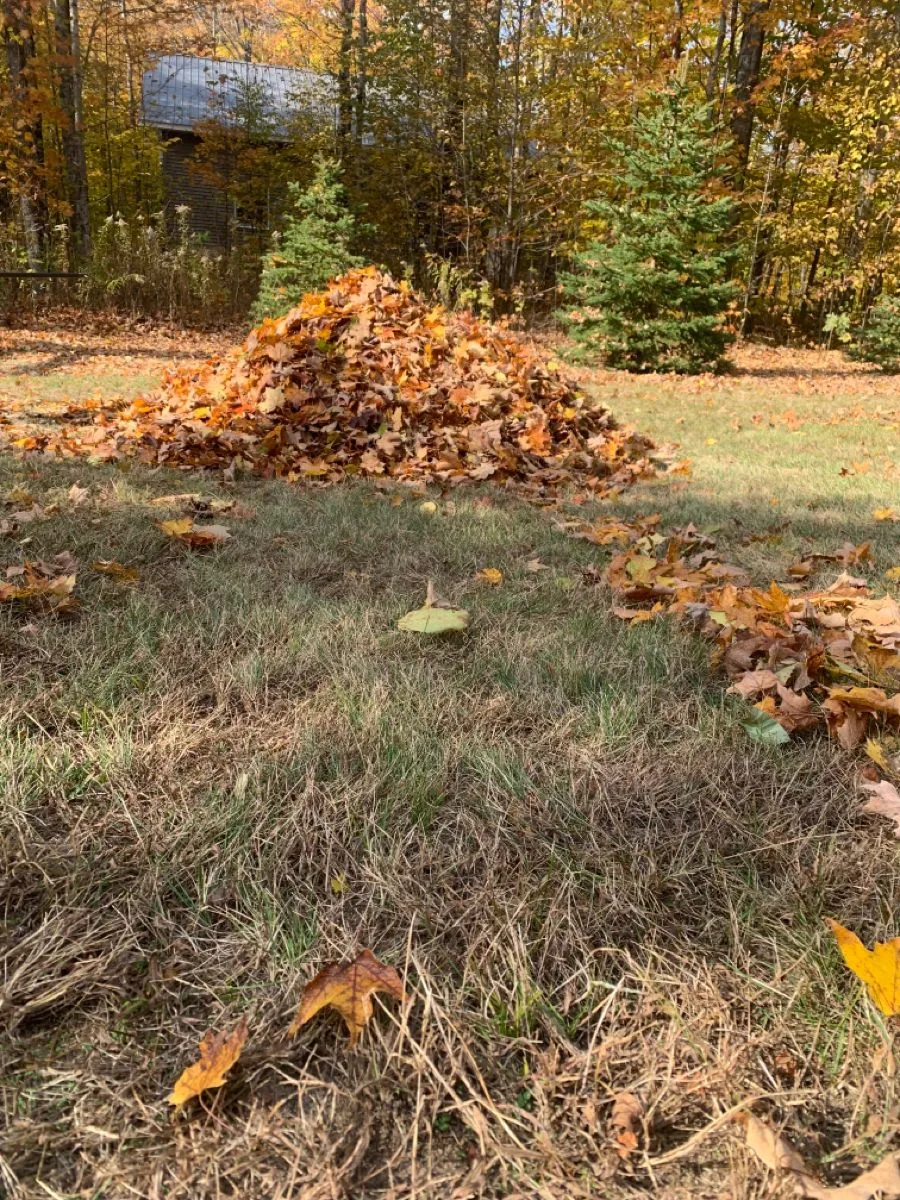
Image source: Web (Bing) / pinterest.com (Web image (fair-use with source credit))
This is where you either have an easy afternoon or a long, frustrating one. Dry leaves are crumbly, light, and flow through the hose in a steady stream. Wet leaves are another story entirely.
They clump, they stick, and they create plugs that block the entire vacuum path.
The decision tree is simple. If your leaves have been sitting for a few days in sunny weather, go ahead and vacuum them up. If it just rained, or the leaves are still green and heavy, wait.
Let them dry out for another day or two. That single choice prevents most clogging problems.
Wet leaves also cause a filter problem. A paper cartridge filter absorbs moisture and swells. The paper tears, the suction drops, and the filter becomes unusable.
A foam sleeve handles moisture fine, but even then, wet leaf sludge can drain into the motor housing if the vacuum isn't designed with a proper float shut-off. That's a real risk on cheaper models.
One more thing to watch for: wet leaves are heavy. A tank that seems half full of dry leaves can be nearly full by weight when they're wet. You'll notice the vacuum getting harder to push and the suction weakening much faster.
Plan to empty the tank more often when dealing with damp debris.
Step-by-Step: Setting Up Your Shop Vac for Leaf Pickup
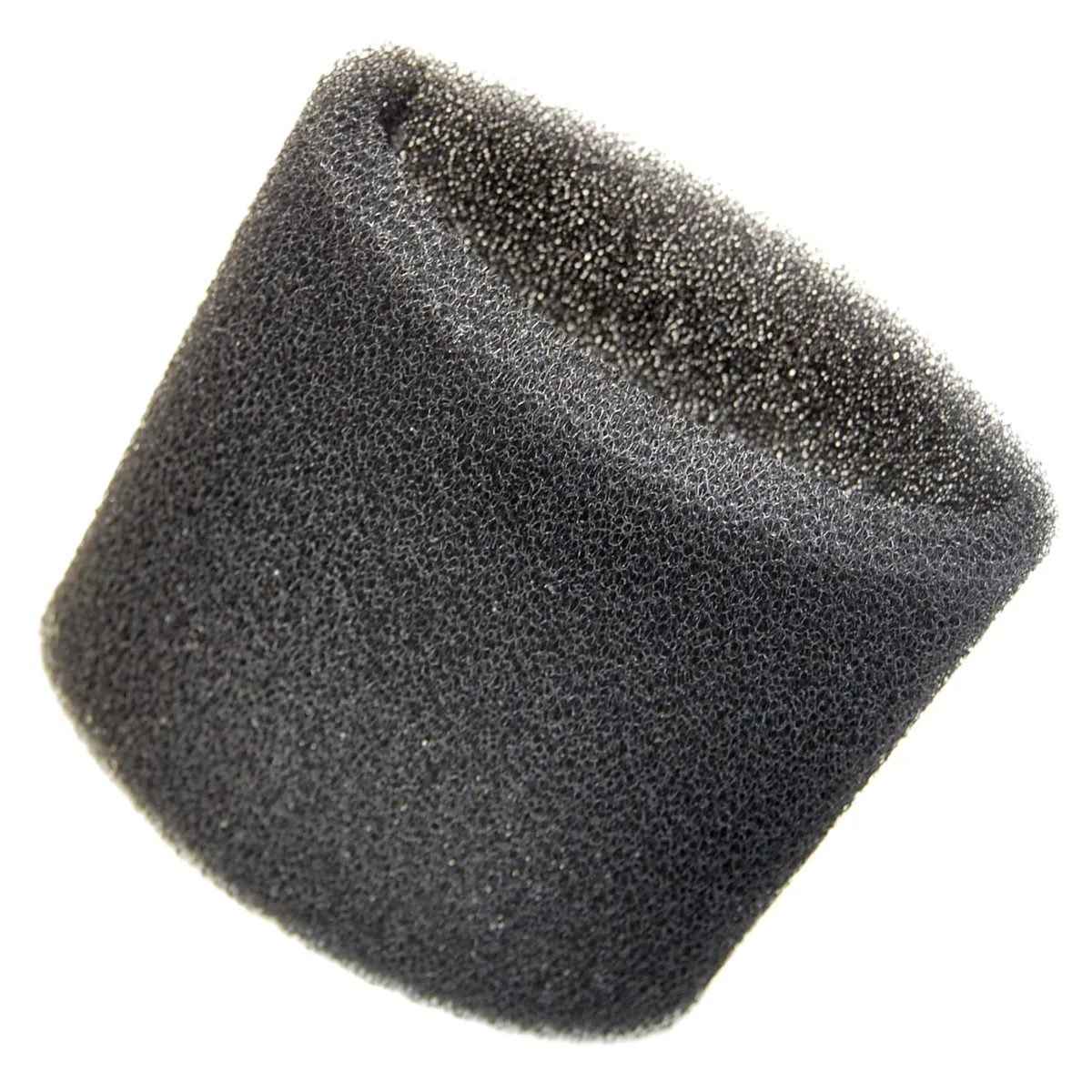
Image source: Bing (Web (fair-use with source credit))
Now for the actual process. Follow these steps, and you'll avoid most of the headaches people complain about.
Check your filter. Remove the paper cartridge and install a foam sleeve if you have one. If you don't have a foam sleeve, make sure the paper filter is clean and completely dry. Wet leaves and paper filters don't mix.
Attach the leaf nozzle. It's usually a wide, flat attachment that sits close to the ground. If your kit includes a 2.5-inch hose, use that instead of the thin one. More diameter means fewer clogs.
Plug into a GFCI outlet. Outdoor outlets should have ground-fault protection by code. If yours doesn't, use a portable GFCI adapter. Water and electricity don't get along, and leaves often hide moisture underneath.
Work in short, sweeping strokes. Push the nozzle forward, then pull it back toward you. Don't press the nozzle flat against the ground. A small gap lets air flow through, which is what carries the leaves.
Clear clogs immediately. The moment suction drops, unplug the vacuum and check the hose. Usually the clog is near the intake or at the bend near the tank. Push a broom handle through the hose from the vacuum end, or twist the hose and squeeze. Don't try to run the vacuum with a clog in place, it can overheat the motor.
Empty the tank before it's full. Most tanks have a fill line. Stop at that mark or earlier. Leaves compact as they sit, and a packed tank is hard to lift and dump. Spread a tarp on the ground to catch the debris, then toss it in your compost bin or yard waste bag.
Rinse the tank afterward. Leaf residue sits in the bottom and turns sour. A quick rinse with a garden hose, then a dry towel, keeps your vacuum ready for the next job.
Dry the foam sleeve fully. Remove it from the vacuum and squeeze out as much water as possible. Hang it somewhere with airflow. Never store a wet foam sleeve inside the tank, mold will grow.
If you're using the vacuum on grass, don't expect miracles. The suction will pull leaves, but it will also pull turf and dirt. That's hard on the impeller and clogs the filter fast.
A shop vac works best on hard surfaces, so stick to patios, driveways, garages, and sidewalks.
Clogs, Dust Clouds, and Overheating: Common Mistakes to Avoid
Most shop vac leaf failures come down to three predictable mistakes. Knowing them ahead of time saves you a frustrating afternoon.
Clogs happen when the hose is too narrow or the leaves are wet. Dry oak leaves flow fine through a 2.5-inch hose. The same leaves jam instantly in a 1.25-inch hose. If you feel suction drop, turn the vacuum off right away.
Running it with a clog strains the motor and can burn out the belt on some models.
Dust clouds come from dry, crumbled leaves. The vacuum exhaust blows fine particles straight back into the air. That's why a dust mask matters more than people think. Some users report the dust settles on nearby windows and siding, so pick your direction carefully.
Aim the exhaust away from your house and any open doors.
Overheating happens when airflow is restricted. A full tank, a clogged filter, or a blocked hose all reduce airflow. The motor runs hotter and hotter until the thermal cutoff kicks in. On some cheap units, that cutoff doesn't exist.
Letting a shop vac run hot for too long can warp the impeller and shorten the motor's life. If the plastic feels hot to the touch near the motor housing, stop and clear whatever's blocking it.
The Pros and Cons of Using a Shop Vac for Leaves
The honest picture involves real trade-offs. Here's what the research and user feedback consistently show.
| Pros | Cons |
|---|---|
| Cheaper than a dedicated leaf vacuum | No shredding or mulching action |
| Uses gear you already own | Tank fills up fast with loose leaves |
| Great on hard surfaces | Struggles in grass and flower beds |
| No gas, no engine maintenance | Wet leaves cause clogs quickly |
| Doubles as a blower on many models | Dust blows out of the exhaust |
| Precise nozzle control | Small tanks need frequent emptying |
The biggest advantage is cost. A shop vac costs nothing extra to use for leaf pickup. A dedicated electric leaf vacuum with a shredding impeller runs anywhere from $60 to $200.
The bigger trade-off is capacity. Leaves are fluffy and take up space fast. A 16-gallon tank might hold the equivalent of two or three lawn bags of loose leaves before it needs emptying.
Shop Vac vs. Leaf Blower Vac vs. Backpack Blower: Which Should You Use?
Each tool has a sweet spot. Pick based on what you're actually cleaning.
Shop vacuums work best for small, contained areas. A concrete patio, a garage floor, or a narrow strip along the driveway. They give you precise control and pick up other debris like pebbles and acorns at the same time.
Leaf blower vacuums, sometimes called blower vacs, add a mulching impeller. They shred leaves into fine pieces that compost faster. That's a significant advantage if you're dealing with large volumes of dry leaves. The mulching action also means you can empty the collection bag less often.
The downsides are the noise, the flimsy collection straps, and the tendency to clog when leaves are slightly damp.
Backpack blowers are for big jobs, not precise cleanup. They move leaves across the yard efficiently, but they don't collect anything. You still have to rake, bag, or vacuum the resulting pile. If you already own a shop vac, buying a leaf blower vac solely for leaves is hard to justify.
The shop vac handles smaller jobs well enough.
For most homeowners with average yards, the smart move is simple. Use a blower to gather leaves into a pile, then use the shop vac to suck up that pile. That combination beats any single tool.
Where a Shop Vac Shines and Where It Loses Big
Think about the surfaces you're cleaning. That's the deciding factor.
Shop vacs shine on hard, flat surfaces. Concrete driveways, asphalt, pavers, garage floors, and wooden decks all work well. Leaves sit on top where the nozzle can reach them. The wide suction path grabs twigs, pine needles, and gravel without a fight.
If your cleanup is mostly patio and walkway, a shop vac is genuinely excellent.
Shop vacs lose badly on grass. The suction pulls turf, soil, and thatch into the tank. That clogs the filter instantly and dulls the impeller over time. You also can't slide the nozzle across a lawn without scooping up chunks of dirt.
For lawns, a blower or a mower with a bagger is the right tool.
Small piles are fine. Full yards are not. If you're clearing leaves after a storm along the curb, or tidying up after a hedge trimming, the shop vac is perfect. If you're facing a whole yard covered in autumn leaves, you'll spend hours emptying the tank.
The math doesn't work.
In our research, verified buyer feedback consistently shows the same pattern. Owners who use shop vacs for small leaf jobs are satisfied. Owners who try to vacuum an entire yard give up and buy a dedicated leaf vacuum.
Match the tool to the job size.
Hose Sizes, CFM, and Tank Specs That Actually Matter
Manufacturers list specs that look impressive but don't tell the whole story. Here's what actually matters.
Hose diameter is the number one spec. A 2.5-inch hose moves leaves without jamming. A 1.5-inch hose works for small, dry leaves like birch and ash. A 1.25-inch hose clogs within seconds.
If your shop vac has a narrow hose, check whether your model has a leaf kit with a wider intake.
CFM, or cubic feet per minute, measures airflow volume. More CFM means the vacuum can move more air, which helps carry heavier material. Most shop vacuums deliver between 100 and 200 CFM. That's enough for leaves.
The peak horsepower numbers on the box, like 5.0 HP or 6.5 HP, are marketing figures. They don't reflect continuous motor output.
Water lift measures suction pressure. It tells you how much a vacuum can hold against a sealed column of water. Higher water lift helps pull embedded debris but matters less for loose leaves. Airflow does more work here than suction pressure.
Tank capacity determines your pace. A 5-gallon tank fills with leaves almost instantly. A 20-gallon tank gives you maybe ten minutes of continuous work. If you're choosing a shop vac to use for leaves, aim for 12 gallons or larger.
You can also buy a lid-mounted leaf kit that increases the pickup width without changing the tank.
Post-Cleanup Care: Filters, Tanks, and Storage
Don't put the shop vac away right after a leaf job. Rinse the foam filter sleeve and let it dry completely. A wet filter stored inside the tank grows mold and smells the next time you use it.
Follow a consistent maintenance routine to keep the motor running strong. Also, empty the tank even if it looks only half full. Leaf fragments settle and stick to the walls, especially when slightly damp.
Safety Warnings for Outdoor Vacuuming
Outdoor vacuuming means outdoor electricity. Plug the vac into a GFCI-protected outlet. The Occupational Safety and Health Administration requires GFCI protection for outdoor receptacles.
Use a portable adapter if your home lacks it.
Never vacuum hot ashes, embers, or burning leaves. Shop vacs have plastic tanks and filters. A single ember can melt through and start a fire.
Also, keep your face clear of the exhaust, since dry leaf dust sprays out with surprising force.
Real Fall Cleanups: Small Yard, Wet Leaves, and Concrete Patios
A concrete patio is the best case. Dry oak leaves take about fifteen minutes with a 16-gallon shop vac. If the leaves are wet, wait a day or two.
If you can't wait, switch to a foam sleeve and empty the tank often.
On grass, the shop vac will pull up turf and dirt. That can clog the intake and dull the impeller, just like a hose on the wrong surface. For large lawns, a blower or mower with a bagger handles heavy leaf debris far better.
A shop vac stays a small-pile tool.
Quick Decision Guide: Should You Even Try It?
If your leaf pile is small and dry, yes. If it's spread across a lawn, no. Here's the cut-off:
| Condition | Try It? |
|---|---|
| Dry leaves on concrete | Yes |
| Wet leaves | Wait, or use a foam sleeve |
| Whole yard | No, use a blower or mower |
| Narrow hose (1.25") | Skip it, you'll clog constantly |
A shop vac with a wide hose and the right filter will save you on small jobs. Just respect its limits. For bigger yard work, a dedicated leaf blower is a better investment.
Frequently Asked Questions
Can a shop vacuum pick up leaves?
Yes, if they're dry and you use a wide hose with a foam filter. The tank fills fast, so keep it empty.
What size shop vac do I need for leaves?
At least 10 gallons. Bigger tanks mean fewer trips to dump the debris.
Can a shop vacuum pick up wet leaves?
It can, but it risks motor damage. Use a foam sleeve and empty the tank often before the float valve closes.
Will a shop vacuum clog with leaves?
Yes, especially with narrow hoses. A 2.5-inch hose prevents most jams before they start.
Is a leaf blower vac better than a shop vac?
For large yards, yes. For patios and small piles, a shop vac works just as well without the extra cost.

