

You're staring at the runtime chart in an online listing, and it's not making anything clearer. How long can a wet/dry vacuum run? That depends on the vacuum.
For a corded model, the honest answer is basically forever, as long as it's plugged in. For a cordless model, you're looking at a window somewhere between 10 and 40 minutes per charge.
In our research across current models as of 2026, most cordless shop vacs land in the 15-to-30-minute range during routine dry pickup. Wet jobs, especially at max suction, can burn through a battery 20 to 30 percent faster. That variability is why you can't trust one blanket number.
Let's unpack exactly what changes the runtime.
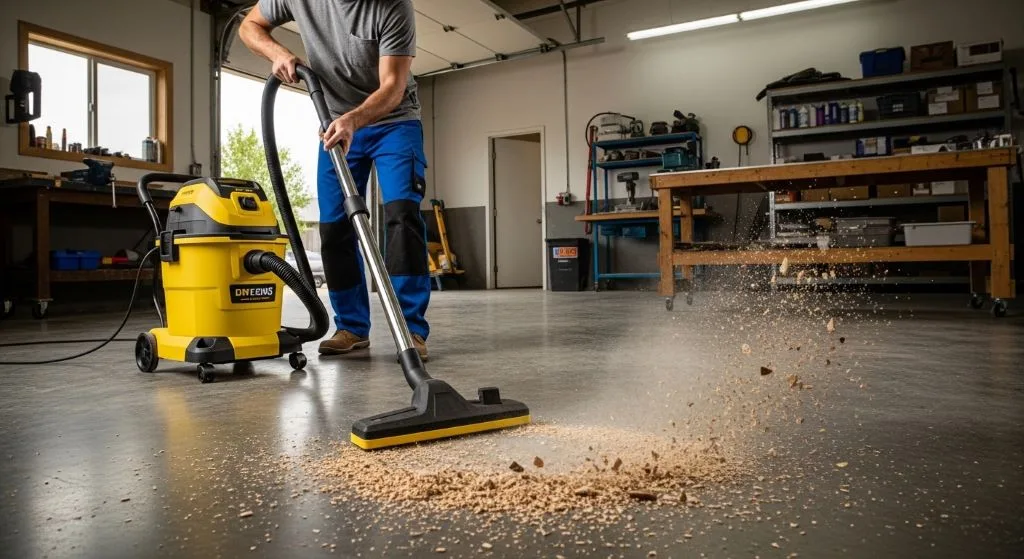
Image source: Bing (Web (fair-use with source credit))
Why "How Long?" Has No Single Answer
Runtime in a wet/dry vacuum is a chain reaction. It starts with the power source. Then it moves through motor draw, battery capacity, and the actual mess you're cleaning.
Change any of those variables and the answer shifts.
Here's the first big branch: If it's plugged into the wall, runtime is effectively unlimited. You only stop to empty the tank or take a break. If it's battery-powered, runtime becomes a math problem.
Manufacturer spec sheets give you a starting point, but real-world conditions always tweak the result. Just like timing a pool vacuum, the exact figure changes when you switch tasks and settings.
| Condition | Expected Runtime |
|---|---|
| Corded, any job | Until you unplug it |
| Cordless, low suction, dry debris | 20 to 40 minutes |
| Cordless, high suction, dry debris | 10 to 20 minutes |
| Cordless, wet pickup | 10 to 25 minutes |
Don't assume a bigger tank means longer runtime. It doesn't. A 16-gallon drum takes just as much battery as a 4-gallon one.
The larger tank simply means fewer stop-and-empty breaks.
The Quick Answer: Corded vs. Cordless
A corded wet/dry vacuum runs as long as it's plugged in. A cordless model runs 10 to 40 minutes per charge. Battery size and suction mode set the exact number.
Heavy wet pickup can cut runtime nearly in half. Expect 15 to 30 minutes for typical dry use.
If you came for the short version, that's it. The rest of this guide helps you predict your own runtime, because no single answer covers every machine.
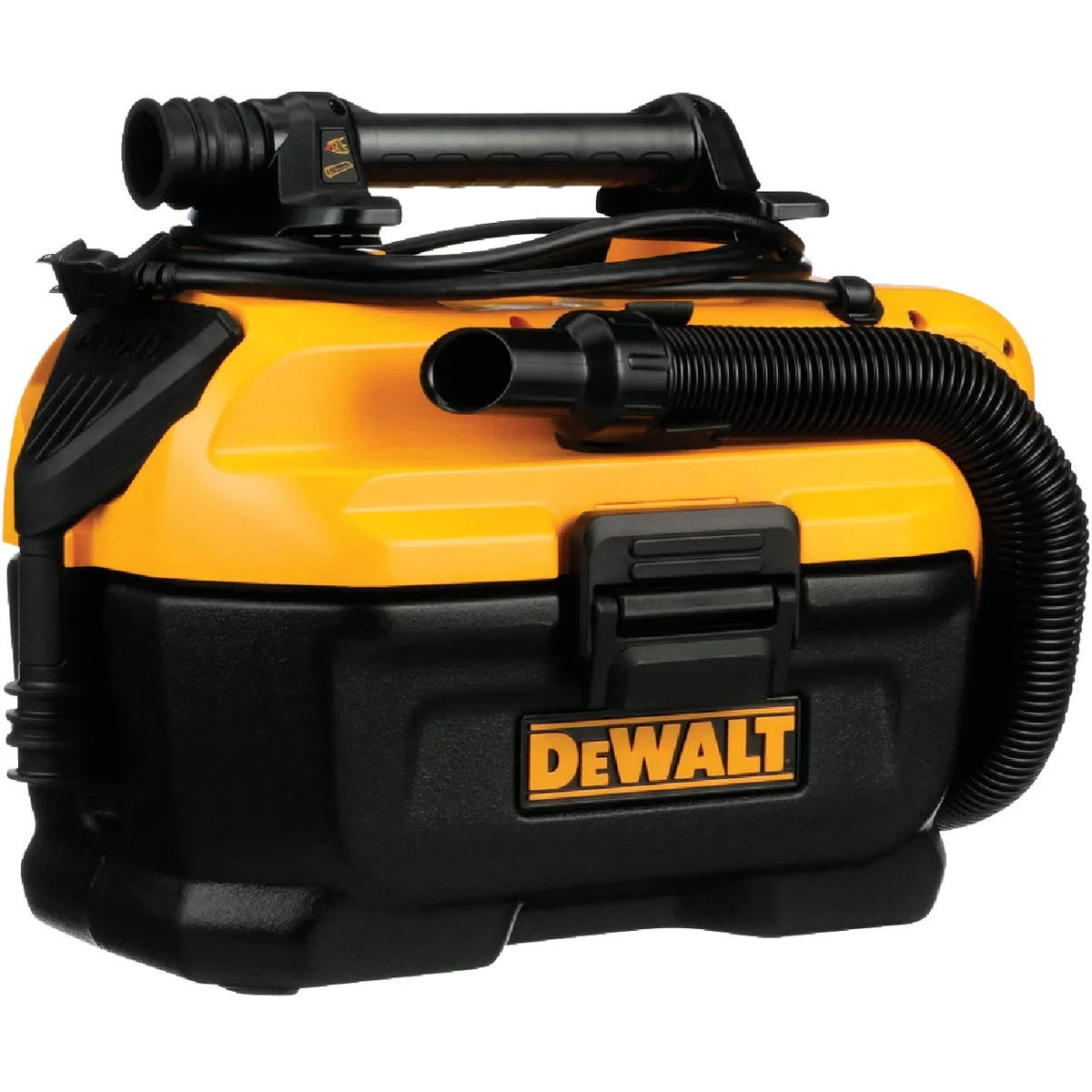
Image source: Bing (Web (fair-use with source credit))
| Feature | Corded Wet/Dry Vacuum | Cordless Wet/Dry Vacuum |
|---|---|---|
| Runtime | Unlimited while plugged in | 10 to 40 minutes per charge |
| Suction consistency | Steady, full power | Fades as the battery drains |
| Portability | Limited by outlet and cord | Fully mobile |
| Best fit | Big jobs, flood cleanup, workshops | Vehicles, quick pickups, remote spots |
| Extra cost | No battery replacement needed | Replacement packs and charger |
Corded models are the obvious choice for long sessions. A flooded basement is no time to stop every 15 minutes and swap batteries. Cordless units shine when the job is small or far from a plug.
You can reach a car interior or a shed without dragging an extension cord. If your machine starts to feel weak, though, that's a different problem than runtime. Low suction issues usually trace back to a clogged filter or a blocked hose, not a dying battery.
What Actually Drains the Battery (and What Doesn't)
Your battery doesn't care how dirty the garage looks. It cares about motor draw. More draw equals fewer minutes.
That's the whole science in one sentence.
- Suction mode is the biggest factor. High mode spins the motor at maximum speed. That can cut runtime in half compared to low mode.
- Motor efficiency matters too. Brushless motors waste less energy as heat. That means more of the battery's power becomes useful airflow.
- Wet pickup adds a real load. Water is heavy. Dragging it through a hose makes the motor work harder. Aggregate user reviews consistently show shorter runtimes on liquid cleanup.
- A dirty or wet filter also hurts. Reduced airflow forces the motor to spin harder. Check the filter before you blame the battery.
- Attachments change the math. A wide floor nozzle moves air differently than a narrow crevice tool. Narrow openings generally mean more resistance.
What doesn't drain the battery? The tank size. Whether it's 2.5 gallons or 16 gallons, the motor still runs the same way.
The bigger tank just gives you more time between emptyings.
The same airflow restriction happens when a flattened hose cuts off suction. That collapse forces the motor to pull harder and chew through more power. Keep your hose clear and you'll get closer to the advertised runtime.
The Specs That Matter on the Box
Every battery-powered wet/dry vacuum ships with a spec sheet. Most of it is fine print. Only a few numbers actually predict runtime.
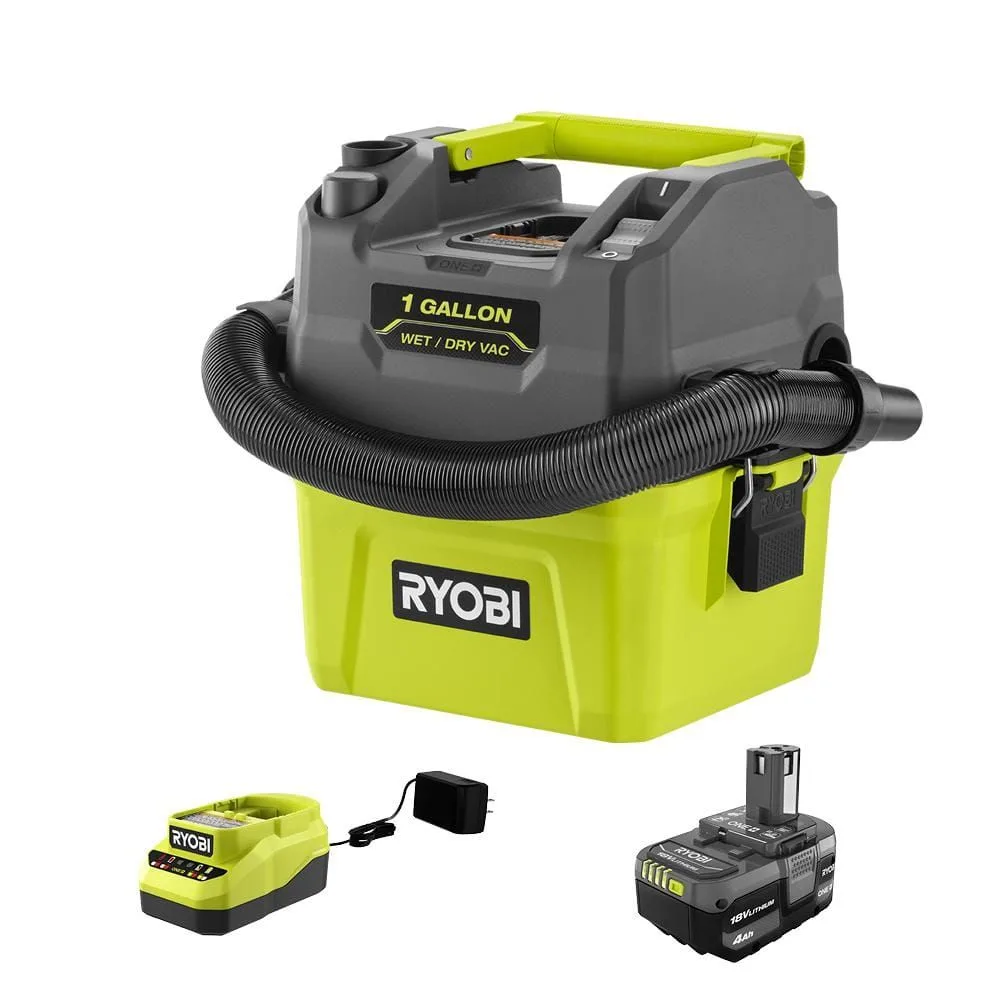
Image source: Web (Bing) / artofit.org (Web image (fair-use with source credit))
Voltage and amp hours are the main pair. Voltage drives the motor's potential power. Amp hours, marked as "Ah," measure the battery's energy reserve.
A 20V vacuum with a 5.0Ah pack will outlast a 20V vacuum with a 2.0Ah pack, all else being equal.
Before you buy, check that the model carries a recognized safety listing like Underwriters Laboratories. That's especially important for wet pickup, where electricity and water share the same machine.
| Spec | What It Tells You | Typical Range |
|---|---|---|
| Voltage (V) | Motor power potential | 12V, 20V, 36V, 40V |
| Amp hours (Ah) | Battery fuel capacity | 2.0Ah to 9.0Ah |
| Suction modes | Motor speed options | 1, 2, or 3 modes |
| Motor type | Efficiency level | Brushed or brushless |
| Tank capacity | Debris and liquid volume | 2.5 to 16 gallons |
| Airflow (CFM) | Volume of air moved | 40 to 150+ CFM |
Ignore the marketing numbers that promise "peak horsepower." That figure measures a brief motor spike. Runtime predictions depend on steady airflow and battery draw. If you keep the filter clean and the motor free of debris, you'll stay closer to the high end of the range.
That includes consistent filter upkeep on all your cleaning gear.
The Three Questions That Determine Your Runtime
Spec sheets give you a starting range. To narrow it down to a real-world estimate, ask yourself three quick questions. The answers turn a generic number into your number.
Question 1: What's Your Battery's Amp-Hour Rating?
Amp hours are the single best predictor of runtime. With a 2.0Ah pack, expect 10 to 15 minutes of high suction or 20 to 30 minutes of low suction. With a 4.0Ah pack, those numbers roughly double.
With a 6.0Ah pack, you can push toward 45 minutes on low mode.
Dual-battery models change the math again. Some vacuums draw from two packs at once. That effectively doubles the total fuel capacity before the motor cuts out.
The same logic applies to other battery-powered gear. You can see this pattern in rechargeable pool cleaners, where battery health shapes how many cycles you get.
Question 2: What Suction Mode Are You In?
Low mode is your runtime friend. It pulls less air but still handles sawdust, dry leaves, and light puddles. High mode is for stubborn messes and heavy debris.
Reserve it for when the low setting leaves too much behind.
Many two-mode vacuums cut runtime by roughly 40 percent when you switch to high. Three-mode models often have a medium setting that balances suction and battery life. Use medium whenever you're not sure which end to pick.
Question 3: What Are You Actually Picking Up?
Wet pickup runs shorter than dry pickup. Water is dense and takes more effort to move. Expect 20 to 30 percent less runtime on liquid cleanup than on dry sawdust at the same suction level.
Large or clingy debris also cost you. Soaked leaves, mud, or tangled strings can clog the hose. A blocked line kills airflow and forces the motor to pull harder.
If that happens, stop and clear the pickup head before you waste the rest of the charge.
If the dust is hazardous, like drywall or concrete residue, don't rely on runtime alone. Use proper extraction and follow the safety limits that apply to your work.
How to Stretch a Charge on Cordless Models
Drop into low suction mode first. That one decision can add 10 to 15 minutes to a small battery pack. The motor spins slower and wastes less energy on airflow you don't need.
A spare battery is the next best move. Many cordless shop vacs share the same battery platform as your drill or circular saw. Treat the second pack as part of the setup and you never truly pause for a charge.
- Clean the foam filter before a long job. A dirty filter chokes airflow and forces the motor to work harder.
- Check the hose for blockages. A clogged line increases motor draw.
- Use the right nozzle. A wide floor head moves more air than a narrow crevice tool.
- Keep the motor vents clear. Excess heat cuts efficiency and shortens runtime.
Battery packs age. They lose capacity over time, just like the packs in other battery-powered gear you may already own. Manufacturer specifications indicate most lithium-ion packs hold roughly 80 percent of their original charge after 300 to 500 cycles.
When to Stop and Just Use a Corded Unit
If the job is likely to run past 20 minutes, switch to a corded model. That's especially true for large puddles or wet messes. Water pickup drains batteries quickly, and a half-dry garage floor with a dead vacuum is a bad ending.
Think back to the variables we covered. A 2.0Ah battery on high suction might deliver only 10 minutes of wet pickup. That handles a small spill, not a real leak.
For workshop cleanups or post-renovation dust, a plug-in drum vac gives you steady, consistent performance.
The trade-off is portability. If the task is small, outdoors, or far from an outlet, a battery unit makes sense. Just carry a second pack and plan your timing around the job size.
For heavy renovation dust, check OSHA's silica guidance before you start. That's a health issue, not just a runtime one.
Common Runtime Mistakes People Make with Shop Vacs
Most "short battery life" complaints trace back to a handful of avoidable errors.
- Running high suction all the time. Most jobs don't need it. Low mode handles sawdust, light leaves, and small spills.
- Forgetting to swap the filter for wet pickup. A paper filter soaks up water and blocks airflow immediately.
- Letting the tank fill past the auto shutoff. The float engages, airflow stops, and the motor strains.
- Ignoring a full or clogged filter. A packed filter reduces airflow and increases motor draw.
- Running a collapsed hose. This halves efficiency in seconds.
Any noticeable drop in suction means the motor pulls harder. That wastes battery life fast. Fix the root cause before you blame the battery.
One more mistake, setting poor expectations. A 20V battery isn't meant to run a 16-gallon drum at max suction for an hour. It's a quick-clean tool, not an all-day workhorse.
Real-Life Scenarios: What the Numbers Look Like in Practice
Estimates only mean so much. Let's apply them to typical jobs you might actually run.
| Scenario | Battery Size | Suction Mode | Estimated Runtime |
|---|---|---|---|
| Quick garage sweep | 2.0Ah | Low | 15 to 20 minutes |
| Car interior cleanup | 4.0Ah | Medium | 20 to 25 minutes |
| Renovation dust pickup | 5.0Ah | High | 10 to 15 minutes |
| Small flooded puddle | 6.0Ah | High | 15 to 20 minutes |
These numbers assume clean filters and an unblocked hose. If the motor starts to drag, the battery drains faster and the runtime shrinks.
A 6.0Ah pack can finish a car interior on one charge. But a wet basement job will eat through two packs quickly. Match the task to the battery size and your planning gets much easier.
How to Keep Your Runtime from Shrinking Over Time
Battery care is the biggest factor. Lithium-ion packs lose capacity when stored at full charge in hot places. Keep them around 40 to 80 percent charge in a cool, dry spot when not in use.
The vacuum itself needs basic upkeep. Rinse foam wet filters after each liquid job. Replace the pleated paper filter as soon as it looks worn.
Clear debris from the hose and tank before storing the machine. That routine maintenance goes a long way.
Brushless motors run more efficiently when they can breathe. Most cordless shop vacs have exposed vents, so blow them out with compressed air every few months. That keeps the motor cool and preserves your rated runtime.
Battery and Vacuum Safety Warnings Worth Respecting
Electricity and water don't mix. That's the first rule of wet pickup. If you're vacuuming a puddle, plug into a GFCI-protected outlet or use a GFCI adapter.
A ground fault circuit interrupter can cut power in under a second. That quick reaction time prevents serious injury.
Battery packs need care too. Store lithium-ion batteries in a cool, dry place. Avoid leaving them fully charged in a hot garage.
Damaged or swollen packs should be recycled immediately. Never charge a wet battery or one that smells odd.
Use only the manufacturer charger for your specific battery platform. Mixing chargers can overheat cells and shorten their lifespan. Most cordless shop vacs carry a UL safety listing, so check the label before you buy.
That mark means the machine meets standard electrical safety requirements.
If you're cleaning hazardous dry debris like concrete dust, use a vacuum rated for that material. A standard shop vac filter may let fine dust escape back into the air. For renovation work, check the EPA's lead dust guidance and OSHA's silica exposure limits.
Safety matters more than runtime.
The Decision Guide: Match the Vacuum to Your Workflow
You've got the numbers. Now let's turn them into a simple decision. Start with the mess and work backward.
| Your Task | Recommended Setup |
|---|---|
| Quick car cleanup | Cordless, medium suction, spare battery |
| Garage sweep | Cordless, low suction for dust |
| Flooded basement | Corded unit with GFCI protection |
| Post-renovation dust | Corded with HEPA or fine dust filter |
| Outdoor patio leaves | Cordless, high suction if needed |
If the job takes under 15 minutes, a cordless unit works great. Carry one or two spare packs and you're covered. If the job stretches past half an hour, switch to a corded model.
Long wet jobs and heavy renovation cleanup always favor the plug-in version.
Match the machine to the power source and the task type. That's the real answer to the runtime question.
Frequently Asked Questions
Why does my battery drain faster on wet pickup?
Water is heavy and dense. Dragging it through a hose demands more motor power, which draws more current from the battery. Expect 20 to 30 percent shorter runtime on liquid jobs compared to dry pickup.
How many spare batteries should I keep?
One spare is the minimum for basic jobs. Two spares make practical sense for larger cleanups. That gives you roughly an hour of continuous work on most cordless models.
Can I use a cordless wet/dry vacuum for flood cleanup?
Only for tiny spills. A flooded basement needs a corded unit that runs continuously. Battery-powered models stop too often and can't handle the water volume.
Does a bigger tank make the vacuum run longer?
No. Tank size affects how often you empty it, not how long the battery lasts. The same 5.0Ah battery runs the same duration in a 4-gallon or a 12-gallon tank.
How long does a lithium-ion battery last before wearing out?
Most packs hold about 80 percent of their original capacity after 300 to 500 charge cycles. That translates to a few years of regular weekend use before you notice shorter runtimes.

