

Can a wet/dry vacuum be used outdoors? Yes. It's one of the most practical tools you can grab for patio, driveway, and garage cleanup.
But the answer has conditions. The right filter, a GFCI-protected outlet, and an outdoor-rated extension cord make the difference between a smooth job and a broken machine.
Manufacturer manuals and electrical codes agree on the basics. Dry debris calls for a dry filter. Wet pickup calls for a foam sleeve.
Every outdoor outlet needs proper GFCI protection. As of 2026, that guidance hasn't changed. Let's walk through each branch of the decision.
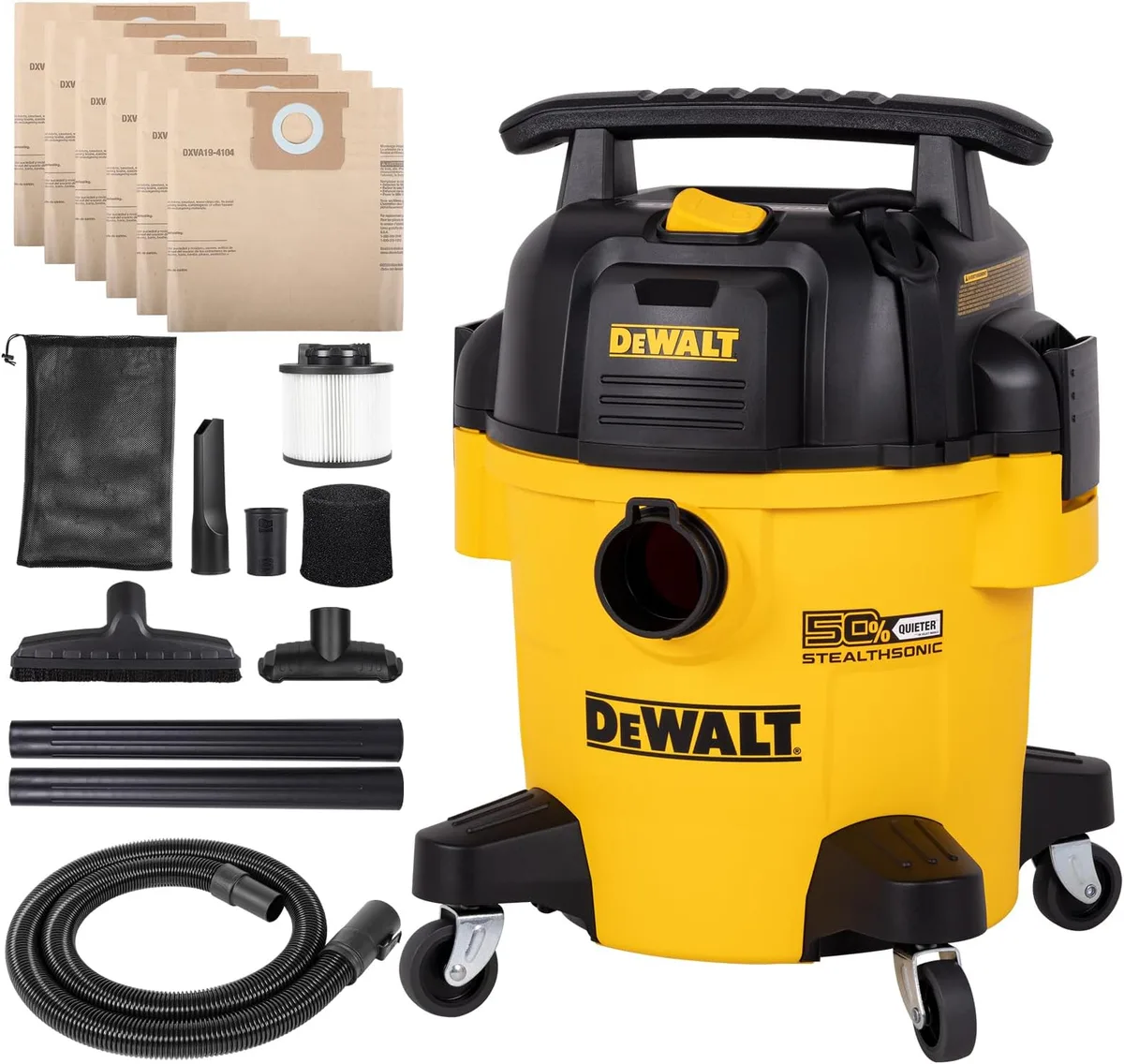
Image source: Web (Bing) / amazon.com (Web image (fair-use with source credit))
Quick Answer
Yes. A wet/dry vacuum can be used outdoors for dry leaves, grass clippings, and standing water. You need a GFCI-protected outlet, an outdoor-rated extension cord, and the correct filter for the task.
No single setup works for every outdoor job.
The First Branch: What Are You Actually Cleaning Outdoors?
Outdoor cleanup falls into three categories. Each category changes how you set up the vacuum and which accessories you'll use.
Dry Debris Only
For dry leaves, grass clippings, sawdust, or loose dirt, keep the standard cartridge filter in place. That filter traps fine dust and prevents it from blowing out through the exhaust port. A wide utility nozzle handles bulky leaves best.
The bigger opening reduces clogs.
Standing Water / Wet Pickup
For rainwater on a driveway or a flooded garage floor, swap the cartridge filter for the foam sleeve. The foam lets water pass without soaking the motor. Start with a clean, dry tank.
When the pitch of the motor changes, the tank is close to full. Shut off and drain immediately.
Using the Blower Function
Most wet/dry vacuums double as a blower. Attach the hose to the exhaust port for dry leaf piles, dust, or debris in a shed or garage. Aim carefully.
The airflow is strong enough to push material straight back into your face or through an open window.
Power Source Check: GFCI Outlets and Outdoor-Rated Extension Cords
The power source comes first, and it's non-negotiable. The National Electrical Code requires GFCI protection on all outdoor receptacles rated up to 250 volts. A GFCI outlet has Test and Reset buttons between the sockets.
It cuts power within milliseconds if it detects a ground fault.
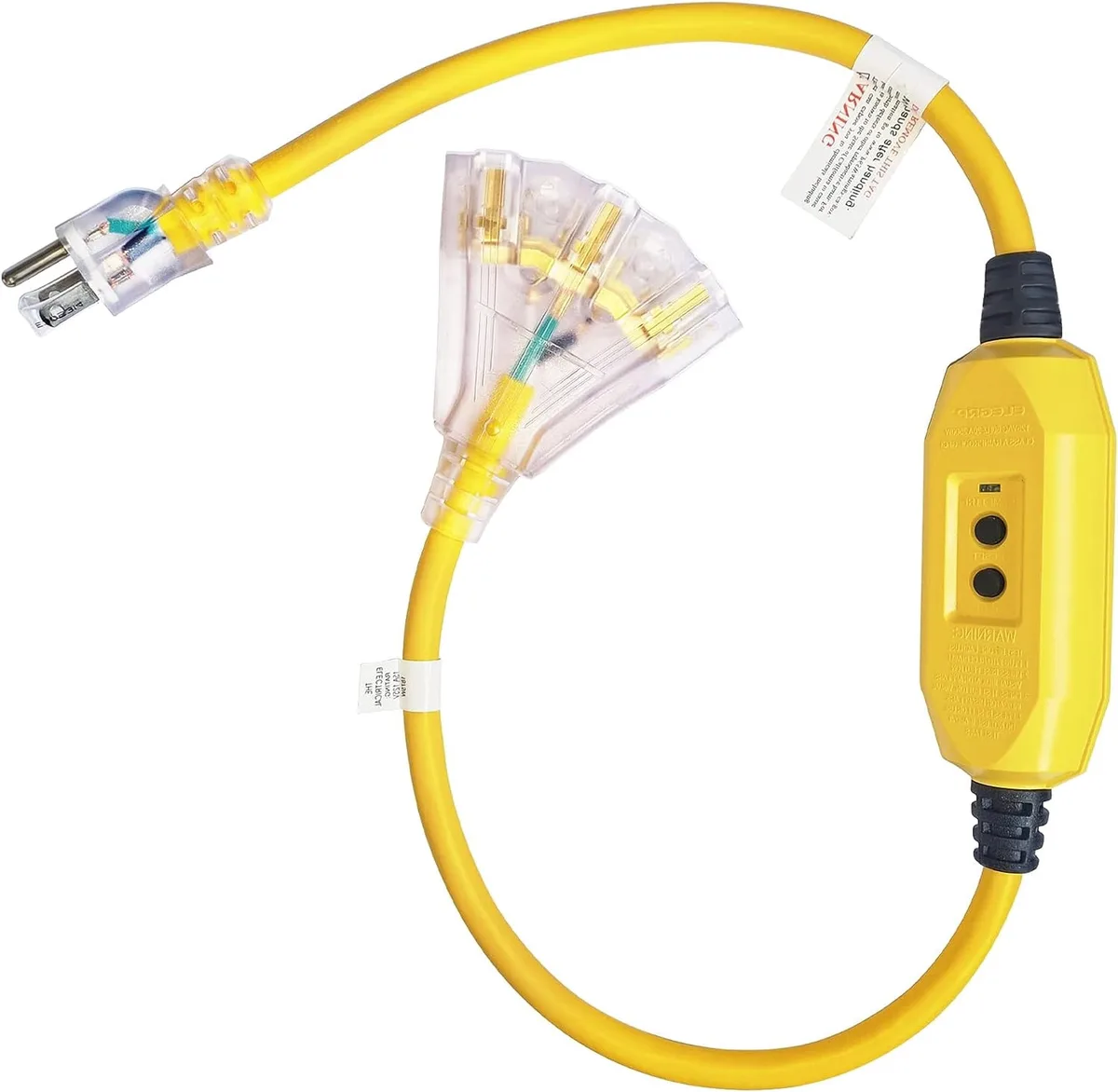
Image source: Bing (Web (fair-use with source credit))
If your outdoor outlet doesn't have those buttons, use a portable GFCI adapter. Better yet, have an electrician upgrade the receptacle. Never run a wet/dry vacuum from an unprotected outlet.
Extension cords need an outdoor rating too. Look for a "W" printed on the cord jacket. That letter means the cord is weather-resistant.
Indoor-only cords become brittle and hazardous when damp.
Cordless Options for Quick Jobs
Cordless wet/dry vacuums sidestep outlet concerns entirely. Most run 15 to 40 minutes on a full battery, which suits small patios and car trunks. They lack the endurance for flooded driveways or long construction days.
If your job takes longer than a single charge, a corded unit is the better tool.
Use the following gauge guide for a typical 12-amp corded vacuum:
| Cord Length | Recommended Gauge |
|---|---|
| Up to 25 feet | 14 or 12 AWG |
| 25 to 50 feet | 12 AWG |
| Over 50 feet | 10 AWG |
Thin cords over long runs drop voltage. That makes the motor strain and can trip the breaker.
Filter Setup: The Difference Between Wet and Dry Pickup
This is the step people get wrong most often. Wet and dry jobs use different filters, and they don't interchange safely in most machines.
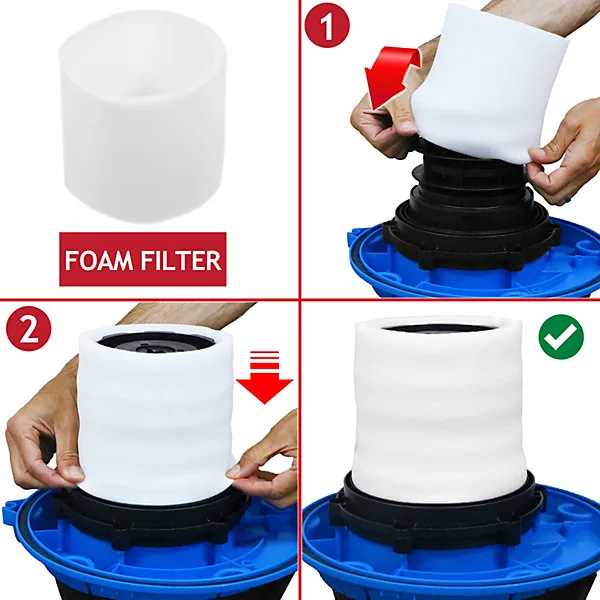
Image source: Web (Bing) / walmart.com (Web image (fair-use with source credit))
The vacuum ships with a cartridge filter for dry work. Moisture swells that paper or felt media, tears it apart, and pushes water into the motor. For wet pickup, slide the foam sleeve over the filter cage.
Switching filters takes about two minutes:
- Unplug the vacuum.
- Separate the power head from the tank.
- Pull off the cartridge filter.
- Slide the foam sleeve over the cage.
- Reattach the power head and check the seal.
Some newer models include a reusable cartridge rated for wet and dry use. Check your owner's manual before trusting it with water.
If you're vacuuming fine dry dust like drywall compound or cement, add a dust collection bag inside the tank. The bag catches the fine particles before they reach the main filter. That keeps suction strong much longer.
Step-by-Step: Safe Outdoor Setup and Operation
Follow this routine in order every time:
- Fit the correct filter first.
- Confirm the outlet is GFCI-protected.
- Connect an outdoor-rated extension cord of the right gauge.
- Inspect the power cord for cuts or cracked spots before plugging in.
- Attach the proper nozzle for the task.
- Plug in and keep all connections off wet ground.
- Work in slow, overlapping passes.
Place the vacuum on flat, stable ground. A sloped driveway can tip a half-full water tank. Hard plastic wheels slide on incline, so set the unit on a board or rubber mat if necessary.
Keep the hose routed so it doesn't pull the vacuum sideways.
Watch the float shut-off during wet pickup. When the float rises and blocks airflow, the suction stops and the motor pitch changes. That means the tank has reached capacity.
Drain it before continuing.
Outdoor Use Cases That Work Great
A wet/dry vacuum handles a wide range of outdoor jobs well:
- Clearing leaves and grass clippings from driveways and patios
- Picking up standing water after rain
- Unclogging downspouts with a gutter cleaning kit
- Blowing dust out of garages, sheds, and outdoor workshops
- Cleaning a car trunk or back seat while parked outdoors
- Sucking debris from around the pool deck
For gutter cleaning, attach extension wands and a curved nozzle to the hose. Use a collection jar to trap wet leaves before they reach the tank. Empty the jar when it's half full to prevent clogs.
For pool areas, stick to the dry edges and the top step. Wet/dry vacuums are not designed to be submerged. If you need a deeper pool clean, a robotic pool cleaner handles the walls much better.
Robotic models that climb walls will save you the hassle. If your pool water has gone cloudy, a pool-specific treatment will be safer than improvising with a shop vac.
What Not to Do: Common Mistakes and Fixed Mindsets
The biggest problems come from wrong assumptions rather than broken machines.
- Never vacuum gasoline, solvents, or paint thinner unless the unit is explicitly rated for them.
- Never pick up hot ashes or live embers.
- Don't use a wet foam sleeve to pick up dry dust. It cakes and kills airflow.
- Don't operate the vacuum in active rain.
- Don't let the tank overflow past the float shut-off.
Wet stringy debris, like soaked leaves or twigs, can jam inside the hose and kill suction fast. Remove the nozzle and clear the blockage. This works surprisingly well when your pool vacuum hose collapses, too.
Alternatives Worth Considering Before You Start
Sometimes a wet/dry vacuum isn't the best tool.
- A leaf blower covers more ground faster for dry leaves.
- A broom and shovel make more sense for heavy, chunky debris.
- A pressure washer handles ground-in grime on patios.
- A submersible pump removes deep standing water in a flood.
- An indoor household vacuum can't handle the outdoors or moisture.
- A purpose-built pool vacuum cleans underwater surfaces properly. If autumn leaves are your problem, look for a model built for heavy leaf debris.
Use the wet/dry vac for mid-size messes, water pickup, and quick blowing tasks. Use the dedicated tool for the extreme ends of the scale.
Maintenance After Outdoor Use: Tank, Filter, and Hose Care
Good maintenance starts before you store the unit.
- Empty the tank right away. Don't let wet debris sit overnight.
- Rinse the tank with a hose after dirty water jobs.
- Clean or rinse the filter. Let the foam sleeve dry fully.
- Flush the hose after wet use, then run the vacuum for a few seconds to push moisture out.
- Store the unit somewhere dry and out of direct sunlight.
Treat the filter like you would the filter in a robotic pool vacuum. Regular cleaning prevents odor, mold, and slow suction loss.
For larger tanks, drain through the port instead of lifting the whole machine. Position the vacuum near a storm drain, unscrew the cap, and let gravity do the work. Most 10-gallon tanks empty in under two minutes.
Cold weather changes the routine. Drain every drop before the first freeze. Water can freeze, expand, and crack the tank.
Keep the foam sleeve indoors so it doesn't turn brittle. Then run through the same storage steps each season.
Final Decision Guide: Should You Use It Outdoors Today?
Run through this quick checklist before you haul the vacuum outside.
- Dry debris on a dry day? Yes, use the cartridge filter.
- Standing water? Yes, swap in the foam sleeve and use a GFCI outlet.
- Big leaf piles across the yard? Reach for a blower.
- Outlet without GFCI? Fix that first.
- Gasoline or solvents involved? Stop. A standard shop vac won't handle flammable liquids.
When the filter matches the task and the power source is safe, a wet/dry vacuum becomes one of the most reliable tools you own.
Frequently Asked Questions
Can I use a wet/dry vacuum in the rain?
No. The vacuum body isn't weather-sealed, so active rain can reach the motor and cause a short. Move the unit under cover if you want to clean up right after the rain stops.
Do I need a special filter for wet pickup?
Yes. A cartridge filter will swell and tear once wet. Slide on the foam sleeve filter for wet pickup.
It keeps water away from the motor while trapping debris.
Can I use a wet/dry vacuum to blow leaves?
Yes. If your model has a blower function, attach the hose to the exhaust port and aim from there. It works well for dry leaves but a dedicated blower is faster for large yards.
What happens if I forget to swap the filter?
You'll see fine mist spray out of the exhaust port. The filter may tear and the motor may strain. Stop, unplug, remove the damaged filter, and clean the tank before you try again.
What extension cord should I use outdoors?
Use a cord rated for outdoor use with a "W" on the jacket. For a typical 12-amp vacuum, choose a 12-gauge cord for runs up to 50 feet. Thinner cords overheat and cause voltage drop.

