

Can a shop vacuum clean a fireplace? Yes, but only if you set it up correctly and follow the right steps. If you've ever stared at a pile of grey ash a few days after a fire, you've probably wondered whether your garage's wet/dry vac could handle the job.
The honest answer is: it can, but most people do it wrong the first time.
The big risk is hidden heat. Ash can stay warm enough to ignite combustibles for up to three days after the flames die out. As of 2026, the National Fire Protection Association still recommends keeping ashes in a covered metal container placed at least 10 feet from any structure.
One mistake with a cold-looking ash pile can melt a plastic vacuum tank or start a fire. Let's walk through exactly when it works, when it doesn't, and how to do it safely.
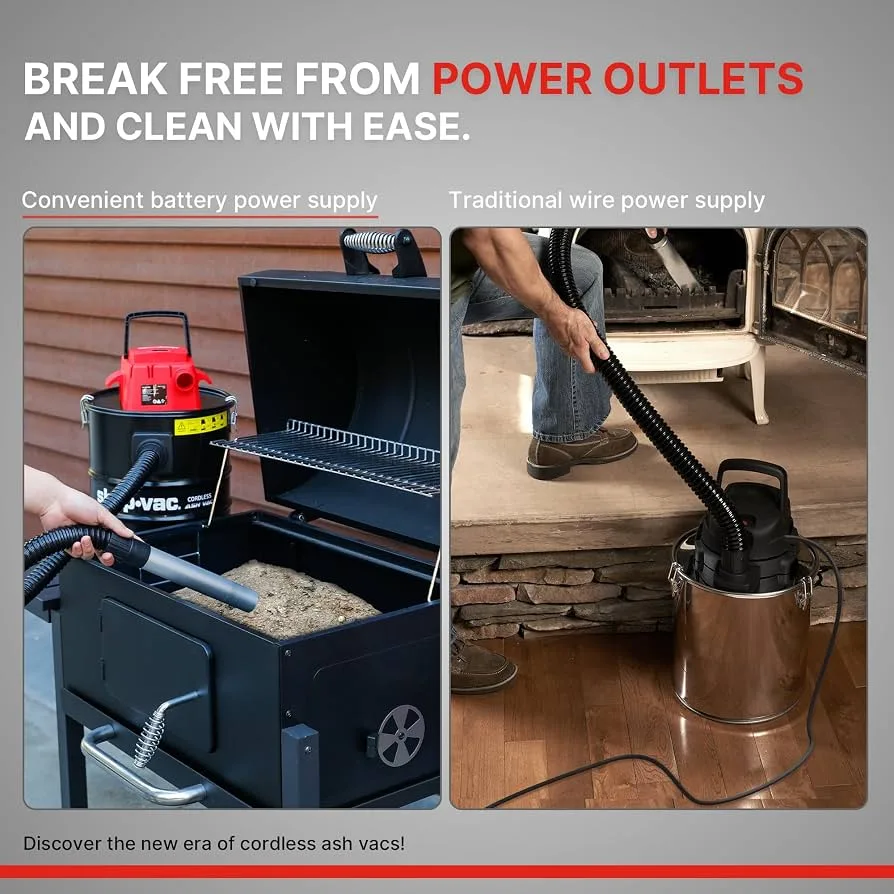
Image source: Bing (Web (fair-use with source credit))
Quick Answer: Yes, But Only Once the Fire Is Cold
A shop vacuum can clean a fireplace if the ashes are completely cold. You also need a fine-dust filter bag designed for ultra-fine particles. Without one, a standard shop vacuum will blow microscopic ash straight through the filter and into the air.
That's not just messy. It's a respiratory hazard.
The process takes about 15 minutes once you have the right setup. Wait two to three days after the fire. Remove large debris by hand.
Pre-scoop heavy ash into a metal bucket. Then vacuum the remaining powder with a fine-dust bag installed. Empty the vacuum outside into a covered metal container, never indoors.
If you follow those steps, a regular shop vacuum handles a fireplace about as well as a dedicated ash vacuum. The key is the setup, not the machine.
The Real Problem: Ash Isn't Dust
Ash looks like dust, but it behaves very differently. Wood ash is a fine, dense, powdery material. Its particles are small enough to slip through standard vacuum filters and blow back out the exhaust.
That's why people end up with a grey cloud hanging in the room after cleaning the fireplace. The room looks worse than before they started.
The bigger issue is heat. Even when the surface feels cool, the center of the pile can hold live coals. This is a well-documented hazard.
The NFPA recommends storing ashes in a covered metal bucket on a non-combustible surface. Keep it 10 feet away from your house, garage, or wooden deck. Never use a plastic bag or cardboard box.
So there are three real problems to solve: fine particle filtration, hidden heat, and correct disposal. Each one needs to be handled before you even touch the vacuum. Solve only one, and you're setting yourself up for a dangerous mess.
Shop Vac vs. Ash Vac: What's Actually Different?
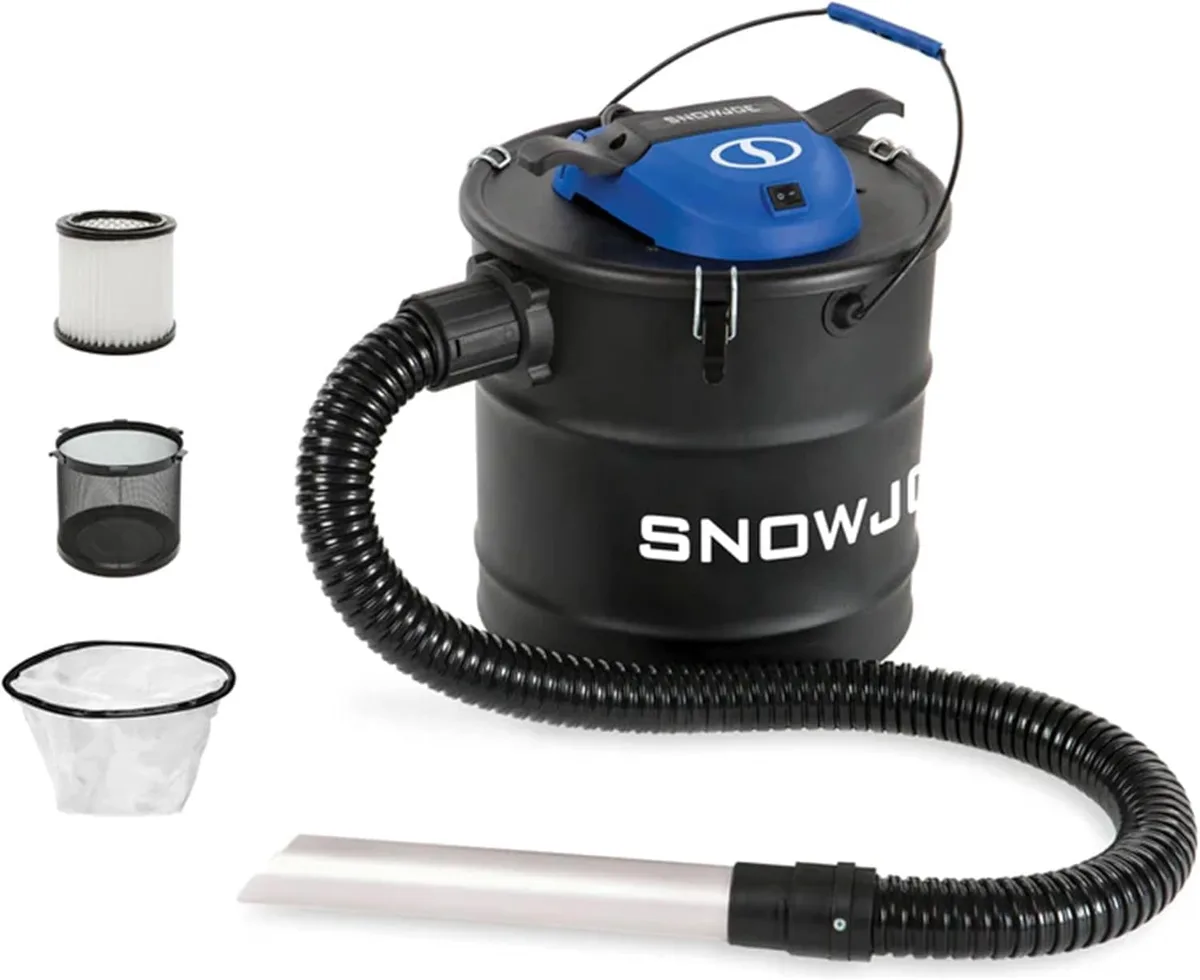
Image source: Bing (Web (fair-use with source credit))
Dedicated ash vacuums exist for a reason. They're engineered to handle the two challenges above. Most come with metal canisters to resist heat.
All of them include a sealed, multi-layer filter system built to trap fine ash particles.
| Feature | Standard Shop Vac | Dedicated Ash Vac |
|---|---|---|
| Tank material | Usually plastic | Usually metal |
| Heat tolerance | Low | High enough for warm ash |
| Filter system | Single foam or cartridge | Sealed fine-paper filter or HEPA |
| Included bag | No fine-dust bag | Yes, fire-rated disposable filter bag |
| Best for | General workshop debris | Cold or slightly warm ash only |
| Typical price | $40 to $150 | $50 to $200 |
That said, our research suggests a shop vacuum can match an ash vacuum if you retrofit it correctly. A fine-dust bag is a simple paper bag that fits inside the collection tank. It traps particles before they reach the primary filter.
Combined with a HEPA cartridge filter, this setup catches just as much fine ash as a dedicated unit.
The real difference is heat tolerance. An ash vacuum's metal tank can handle an accidental warm ember without melting. A plastic shop vac tank can't.
That's why the "completely cold" rule is non-negotiable. You can solve the filtration problem for under $15. You can't solve a melted tank with a new filter.
Proper troubleshooting starts with checking the filter first, a lesson that applies to any vacuum that loses performance.
When You Can Clean a Fireplace With a Shop Vac
If you can check all four boxes below, your shop vacuum is a safe and effective tool for the job.
- The fire is completely out. No smoke, no glow, no warmth radiating from the firebox.
- You waited 48 to 72 hours after the last fire and stirred the ash to confirm zero embers.
- You have a fine-dust bag that fits your specific shop vacuum model.
- You plan to empty the vacuum outside into a covered metal ash container.
If any of those conditions is missing, wait or use a different method. The good news is that waiting costs nothing and removes most of the risk. A shop vacuum with the right attachments reaches tight corners of the firebox far better than a dustpan and broom ever will.
In practice, a shop vacuum is the right tool for routine ash removal between professional chimney sweeps. It's also ideal for spring and fall cleanouts, when you're clearing the entire firebox before a long period of disuse. Just remember that this applies to cold ash only.
For creosote and soot stuck to the firebox walls, a chimney brush and a certified sweep are the safer route.
When You Absolutely Should Not Use a Shop Vac
There are three situations where you should put the shop vacuum away. The first is obvious: the fire was recent. Any glow, heat, or smoke in the firebox makes your shop vac a fire hazard.
Even a plastic tank that doesn't melt right away can warp and leak, spreading embers onto your floor.
The second is if you only have a standard filter bag, or no bag at all. Vacuuming ash without fine-dust protection will blow particulate into your lungs. Per EPA guidance, fine particles of this size can trigger coughing, asthma attacks, and long-term airway problems.
That's not a "messy house" issue. It's a health issue.
The third is if your shop vacuum was used for wet pickup recently and you haven't changed the filter. Moisture left in the foam can turn ash into a paste. That paste clogs the hose and can burn out the motor.
A clogged vacuum also loses suction unpredictably, so you might stop mid-job with a half-cleaned firebox.
One more warning applies to gas fireplaces with ceramic logs. Never vacuum ash, sand, or debris from inside a gas unit. You can dislodge burner components or suck sand into the gas valve.
Use a soft brush and a handheld vacuum for the exterior surfaces only. A standard shop vacuum is too aggressive for delicate gas components.
If any of these situations sounds like yours, skip the shop vac entirely. Use a metal ash shovel, a covered metal bucket, and a dustpan. It's slower, but it's guaranteed safe.
For most homeowners, slow and safe beats fast and risky every time.
Step-by-Step: How to Safely Vacuum Ash With a Shop Vac
This is the workflow that works. Follow it in order, and you'll avoid the health risks and equipment damage that catch most people off guard.
Step 1: Confirm the fire is fully dead. Check for smoke rising from the ashes. Place the back of your hand near the firebox walls. If you feel warmth, close it and wait another day.
Step 2: Stir the ashes gently with a metal fireplace tool. Break apart any solid chunks. If you see an orange glow or find a still-charred log, stop and wait another 24 hours.
Step 3: Remove large debris by hand. Use a metal shovel or gloved hand to pull out unburned wood pieces and big clumps. Put them in a metal bucket. Don't vacuum anything larger than an inch across.
Step 4: Install a fine-dust bag inside the vacuum tank. This is the most critical step. Check your vacuum's manual for the recommended bag. Look for a bag rated for particles of 1 micron or smaller.
Step 5: Attach a brush nozzle or crevice tool. Use the soft brush attachment for the firebox floor and walls. The crevice tool helps with corners and the damper area. Avoid the bare metal hose nozzle, which can scratch brick and mortar.
Step 6: Vacuum the ash slowly. Work from the edges toward the center. Keep the nozzle moving and avoid pressing hard into the pile. That only stirs up dust and clogs the bag faster.
Step 7: Empty the vacuum outside. Take the whole unit outdoors. Open the tank away from doors and windows. Tap the fine-dust bag out into a covered metal ash bucket.
Seal the bag and dispose of it once the ash has fully cooled.
Step 8: Clean the vacuum before storing it. Wipe the hose, rinse the filter if your model allows it, and let everything dry completely. Ash left inside can trap moisture and corrode metal parts. The same care routine that keeps a robotic pool vacuum running for years applies here: clean filters, dry parts, and store properly.
Regular maintenance makes any vacuum last longer.
What You Need (And What You Should Skip)
Some tools are worth using. A few will make things worse. Here's what our research says matters.
| Item | Needed? | Why |
|---|---|---|
| Fine-dust filter bag | Yes | Traps ash before it reaches the motor |
| HEPA cartridge filter | Recommended | Catches the finest particles if the bag tears |
| Metal ash bucket with lid | Yes | Safe storage for ash and embers |
| Crevice tool | Yes | Reaches corners and damper openings |
| Soft brush attachment | Yes | Prevents scratching brick and mortar |
| Foam filter alone | No | Pushes fine ash straight through |
| Standard paper shop bag | No | Tears easily under ash weight |
| Plastic storage bag | Never | Melts or shifts when warm |
Don't rush out to buy a dedicated ash vacuum right away. A fine-dust bag costs about $10 to $20 for a three-pack. A HEPA cartridge filter runs another $20 to $40.
That's a fraction of the $100 to $200 you'd spend on a purpose-built unit. The same math plays out with pool vacuums, where replacing a clogged filter costs far less than replacing the whole machine.
Common Mistakes That Cost People Their Vacuum (or Worse)
Vacuuming ash while it's still warm. The most common and the most dangerous error. Incident reports describe vacuum tanks melting within minutes of pulling warm embers through the hose.
Using the wrong filter bag. A standard paper bag designed for sawdust won't catch ash. Ash particles are 10 to 50 times finer than sawdust. They pass straight through the fibers and collect on the motor.
The motor then overheats and fails.
Emptying the vacuum indoors. Ash dust re-enters the air the second you open the tank. Even a fine-dust bag releases powder when you pull it out. Take the unit outside and cover your nose and mouth while emptying it.
Trying to vacuum around a gas fireplace. The pilot assembly, ceramic logs, and burner ports were never designed to survive suction. You can pull components loose or suck burner sand into the valve.
Not switching hose attachments. A wide utility nozzle spreads suction across too much surface and kicks ash upward. The brush or crevice tool concentrates airflow where you aim it.
There's a pattern here. Most mistakes happen when someone treats ash like normal dust. It isn't.
And if you're the type who pushes equipment past its limits, taking a minute to fix a suction problem before it starts will save you more money than any repair bill.
How to Clean a Fireplace Without a Shop Vac
If you're not confident using your shop vac for this, two reliable alternatives exist.
The traditional ash shovel and bucket. A metal fire-resistant shovel with a long handle is cheap and effective. Scoop from the center outward and keep a covered metal bucket nearby. This method takes about 20 to 30 minutes for a standard firebox.
There's zero risk of filter blowback or ember ignition.
The dedicated ash vacuum. If you burn wood regularly, an ash vac is worth the $100 to $150 upfront cost. It's designed for this exact job. Metal container, sealed filter, and fire-rated bag.
It sits comfortably between speed and safety.
A chimney sweep service. If the ash is part of a bigger issue, like creosote buildup, don't DIY it. A certified sweep handles both the ash and the deeper cleaning. Expect to pay $150 to $350 depending on your location and chimney condition.
Use this simple rule to choose. If you clean your fireplace more than once a season, buy an ash vacuum or set up your shop vac properly. If you burn wood occasionally, the shovel and bucket method is plenty.
This same value-based decision appears in other equipment choices, like whether robotic pool vacuums justify their price for seasonal pool owners.
Safety First: Ash Disposal and Fire Hazards
Cleaning is only half the job. Ash disposal is where things go wrong, sometimes days later. Ash can stay hot for several days.
When sealed in a plastic bag or cardboard box, it can easily re-ignite and set your garage or trash can on fire.
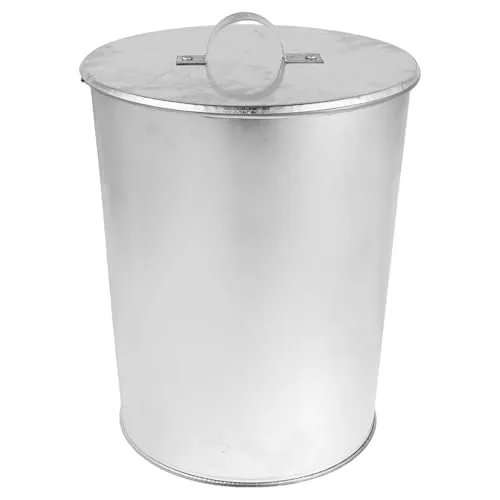
Image source: Bing (Web (fair-use with source credit))
The NFPA recommends these practices:
- Keep ashes in a covered, fire-resistant metal container with a lid.
- Place the container on a non-combustible surface like concrete or dirt.
- Keep the container at least 10 feet from your house, deck, or garage.
- Never empty ashes into plastic bags, paper bags, or plastic trash cans.
- Never place warm ashes in a compost bin.
Water and ashes don't mix. Misting the ash settles dust, but it also creates lye, a corrosive substance that can damage tools, concrete, and metal. Per CPSC guidance, household contact with wet ash can cause skin irritation and burns.
Keep the ash dry during disposal and wear gloves when handling it directly.
For practical wood-burning appliance maintenance, the EPA's Burn Wise program publishes clear, research-based guidance.
FAQs: Fireplace Cleaning With a Shop Vac
Can I use a regular shop vacuum on ashes?
Yes, but only if the ashes are completely cold and the vacuum has a fine-dust filter bag installed. Without a bag rated for ultra-fine particles, ash will pass through the filter and back into the air.
Do you have to wait 24 or 48 hours before vacuuming ash?
Wait at least 48 hours. Some fireplaces hold heat longer than others. If the firebox still feels warm to the touch at 48 hours, wait another full day.
What kind of filter do I need to vacuum ash?
Use a fine-dust bag rated for particles of 1 micron or smaller. Pair it with a HEPA cartridge filter if your model supports one. Standard foam and paper filters won't catch ash.
What is the safest way to clean a fireplace with a vacuum?
Wait until the fire is out. Stir the ash to confirm no embers. Vacuum slowly with a brush nozzle.
Then empty the vacuum outside into a covered metal bucket.
Can a shop vacuum be damaged by vacuuming ash?
Yes, if you use the wrong filter. Ash can clog the motor and cause overheating. A fine-dust bag prevents that by trapping particles before they reach the motor.
The Bottom Line: Should You Do It or Call a Pro?
Here's the decision in plain terms. If your ashes are cold, you have a fine-dust bag, and you'll empty the vacuum outdoors, DIY works. It's fast, cheap, and perfectly safe when done right.
If you have a gas fireplace, a recent fire, or no filter bag, call a pro or use hand tools. Those conditions change the calculation. No shortcut is worth a house fire or a damaged vacuum.
Most homeowners fall into the DIY camp. Once you own a fine-dust bag and a metal ash bucket, the whole job takes 15 minutes. You'll save the $150 to $350 a chimney sweep charges for what is essentially a cleaning run.
The safest approach is also the simplest: be patient with the ash, use the right filter, and store the ash correctly. That combination turns a shop vacuum into a perfectly good fireplace cleaning tool.

