

Are shop vacuums worth buying? For anyone who's ever stared at a flooded floor or a pile of sawdust, the answer feels like an easy yes. But the honest answer is more conditional than that.
It depends on where you'll store the unit, what you'll pick up with it, and what you already own.
As of 2026, entry-level corded shop vacuums with five to ten gallon tanks typically run $40 to $80. Manufacturer specs put their airflow between 50 and 150 CFM, which is far stronger than a standard household canister vacuum. Those numbers explain why a shop vac can handle messes a regular vacuum can't.
The real question is whether you actually face those messes.
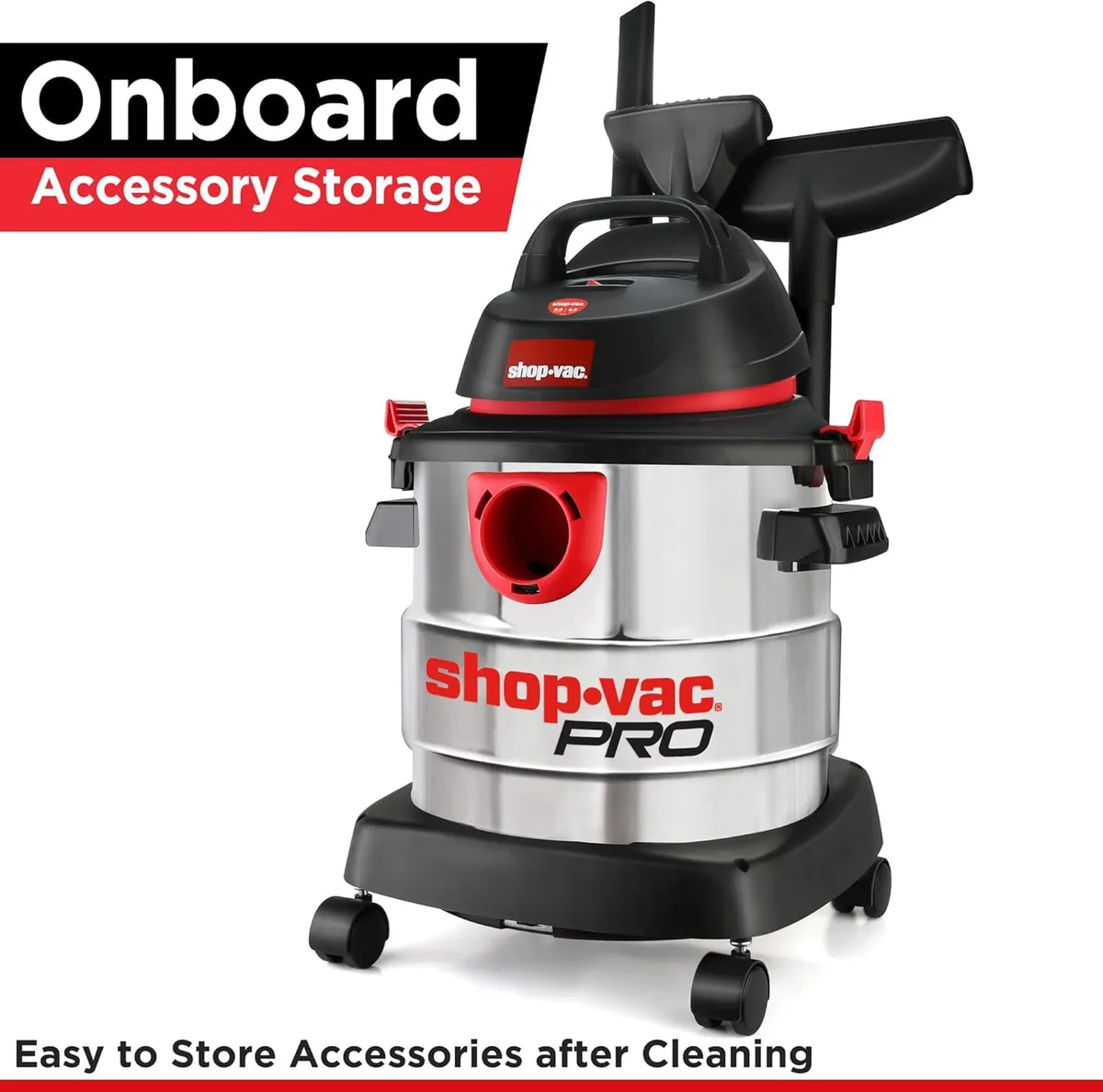
Image source: Web (Bing) / walmart.com (Web image (fair-use with source credit))
Quick Answer
Are shop vacuums worth buying? Yes, for anyone who manages a garage, workshop, or flood-prone basement. No, if you mainly want a quieter, better version of the vacuum under your sink.
Match the filter to the job and confirm you have storage space. That is the deciding factor.
Why the Question Even Comes Up
The question usually shows up after a frustrating cleaning moment. You tried to suck water out of a washing machine overflow and got sparks instead. You dragged your kitchen vacuum into the garage to grab sawdust and clogged the hose in five minutes.
You detailed your car with a portable vacuum that barely lifted pet hair from the floor mats.
| Mess | Regular household vacuum | Shop vacuum |
|---|---|---|
| Water | Motor damage, risk of shock | Handles it with the right filter |
| Sawdust | Clogged hose, ruined filter | Eats it without complaint |
| Gravel / drywall dust | Guts the impeller | Built for heavy debris |
| Car detailing | Weak suction on tight spaces | High airflow, long hose reach |
In our research, the buyers who got their money's worth had a recurring mess. The ones who returned the unit were solving a one-time problem. Aggregate reviews report the same pattern across dozens of models.
If your mess is seasonal, a shop vac still makes sense. If it happens once every few years, maybe not.
The Short Answer Before We Dig In
A shop vacuum is a high-airflow, wet/dry utility machine designed for the messes that wreck regular vacuums. It's loud, bulky, and not exactly pretty. But it earns its keep in the right environment.
A shop vac is a utility tool, not an appliance. You don't leave it out because it looks nice. You wheel it out because a mess needs solving.
When it solves that mess in ten minutes instead of an hour, the purchase pays for itself.
The decision tree comes down to five conditions. Answer them honestly and you'll know exactly which branch you're on.
Five Questions That Decide Whether It's Worth It for You
Q1: What messes do you actually face?
If your messes involve water, sawdust, drywall dust, gravel, or car grime, a shop vac is worth it. If they're just household dust and pet hair, it isn't the upgrade you're looking for. The shop vac shines at the stuff a normal vacuum can't touch.
The house dust problem is better solved with a lighter, quieter machine.
Q2: Where will you store it?
A 10-gallon drum unit is about as wide as a kitchen trash can. It takes up roughly two square feet of floor space and needs a clear spot near a power outlet. If that sounds like a problem, look for a 5-gallon portable or a wall-mount bracket.
Storing a shop vac in a walk-in closet almost never works.
Q3: Have you already wrecked a household vacuum?
Water kills standard motors. Fine dust destroys filters. Aggregate repair forums are full of posts from people who ruined a perfectly good vacuum on a single garage project.
If that's you, a shop vac isn't a splurge. It's the fix for the mistake you've already made.
Q4: Will it get used monthly, weekly, or once?
Use frequency is the biggest predictor of satisfaction. Weekly users call it one of the best small investments in their home. Once-a-year users call it a dusty plastic tank in the way.
Be honest about your calendar before you buy.
Q5: How much noise can you handle?
A shop vac typically runs 70 to 85 dB at arm's length. That's louder than a normal conversation and right at the edge of needing hearing protection for extended sessions. If noise drives you crazy, your decision changes.
Decision Branch One: The Garage / Workshop Owner
If you spend weekends in a garage or shed, the answer is yes. This is the most clear-cut branch in the decision tree. Woodworking, metalwork, and car maintenance all create the exact debris that shop vacs handle best.
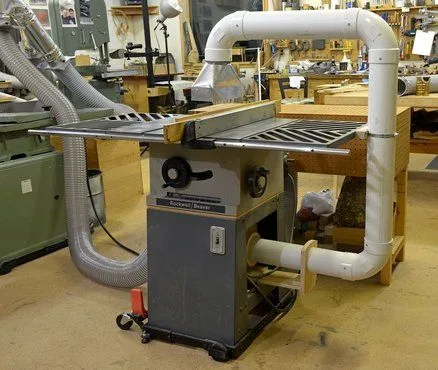
Image source: Web (Bing) / pinterest.com (Web image (fair-use with source credit))
In our research, woodworkers were the most satisfied buyer group. A shop vac with a pleated cartridge filter and a cyclone separator attachment picks up sawdust without constant clogging. Add a tool-activated switch and the vac starts automatically when your tablesaw starts.
Best specification priorities for this branch:
- Tank capacity of 10 to 16 gallons
- 2.5-inch hose for sawdust and wood chips
- Pleated cartridge filter, plus dust bags for finer cleanup
- Tool-activated outlet on the side
- Wall-mount bracket to keep the unit off the floor
A basic corded model in this size runs $80 to $150. That's less than one service call for a damaged workshop tool. The same logic applies to our robotic pool machines guide, where frequency of use decides value.
If you use it weekly, you'll love it. If it sits for months, you'll second-guess the whole idea.
One important safety note: fine dust from drywall, sawing, or grinding is a real airborne hazard. The OSHA silica standard treats dust control as a safety issue, not just housekeeping. A standard shop vac without a HEPA filter and dust bag will blow a lot of that fine dust back into the air.
For woodworking and metalwork, a pleated filter is enough. For drywall or masonry, invest in HEPA and bagged containment.
Decision Branch Two: The Emergency-Ready Household
This branch is for homeowners who buy a shop vac the week after a flood, not the week before. It's still worth it, but the reasons are different. You're not chasing everyday sawdust.
You're preparing for the next appliance leak, basement seep, or contractor mess.
Emergency situations where a shop vac earns its keep:
- Basement floods and water heater leaks
- Overflowing washing machines
- Car spills and muddy floor mats
- Renovation dust after contractors leave
- Snow and slush tracked through the entryway
Wet pickup needs one important setup step. Before vacuuming water, install the foam sleeve filter over the float cage. Skipping that step lets water reach the motor.
Also plug the unit into a GFCI outlet and empty the tank before it fills to the float. Those three habits prevent most shop vac failures.
A 5-gallon corded model is enough for emergency water pickup. A larger unit with a drain valve makes emptying faster. Stainless steel tanks also resist rust better than polymer tanks, which matters if you'll vacuum water a few times a year.
This branch is also home to pool owners. The habits you use to maintain a shop vac's hoses, seals, and filters are the same as the ones that keep a wet-style pool cleaner moving properly. Check for cracks, rinse hoses after wet jobs, and let everything dry before storage.
In the end, an emergency-ready household may only use a shop vac five or six times a year. That's still enough to justify the cost. It's the same math as owning a plunger.
You hope you don't need it, but when you do, it's the only thing that works.
Decision Branch Three: The Fine-Dust-Sensitive User
Fine dust changes the answer. If you cut drywall, grind concrete, or sand a lot of wood, a standard shop vac is the wrong tool. It will blow the smallest particles back into the air you breathe.
That's a real health issue, not a comfort issue. The EPA's lead renovation rules require HEPA vacuums for certain dust. OSHA's silica standard does the same for concrete work.
If your projects involve these materials, buy a HEPA model or skip the shop vac entirely.
Better setup for fine dust:
- HEPA-rated filter
- Disposable collection bags inside the tank
- Sealed hose connections
- Consider a dust extractor instead
Dust extractors cost more, roughly $250 to $600. They use tighter seals and better filtration to capture fine dust at the source. Serious woodworkers and drywall contractors get their money's worth.
Casual users rarely need that tier.
A cheaper workaround exists. Add a cyclone separator to a standard shop vac. It catches heavy debris before the filter does, keeping the filter cleaner longer.
But it doesn't change the filter's rating. For fine dust safety, buy the right filter and bags.
Decision Branch Four: The "I Just Want a Better Home Vacuum" Buyer
This branch gets a flat no. Shop vacs are not better household vacuums. They're loud, bulky, and ineffective on carpets and pet hair.
Your living room needs a brush roll. That's the powered roller that beats dirt out of carpet fibers. Shop vacs don't have one.
They rely on high airflow alone, which works on hard floors but fails on carpets.
If your messes live in bedrooms, hallways, and under kitchen cabinets, skip the shop vac. A cordless stick vacuum or a canister with a powered head cleans better and feels lighter. That's the honest verdict.
The one exception is a small 3-gallon portable for the garage. Keep your regular vacuum for the house. Use the portable for car detailing, workshop dust, and outdoor messes.
That combo covers everything, and the logic mirrors how suction-side pool vacuums handle only certain debris sizes. Each tool has a job.
How Much a Shop Vac Really Costs
Entry-level models are cheap. The real cost comes from filters, bags, and storage accessories you'll need within the first year.
| Tier | Typical size | Price range |
|---|---|---|
| Compact portable | 2 to 3 gallons | $30 to $60 |
| Homeowner standard | 5 to 10 gallons | $60 to $120 |
| Workshop workhorse | 12 to 16 gallons | $120 to $200 |
| Professional dust extractor | HEPA sealed | $250 to $600 |
| Cordless premium | 18V to 20V battery | $150 to $350 |
Filter replacements run $10 to $30. Dust bags add $5 to $15 a pack. HEPA filters cost more but last longer when paired with a pre-filter.
On a $70 vacuum, you could spend $40 in accessories by month two.
Cordless models carry hidden costs. A spare battery for a major drill platform runs $80 to $150. If you already own that battery system, cordless makes sense.
If you don't, corded is the better value.
The sweet spot for most buyers is a $60 to $80 corded 5-gallon unit. It handles wet, dry, and workshop messes. It tucks into a garage corner.
It doesn't hurt much if it takes a beating.
Should You Buy Used?
Yes, with careful inspection. Shop vacs are simple machines. The motor is a fan and a switch.
Filters are replaceable. Tanks are usually dent-proof enough.
The watch list:
- Dents in the tank that break the seal
- Frayed power cords
- Cracks in the hose
- Rust inside the tank
- Missing or broken casters
Rust is the dealbreaker. It means the tank sat wet for weeks, and that smell never leaves. Frayed cords are a safety issue.
Skip the unit unless you're comfortable swapping a cord yourself.
Used prices on marketplace sites run $25 to $60 for common models. That's about half the new price. The savings shrink fast if the filter and hose need replacement, so factor that into the offer.
Before handing over cash, test the suction. Plug it in, put your palm over the hose, and feel for strong pull. A weak motor with a clean filter is a red flag.
Give the hose the same inspection routine you'd use on pool cleaner lines.
Common Buying Mistakes and Misuses
The most common mistake is trusting peak horsepower. Those ratings are marketing numbers, not real motor output. CFM and water lift are the honest specifications.
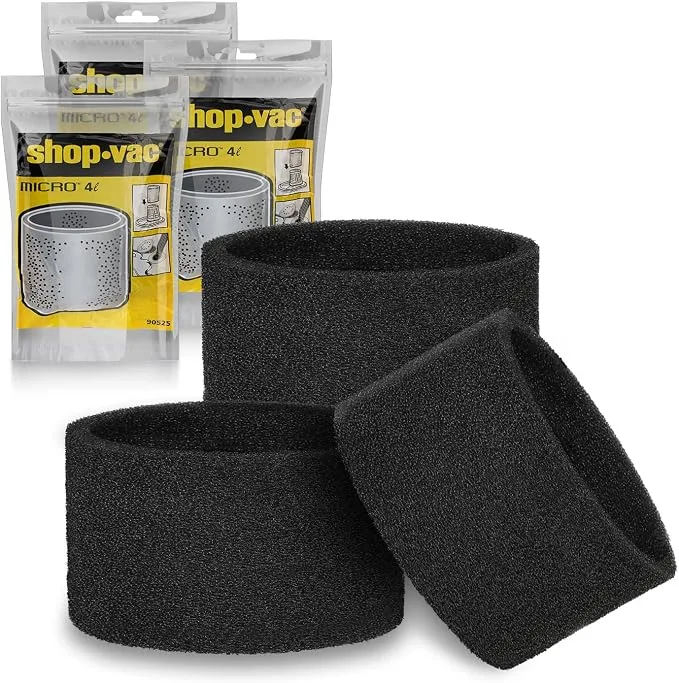
Image source: Web (Bing) / amazon.ca (Web image (fair-use with source credit))
Filter mistakes come second and third on the list. Drywall dust chokes a standard pleated filter within minutes. Water destroys a dry filter unless you swap in the foam sleeve.
Match the filter to the job before you start.
Drywall dust with a regular filter is the classic error. You'll get a clogged mess and airborne particles in your lungs. Use a HEPA filter with a collection bag, or attach a cyclone separator.
That's the same filter maintenance discipline a robot cleaner owner applies when rinsing their filter regularly.
Fourth mistake: skipping the cyclone separator for workshop use. Without it, sawdust clogs filters fast. With it, suction stays strong and filters last several times longer.
The extra $40 pays off within a season.
Fifth mistake: no storage plan. A 16-gallon tank takes serious floor space. Measure your garage before buying.
If there's no spot, buy a smaller unit or a wall-mount bracket.
Safety Rules You Shouldn't Skip
The short list is short for a reason. Never vacuum flammable liquids like gasoline, solvents, or alcohol. The motor can ignite fumes and the result is catastrophic.
Never vacuum hot ashes or sparks from a fireplace or grill. Embers can smolder inside the tank for hours. A fire starting in your garage is not worth the convenience.
For wet pickup, always plug into a GFCI outlet. Install the foam sleeve filter before vacuuming water. Without it, moisture reaches the motor and kills the switch.
The CPSC recall database shows a steady stream of shop vac models with fire and shock hazards, so it pays to search your unit's model number.
Keeping Your Shop Vac Alive
Maintenance is simple and takes five minutes after each use. Empty the tank before it reaches the float. Wipe or rinse the interior and let it dry completely.
A damp tank turns sour within days.
Filters need attention when suction drops. A clogged pleated filter reduces airflow long before you'll hear the change. Tap it out, rinse it gently, and replace it once a year if you use the unit weekly.
Hoses crack over time, especially near the cuffs. Check the seals before big jobs. A small crack steals suction and sprays dust, and the same friction damage happens on pool vacuum hoses when they drag across concrete.
Keep a spare hose cuff on hand.
Real Scenarios: Who Actually Glues Their Shop Vac to the Wall
A weekend car detailer picks up a compact 3-gallon corded model. They use it weekly on floor mats, seats, and the trunk. The unit lives on a wall bracket near the garage door.
A homeowner who survived a basement flood buys a 10-gallon stainless steel unit. They vacuum standing water twice in the first month. The drain valve makes disposal easy and the steel tank shrugs off the wet.
They call it the cheapest insurance they own.
A woodworker invests in a 16-gallon model with a cyclone separator. It hooks to a tablesaw and a planer. Filters last months instead of weeks.
They rarely push the unit around because the hose does the work.
A renter buys a 5-gallon unit for one renovation cleanup. It sits untouched for nine months. They sell it for half of what they paid and conclude the tool was never worth the square footage it ate.
The Bottom Line: The Decision Guide
Run the checklist once and you'll land on the right answer.
| Your situation | Verdict |
|---|---|
| Garage or workshop user | Worth it |
| Flood-prone home | Worth it |
| Drywall or concrete work | Worth it with HEPA |
| Car detailing hobby | Worth it |
| Rug-only household | Not worth it |
| No storage space | Not worth it |
Start with a $60 to $80 corded 5-gallon model. Add a foam sleeve, a pleated filter, and a garage corner. That setup answers the question within two months.
Frequently Asked Questions
Can a shop vac pick up water?
Yes, if you swap in the foam sleeve filter before wet pickup and empty the tank when it reaches the float valve. Skip those steps and water can reach the motor and cause damage or shock.
How loud is a shop vac?
Most corded models run between 70 and 85 dB. That's louder than a normal conversation and jumps past the hearing safety threshold for extended use. Wear ear protection or choose a quieter HEPA unit.
Can I use a shop vac on carpet?
Only for spot cleaning and major spills. Shop vacs lack a powered brush roll, so they don't deep-clean carpets. A household vacuum with a rotating brush is the right tool for regular carpet care.
Do I need a HEPA filter on a shop vac?
Only for fine dust like drywall, lead paint, or silica. A standard pleated filter handles sawdust and general debris. If you do dusty renovation work, a HEPA filter and disposable bags protect your lungs.

