

A central vacuum system with a retractable hose, often called Hide-A-Hose, offers a unique approach to home cleaning. Instead of bulky hoses stored in closets, these systems pull the hose directly from the wall inlet when needed. This makes cleaning more convenient and can be a significant upgrade for many homes.
But is this advanced system truly worth the investment? We’ll explore the benefits, drawbacks, costs, and what to consider to help you decide if a Hide-A-Hose central vacuum is the right choice for your home and cleaning routine.
How Hide-a-hose Systems Work
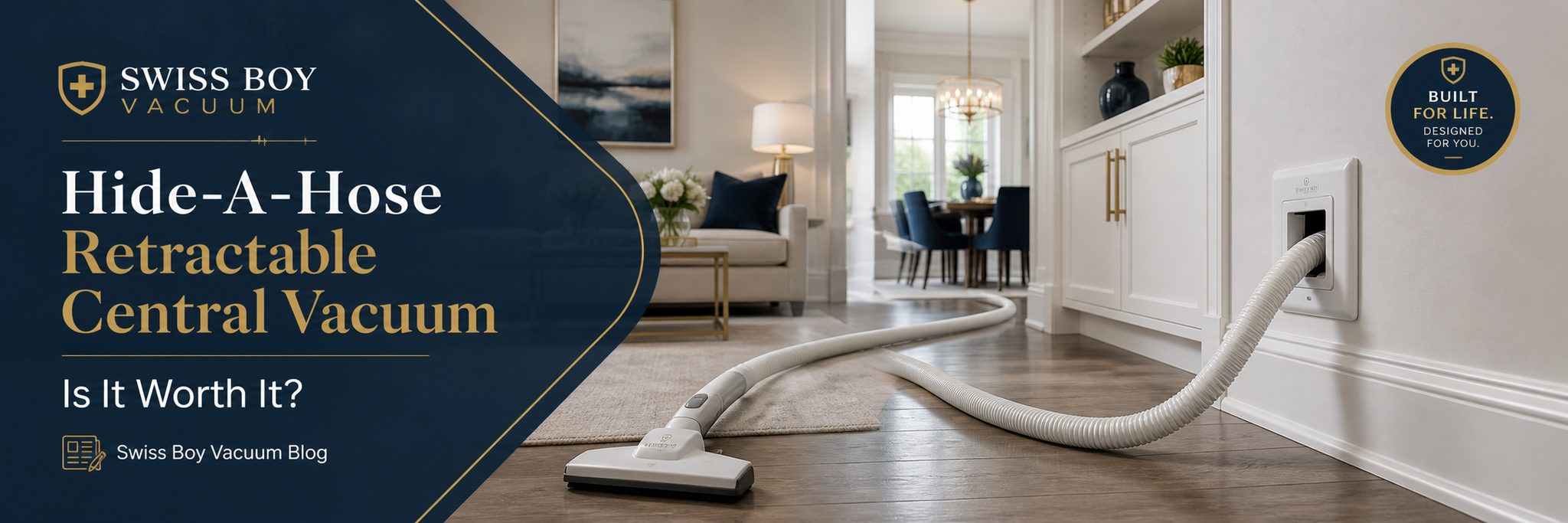
Hide-A-Hose systems are a clever variation of traditional central vacuums. The core idea is to eliminate the need to store and manually unroll a long, cumbersome vacuum hose. When you’re ready to clean a room, you simply pull the hose out from a special wall inlet.
The hose is stored inside the wall, coiled within a larger piping system that connects to the central vacuum unit. When you’re finished, the hose retracts back into the wall automatically or with a gentle pull, keeping your living spaces clutter-free.
This design significantly simplifies the process of using a central vacuum.
The Advantages Of Hide-a-hose
The main appeal of a Hide-A-Hose system lies in its convenience and space-saving design. Gone are the days of wrestling with a long hose that takes up valuable closet space and can be a tripping hazard.
Improved Convenience
The most significant benefit is ease of use. You don’t need to find a place to store your hose or carry it from room to room. Simply open the inlet cover, pull out the desired length of hose, and start cleaning. This makes quick cleanups much less of a chore.
Clutter-free Living
By storing the hose inside the walls, Hide-A-Hose systems eliminate visual clutter. This is particularly beneficial in smaller homes or apartments where space is at a premium. Your living areas remain tidy and open when the vacuum is not in use.
Powerful Suction
Like other central vacuums, Hide-A-Hose systems offer strong suction power. The main vacuum unit is typically located in a garage, basement, or utility room, allowing for a larger, more powerful motor than portable vacuums. This powerful suction can lead to a deeper clean.
Reduced Noise
The motor and noise-generating components of a central vacuum are located away from your main living areas. This means that while the vacuum is running, the noise level in the room where you are cleaning is significantly quieter compared to a traditional upright or canister vacuum.
Increased Home Value
A well-installed central vacuum system, especially a modern one like Hide-A-Hose, can be an attractive feature for potential buyers. It can add to your home’s appeal and potentially increase its resale value.
Potential Downsides To Consider
While Hide-A-Hose systems offer many benefits, there are also some drawbacks to weigh before making a decision. These include the initial cost, installation complexity, and potential maintenance issues.
Higher Initial Cost
Hide-A-Hose systems are generally more expensive than traditional central vacuum setups. The specialized inlets and hose retraction mechanisms add to the overall price. This higher upfront investment is a significant factor for many homeowners.
Complex Installation
Installing a Hide-A-Hose system is a more involved process than installing a standard central vacuum. It requires specialized piping and inlets, and the installation is best done during home construction or a major renovation. Retrofitting can be difficult and costly.
Hose Length Limitations
While the hose retracts, it has a finite length, typically around 30 to 50 feet. You will need one inlet for every 600-700 square feet of living space, depending on the hose length. This means you might need multiple inlets in larger homes, adding to the cost and complexity.
Potential For Hose Issues
The retractable hose mechanism, while convenient, can sometimes be prone to issues. Hose tangles or malfunctions in the retraction system can occur, requiring professional repair. This is less common with traditional hoses that are manually stored.
Limited Accessory Options
Some Hide-A-Hose systems may have fewer accessory options compared to traditional central vacuums. While most common cleaning needs are covered, you might find fewer specialized attachments available for very specific tasks.
Cost Comparison: Hide-a-hose Vs. Traditional Central Vacuum
The price difference between a Hide-A-Hose system and a standard central vacuum is notable. This cost often includes the central power unit, piping, inlets, and a basic cleaning kit.
Here’s a general comparison of what you might expect:
| Feature | Traditional Central Vacuum (Basic) | Hide-A-Hose Central Vacuum (Basic) |
|---|---|---|
| **System Cost** | $500 – $1,500 | $1,500 – $3,000+ |
| **Installation Cost** | $500 – $1,000 | $1,000 – $2,500+ |
| **Total Estimated Cost** | $1,000 – $2,500 | $2,500 – $5,500+ |
These figures are estimates and can vary significantly based on the brand, the size of your home, the number of inlets required, and whether you hire a professional installer. For a Hide-A-Hose system, installation is often a larger portion of the total cost due to the specialized components.

Who Is A Hide-a-hose System Best For?
A Hide-A-Hose system is an excellent choice for certain homeowners. It’s particularly well-suited for new home construction or major renovations where the installation can be integrated seamlessly into the building process.
New Homeowners or Those Renovating: If you are building a new home or undertaking a significant renovation, now is the ideal time to consider a Hide-A-Hose system. The cost and complexity of installation are much lower when done during the construction phase.
Those Who Prioritize Convenience: If you dislike traditional vacuuming chores, especially dealing with hoses and storage, the convenience of Hide-A-Hose can be a major selling point. It makes daily or weekly cleaning tasks much more streamlined.
Homeowners Seeking a Clutter-Free Environment: For those who value a tidy and organized living space, the ability to completely hide the vacuum hose within the walls is a significant advantage. It contributes to a cleaner aesthetic.
Key Considerations Before Buying
Before you commit to a Hide-A-Hose system, consider these important factors to ensure it aligns with your needs and expectations.
Installation Location And Feasibility
As mentioned, installation is easiest and most cost-effective during new construction or major remodels. If you’re in an existing home, get a professional assessment to understand the feasibility and potential costs of retrofitting the necessary piping. In some older homes, it might be impractical or prohibitively expensive.
Number Of Inlets Needed
Calculate how many inlets you will need based on the hose length of the system you choose and the square footage of your home. Ensure that each main living area will be within reach of a hose. Overlapping coverage is recommended to avoid stretching the hose too far.
Power Unit Location
The central power unit is the heart of the system. It needs a dedicated space where its noise won’t be disruptive and where it has access to power and exhaust venting. Garages, basements, or large utility rooms are common locations.
Maintenance And Repair
Understand the warranty offered by the manufacturer and installer. Research local technicians who specialize in central vacuum systems, particularly those with experience in Hide-A-Hose models, in case of future issues.
Your Cleaning Habits
Honestly assess your cleaning habits. If you only do deep cleans a few times a year, the investment might not be justified. However, if you prefer to keep your home consistently clean and value efficiency, Hide-A-Hose can be a worthwhile

