

Maintaining a central vacuum system is generally straightforward and cost-effective, with most expenses revolving around occasional filter replacements, bag changes, and potential repairs. Understanding these costs upfront will help you budget effectively and ensure your system runs smoothly for years.
Most central vacuums are built to last, but like any appliance, they require some care. The good news is that the ongoing costs are usually quite low compared to traditional portable vacuums. You won’t be buying a new unit every few years.
Understanding Central Vacuum Maintenance Costs
The cost to maintain a central vacuum can be broken down into a few key areas: consumables, repairs, and professional servicing. The majority of owners will only ever encounter costs related to consumables.
Consumables: Filters And Bags
The most common ongoing expense for a central vacuum is replacing filters and, for some models, bags. Filters are crucial for keeping dust and debris contained within the vacuum unit and preventing it from recirculating into your home’s air.
- Filters: Most central vacuums use a cyclonic separation system that doesn’t require bags. Instead, they rely on a filter. These filters can range in price from $20 to $75, depending on the brand and type. They typically need to be replaced every 6 to 12 months, though this can vary based on usage and the specific filter’s material. Some high-efficiency filters might cost more but last longer.
- Bags: While less common now, some older or specific models still use collection bags. These bags capture fine dust and are emptied or replaced. A pack of replacement bags usually costs between $15 to $40, and you might need a new set every 3 to 6 months.
Accessories And Wear And Tear
Over time, the hoses, wands, and cleaning attachments can also wear out. Hoses can develop cracks or leaks, and brush heads may lose their effectiveness.
- Hoses: A replacement central vacuum hose can cost anywhere from $75 to $200, depending on its length and features (like an on/off switch).
- Wands and Attachments: Replacement wands are typically $20 to $50. Specialized attachments, such as a pet grooming tool or a specialized floor brush, can add an extra $30 to $100 each.
Professional Servicing And Repairs
While central vacuums are known for their durability, occasional issues can arise. These might include motor problems, clogs in the pipe system, or faulty inlet valves.
- Minor Repairs: A simple repair, like fixing a loose connection or replacing a switch, might cost $100 to $250. This often involves a service call fee plus labor.
- Major Repairs: If the motor needs replacement or there’s a significant issue within the pipe network, costs can climb to $300 to $800 or more. However, major repairs are infrequent for well-maintained units.
- Annual Servicing: Some homeowners opt for annual professional servicing to ensure optimal performance and catch minor issues early. This typically costs $100 to $200 per visit.
Factors Influencing Maintenance Costs
Several factors can affect how much you spend on maintaining your central vacuum system. Understanding these can help you anticipate expenses.
System Age And Brand
Older systems might be more prone to wear and tear, potentially leading to more frequent repairs. Premium brands often use higher-quality components, which might mean a higher initial cost but potentially lower long-term repair expenses. Replacement parts for older or less common brands can also be harder to find and more expensive.
Usage Frequency And Household Size
A central vacuum used daily in a large home with pets and children will naturally require more frequent maintenance than one used occasionally in a smaller apartment. More usage means filters fill up faster, and parts experience more wear.
Installation Quality
A poorly installed system can lead to airflow issues, blockages, and premature wear on the motor. Ensuring a professional and correct installation from the start can save significant maintenance costs down the line.
Type Of Filtration System
As mentioned, bagged systems require regular bag purchases, while bagless systems need filter replacements. The cost and lifespan of these items vary significantly by manufacturer and model.

Estimating Annual Maintenance Costs
For most households, the annual cost of maintaining a central vacuum is surprisingly low. Let’s break down a realistic annual budget.
Typical Annual Expenses
- Filter Replacement: $40 – $150 (depending on filter cost and frequency)
- Bag Replacement (if applicable): $30 – $80
- Minor Accessories (e.g., a new brush head): $0 – $50 (infrequent)
- Occasional Professional Check-up: $0 – $200 (optional, but recommended every few years)
Based on these estimates, the average annual cost for routine maintenance is often between $50 and $200. This excludes major repairs, which are unpredictable but rare.
Comparison Of Maintenance Costs: Central Vacuum Vs. Traditional Vacuum
| Feature | Central Vacuum (Annual Estimate) | Traditional Vacuum (Annual Estimate) |
|---|---|---|
| **Consumables** | $50 – $150 (filters/bags) | $20 – $50 (bags, belts, filters) |
| **Repairs** | $0 – $200 (infrequent) | $50 – $200 (more frequent) |
| **Replacement** | $0 (long lifespan) | $100 – $300 (every 3-7 years) |
| **Total Annual** | **$50 – $350** | **$170 – $550+** |
Pro Tip: While the initial investment for a central vacuum is higher, the long-term savings on maintenance and replacement costs often make it a more economical choice over time.
Common Maintenance Tasks You Can Do Yourself
You don’t always need a professional for basic upkeep. Simple tasks can keep your system running efficiently.
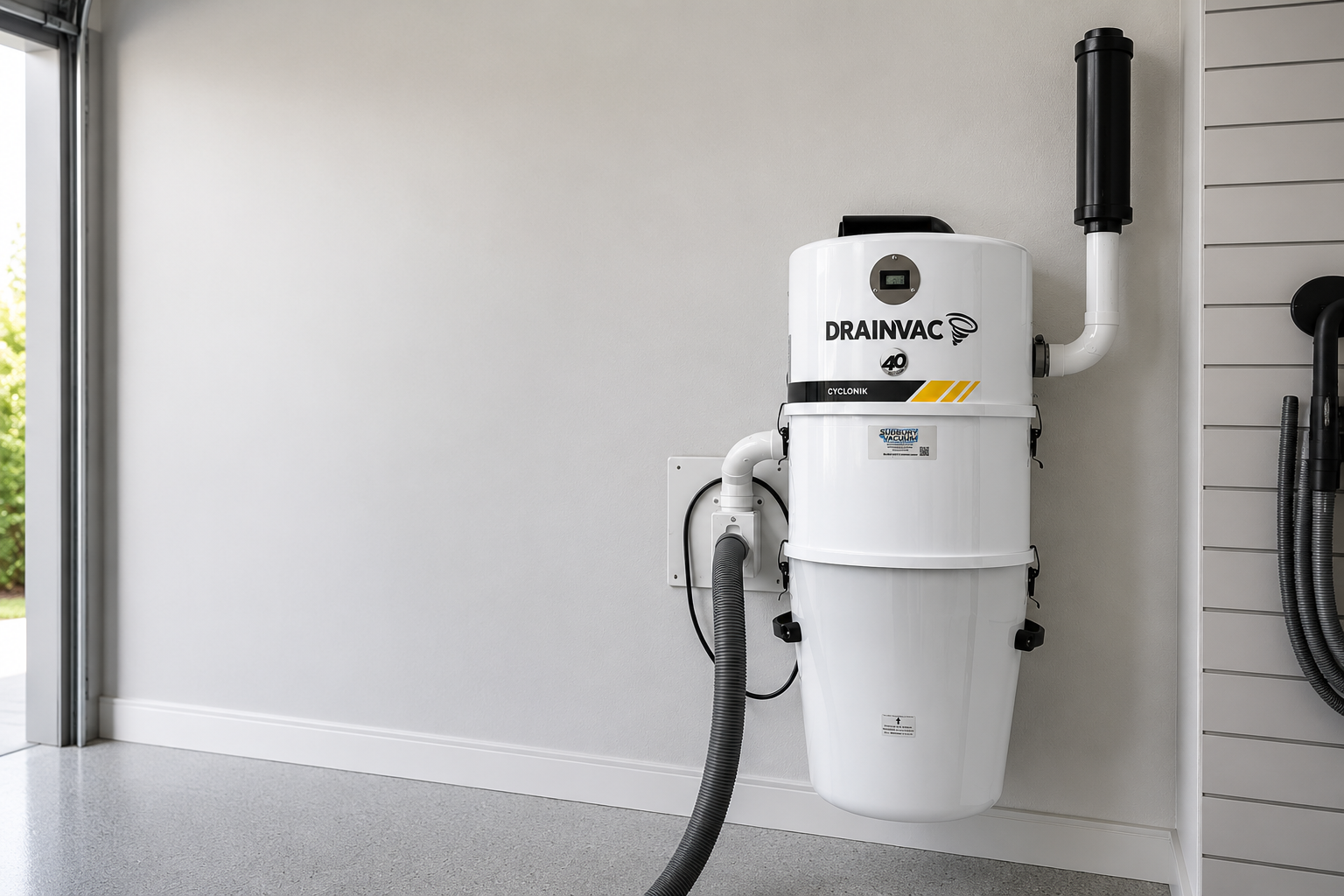
- Empty the Collection Canister: For bagless systems, regularly empty the canister where debris collects. This is usually a simple latch-release mechanism. Do this when it’s about two-thirds full to maintain optimal suction.
- Clean or Replace the Filter: Check your owner’s manual for instructions on cleaning or replacing the filter. Some can be rinsed and reused, while others need to be swapped out.
- Inspect the Hose: Periodically check the vacuum hose for any cracks, kinks, or damage. Ensure the handle and wand connections are secure.
- Clean Attachments: Remove dust and debris from brush heads and other attachments. Hair can often be cut away with scissors.
- Check Inlet Valves: Ensure the wall inlets are free of obstructions. Sometimes, small objects can get lodged in them.
When To Call A Professional
While DIY maintenance is effective for many tasks, some issues require expert attention.
- Loss of Suction: If you’ve checked and cleaned filters, emptied the canister, and inspected the hose, and still have poor suction, there might be a clog deep in the pipes or an issue with the motor.
- Unusual Noises: Strange grinding, rattling, or humming sounds from the central unit can indicate motor problems.
- System Not Turning On: If the unit doesn’t power on at all, it could be an electrical issue or a problem with the power unit itself.
- Frequent Breaker Tripping: If your central vacuum system repeatedly trips the circuit breaker, it might be drawing too much power, possibly due to a motor issue or a short circuit.
Example Of A Diy Fix: Clearing A Hose Clog
In my experience, the most common DIY fix is clearing a clogged hose. If the suction drops suddenly, first check the hose. Often, a sock or a larger object gets lodged near the handle connection. You can usually

