

Are Central Vacuum Systems Worth It?
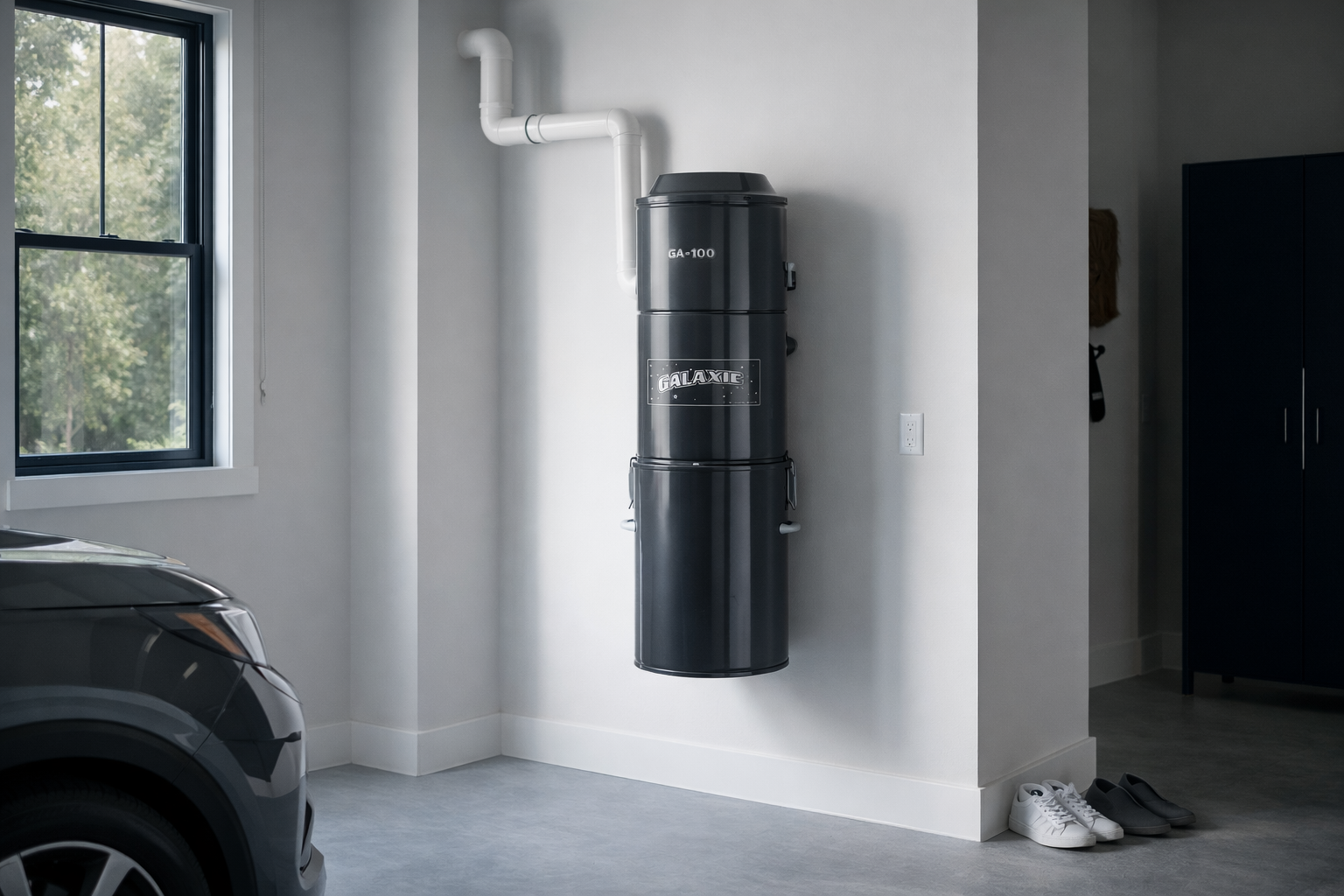
Central vacuum systems offer a powerful and convenient way to clean your home, but are they a worthwhile investment? Unlike portable vacuums, these systems use a large power unit, typically installed in a garage or basement, connected to inlets throughout your house via a network of pipes.
This setup promises enhanced cleaning power and improved air quality.
Many homeowners wonder if the upfront cost and installation complexity outweigh the benefits. This guide will explore the advantages and disadvantages of central vacuums, helping you decide if they are the right choice for your home and cleaning needs. We’ll look at performance, maintenance, cost, and overall value.
How Central Vacuums Work
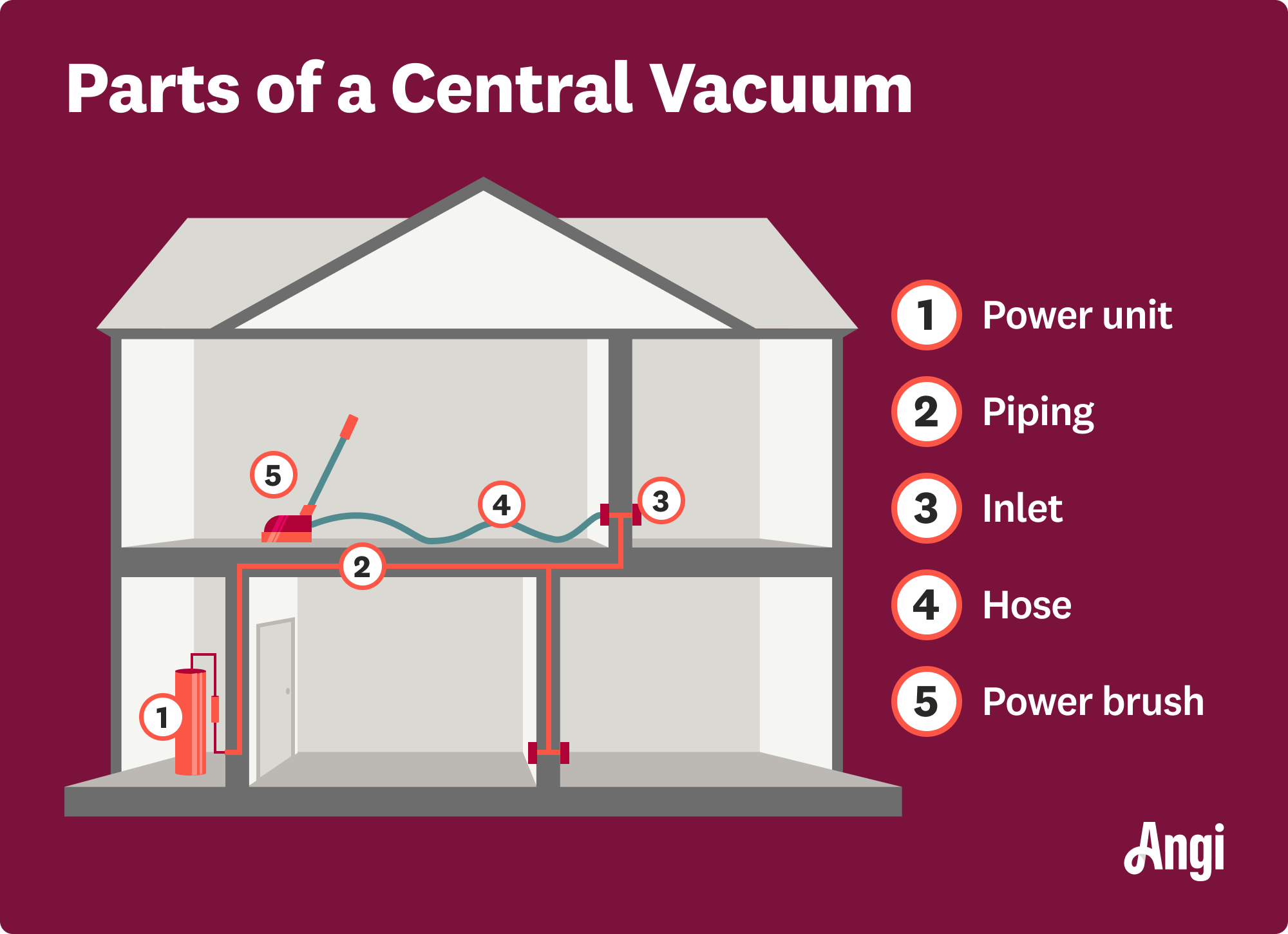
A central vacuum system consists of a main power unit, usually a motor and a dust canister, and a system of pipes that run through the walls of your home. These pipes connect to intake valves, or ports, located in various rooms.
When you attach a hose to a port and turn on the system, the power unit creates strong suction.
This suction draws dirt, dust, and debris through the hose and pipes to the central unit, where it is collected in a large dirt receptacle. Because the power unit and debris collection are located away from the living space, most of the air exhausted by the motor is vented outdoors, leading to better indoor air quality.
The hoses can be quite long, often 30 feet or more, allowing you to clean large areas from a single inlet.
Advantages Of Central Vacuums
Central vacuum systems offer several distinct benefits that make them appealing to many homeowners. These advantages often center around cleaning performance, health benefits, and convenience.
Superior Suction Power
One of the most significant advantages of a central vacuum is its power. The large, dedicated motor and collection unit can be much more powerful than those found in portable vacuums. This strong suction means they can pick up dirt and debris more effectively, even deeply embedded dust in carpets and upholstery. This enhanced cleaning capability can lead to a cleaner home overall.
Improved Indoor Air Quality
Central vacuums excel at improving indoor air quality. Traditional vacuums often recirculate fine dust particles back into the air, which can be problematic for allergy and asthma sufferers. With a central vacuum, the dirt and dust are typically collected in a canister in a garage or basement and the exhaust is vented outside. This process removes allergens and fine dust from your living areas, making the air cleaner and healthier. Studies have shown that central vacuum systems can remove up to 60% more microscopic particles and allergens from the air compared to portable vacuums.
Quieter Operation
Because the main motor and collection unit are located away from the living areas, often in a garage or basement, central vacuums are significantly quieter than traditional vacuums. You can often carry on a conversation or listen to music while vacuuming without being overwhelmed by noise. This makes cleaning less disruptive, especially in homes with young children or pets.
Convenience And Ease Of Use
While the initial setup involves pipes in the walls, the day-to-day use can be very convenient. The long hoses and multiple inlets mean you don’t have to carry a heavy vacuum cleaner up and down stairs or struggle to plug and unplug it in different rooms. Many systems also come with specialized attachments for various cleaning tasks, from floors and carpets to upholstery and even car interiors. Some modern systems feature automatic cord retractors or dustpan inlets that sweep debris directly into the system.
Durability And Longevity
Central vacuum systems are built to last. With fewer moving parts compared to portable vacuums, they are generally more durable and have a longer lifespan. A well-maintained central vacuum system can last for 20 years or more, making it a long-term investment in your home’s cleanliness.
Disadvantages Of Central Vacuums
Despite their many benefits, central vacuum systems also come with some drawbacks that potential buyers should consider. These often involve cost, installation, and maintenance.
Higher Upfront Cost
The most significant barrier for many is the initial price. Central vacuum systems, including the power unit, piping, inlets, and accessories, can cost several thousand dollars. This is considerably more than most portable vacuums. The cost can be even higher if professional installation is required, especially in existing homes.
Installation Complexity
Installing a central vacuum system can be a complex and invasive process, particularly in a finished home. It requires running pipes through walls, attics, and crawl spaces to connect the central unit to the inlets. While it’s easier to install during new construction, retrofitting a system into an existing home can involve cutting into drywall and can be a major renovation project.
Maintenance And Potential Issues
While generally durable, central vacuums do require maintenance. The large collection bin needs to be emptied regularly, typically every few months, depending on usage. Filters may also need cleaning or replacement. Although less common, pipe blockages can occur, and diagnosing and clearing them can be more challenging than with a portable vacuum.
Hose Storage
The long hoses, while convenient for reach, can be cumbersome to store. They are typically coiled up and stored in a closet or garage when not in use. Some systems offer hose management solutions, but it’s still something to consider for smaller homes or those with limited storage space.

Cost Vs. Value: Is It Worth The Investment?
Determining if a central vacuum system is “worth it” depends heavily on your priorities, budget, and home. For many, the long-term value comes from the superior cleaning performance and the health benefits.
Pricing And Installation Costs
The cost of a central vacuum system can vary widely. A basic unit for a smaller home might start around $500-$1000 for the equipment alone. However, for a larger home with more inlets and higher-quality components, the price can easily reach $1500-$3000 or more.
Installation costs add another layer. For new construction, installation might add $500-$1000 to the overall building cost. For retrofitting into an existing home, professional installation can range from $1000 to $3000 or even higher, depending on the complexity of the home’s structure and the number of inlets needed.
DIY installation is possible for those with significant home renovation experience, but it’s a demanding project.
Long-term Savings And Benefits
While the upfront cost is high, a central vacuum can offer long-term benefits that offset the expense. The durability means you likely won’t need to replace it for decades, unlike portable vacuums that may need replacement every 5-10 years. The improved air quality can be invaluable for families with allergies or respiratory issues, potentially reducing medical expenses and improving overall well-being.
Resale Value
A central vacuum system can be an attractive feature for potential home buyers, potentially increasing your home’s resale value. It’s often seen as a premium home improvement, signaling quality and attention to detail. However, its impact on resale value can vary by region and the specific market.
Key Factors To Consider
When deciding if a central vacuum is right for you, consider these points:
- Home Size and Layout: Larger homes benefit more from the extended reach and power of a central system. Multi-story homes also see significant convenience advantages.
- Allergies and Asthma: If anyone in your household suffers from allergies or asthma, the improved air quality offered by a central vacuum can be a major deciding factor.
- Budget: Be realistic about the total cost, including installation if you’re not doing it yourself. Compare this to the cost of high-quality portable vacuums over a 10-20 year period.
- Installation Feasibility: If you live in an older home with limited access for running pipes, the installation might be prohibitively expensive or difficult.
- Your Cleaning Habits: If you are a meticulous cleaner who values powerful performance and a deep clean, a central vacuum might be a good fit.
Frequently Asked Questions
What Is The Average Lifespan Of A Central Vacuum System?
On average, a well-maintained central vacuum system can last 20 years or more. Their robust construction and fewer

