

A hide-a-hose central vacuum system is an innovative cleaning solution that stores its long vacuum hose inside your home’s walls. When you need to clean, you simply pull the hose out from a discreet inlet, use it, and then let it retract back inside when you’re done. This system combines the power of a central vacuum with the convenience of having the hose readily available without the usual clutter.
This type of system offers a unique approach to home cleaning. Unlike traditional vacuums with bulky canisters or bags you drag around, or even standard central vacuums that require you to manually unroll and store a hose, the hide-a-hose system aims for maximum ease of use.
It’s designed to make vacuuming less of a chore by eliminating common frustrations like tangled hoses and storage issues.
How Hide-a-hose Systems Work
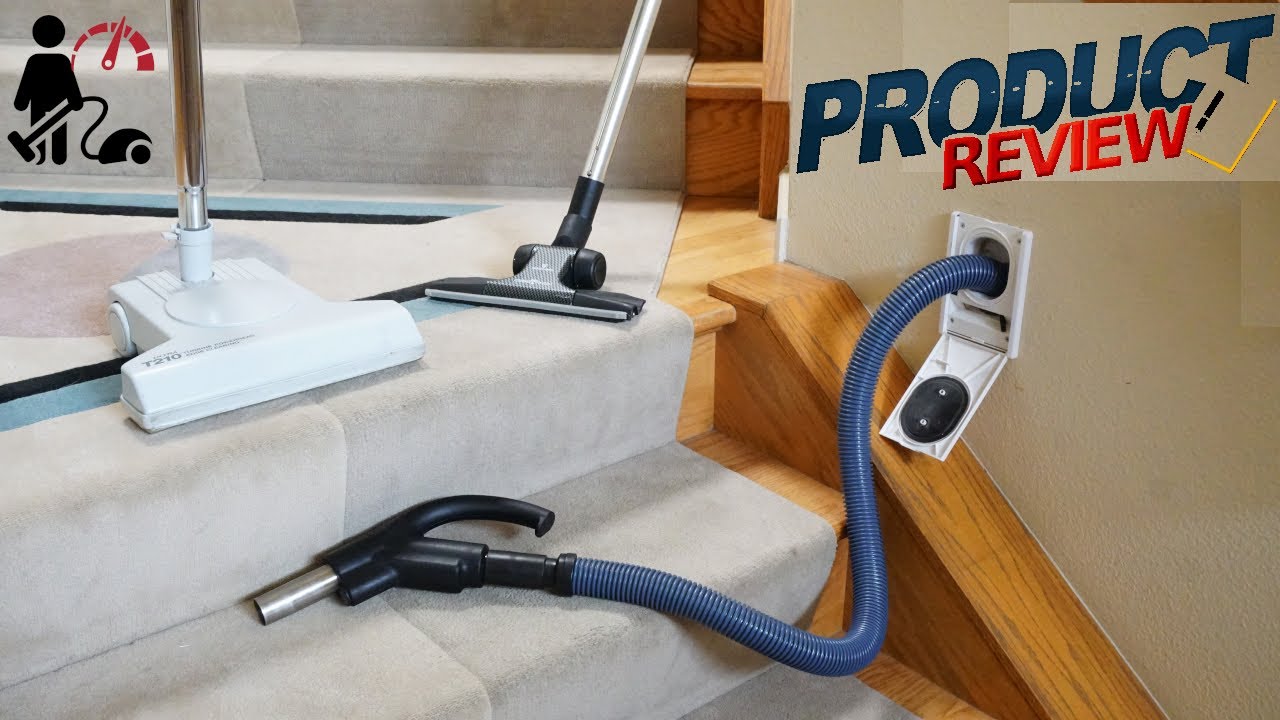
The core of a hide-a-hose system is its specialized inlet valves and the retractable hose mechanism. These inlets are installed in convenient locations throughout your home, typically one per floor or major living area. When not in use, the flexible vacuum hose is neatly coiled and stored within the wall cavity behind the inlet.
When it’s time to clean, you open the inlet cover and pull out the desired length of the hose. The hose is designed to extend smoothly, and it can reach a significant area from each inlet, often covering several rooms.
Many systems come with hoses that are 30 to 50 feet long, reducing the number of inlets needed in a typical home.
Once cleaning is complete, the hose is released, and a powerful, built-in suction system within the central vacuum unit pulls the hose back into the wall. This retraction is usually done by giving the hose a gentle tug or pressing a release button, after which the hose coils itself up neatly and disappears back into the wall.
This automated retraction is a key feature that sets it apart from other central vacuum setups.
Components Of A Hide-a-hose System
A complete hide-a-hose setup involves several key components working together to provide a seamless cleaning experience. Understanding these parts helps in appreciating the technology and maintenance involved.
Central Vacuum Unit
This is the powerhouse of the system, usually installed in a garage, basement, or utility room. It contains the motor, dust collection bin (or bag), and filters. The central unit generates strong suction that is piped throughout the house via a network of PVC pipes.
Hide-a-hose Inlets
These are the wall-mounted ports where the hose is accessed. They are designed to be attractive and blend in with home décor when closed. Inside each inlet, a mechanism holds the coiled hose and allows it to be pulled out and retracted.
Retractable Hose
The specialized vacuum hose is flexible and durable, designed to withstand repeated extension and retraction. It typically features a locking mechanism to keep it extended during use and a release system for retraction. The length of the hose is a crucial factor in determining how many inlets you need.
Vacuum Attachments And Accessories
Like any vacuum system, hide-a-hose setups use various attachments for different cleaning tasks. These can include floor brushes, crevice tools, upholstery brushes, and dusting brushes. Many systems offer a hose management kit that includes a storage bag for these accessories.

Advantages Of A Hide-a-hose Central Vacuum
The hide-a-hose system offers several compelling benefits over traditional vacuum cleaners and even standard central vacuum systems. These advantages often translate into a more pleasant and efficient cleaning routine.
Convenience And Ease Of Use
The most significant advantage is the unparalleled convenience. You don’t have to lug a heavy vacuum cleaner or wrestle with a long, cumbersome hose that tangles. The hose is always ready and neatly stored, making spontaneous cleanups much easier.
Powerful Suction
Central vacuum systems, in general, are known for their superior suction power compared to portable vacuums. The hide-a-hose system benefits from this, as the main unit is larger and more powerful than what can be fitted into a portable vacuum. This strong suction leads to more effective cleaning.
Improved Air Quality
Because the main vacuum unit is located outside the living areas, most of the dust and allergens it collects are vented outdoors or contained in a sealed unit. This significantly reduces recirculated dust and allergens in your home, which is a major benefit for people with allergies or respiratory issues.
Quiet Operation
With the noisy motor located away from your living spaces, the sound level in the room you are vacuuming is much lower. You can often hold a conversation or listen to music while vacuuming, making the task less disruptive.
Aesthetics And Space Saving
The hide-a-hose system eliminates the visual clutter of vacuum hoses. When not in use, the hose is completely hidden, contributing to a cleaner and more organized look in your home. This is especially beneficial in smaller homes or apartments where storage space is limited.
Potential Downsides To Consider
While the hide-a-hose system is highly convenient, it’s important to be aware of potential drawbacks before making a decision. Understanding these can help set realistic expectations.
Higher Initial Cost
Hide-a-hose systems are generally more expensive than traditional portable vacuums and even some standard central vacuum installations. The specialized inlets and hose retraction mechanism add to the overall cost.
Installation Complexity
Installing a hide-a-hose system requires running PVC pipes through walls and a dedicated electrical connection for the central unit. This is a more complex installation than simply plugging in a portable vacuum. Professional installation is usually recommended, adding to the cost.
Maintenance And Repairs
While generally reliable, the retractable hose mechanism can occasionally malfunction. Repairs can be more involved and costly than fixing a portable vacuum, especially if the issue is within the wall cavity. Regular maintenance of the central unit and filters is also crucial.
Hose Length Limitations
While the hoses are long, each inlet covers a specific radius. You may still need to plug and unplug the hose into different inlets to clean your entire home, depending on the layout and the number of inlets installed. This is less effort than moving a whole vacuum unit but still requires consideration.
Comparing Hide-a-hose To Other Vacuum Types
To better understand the value of a hide-a-hose system, let’s compare it to other common vacuum types.
Hide-a-hose Vs. Portable Vacuums
| Feature | Hide-A-Hose Central Vacuum | Portable Vacuum Cleaner |
|---|---|---|
| **Suction Power** | Generally higher, motor is larger and separate | Varies greatly, often less powerful than central systems |
| **Noise Level** | Very low in the cleaning room, motor is distant | High, motor is in the unit being used |
| **Convenience** | High, hose retracts into wall, no heavy unit to move | Moderate, unit must be moved and stored |
| **Air Quality** | Better, dust often vented outside or well-contained | Varies, some dust can be recirculated by filters |
| **Cost** | Higher initial investment and installation | Lower initial cost |
| **Storage** | Hose stored in wall, no visible clutter | Unit requires dedicated storage space |
Hide-a-hose Vs. Standard Central Vacuums
The primary difference here is the hose management. Standard central vacuums require you to manually store the hose and attachments, often in a closet or garage. Hide-a-hose automates this storage, making it significantly more convenient for daily use. The powerful suction and air quality benefits are similar for both types of central vacuums.
Installation Considerations
Proper installation is key to the performance and longevity of a hide-a-hose system. It’s not a DIY project for most homeowners due to the complexity involved.
Planning The Layout
Before installation, a professional will assess your home’s layout to determine the optimal placement of inlets. Factors like room size, the number of floors, and the location of the central unit are considered. The goal is to ensure each inlet can cover a substantial area, minimizing the number of inlets needed while providing

