

Central vacuums are powerful cleaning systems often installed in homes. Many people wonder if these robust systems can also be used to clean their cars. The good news is that yes, central vacuums can be very effective for cleaning cars, offering a more powerful and convenient option than traditional portable vacuums.
Central Vacuums For Car Cleaning: The Big Picture
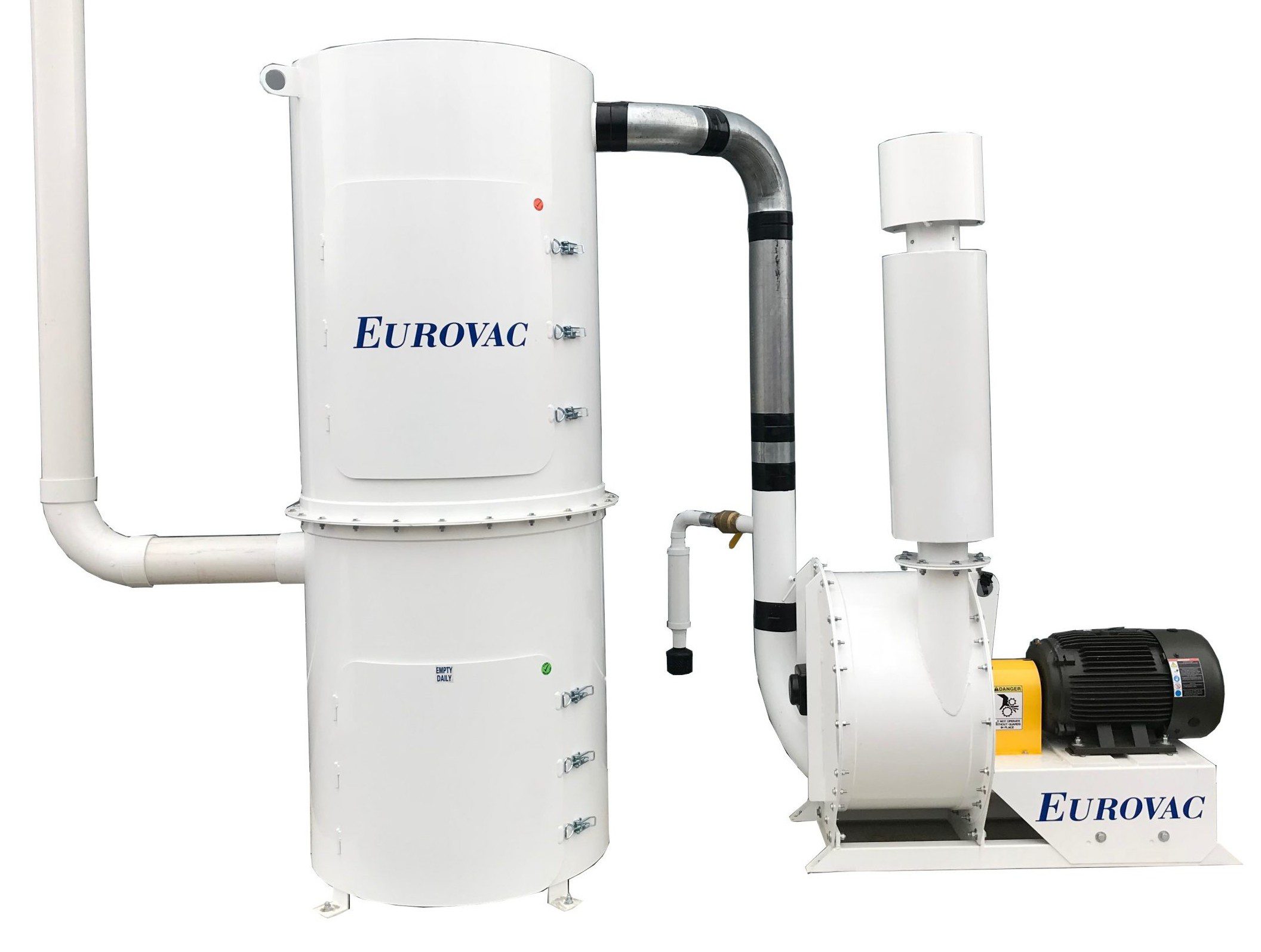
A central vacuum system is permanently installed in a building, with a main power unit typically located in a garage, basement, or utility room. Hoses and attachments connect to inlets found throughout the house. When it comes to cleaning a car, the central vacuum system’s strong suction power is its biggest advantage. This power is often significantly greater than that of portable car vacuums or even many household vacuums, allowing for a deeper and more thorough clean.
The main benefit of using a central vacuum for your car is the superior suction. These systems are designed with larger motors and longer hose runs, which can sometimes lead to a slight loss of power. However, even with a small reduction, the overall power usually surpasses that of portable units. This means they can more easily lift stubborn dirt, sand, pet hair, and debris from your car’s carpets and upholstery.
Advantages Of Using A Central Vacuum For Your Car
There are several key advantages to opting for your home’s central vacuum system when it’s time to detail your vehicle.
Unmatched Suction Power
As mentioned, the suction power is a primary advantage. Portable car vacuums can sometimes struggle with deeply embedded dirt or fine dust. A central vacuum, however, can pull out even the most stubborn particles, leaving your car’s interior looking and feeling much cleaner. This is especially useful for removing fine dust that can settle into car carpets and seats over time.
Long Hoses And Reach
Central vacuum systems come with long hoses, often 25 to 35 feet or even longer. This extended reach means you can easily move around your entire car, from the front seats to the trunk, without having to unplug and replug the vacuum.
You can clean the exterior crevices, wheel wells, and undercarriage if you have the appropriate attachments, all from a single inlet.
Less Noise Inside The Car
The noisy motor of a central vacuum is located away from your car, usually in a garage or basement. This means the loud noise is not directly in your car cabin. You’ll still hear some noise from the airflow, but it’s generally much quieter and less intrusive than running a traditional vacuum inside the car.
Versatile Attachments
Most central vacuum systems come with a variety of attachments. You can use crevice tools to get into tight spots between seats, upholstery brushes to lift dirt from fabric, and soft dusting brushes for delicate surfaces like dashboards and infotainment screens. Many systems also offer specialized automotive kits that include specific brushes and tools designed for car interiors.
Cost-effective In The Long Run
While the initial installation of a central vacuum system is a significant investment, using it for car cleaning can save you money over time. You won’t need to buy a separate, high-quality portable car vacuum, and you’ll avoid paying for professional car detailing services as frequently.
How To Use Your Central Vacuum To Clean Your Car
Using your central vacuum system for car cleaning is straightforward. Here’s a general guide:
- Locate an Inlet: Find a central vacuum inlet that is accessible from your car. This is often in a garage or driveway.
- Connect the Hose: Attach the appropriate length of your central vacuum hose to the inlet.
- Select Attachments: Choose the attachments you’ll need. A crevice tool is essential for seams and tight spaces. An upholstery brush is great for seats and carpets. A dusting brush is useful for the dashboard and vents.
- Start Cleaning: Begin by vacuuming the floor mats, then the carpets, seats, and all other surfaces. Work systematically to ensure you don’t miss any spots. Pay close attention to areas where dirt tends to accumulate, like the driver’s footwell and seat crevices.
- Don’t Forget the Trunk: The trunk often collects a lot of debris, so make sure to give it a thorough vacuuming as well.
- Clean Exterior Areas: With the right attachments, you can even clean wheel wells or areas around the car’s exterior.
Essential Attachments For Car Cleaning
To get the most out of your central vacuum for car cleaning, consider these attachments:
- Crevice Tool: This is a long, narrow nozzle perfect for reaching into the tight spaces between car seats, along door panels, and under the dashboard.
- Upholstery Brush: With softer bristles, this tool is ideal for agitating dirt and debris from car seats and carpets without causing damage.
- Dusting Brush: A soft-bristled brush that’s excellent for cleaning delicate surfaces like the dashboard, instrument panel, and air vents.
- Hose with Powerhead (Optional): Some automotive kits include a small, powered brush head that attaches to the hose, offering enhanced agitation for stubborn carpet stains or pet hair.
Potential Challenges And Solutions
While central vacuums are great for car cleaning, there are a few things to keep in mind.
Hose Length Limitations
Even with long hoses, you might find yourself slightly short if your car is parked far from the nearest inlet. Solution: Consider purchasing an extension hose if this is a frequent issue, or simply park closer to the inlet.
Attachment Compatibility
Not all attachments are universal. Ensure the attachments you have are compatible with your central vacuum system’s hose and wand. Solution: Many central vacuum manufacturers offer specific automotive cleaning kits.
Water And Moisture
Central vacuum systems are not designed to pick up liquids. If your car’s interior is wet, allow it to dry thoroughly before vacuuming. Solution: Use a wet/dry portable vacuum for any liquid spills.
Static Electricity
In very dry conditions, you might experience some static electricity when vacuuming certain car surfaces. Solution: Using an anti-static spray on interior surfaces *after* vacuuming can help reduce this.

Central Vacuum Vs. Portable Car Vacuums
Let’s compare central vacuums with dedicated portable car vacuums.
| Feature | Central Vacuum System | Portable Car Vacuum |
|---|---|---|
| **Suction Power** | Generally higher, more consistent | Varies greatly; often lower than central systems |
| **Noise Level** | Motor is distant, much quieter inside the car | Motor is close, can be very loud inside the car |
| **Reach** | Long hoses provide excellent coverage | Limited by cord length or battery life |
| **Dustbin Capacity** | Large, usually in the main unit; less frequent emptying | Small, requires frequent emptying |
| **Portability** | Not portable; requires car to be near an inlet | Highly portable; can be used anywhere |
| **Cost** | High initial installation cost | Lower initial cost, but quality varies |
| **Maintenance** | Main unit requires occasional filter cleaning | Requires battery charging/replacement, filter cleaning |
Pro Tip: For deeply embedded pet hair, consider using a rubber brush or glove *before* vacuuming. This will help loosen the hair and make it much easier for the central vacuum to pick up.
Central Vacuum Systems And Automotive Detailing Kits
Many manufacturers of central vacuum systems offer automotive detailing kits. These kits are specifically curated to provide the most useful tools for cleaning car interiors. They typically include a variety of specialized nozzles, brushes, and extension wands designed to reach every nook and cranny. Investing in such a kit can significantly enhance your car cleaning experience with your central vacuum.
These kits often contain items like:
- A flexible hose designed for automotive use.
- A mini-turbo brush for agitation.
- Various crevice tools and dusting brushes.
- A specialized tool for removing pet hair.

