

When choosing a central vacuum system for your carpets, you’re looking for power, efficiency, and ease of use. A good central vacuum can make a significant difference in keeping your carpets clean and free of allergens. This guide will help you understand what makes a central vacuum ideal for carpets and what features to look for.
Why Central Vacuums Are Great For Carpets
Central vacuum systems offer several advantages over portable vacuums, especially for carpeted homes. Their powerful motors are typically located in a garage or basement, meaning they can be larger and more robust than those found in traditional vacuums. This extra power translates to better suction, which is crucial for deep cleaning carpets and removing embedded dirt and debris.
Another significant benefit is improved air quality. Because the central unit is permanently installed and vents outdoors or into a large filter, it doesn’t recirculate fine dust particles back into your living space. This is particularly important for allergy and asthma sufferers, as carpets can trap a lot of dust, pet dander, and other allergens.
Key Features For Carpet Cleaning
When selecting a central vacuum system for carpeted areas, several features stand out. The suction power, measured in water lift or air watts, is paramount. Higher numbers generally indicate stronger suction, which is essential for lifting dirt from deep within carpet fibers.
The filtration system is also critical. Look for systems with HEPA filters or multi-stage filtration to capture the smallest particles. A well-filtered system ensures that what the vacuum sucks up stays out of your air.
Finally, consider the attachments and powerheads. A good electric powerhead with a beater bar is vital for agitating carpet fibers and loosening dirt for effective vacuuming. Different nozzle types can also help with stairs, edges, and upholstery.

Understanding Suction Power: Water Lift Vs. Air Watts
Two common metrics are used to describe a central vacuum’s power: water lift and air watts. Understanding these can help you compare different models accurately.
Water lift measures the height in inches a column of water can be lifted by the vacuum’s motor. A higher water lift generally means stronger suction, which is excellent for deep-cleaning carpets. Most good residential central vacuums will have a water lift rating of 100 inches or more.
Air watts measure the overall efficiency of the vacuum, taking into account both suction power and airflow. It’s a more comprehensive metric for overall cleaning performance. For a powerful system suitable for carpets, aim for air watts of 500 or higher.
Comparing Power Metrics
| Metric | What it Measures | Ideal Range for Carpets | Notes |
|---|---|---|---|
| Water Lift | The vacuum’s ability to lift a column of water. | 100+ inches | Higher indicates stronger suction, good for embedded dirt. |
| Air Watts | Overall cleaning efficiency (suction + airflow). | 500+ watts | A more comprehensive measure of performance. |
*Note: These are general guidelines. Always check manufacturer specifications for precise details.*
Types Of Central Vacuum Power Units
Central vacuum systems consist of a power unit (motor and dirt collection), a network of pipes installed within walls, and inlets where you connect hoses and attachments. The power unit is the heart of the system.
Canister Vs. Bagged Systems
Power units come in two main types for dirt collection: bagged and bagless. Bagless systems use a large canister that you empty directly into the trash, similar to many modern upright vacuums. This can be more convenient and cost-effective as you don’t need to buy replacement bags.
Bagged systems use disposable bags that trap dirt and debris. While this adds an extra step of buying and replacing bags, it can be a cleaner way to dispose of dust, especially for those with severe allergies. The bag acts as an additional layer of filtration.
Single-stage Vs. Two-stage Motors
The motor type also impacts performance. Single-stage motors are simpler and often found in less expensive models. They use a single fan to create suction.
Two-stage motors are more common in higher-end systems and are generally better for carpet cleaning. They use two fans in series, which creates stronger suction and better airflow. This increased power is crucial for effectively removing dirt from deep carpet piles.
Essential Attachments For Carpet Cleaning
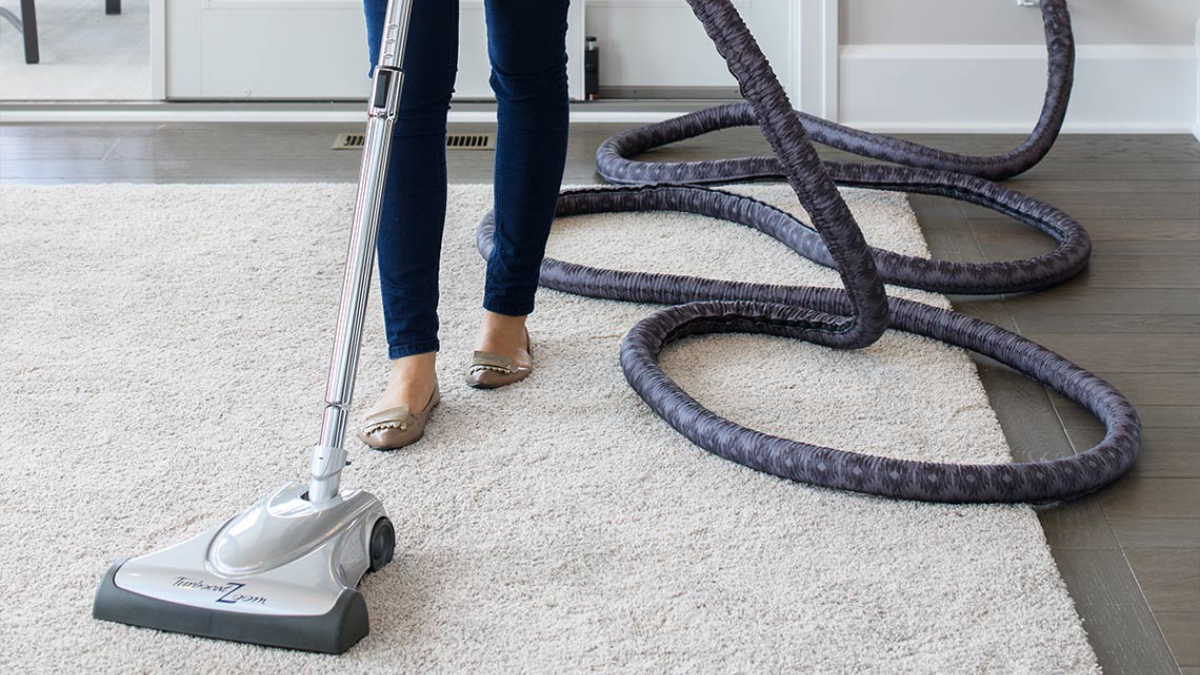
The power unit is only part of the equation; the right attachments are vital for making your central vacuum work effectively on carpets. The most important attachment is the powerhead.
The Electric Powerhead
A high-quality electric powerhead is non-negotiable for carpet. Unlike air-driven powerheads (which use the vacuum’s airflow to spin a brush), electric powerheads have their own motor to drive the brush roll. This provides consistent power and torque, regardless of the suction strength.
Look for powerheads with adjustable height settings to accommodate different carpet pile depths. A good brush roll with stiff bristles will agitate the carpet fibers effectively, loosening dirt and debris so the strong suction can lift it away. Some models also feature edge cleaning capabilities.
Other Useful Attachments
Besides the powerhead, other attachments can enhance your carpet cleaning routine. A crevice tool is perfect for cleaning along baseboards and in tight corners where the main powerhead can’t reach. A dusting brush can be used on furniture or delicate surfaces, and an upholstery tool is great for cleaning fabric surfaces like couches and chairs.
Installation Considerations
Installing a central vacuum system is a significant undertaking, usually involving running pipes through walls and ceilings. For new home construction, it’s much easier and more cost-effective to install during the framing stage. For existing homes, retrofitting is possible but can be more complex and expensive.
The placement of the inlets is also important. Ensure you have enough inlets to reach all carpeted areas comfortably without needing overly long hoses. A typical home might need two or three inlets, depending on its size and layout.
Maintenance For Optimal Performance
Like any vacuum cleaner, a central vacuum system requires regular maintenance to perform at its best. For bagless systems, this means emptying the collection canister regularly, ideally when it’s about two-thirds full. For bagged systems, replace the bag when it’s full to maintain optimal suction.
The filters are also crucial. Check them periodically and clean or replace them according to the manufacturer’s instructions. A clogged filter is one of the most common reasons for reduced suction power.
The powerhead brush roll should also be cleaned of hair and debris regularly. This ensures it spins freely and effectively agitates your carpets.
Choosing The Right System For Your Needs
When selecting the best central vacuum for your carpeted home, consider the size of your home, the type of carpets you have, and any specific cleaning needs like pet hair. Brands like Beam, Nutone, and Electrolux are well-known for their central vacuum systems, offering a range of models with varying power levels and features.
A system with a high water lift and air watts rating, combined with a powerful electric powerhead, will provide the best results for deep carpet cleaning. Don’t overlook the importance of a good filtration system, especially if anyone in your household suffers from allergies.
In my experience, investing in a slightly more powerful unit than you think you might need upfront can pay dividends in long-term performance and satisfaction, especially for homes with extensive carpeting.
Frequently Asked Questions
What Is The Typical Lifespan Of A Central Vacuum System?
A well-maintained central vacuum system can last for 20 years or more. The motors are typically designed for durability, and the pipes installed in the walls are permanent. Regular maintenance of the power unit, filters, and attachments is key to achieving this longevity.

How Do I Know If My Central Vacuum Has Enough Suction For My Carpets?
You can test suction by placing your hand over the inlet while the system is running. You should feel a strong pull. Another indicator is how well your vacuum attachments pick up dirt from the carpet; if you

