

Understanding how often you need to change your central vacuum bags is key to keeping your system running smoothly and your home clean. A central vacuum is a powerful tool, but like any appliance, it needs regular maintenance. Ignoring this can lead to reduced suction power, potential system damage, and even unpleasant odors in your home.
The frequency of changing central vacuum bags isn’t a one-size-fits-all answer. It depends on several factors, including how often you use your vacuum, the size of your home, the type of bag used, and even the amount of dirt and debris you typically vacuum.
For most households, a good rule of thumb is to check the bag monthly and replace it when it’s about two-thirds full.
Why Regular Bag Changes Matter
A central vacuum system works by pulling air and debris through a long hose into a power unit, usually located in a garage, basement, or utility room. This unit contains a motor and a collection system, typically a bag or a canister.
The bag’s primary job is to trap dust, dirt, allergens, and other particles, preventing them from recirculating back into your home’s air.
When a bag gets too full, air can no longer flow through it efficiently. This causes the motor to work harder, leading to overheating and potential damage. Reduced airflow also means less suction power at the end of your hose, making your vacuuming less effective. You might notice you have to go over the same spot multiple times, or that larger debris isn’t being picked up.
Furthermore, a full bag can become a breeding ground for bacteria and mold, especially if you vacuum up damp materials or pet hair. This can lead to unpleasant odors emanating from the vacuum unit, which can then spread throughout your home.
Factors Influencing Bag Change Frequency
Several variables play a role in determining how often your central vacuum bag needs changing:
Usage Frequency And Intensity
The most significant factor is simply how much you use your central vacuum. A household with pets that sheds a lot, or one where kids frequently track in dirt, will fill bags faster than a quieter home with less foot traffic.
If you vacuum daily or multiple times a week, expect to change bags more often.
Home Size And Layout
A larger home means more floor space to cover, which translates to more dirt and debris being collected. Even if you don’t vacuum every inch of your home daily, the sheer volume of square footage can contribute to a fuller bag over time.
Homes with multiple levels might also require more frequent checks.
Type Of Debris Collected
Vacuuming fine dust, like drywall dust from a renovation, will fill a bag much faster than vacuuming larger debris like crumbs or pet hair. If you regularly clean up after craft projects or home improvement work, your bags will reach their capacity sooner.
Bag Capacity And Material
Central vacuum bags come in different sizes and are made from various materials. Larger capacity bags will last longer than smaller ones. High-efficiency bags, often designed to capture smaller particles, might also fill up more quickly as they trap more microscopic debris.
System Efficiency And Maintenance
A well-maintained central vacuum system with clean filters and unobstructed hoses will operate more efficiently, potentially allowing the bag to fill more gradually. Conversely, a system with clogs or dirty filters will struggle, and the bag might seem to fill up faster due to poor airflow.
How To Tell When It’s Time To Change The Bag
Most central vacuum systems have a way to indicate when the bag is getting full.
- Suction Power Loss: This is the most common sign. If your vacuum isn’t picking up dirt as effectively as it used to, the bag is likely a prime suspect.
- Indicator Lights: Some higher-end models have a sensor that triggers a light when the bag is nearing capacity. Check your vacuum’s manual to see if it has this feature.
- Visible Fullness: The easiest way is to visually inspect the bag. You’ll need to access the collection unit, which usually involves opening a compartment or lid on the power unit. You can often see the bag through a small window or by gently lifting it.
- Unusual Noises: A struggling motor or a different pitch in the vacuum’s sound can sometimes indicate an overfilled bag restricting airflow.
Pro Tip: Don’t wait until the bag is completely stuffed. Changing it when it’s about two-thirds full ensures optimal performance and prevents strain on your vacuum’s motor.
Changing The Bag: A Step-by-step Guide
Changing a central vacuum bag is generally a straightforward process. Always refer to your specific model’s manual for detailed instructions, but here’s a general guide:
- Turn Off the Power: Ensure the central vacuum system is turned off at the power unit and unplugged if possible for safety.
- Locate the Collection Unit: Open the housing or compartment where the bag is stored. This might involve releasing latches or unscrewing a panel.
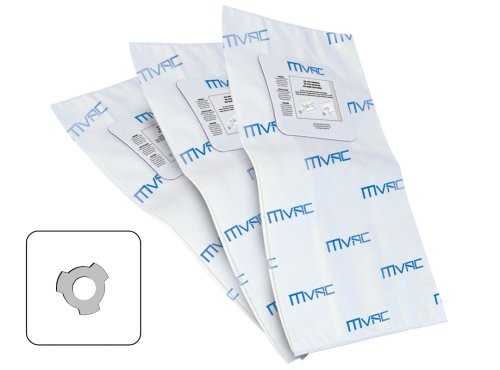
- Remove the Full Bag: Carefully slide out the old bag. Be mindful not to spill any trapped debris. Most bags have a cardboard collar that fits into a specific opening; gently pull this out.
- Dispose of the Old Bag: Seal the old bag securely and dispose of it in your regular trash.
- Install the New Bag: Take a new, compatible bag and slide its collar onto the designated fitting in the collection unit. Ensure it’s seated properly to create a seal.
- Close the Housing: Securely close the compartment or housing, ensuring all latches or panels are fastened.
- Test the System: Turn the power back on and test the vacuum to ensure it’s running correctly and suction is restored.

Central Vacuum Bag Vs. Canister Systems
Not all central vacuums use bags. Some utilize a cyclonic separation system or a dust collection canister that can be emptied.
| Feature | Bagged System | Canister System |
|---|---|---|
| **Maintenance** | Requires regular bag replacement | Requires regular emptying and cleaning of the canister |
| **Allergen Control** | Generally better at trapping fine dust and allergens | Can release more fine dust during emptying |
| **Cost** | Ongoing cost of buying replacement bags | Initial cost might be higher, but no recurring bag cost |
| **Convenience** | Easy to replace, no mess if done carefully | Can be messy to empty, requires cleaning the canister |
| **Suction** | Can experience gradual suction loss as bag fills | Tends to maintain consistent suction until canister is very full |
If you have a canister system, the emptying frequency is similar to bag changes, when it’s about two-thirds full to maintain good airflow. Cleaning the canister thoroughly every few months is also recommended.
When To Consider Upgrading Or Switching
If you find yourself changing bags more often than you’d like, or if your current system struggles even with new bags, it might be time to re-evaluate.
- Bagless Systems: If you dislike the recurring cost and hassle of bags, a bagless central vacuum might be a better fit. These systems use a canister that you empty directly into the trash.
- Larger Capacity Bags: Check if your model offers larger capacity bags that might extend the time between changes.
- System Check-up: It’s possible your system has an issue, like a clogged hose or a failing motor, that’s making it seem like you need new bags more often. A professional inspection could reveal underlying problems.
In my experience, many people underestimate the impact of a full bag on their vacuum’s performance. It’s one of the simplest yet most effective maintenance tasks you can perform.
Average Lifespan Of A Central Vacuum Bag
While the “two-thirds full” rule is practical, let’s look at average lifespans for different households:
- Small Apartment/Light Use: A bag might last 6-12 months.
- Average Family Home/Moderate Use:

