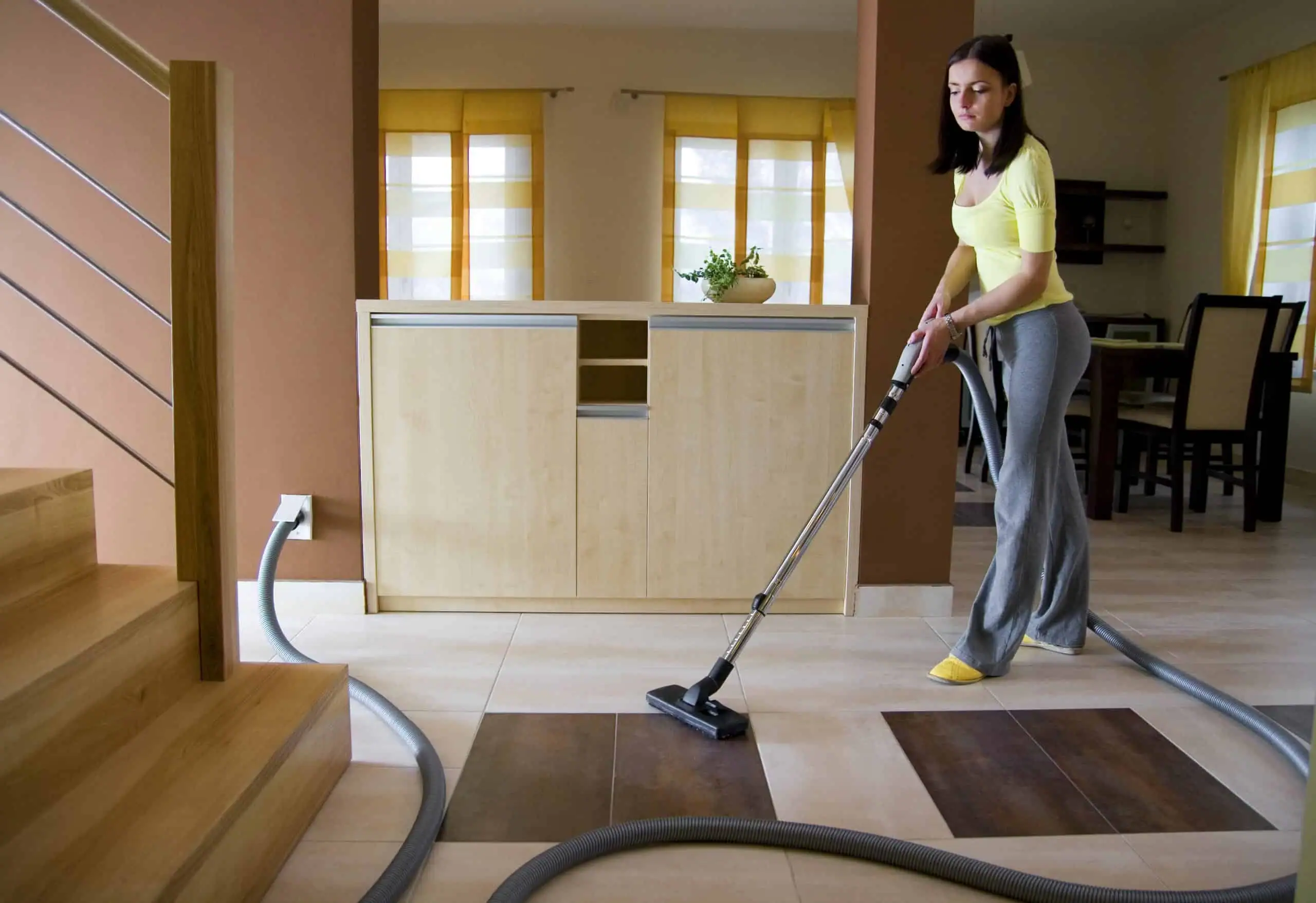
Central vacuums are powerful cleaning systems, but a common question is whether they can effectively clean curtains. The good news is that yes, central vacuums can clean curtains, and often do so more effectively than portable vacuums. Their powerful suction and specialized attachments make them ideal for lifting dust, allergens, and debris from fabric without causing damage.
However, the success of cleaning curtains with a central vacuum depends on using the right tools and techniques. It’s not just about pointing the hose at the fabric; it involves selecting appropriate brush heads, adjusting suction power when possible, and moving the attachment carefully.
Understanding these nuances will help you achieve cleaner, fresher curtains and improve your home’s air quality.
The Power Of Central Vacuums For Fabric Cleaning
Central vacuum systems are known for their superior suction power. This is because the main motor unit is typically located in a garage or basement, allowing for a larger, more powerful motor than what can fit into a portable vacuum. This strong suction is a significant advantage when cleaning fabrics like curtains, which can trap dust, pet hair, and airborne particles.
Unlike portable vacuums that might push dust around or struggle to lift embedded particles, the robust airflow of a central vacuum can effectively extract contaminants from the curtain fibers. This not only makes your curtains look cleaner but also contributes to better indoor air quality by removing allergens and dust that might otherwise be redistributed into the air. The system’s design also means less noise and heat are generated in the living space, making the cleaning process more pleasant.
Choosing The Right Attachments For Curtains
Using the correct attachments is crucial for cleaning curtains effectively with a central vacuum. The standard floor brush is usually too aggressive for delicate fabrics. Instead, look for specialized upholstery tools or soft-bristle dusting brushes.
Many central vacuum kits come with an upholstery tool, which is a wider, flatter nozzle, often with a strip of soft bristles along the front edge. This tool is designed to gently lift dirt from fabric surfaces. For very delicate curtains, a soft dusting brush attachment, which features natural or synthetic bristles, is ideal. These bristles can dislodge dust without snagging or damaging the fabric threads.
Upholstery Tool For Deeper Cleaning
The upholstery tool is your best friend for most curtain cleaning tasks. Its design allows it to cover a wider area of the curtain at once, making the job faster. The bristles help to agitate the fabric surface slightly, loosening trapped dirt and hair.
When using the upholstery tool, it’s best to work from top to bottom. This ensures that any dust dislodged from higher sections falls onto areas you haven’t cleaned yet, preventing you from having to re-clean. Move the tool in smooth, overlapping strokes to ensure even cleaning.
Soft Dusting Brush For Delicate Fabrics
For sheer curtains, silk drapes, or antique fabrics, the soft dusting brush is the go-to attachment. Its fine, soft bristles are gentle enough to sweep away surface dust without any risk of pulling threads or causing wear. This attachment is particularly useful for removing light layers of dust that accumulate over time.
When using the soft dusting brush, hold it at a slight angle to the fabric. This allows the bristles to effectively capture dust. Again, working from top to bottom is the most efficient method.
Techniques For Cleaning Curtains Safely
Beyond choosing the right attachment, proper technique is essential to avoid damaging your curtains. Curtains can be delicate, and applying too much pressure or using the wrong motion can lead to tears or stretching.
Always start with the lowest effective suction setting if your central vacuum system allows for it. This is especially important for lighter fabrics. Gradually increase the suction if needed, but be mindful of how the fabric reacts to the airflow.
Top-to-bottom Approach
As mentioned earlier, always clean curtains from top to bottom. This is a fundamental principle in cleaning any vertical surface. Gravity works in your favor here, guiding loosened dust and debris downwards.
Start at the very top edge of the curtain and work your way down, section by section. This prevents dirt from falling onto already cleaned areas, saving you time and effort. For very long curtains, you might need to clean them in horizontal passes from top to bottom.
Gentle Pressure And Movement
Avoid pressing the attachment firmly against the fabric. The suction should do most of the work. Apply just enough pressure to keep the attachment in contact with the curtain.
Move the attachment slowly and deliberately. Rushing can lead to missed spots or accidental damage. Use smooth, consistent strokes. For gathered or pleated curtains, ensure you clean both the front and the folds to remove dust from all surfaces.
Testing In An Inconspicuous Area
Before cleaning the entire curtain, it’s always a good idea to test your chosen attachment and technique on a small, hidden area. This could be the bottom hem or an inner fold. This allows you to see how the fabric reacts to the suction and the brush without risking visible damage.
If the fabric seems to be pulling excessively or showing signs of stress, reduce the suction or switch to a gentler attachment. This small step can save you from costly repairs or replacements.
When To Consider Professional Cleaning
While central vacuums are effective for routine dusting and light cleaning of curtains, there are times when professional cleaning is the better option. This is particularly true for heavily soiled curtains, delicate antique fabrics, or curtains made from materials that are sensitive to moisture or agitation.
If your curtains have stubborn stains, are significantly faded, or are made from materials like velvet or certain silks, a professional cleaner has the expertise and specialized equipment to handle them safely. They can also perform deep cleaning methods that a home central vacuum system cannot replicate.
Central Vacuum Attachments: A Quick Comparison
Here’s a look at common attachments and their suitability for curtains:
| Attachment Name | Primary Use | Suitability for Curtains | Notes |
|---|---|---|---|
| **Upholstery Tool** | Furniture, car interiors, fabric items | **Good** for most curtain types; offers good cleaning power. | Best for medium-weight to heavy fabrics. |
| **Soft Dusting Brush** | Delicate surfaces, blinds, lampshades | **Excellent** for all curtain types, especially sheer ones. | Ideal for light dusting and preventing damage. |
| **Crevice Tool** | Tight spaces, corners, seams | **Limited use**; can be helpful for pleats or edges. | Use with caution; can be too aggressive if not careful. |
| **Standard Floor Brush** | Hard floors, low-pile carpets | **Not recommended**; too harsh for most curtain fabrics. | Risk of snagging and damaging threads. |
Maintaining Your Central Vacuum For Optimal Curtain Cleaning
To ensure your central vacuum system continues to perform optimally for cleaning curtains and other home surfaces, regular maintenance is key. This includes emptying the collection bin or bag promptly and checking the hoses and wands for blockages.
The filters in your central vacuum unit also need attention. Depending on the model, these may need to be cleaned or replaced periodically. Clogged filters reduce suction power, making your vacuum less effective on everything, including your curtains.

Frequently Asked Questions
Can I Use My Central Vacuum On Blackout Curtains?
Yes, You Can Use Your Central Vacuum On Blackout Curtains. Blackout Curtains Are Often Made Of Thicker, Synthetic Materials That Can Handle The Suction Of A Central Vacuum. Use The Upholstery Tool Or A Soft Dusting Brush, Working From Top To Bottom, And Avoid Pressing Too Hard.