

How Central Vacuum Wall Inlets Work
Central vacuum wall inlets are the entry points for your cleaning system. They are the familiar wall plates you see in rooms, where you plug in your vacuum hose. But how do these simple-looking fixtures actually connect to the powerful vacuum unit hidden away, and how do they make cleaning so much easier? Understanding their function reveals a clever design that simplifies home cleaning by bringing the power directly to you.
These inlets are the critical link between your cleaning tools and the main vacuum system. When you plug your hose into a wall inlet, you’re not just connecting to a power source; you’re opening a pathway for air and debris to be sucked into a central collection unit, typically located in a garage or basement. This design keeps the noisy motor and the dust collection far away from living areas, leading to a quieter and more hygienic cleaning experience.
The Anatomy Of A Wall Inlet
A central vacuum wall inlet is more than just a hole in the wall. It’s a carefully designed component that ensures efficient airflow and secure connection. Each inlet consists of a few key parts working together.
The Faceplate
This is the part you see in your room. It’s usually a plastic or metal plate, often with a simple slot or opening. Some faceplates have a small flap that opens when you insert the vacuum hose, creating a seal. Others might have a more elaborate design with a built-in on/off switch or even a light indicator. The faceplate is mounted directly onto the wall, covering the opening to the pipe system behind it.
The Inlet Valve
Behind the faceplate is the actual valve mechanism. This is the part that connects to the low-voltage wiring and the vacuum pipe. When you insert the hose, it pushes a lever or button inside the valve. This action completes an electrical circuit for the vacuum system to turn on and also opens the pathway for suction. The valve is designed to create a tight seal to prevent air leaks, which are crucial for maintaining strong suction.
The Electrical Connection
Most central vacuum systems use a low-voltage wire that runs from the vacuum unit to each inlet. This wire allows you to turn the vacuum on and off directly from the wall inlet or the hose handle. When the hose is plugged in and the valve is activated, this electrical circuit is completed, signaling the main unit to start.
The Pipe Connection
The most important part of the inlet is its connection to the underground or in-wall piping. This pipe is usually made of PVC and runs from the wall inlet all the way to the central power unit. The inlet valve has a specific fitting that connects securely to this pipe, ensuring that all the dirt, dust, and debris sucked up by the hose travel smoothly to the collection bin.
How The System Works Together
The magic happens when you combine the wall inlet with the rest of the central vacuum system. It’s a chain reaction of airflow and power.
Creating Suction
The central vacuum unit is the heart of the system. It contains a powerful motor and a collection canister or bag. When the system is activated, the motor creates a strong vacuum, drawing air from the house into the unit.
The Pathway For Dirt
When you plug your central vacuum hose into a wall inlet, you are connecting to this powerful suction. The hose itself is designed to be wider than typical vacuum hoses, allowing for greater airflow. The debris you vacuum is pulled through the hose and into the wall inlet’s valve.
Transporting Debris
From the wall inlet, the dirt and dust travel through the PVC piping system that runs throughout your home. These pipes are typically 2 inches in diameter. They are installed within walls, floors, or ceilings, leading directly to the central power unit.
Collection And Filtration
Once the debris reaches the central unit, it is collected in a large canister or bag. Most systems use a cyclonic separation method to separate dust and debris from the air before it passes through filters. This process helps maintain strong suction and ensures cleaner exhaust air. The clean air is then expelled from the unit, often outdoors.
Benefits Of Central Vacuum Wall Inlets
The design of central vacuum wall inlets offers several advantages over traditional portable vacuum cleaners. These benefits contribute to a more convenient and effective cleaning experience.
Convenience And Reach
Wall inlets are strategically placed throughout the house, providing easy access to the vacuum system in every room. This eliminates the need to carry a heavy vacuum cleaner from room to room. You simply grab the lightweight hose and plug it into the nearest inlet.
Improved Air Quality
Because the main vacuum unit and its dust collection are located outside of your living space, a central vacuum system vents most fine dust particles outdoors. This significantly reduces the amount of dust recirculated into the air you breathe, which is a major benefit for allergy and asthma sufferers. Portable vacuums often re-release fine dust back into the room.
Quieter Operation
The noisy motor is housed in a remote location, like a garage or basement. This means the sound level in the rooms where you are cleaning is much lower. You can often hold a conversation or listen to music while vacuuming without being overwhelmed by motor noise.
Increased Home Value
A central vacuum system is often seen as an upgrade that can increase a home’s resale value. It’s a desirable feature for many buyers due to its convenience and health benefits.

Installation Considerations
Proper installation of central vacuum wall inlets is crucial for the system’s performance. Incorrect placement or connection can lead to weak suction or system malfunctions.
Strategic Placement
Inlets should be placed in convenient locations in each room, typically at a height of about 18 inches from the floor. They should be far enough from corners to allow the hose to reach all areas of the room easily. Avoid placing them directly above or below light switches or electrical outlets.
Pipe Routing
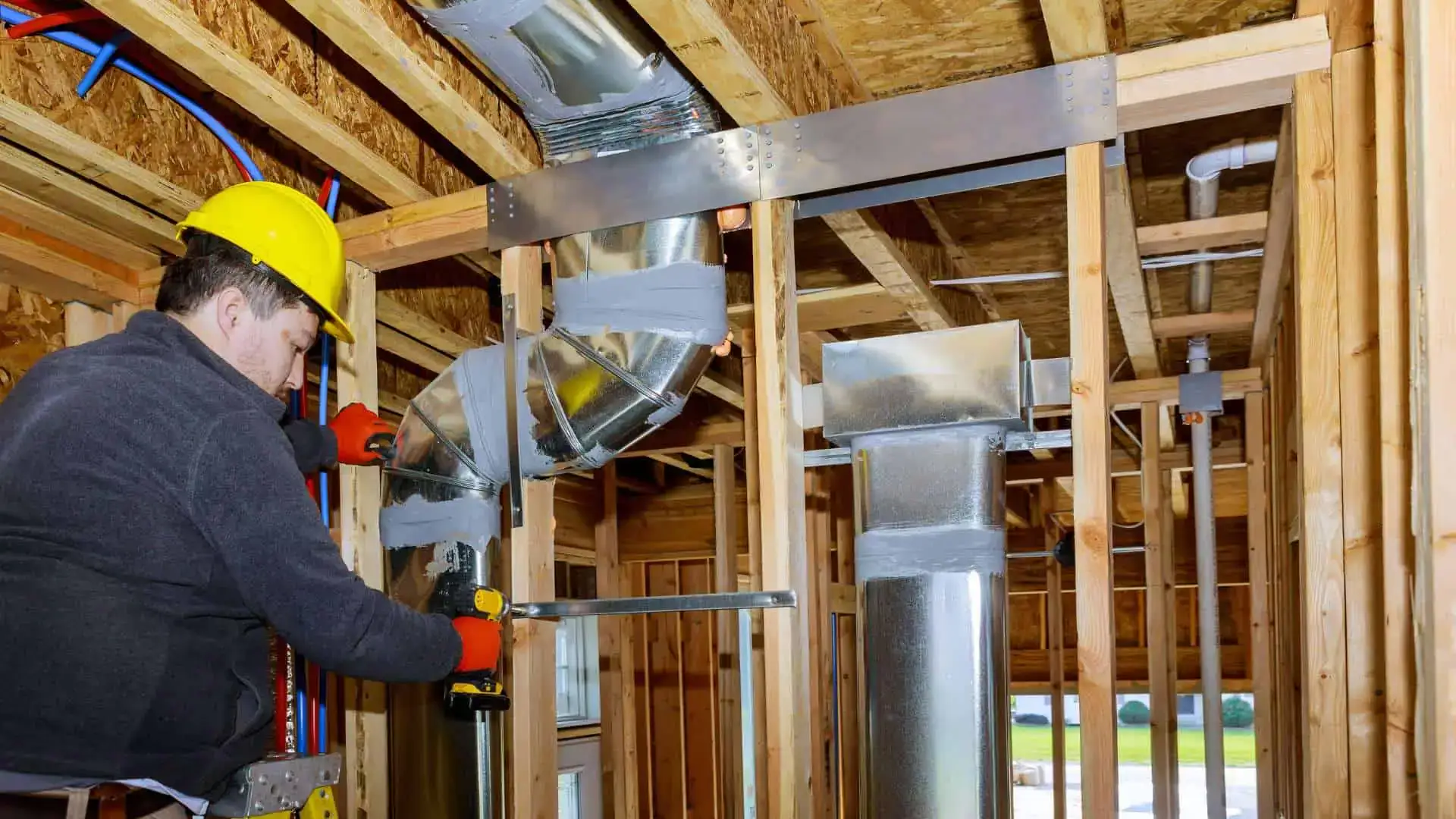
The PVC pipes are run through walls, attics, or crawl spaces. The routing should be as direct as possible to minimize resistance to airflow. Sharp bends should be avoided, and any turns should be made with sweeping, gradual curves.
Electrical Wiring
Low-voltage wires are run alongside the PVC pipes to connect each inlet to the power unit. These wires must be properly connected to the inlet valve and the main unit’s control board to ensure the on/off functionality works correctly.
Sealing Connections
All pipe joints and connections must be securely glued and sealed to prevent air leaks. Even small leaks can significantly reduce the system’s suction power.
Maintenance Of Wall Inlets
While central vacuum wall inlets are generally low-maintenance, occasional checks can ensure optimal performance.
Checking For Obstructions
Periodically, remove the hose and check the inlet opening for any visible obstructions, such as lint or small debris that might have accumulated.
Inspecting The Valve
Ensure the valve mechanism inside the inlet operates smoothly. If there’s a flap, check that it opens and closes correctly. Some models allow for the faceplate to be removed for easier access to the valve.
Testing Suction
Periodically test the suction power at each inlet. If you notice a significant drop in performance, it could indicate an issue with the inlet, the piping, or the main vacuum unit.

Common Issues And Troubleshooting
Even with proper installation, problems can sometimes arise with central vacuum wall inlets.
Weak Suction
This is the most common issue. It can be caused by several factors:
- Air Leaks: Check all pipe connections and the seal at the wall inlet.
- Clogged Pipes: Debris can build up in the pipes over time, especially if large items are accidentally vacuumed.
- Full Collection Canister: If the dust bin is full, suction will be drastically reduced.
- Motor Issues: The central vacuum unit’s motor might be malfunctioning or require maintenance.
Inlet Not Turning On
If plugging in the hose doesn’t turn on the vacuum system:
- Electrical Connection: Check the low-voltage wiring connections at the inlet and the main unit.
- Damaged Hose or Wand: The issue might be with the hose or wand, not the inlet

