

A central vacuum system is a fantastic addition to any home, offering powerful cleaning and convenience. However, sometimes these systems can start to emit unpleasant odors, turning a helpful appliance into a source of frustration. If you’re asking, “Why does my central vacuum smell?”, you’re not alone. These smells can range from musty and damp to something more acrid and concerning.
Understanding the root cause is the first step to fixing the problem. Most of the time, the solution is straightforward and involves basic maintenance. However, in some cases, a persistent or strong odor could indicate a more significant issue that needs professional attention.
This article will explore the common reasons behind a smelly central vacuum and provide practical steps to get your system smelling fresh again.
Common Culprits Behind A Smelly Central Vacuum
Several factors can contribute to your central vacuum system developing an odor. These issues often stem from the accumulation of debris, moisture, or even problems with the unit itself.
Full Or Improperly Bagged Canister
The most frequent reason for a foul smell is a full vacuum canister or a bag that isn’t sealed correctly. When the canister or bag is overflowing, dust, dirt, and debris can escape into the air as the vacuum operates. This material, especially if it contains organic matter like pet hair or food particles, can start to decompose and create a strong, unpleasant odor.
If your system uses a bag, ensure it’s the correct type recommended by the manufacturer and that it’s properly sealed when removed. A torn or loosely fitted bag can allow dust and particles to escape into the vacuum’s motor housing and surrounding area.
For bagless systems, emptying the canister regularly is crucial.
Moisture And Mold Growth
Moisture is a significant contributor to bad smells in central vacuums. This can happen in a few ways. Sometimes, fine dust particles can absorb moisture from the air, especially in humid environments. This damp dust can then become a breeding ground for mold and mildew.
Another common cause of moisture is vacuuming up wet spills or damp materials without the vacuum being designed for wet pickup. Even if you only vacuum dry debris, condensation can form inside the canister or hoses, particularly if the unit is located in a damp basement or garage.
Mold and mildew produce a distinct musty odor that can permeate your home.
Clogged Or Dirty Filters
Central vacuum systems rely on filters to trap fine dust particles and prevent them from recirculating into your home or damaging the motor. Over time, these filters can become clogged with dirt and debris. A clogged filter not only reduces suction power but can also trap moisture and organic matter, leading to odors.
Some systems have a pre-motor filter and a post-motor filter (sometimes called a HEPA filter). Both can become sources of smells if not cleaned or replaced regularly. The pre-motor filter is usually located inside the canister, while the post-motor filter is often near the exhaust vent. Check your owner’s manual for the recommended cleaning and replacement schedule for your specific model.
Debris In Hoses And Attachments
The long hoses and various attachments used with a central vacuum can also harbor debris and moisture. If something is stuck deep within a hose, it can start to decompose, creating a localized smell that gets dispersed when you use the vacuum. Similarly, dirt and grime can accumulate in brush heads and crevice tools.
Regularly inspecting your hoses for blockages is important. You can often clear minor clogs by using a long, flexible object or by disconnecting the hose and trying to push the obstruction through. Cleaning attachments, especially the brush rolls, can also help prevent odors from building up.
Issues With The Motor Or Exhaust
Less commonly, the odor might be related to the vacuum’s motor. If the motor is overheating, it can produce a burning smell. This could be due to a lack of ventilation, a worn-out motor, or an obstruction preventing the motor from cooling properly.
The exhaust vent is where the air expelled by the vacuum exits your home. If this vent is located near a window or door, or if the filters are not effectively trapping fine particles, you might notice a dusty or stale smell emanating from it.
In rare cases, the exhaust vent itself could be blocked by debris or even nesting animals.
Troubleshooting And Cleaning Steps
Addressing a smelly central vacuum usually involves a thorough cleaning and inspection. Here’s a step-by-step approach to tackle the problem:
1. Empty The Canister And Inspect The Bag
The first and easiest step is to empty the collection canister. If you have a bagged system, remove the old bag and inspect the new one before installing it. Ensure it’s the correct size and type for your vacuum and that it seals tightly to the inlet.
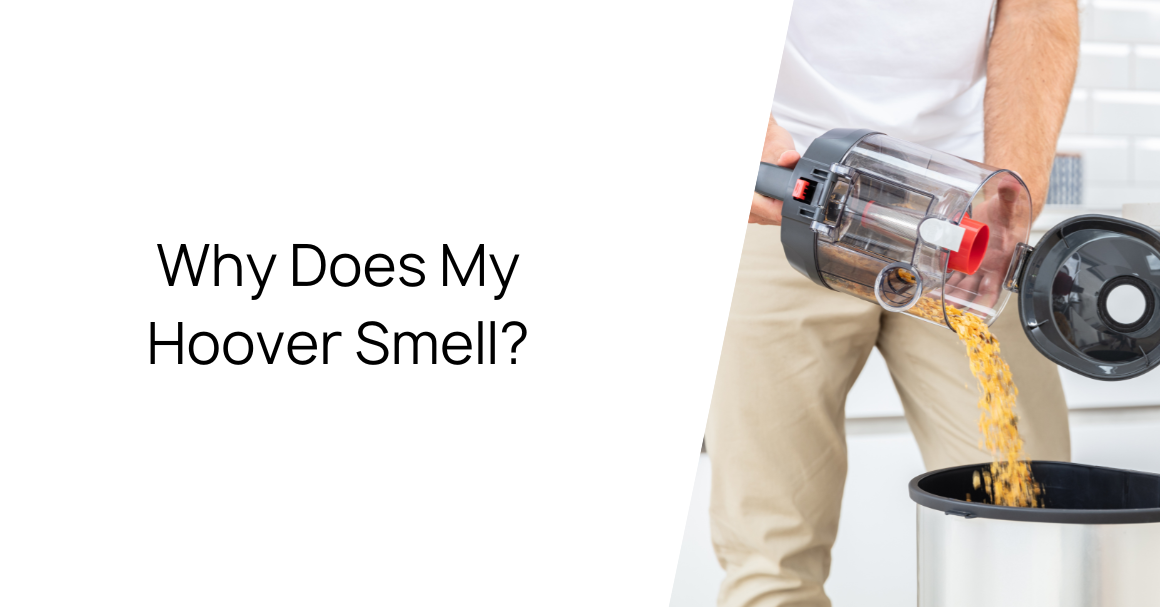
For bagless systems, empty the canister outdoors to avoid releasing dust inside your home. Wash the canister with mild soap and water if it’s visibly dirty, and ensure it’s completely dry before reattaching it to the vacuum unit.
2. Clean Or Replace Filters
Locate your vacuum’s filters. Refer to your owner’s manual for their exact location and instructions on how to clean or replace them. Some filters are washable, while others need to be replaced annually or bi-annually.
Example: Many central vacuum manufacturers recommend replacing pre-motor filters every 6-12 months and post-motor filters every 1-2 years, depending on usage and the type of debris vacuumed.
If filters are visibly dirty, moldy, or damaged, replace them immediately. Even washable filters can degrade over time and lose their effectiveness.
3. Inspect And Clean Hoses And Attachments
Disconnect the vacuum hose from the power unit and inspect it for any blockages or signs of mold. You can sometimes see debris lodged inside. Try to dislodge any obstructions.
Clean your attachments, especially the floor heads and brush rolls. Remove any tangled hair or debris. For plastic attachments, a good wipe-down with a damp cloth and a mild cleaner can suffice.
4. Check For Moisture And Mold
Look for any signs of dampness or mold growth inside the canister, hoses, or around the vacuum unit itself. If you find any, clean the affected areas thoroughly. A solution of diluted white vinegar or a specialized mold cleaner can be effective. Ensure the area is completely dry afterward.
Pro Tip: To help prevent moisture buildup, avoid vacuuming up wet spills unless your unit is specifically designed for wet/dry pickup. If you live in a very humid climate, consider using a dehumidifier in the area where the central vacuum unit is stored.
5. Run The System With A Deodorizer
After cleaning, you can help freshen the system by running it with a deodorizing agent. There are commercial vacuum deodorizers available, often in pellet or powder form, that you can sprinkle into the canister or hose.
Alternatively, you can create a simple deodorizer by placing a small amount of baking soda in the canister or running the vacuum over a few cotton balls soaked in vanilla extract or essential oils (like peppermint or eucalyptus). Run the vacuum for a few minutes to circulate the scent through the hoses and system.

When To Call A Professional
While most central vacuum smells can be resolved with regular maintenance, there are times when you might need to call in an expert.
If you’ve performed all the cleaning steps and the odor persists, it could indicate a more serious issue. This might include a failing motor, a leak in the internal piping that’s trapping debris and moisture, or a problem with the exhaust system.
A professional can diagnose these more complex problems, perform necessary repairs, and ensure your central vacuum system is functioning safely and efficiently. They have specialized tools and knowledge to identify issues that might not be apparent during a routine inspection.
Frequently Asked Questions
What Is The Most Common Cause Of A Bad Smell From A Central Vacuum?
The most common cause is a full collection canister or a torn or improperly sealed vacuum bag, allowing dust and debris to escape and decompose. Moisture buildup leading to mold and mildew is also a frequent culprit.
How Often Should I Clean My Central Vacuum Filters?
Filter cleaning and replacement schedules vary by manufacturer and model. Generally, pre-motor filters should be checked and cleaned

