

When you think about cleaning your home, a vacuum cleaner is probably the first thing that comes to mind. But not all vacuums are the same. There are two main types that offer very different cleaning experiences: central vacuum systems and portable vacuum cleaners. Understanding the difference between them is key to choosing the right one for your needs, whether you prioritize power, convenience, or a combination of both.
A central vacuum system is built into your home, with pipes running through the walls to a main power unit, usually in the garage or basement. You connect a hose and cleaning attachments to inlets in different rooms. A portable vacuum cleaner, on the other hand, is a standalone unit you carry around, like an upright, canister, or stick vacuum. They are the more common type, but central vacuums offer unique advantages for certain homeowners.
Central Vacuum Systems: The Built-in Powerhouse
A central vacuum system is a permanent installation in your home. It consists of a large, central power unit and a network of pipes hidden within your walls. These pipes lead to vacuum inlets located in various rooms. When you want to clean, you simply plug a long hose into the nearest inlet and attach the desired cleaning tool.
The main advantage of a central vacuum is its power and quiet operation. Because the motor is located away from the living areas, the noise is significantly reduced. This makes cleaning much more pleasant, especially if you have a large home or people who are sensitive to noise. The larger, more powerful motors in central units can also offer superior suction, which is great for deep cleaning carpets and picking up fine dust.
How Central Vacuums Work
The process is straightforward. When you turn on the central vacuum, the powerful motor creates suction. This suction draws dirt, dust, and debris through the hose and into the pipes. The debris travels through the network of pipes to the main unit, where it is collected in a large canister or bag.
The air is then filtered and exhausted outside your home, or at least vented away from your living space. This is a significant benefit for people with allergies or asthma, as it removes microscopic particles from the air, rather than recirculating them as some portable vacuums can. The large collection bin also means you don’t have to empty it as often, typically only a few times a year.
Pros Of Central Vacuums
- Powerful Suction: Generally offer stronger suction than most portable vacuums.
- Quiet Operation: The main motor is located away from living areas, reducing noise.
- Improved Air Quality: Exhausts air outside, removing allergens and dust from your home.
- Convenience: No heavy unit to carry; just plug in the hose.
- Large Capacity: Collection bins are much larger than those on portable vacuums.
- Durability: Designed for long-term use and can increase home resale value.
Cons Of Central Vacuums
- High Initial Cost: Installation can be expensive, especially in existing homes.
- Permanent Installation: Requires modification of walls and floors.
- Hose Management: Long hoses can be cumbersome to store and maneuver around furniture.
- Maintenance: While emptying is infrequent, the motor unit may require professional servicing.
- Not Portable: Cannot be used for cleaning cars or small spaces without an extension.
Portable Vacuum Cleaners: The Versatile Choice
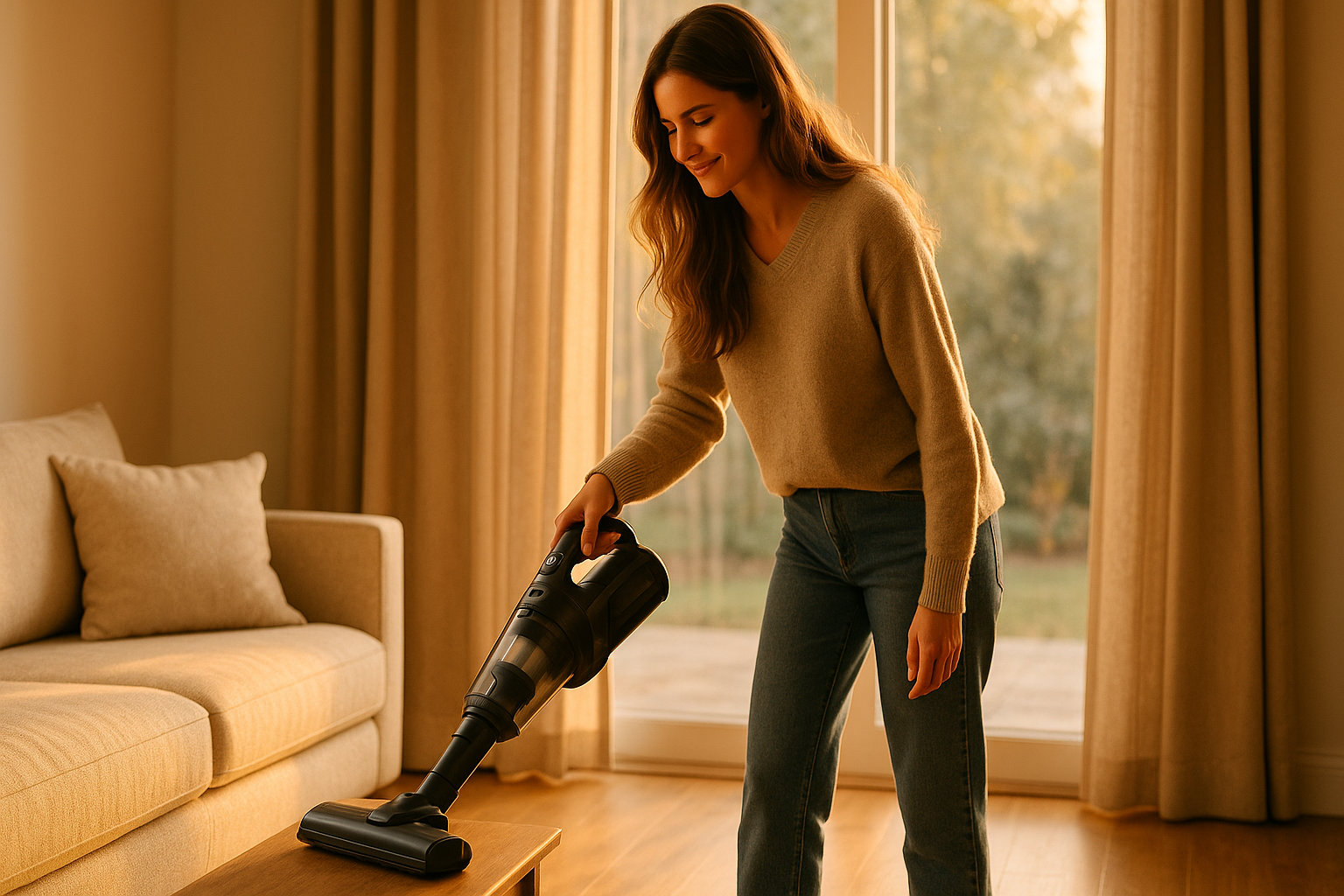
Portable vacuum cleaners are what most people are familiar with. They are self-contained units that you can easily move from room to room, or even take outside. This category includes a wide variety of types, each with its own strengths.
The biggest advantage of portable vacuums is their versatility and affordability. You can find a portable vacuum for almost any budget and cleaning need, from lightweight stick vacuums for quick cleanups to powerful uprights for deep carpet cleaning. They are also much easier to use for tasks like cleaning cars, stairs, or small apartments.
Types Of Portable Vacuums
There are several common types of portable vacuums:
- Upright Vacuums: These are the most traditional type, with a wide cleaning head and a bag or canister. They are great for cleaning large carpeted areas.
- Canister Vacuums: These have a separate canister that holds the motor and dustbin, connected to a cleaning wand and hose. They are often more versatile than uprights, with specialized attachments for different surfaces.
- Stick Vacuums: Lightweight and slim, stick vacuums are ideal for quick cleanups and hard floors. Many are cordless, offering ultimate freedom of movement.
- Handheld Vacuums: Small and portable, these are perfect for spot cleaning, upholstery, and car interiors.
- Robotic Vacuums: These automated devices clean your floors on a schedule with minimal human intervention.
Pros Of Portable Vacuums
- Affordability: Wide range of prices, with many budget-friendly options.
- Portability: Easy to move around the house, up and down stairs, and for car cleaning.
- Variety: Many types and features to choose from to suit specific needs.
- Ease of Use: Generally intuitive to operate and maintain.
- No Installation: Ready to use right out of the box.
Cons Of Portable Vacuums
- Noise: Motors are located within the unit, making them much louder.
- Lower Suction Power: Many models, especially budget ones, have less suction than central vacuums.
- Air Recirculation: Can blow fine dust back into the air, potentially worsening allergies.
- Frequent Emptying: Smaller dustbins require more frequent emptying.
- Weight: Heavier units can be difficult to carry and maneuver.
Key Differences At A Glance
To better understand the distinctions, let’s look at a direct comparison.
| Feature | Central Vacuum System | Portable Vacuum Cleaner |
|---|---|---|
| **Installation** | Permanent, built into walls | No installation required |
| **Power Unit** | Separate, large unit (garage, basement) | Integrated into the vacuum unit |
| **Suction Power** | Generally very high | Varies widely, often lower than central |
| **Noise Level** | Very low in living areas | High; motor is close to the user |
| **Air Quality** | Exhausts air outside; excellent for allergies | Can recirculate dust and allergens |
| **Portability** | Low; hose is long and can be cumbersome | High; easy to move around |
| **Dust Capacity** | Large bin, infrequent emptying (monthly/quarterly) | Small bin/bag, frequent emptying (per use/weekly) |
| **Cost** | High initial cost (installation + unit) | Wide range, many affordable options |
| **Maintenance** | Less frequent emptying, potential professional service | Frequent emptying, filter cleaning/replacement |
| **Storage** | Hose and attachments need storage | Unit itself needs storage space |
| **Suitability** | Large homes, allergy sufferers, long-term investment | Apartments, smaller homes, budget-conscious, mobility |
The Allergy Factor
For individuals suffering from allergies or asthma, the difference in air quality is a major deciding factor. Central vacuums excel here. By venting the exhaust air outside, they prevent microscopic allergens like dust mites, pollen, and pet dander from being re-released into your home. Studies have shown that central vacuum users experience up to 60% less dust and allergens in their homes compared to those using portable vacuums. This makes a central system a significant investment in household health.
Cost And Installation
The most significant barrier for central vacuums is the initial cost and installation. Installing a system in a new build is far less invasive and costly than retrofitting it into an existing home. Retrofitting can involve cutting into walls and floors, which adds labor costs. A typical

