

Central vacuum systems are often touted for their power and quiet operation, but how well do they handle a common household challenge: pet hair? For pet owners, vacuuming isn’t just a chore; it’s a daily battle against shedding fur that clings to carpets, upholstery, and floors. Understanding whether a central vacuum is a good investment for managing pet hair requires looking beyond the general benefits and focusing on specific features and performance.
The core question is whether the centralized power unit and specialized attachments of a central vacuum system can offer a superior solution compared to traditional portable vacuums when it comes to tackling stubborn pet hair. This involves examining suction power, filtration, ease of use with pet-specific tools, and the overall impact on air quality in a home with pets.
The Power Of Central Vacuums For Pet Hair
Central vacuum systems are designed with a powerful motor located outside the main living area, typically in a garage or basement. This separation offers two key advantages for pet owners: increased suction power and reduced noise. The motor can be larger and more robust than those in portable vacuums, leading to stronger airflow and better ability to lift embedded pet hair from deep within carpets.
Furthermore, the noise generated by the motor is contained in a separate area. This means that while vacuuming, the sound in your living space is significantly reduced. This can be a huge benefit for pets who are easily frightened by loud noises, making the vacuuming process less stressful for them.
Superior Suction For Embedded Fur
Pet hair has a way of working its way deep into carpet fibers and upholstery. A central vacuum’s high-powered motor is crucial here. Unlike many portable vacuums that can lose suction as their bags or canisters fill, the large dirt collection bin of a central system can often hold more debris and maintain consistent power for longer. This consistent, strong suction is vital for effectively removing embedded pet hair that lesser vacuums might leave behind.
Quieter Operation, Happier Pets
Many pets experience anxiety when exposed to the loud roar of a traditional vacuum cleaner. Central vacuums, by housing the motor away from the living space, dramatically reduce the noise level in the room. This quieter operation can make a significant difference in your pet’s comfort and reduce their stress during cleaning. In my experience, pets that would bolt from the room at the sound of a regular vacuum were much calmer and more tolerant of a central system.
Key Features That Benefit Pet Owners
Beyond raw power, several specific features of central vacuum systems make them particularly well-suited for homes with furry companions. These include advanced filtration, specialized pet grooming tools, and the ability to easily clean large areas.
Advanced Filtration And Air Quality
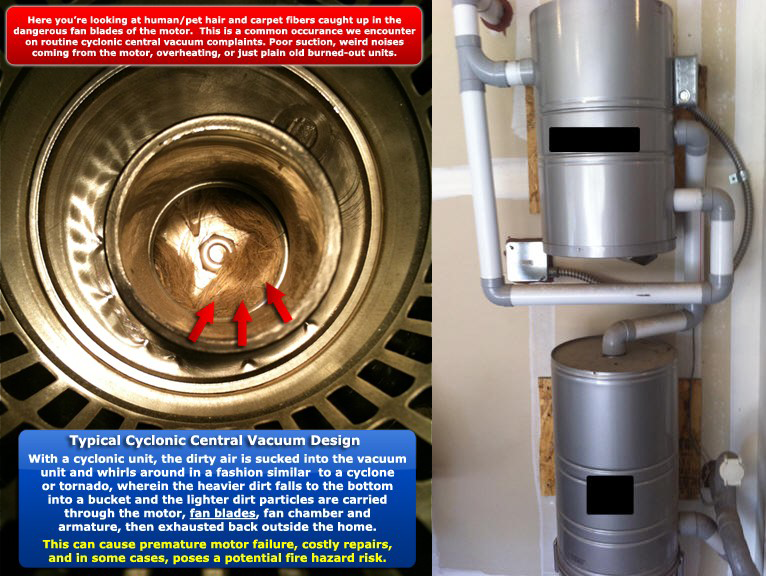
One of the most significant advantages for pet owners is the potential for improved indoor air quality. Traditional vacuums can sometimes recirculate fine dust and allergens back into the air, which is a concern for both people and pets, especially those with allergies or respiratory issues. Many central vacuum systems use cyclonic separation and large filtration bags or canisters that trap a higher percentage of dust, dander, and allergens.
This means that more of the microscopic particles, including pet dander and hair, are collected in the central unit rather than being blown back into your home. This can lead to a cleaner living environment and potentially reduce allergy symptoms for sensitive household members, both human and animal.
Specialized Pet Tools And Attachments
The effectiveness of any vacuum, including a central system, also depends on the tools used. Many central vacuum manufacturers offer specialized attachments designed for pet hair. These can include:
- Motorized pet brushes: These powerheads, often used with a central vacuum hose, have rotating brushes that agitate carpet and upholstery to loosen stubborn pet hair, making it easier for the strong suction to capture.
- Upholstery tools with rubber nubs: These tools help to grab and lift pet hair from furniture surfaces before the vacuum suctions it away.
- Crevice tools and dusting brushes: Essential for reaching into tight spots where pet hair tends to accumulate, such as along baseboards, in corners, and on furniture edges.
The availability and effectiveness of these attachments are crucial for a central vacuum system to be truly good at handling pet hair.
Large Area Coverage And Convenience
Central vacuums typically use long hoses that can reach many rooms from a single wall inlet. This makes it convenient to clean large homes or multiple rooms without constantly switching outlets or carrying a heavy machine. For pet owners who need to vacuum frequently, this convenience and extended reach can make a big difference in maintaining a clean home.

Potential Downsides And Considerations
While central vacuums offer many benefits for pet owners, there are a few potential drawbacks to consider. These include the initial cost, installation requirements, and the need for compatible accessories.
Initial Cost And Installation
Central vacuum systems represent a significant initial investment. The cost of the power unit, hoses, inlets, and installation can be considerably higher than purchasing a high-end portable vacuum. For homeowners, the system is often integrated during new construction or major renovations, as retrofitting can be more complex and costly.
Maintenance And Canister Emptying
While the large capacity of the central collection bin means less frequent emptying than with portable vacuums, it still requires maintenance. Depending on the model and the amount of pet hair and debris collected, the canister or bag will need to be emptied periodically. This is usually done once or twice a year, but it involves accessing the unit, which might be in a garage or basement.
Hose Management
The hoses for central vacuums can be quite long and sometimes unwieldy, especially the standard 30-35 foot models. While they offer great reach, storing them can be a challenge. Some systems offer hose storage solutions, but it’s something to consider if you have limited storage space.
Comparing Central Vacuums To Portable Options For Pet Hair
When deciding between a central vacuum and a portable unit for pet hair, it’s helpful to compare their strengths and weaknesses directly.
Here’s a look at how they stack up:
| Feature | Central Vacuum System | High-Quality Portable Vacuum |
|---|---|---|
| **Suction Power** | Generally higher and more consistent | Varies greatly by model; can be strong but may fade |
| **Noise Level** | Significantly quieter in living areas | Can be very loud, potentially stressing pets |
| **Air Quality** | Often better filtration, less recirculation | Can recirculate dust and allergens if not well-filtered |
| **Pet Hair Removal** | Excellent, especially with specialized attachments | Good to excellent, depending on model and tools |
| **Convenience** | Easy to use in large areas; no heavy lifting | Portable; easy to maneuver in tight spaces |
| **Initial Cost** | High | Moderate to high |
| **Installation** | Requires professional installation, often during build | No installation needed |
| **Maintenance** | Less frequent emptying, but requires access to unit | More frequent emptying/bag changes |
Choosing The Right Attachments
Regardless of whether you opt for a central or portable vacuum, the right attachments are key for pet hair. For central vacuums, ensure you get models that include or offer compatible motorized pet tools and effective upholstery brushes. These accessories are often the unsung heroes in the fight against stubborn fur.
Expert Insights And Recommendations
From an expert perspective, central vacuums can be an excellent choice for pet owners, provided the system is well-designed and equipped with appropriate tools. The sustained power and improved air quality are significant advantages. However, it’s not a magic bullet.
A powerful central vacuum with a basic dusting brush will likely perform worse on pet hair than a good portable vacuum with a dedicated pet hair attachment.
For those considering a central vacuum, look for systems with high air watts (a measure of suction power) and robust filtration systems. Always inquire about their pet-specific accessory packages.
A reputable source on home technology notes that the long-term benefits of central vacuums, including better air quality and durability, can outweigh the initial

