

Understanding the reach of your central vacuum hose is key to efficient cleaning. A central vacuum system offers powerful suction and convenience, but its effectiveness is directly tied to how far its hose can stretch. This article will break down the factors influencing hose reach and how to maximize it.
How Far Can A Central Vacuum Hose Reach?
The reach of a central vacuum hose is not a single, fixed number. It depends on several factors, including the hose length, the placement of wall inlets, and the overall design of your home’s vacuum piping. Most standard central vacuum hoses are designed to cover a significant area from a single inlet, often reaching 50 to 70 feet. However, some specialized hoses can extend even further, and strategic placement of inlets can effectively double the cleaning radius of a single hose.
The primary goal of a central vacuum system is to connect the powerful motor unit, located away from living spaces, to cleaning tools via a network of pipes. The hose is the flexible conduit that brings the suction power to your floors and surfaces.
Knowing its limitations and capabilities ensures you can clean your home effectively without constantly needing to replug or move to a new outlet.
Factors Affecting Central Vacuum Hose Reach
Several elements determine how far your central vacuum hose can practically extend. Understanding these will help you plan your cleaning routine and assess your system’s capabilities.
Hose Length
The most obvious factor is the length of the hose itself. Central vacuum hoses come in various lengths, typically ranging from 25 feet to 50 feet. Some heavy-duty or commercial models might offer even longer hoses, up to 70 feet. When purchasing a hose, consider the size of the rooms you need to clean and the typical distance between your inlets. A 30-foot hose might be sufficient for smaller apartments, while a larger home will likely benefit from a 35-foot or even a 50-foot hose.
Wall Inlet Placement
The location of your wall inlets (also called vacuum ports or inlets) is crucial. Inlets are the points where the hose connects to the central vacuum system’s piping. Ideally, inlets should be placed so that one hose can cover a large portion of a room or an entire room. Strategic placement means fewer inlets are needed throughout the house. A common recommendation is to place an inlet in the center of a wall or in a corner of a room, allowing the hose to reach all four corners and beyond.
Home Layout And Size
The layout and size of your home directly impact the effective reach of your hose. A long, narrow hallway might require an inlet at each end for full coverage, whereas a large, open-concept living area might be well-served by a single, centrally located inlet. For multi-story homes, having inlets on each floor is essential. The overall square footage and the number of rooms will dictate how many inlets you need and, consequently, how far each hose needs to stretch.
Hose Diameter And Type
While less common, the diameter of the hose can subtly affect its handling and perceived reach. Thicker hoses, often found in more powerful systems, can be slightly heavier and less flexible, potentially making them feel shorter than a lighter, thinner hose of the same physical length. The type of hose also matters; some are designed for maximum flexibility, while others prioritize durability.
Obstacles And Furniture
Furniture and obstacles in your home can limit the practical reach of your hose. A large sofa or a heavy cabinet might prevent the hose from stretching fully into a corner. While you can move some furniture, it’s important to consider how your hose will navigate around built-in features or heavy items when planning inlet locations.
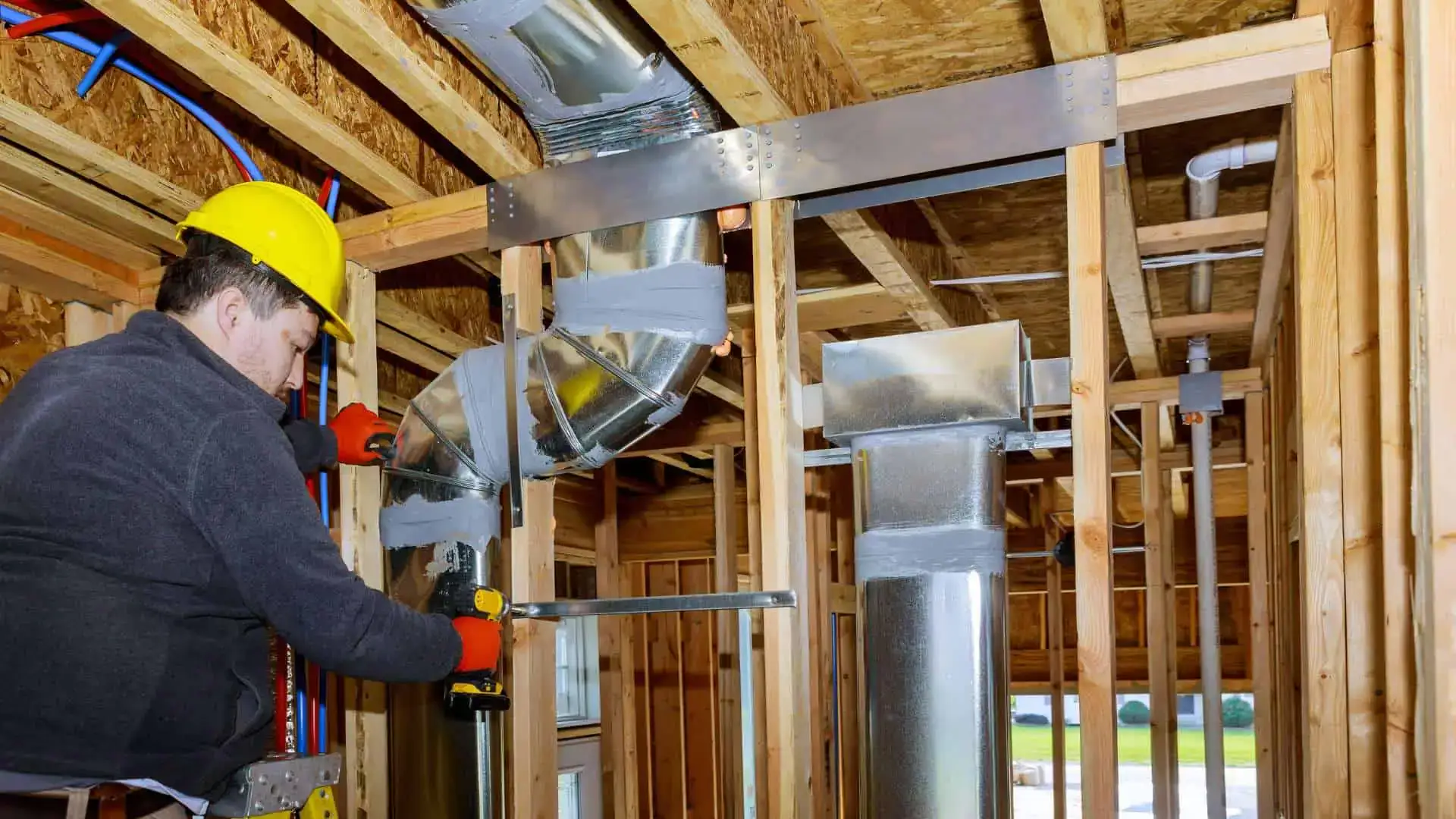
Calculating Your System’s Cleaning Radius
To understand the true cleaning radius of your central vacuum system, you need to consider both the hose length and the inlet placement.
Standard Reach Calculation
A good rule of thumb is that a single central vacuum inlet can effectively clean an area with a radius of about 25 to 35 feet. This is calculated by taking half the hose length and adding a bit for maneuverability. For example, a 30-foot hose might offer a cleaning radius of around 15-20 feet from the inlet, effectively covering a circular area with a diameter of 30-40 feet.
Maximizing Reach With Inlet Placement
The key to maximizing reach is strategic inlet placement. For a typical room, placing an inlet in the center of the longest wall can often provide sufficient coverage. In larger rooms, two inlets might be necessary for complete cleaning. For homes, consider placing inlets in hallways or central areas that allow the hose to reach adjacent rooms.
Here’s a general guide for inlet placement based on room size:
| Room Type | Recommended Hose Length | Estimated Cleaning Radius per Inlet |
|---|---|---|
| Small Bedroom/Office | 25-30 feet | 15-20 feet |
| Living Room/Master Bed | 30-35 feet | 18-25 feet |
| Large Open Area | 35-40 feet | 20-30 feet |
| Multi-story Home | 30-40 feet per floor | 18-30 feet per floor |
This table shows how hose length translates to effective cleaning area. Remember, these are estimates; your home’s unique layout will influence the actual reach.
The “double Sweep” Technique
A practical tip for extending your cleaning reach without adding more inlets is the “double sweep” technique. This involves cleaning a room from two different inlets. For instance, if a room has inlets on opposite walls, you can clean half the room from one inlet and the other half from the second. This ensures you cover every inch without straining the hose or needing an excessively long one.
Common Hose Lengths And Their Applications
Different hose lengths are suited for different needs and home sizes. Choosing the right length can save you time and effort.
- 25-foot hoses: These are best for smaller homes, apartments, or for use in garages and workshops where the cleaning area is limited. They are lightweight and easy to handle but may not be sufficient for larger rooms.
- 30-foot hoses: A popular choice for many homes, offering a good balance between reach and manageability. They can cover most standard-sized rooms effectively.
- 35-foot hoses: Ideal for medium to large homes, these hoses provide extended reach, reducing the need to switch inlets frequently. They are still relatively easy to manage.
- 50-foot hoses: These are designed for very large homes, open-plan living spaces, or situations where inlets are spaced further apart. While they offer maximum reach, they can be heavier and more cumbersome to store and maneuver.
In my experience, a 30-foot hose is often the sweet spot for most average-sized homes, providing enough coverage without becoming unwieldy.

Tips For Maximizing Your Central Vacuum Hose Reach
Beyond choosing the right hose length and inlet placement, a few other strategies can help you get the most out of your central vacuum system’s reach.
Proper Hose Storage And Care
Store your hose properly to prevent kinks and damage. A damaged hose can reduce suction power and its effective length. Avoid tightly coiling the hose or leaving it in positions where it can be stepped on or run over by furniture. Many central vacuum systems come with a hose hanger or storage bag.
Consider Stretch Hoses
For areas where you need occasional extended reach, stretch hoses can be a good solution. These hoses are designed to expand significantly when in use and retract to a shorter length for storage. A 15-foot stretch hose, for example, can expand to 30 feet or more, offering flexibility without the bulk of a full-length hose.
Regular Maintenance Of The System
Ensure your central vacuum system itself is well-maintained. A clogged pipe or a full collection canister can reduce suction power, making the hose feel less effective even if it’s physically reaching the desired area. Regular cleaning and maintenance of the main unit and the pipe

