

Understanding the cost of a central vacuum system is crucial for homeowners considering this convenient and powerful cleaning solution. These systems, with their powerful motors located away from living areas and durable tubing running through walls, offer a significant upgrade from traditional vacuums. The total investment can range widely, influenced by factors such as the size of your home, the complexity of installation, the brand chosen, and whether you opt for professional installation or a DIY approach.
When budgeting for a central vacuum, it’s important to look beyond just the initial purchase price. Consider the long-term benefits, like improved indoor air quality and the reduced noise level, which add value to your home. The upfront cost is an investment in a more efficient and healthier living environment.
Understanding The Components And Their Costs
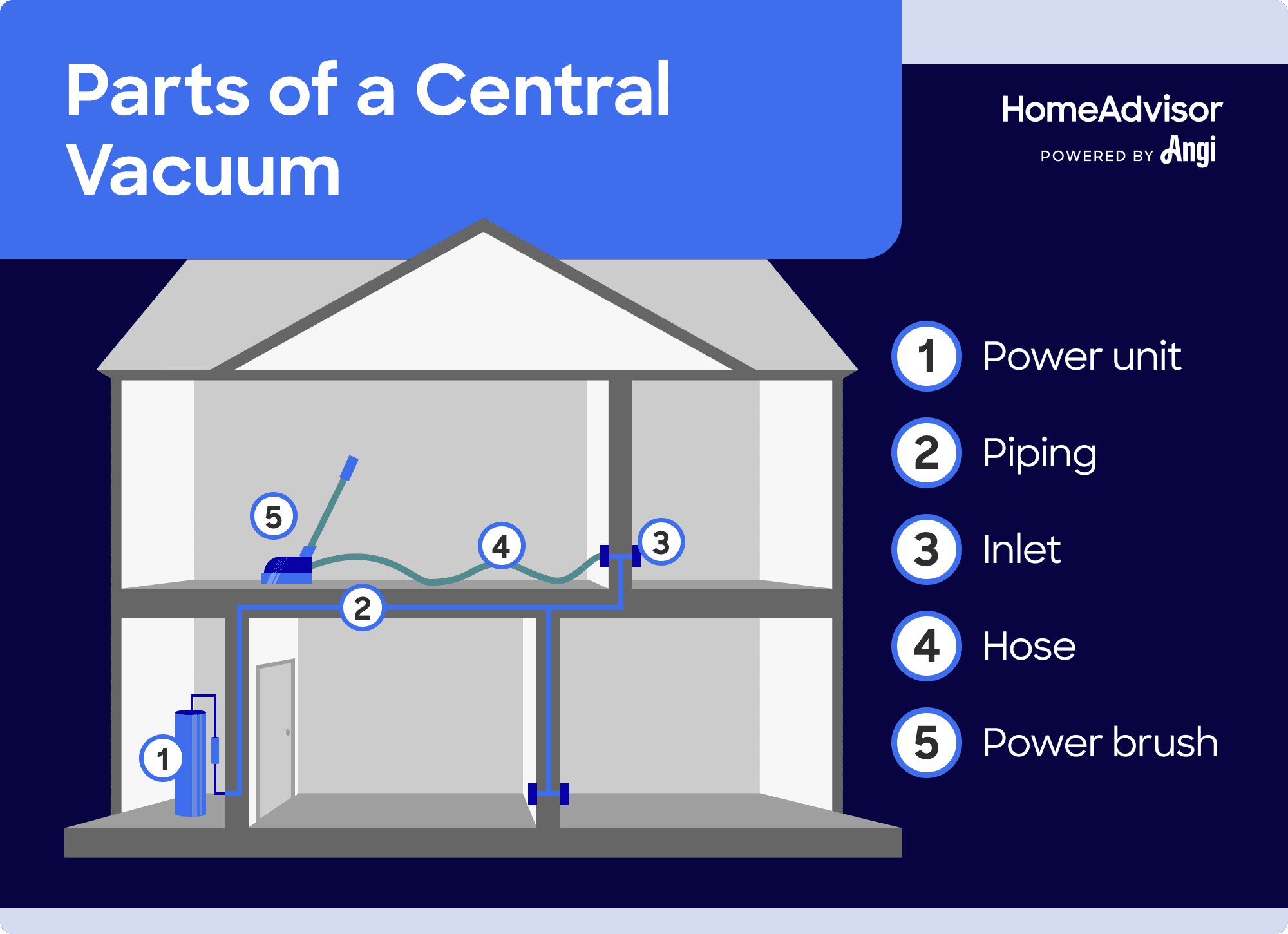
A central vacuum system consists of several key parts, each contributing to the overall price. Knowing these components helps in understanding where your money is going.
The Central Power Unit
This is the heart of the system, housing the motor and collection receptacle (usually a bag or canister). Power units vary in suction power, size, and features. More powerful units designed for larger homes or commercial use will naturally cost more. Brands also play a role; premium brands often come with a higher price tag but may offer better durability and warranties.
Expect the power unit itself to cost anywhere from $300 to $1,500 or more. Factors like the presence of a HEPA filter, the capacity of the dirt receptacle, and the motor’s lifespan all influence this price. Some high-end models even include self-cleaning capabilities or advanced noise-dampening technology.
The Vacuum Tubing And Installation
The network of pipes that run through your walls is a significant part of the installation cost. For new home construction, integrating the tubing is much simpler and less expensive than retrofitting it into an existing home. The amount of tubing needed depends directly on the square footage and layout of your house.
For new builds, the cost of the tubing and its installation might range from $500 to $2,000. In existing homes, this can climb higher, often between $1,000 and $3,000, due to the labor involved in cutting into walls and running the pipes. This includes the necessary wall inlets and wiring for the power unit.
Vacuum Inlets And Accessories
These are the ports on your walls where you plug in the hose. Most systems require one inlet per floor or major living area. The cost per inlet is generally modest, around $20 to $50 each. However, the real expense comes with the accessories.
A standard central vacuum accessory kit typically includes a long, flexible hose (often 30-35 feet), a wand, and a floor brush. These kits can range from $150 to $500. More advanced kits might include specialized attachments for different surfaces (hardwood, carpet), upholstery tools, crevice tools, and dusting brushes, which can add to the cost.
Pro Tip: Consider the length and type of hose you need. A hose that’s too short will be frustrating to use, while a heavier, powered hose for carpet agitation will be more expensive but more effective on plush carpets.
Installation Labor
If you’re not a seasoned DIYer, professional installation is highly recommended. This ensures the system is set up correctly for optimal performance and longevity. The cost of professional installation can vary significantly based on your location and the complexity of the job.
Expect to pay between $500 and $2,000 for professional installation. This cost covers the labor of running the tubing, mounting the power unit, and connecting all the components. In older homes requiring more extensive work, this figure could be higher.
Factors Influencing The Total Cost
Several variables can push the price of a central vacuum system up or down. Understanding these factors will help you set a realistic budget.
Home Size And Layout
Larger homes require more tubing, more inlets, and potentially a more powerful central unit. A sprawling ranch-style house might need more linear feet of tubing than a multi-story home of the same square footage. Complex layouts with many rooms and corners can also increase installation labor.
New Construction Vs. Retrofit
As mentioned, installing a central vacuum during the construction phase is considerably cheaper. The walls are open, making it easy to run the tubing. Retrofitting into an existing home involves cutting into drywall, potentially running pipes through finished ceilings or attics, which significantly increases labor time and cost.
Brand And Quality
Like any product, central vacuum systems come in various brands and quality levels. Well-known, reputable brands often command higher prices due to their perceived reliability, performance, and customer support. Cheaper, lesser-known brands might offer a lower upfront cost but could compromise on durability or suction power.
Type Of Power Unit
Central vacuum power units can be bagged or bagless. Bagless units require emptying a canister, which can be messy but eliminates the recurring cost of bags. Bagged units keep dust contained but require purchasing replacement bags. The choice between these can affect the long-term cost and user experience.
Included Accessories
The number and type of cleaning attachments included in the package can significantly impact the price. A basic kit will be less expensive than a comprehensive one with specialized tools for every cleaning task.

Average Cost Ranges
To give you a clearer picture, here are some estimated cost ranges for different scenarios:
| Scenario | Estimated Cost Range (Parts & Labor) | Notes |
|---|---|---|
| **Basic System (Small Home)** | $800 – $1,500 | DIY installation, smaller power unit, basic accessory kit. |
| **Mid-Range System (Average Home)** | $1,500 – $3,000 | Professional installation, decent power unit, standard accessory kit. |
| **High-End System (Large Home)** | $3,000 – $5,000+ | Professional installation, powerful unit, premium accessories, complex layout. |
| **New Construction Integration** | $1,000 – $2,500 | Tubing and basic installation during build, power unit and accessories extra. |
These figures are approximate and can vary based on the specific products and services chosen.
Diy Vs. Professional Installation
Deciding whether to install the system yourself or hire a professional is a major cost consideration.
Diy Installation
If you are comfortable with basic construction and plumbing tasks, a DIY installation can save you a significant amount on labor costs. You would still need to purchase the power unit, tubing, inlets, and accessory kit. The primary savings come from avoiding the professional installer’s fees, which can be $500 to $2,000.
However, mistakes during DIY installation can be costly. Improperly run tubing can lead to poor suction, and incorrect wiring can damage the power unit. It’s essential to thoroughly research the installation process and ensure you have the right tools.
Professional Installation
Hiring a professional installer ensures the system is set up correctly from the start. They have the expertise and tools to run the tubing efficiently and connect everything properly. This peace of mind often justifies the added expense.
A professional installer can also advise on the best system for your home’s specific needs, ensuring you get the most effective and efficient setup. They typically offer a warranty on their workmanship, providing an extra layer of security.
Long-term Value And Considerations
While the initial cost is substantial, central vacuums offer several long-term benefits that can outweigh the expense.
Improved Indoor Air Quality
Central vacuum systems vent exhaust air outside the home, unlike portable vacuums that recirculate dust and allergens back into the air. This can be a significant advantage for individuals with allergies or respiratory issues. The powerful suction also removes more dirt and debris from carpets and floors.
Reduced Noise Levels
The motor of a central vacuum is typically housed in a garage, basement, or utility room, significantly reducing the noise level in your living spaces. This allows for vacuuming at any time without disturbing others.

