

How do you empty a wet/dry vacuum? It’s simpler than most people think, but the right approach depends on what’s inside the tank. A shop vac that picked up sawdust needs a completely different emptying process than one full of water.
Get it wrong and you’ll be digging wet sludge out of a soggy filter.
Manufacturer specifications indicate that a full 12-gallon tank can hold around 100 pounds of water before the float valve trips. That much weight changes everything about how you should handle the tank. As of 2026, most wet/dry vacuums still use the same basic tank, lid, and drain system.
Let’s walk through both methods so you never have to drag a leaking vacuum across your garage.
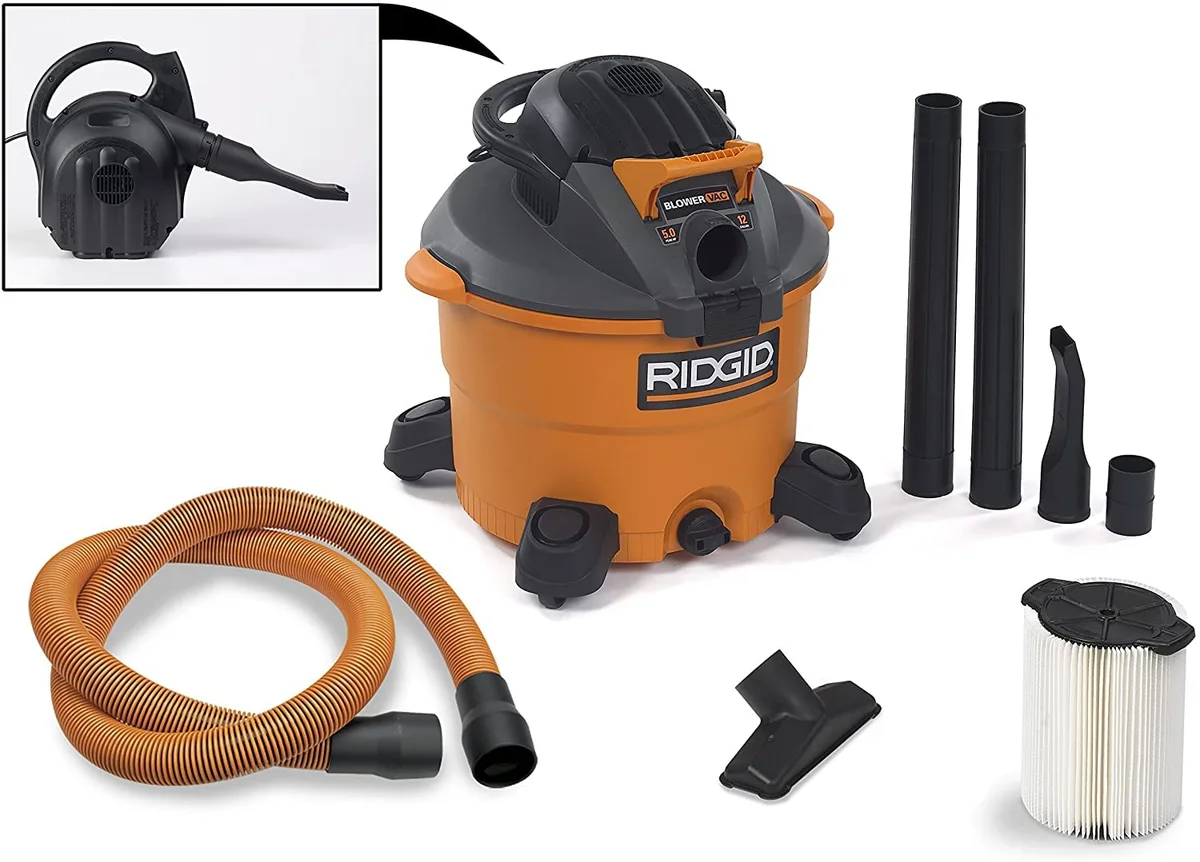
Image source: Web (Bing) / fity.club (Web image (fair-use with source credit))
Quick Answer
To empty a wet/dry vacuum, first turn it off and unplug it. Then open the tank by unlocking the lid clamps. Empty dry debris into a trash bin.
Drain wet liquid through the drain port if your model has one. Rinse the tank and dry the filter before reassembling.
What You’re Really Dealing With: Dry Debris, Wet Sludge, or Both
The first step isn’t lifting anything. It’s looking at what’s inside. The tank holds one of three things: dry material, liquid, or a soggy mix of both.
Your emptying method depends on which one you’ve got.
- Dry debris: sawdust, drywall dust, wood shavings, spilled birdseed, small screws. You can tilt and dump it into a bin.
- Wet waste: spilled water, rain from a flooded garage, melted snow from the car, a burst water heater. Use the drain port or carefully pour.
- Mixed mess: wet leaves, damp dirt, half-dried paint spills, water with grit at the bottom. You need to drain the liquid first, then deal with the sludge.
Most people discover this split after the tank is already full. That’s fine. The fix is the same: drain off the liquid, then remove the solid debris.
If you’re mostly doing workshop cleanup, it helps to know what a unit can handle before the tank fills.
Before You Start: Tools and Prep That Save You a Mess
A little prep goes a long way. You don’t need much, but having the right items nearby stops you from making a trail of dust across the floor.
- Work gloves
- Dust mask or respirator
- A sturdy trash bin or plastic tote
- An old towel or shop rags
- A garden hose or rinse adapter
- Pliers or a wrench for stubborn drain caps
- A disposable collection bag if you use one
Work outside if you can. A garage floor drain works too. The one thing you don’t want is to dump drywall dust indoors and watch it settle onto every shelf in the room.
If you’ve been vacuuming fine dust, mask up. Aggregate reviews from people who do this daily show that visible dust clouds are the number one complaint when emptying a shop vac. A simple dust mask fixes most of it.
How to Empty a Wet/Dry Vacuum Filled with Dry Debris
This is the easiest scenario. If you’ve only sucked up dry material, use the tilt-and-dump method. It takes about a minute.
- Turn off the vacuum and unplug it. Never open the tank while the motor is still running.
- Release the lid clamps. Most wet/dry vacuums have two or three metal clips around the top. Push the clamps away from the lid to unlock them.
- Lift the motor lid straight up. The lid has the motor, the filter, and often the float valve attached. Set it down on a clean, dry surface so the filter doesn’t pick up more dust.
- Check the filter. If you were using a disposable paper bag, seal the bag and pull it out. If you were using a cartridge or foam filter, leave it on the lid unless it’s caked. You’ll clean it next.
- Carry the tank to a trash bin. Use both hands. Most tanks have molded handles on the sides.
- Tilt and pour slowly. Move the tank toward the bin and let the debris fall out. A quick tilt sends dust flying. Slow and steady keeps it in the bin.
- Scrape out the stuck bits. Use a plastic scraper, cardboard, or a rubber spatula to pull out anything packed at the bottom.
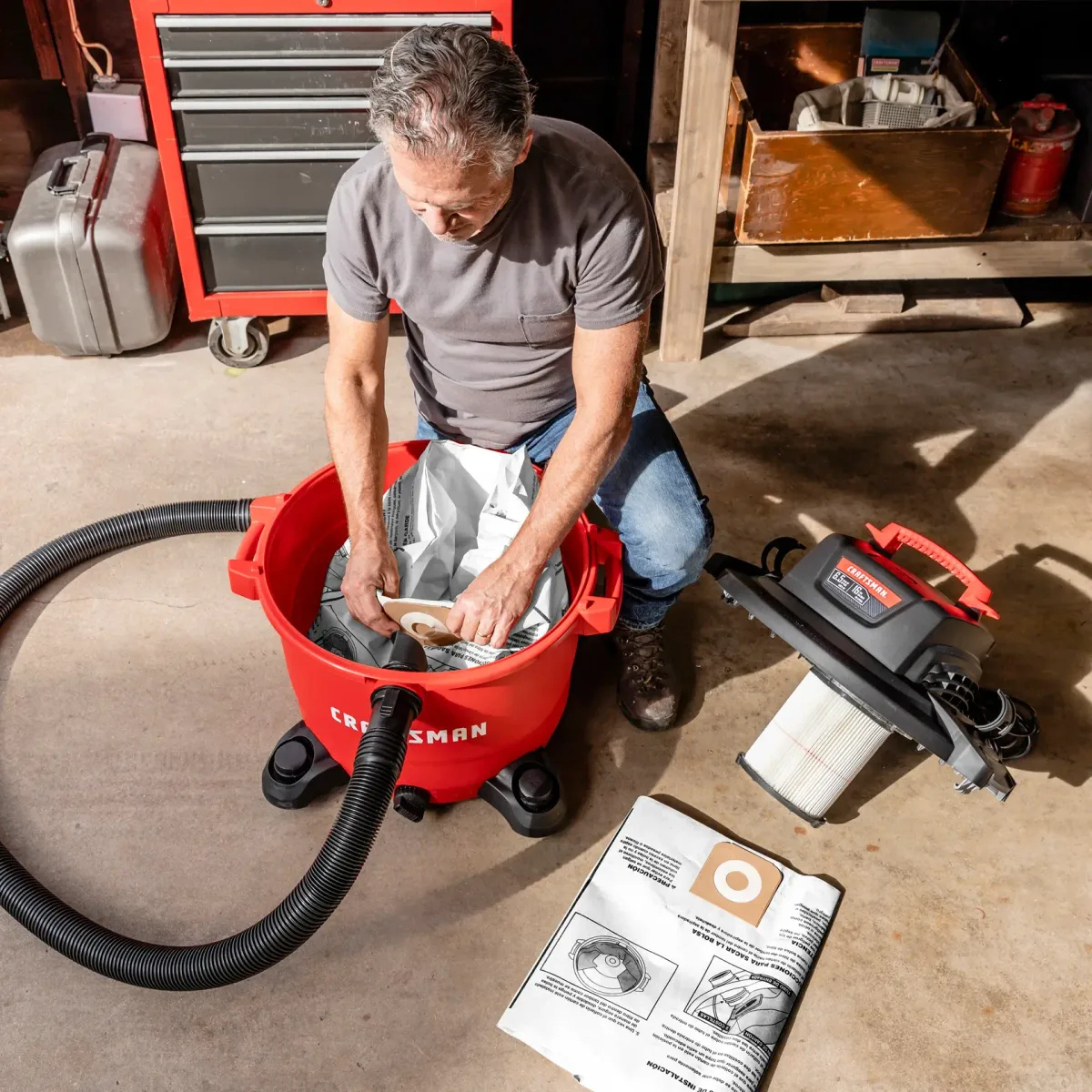
Image source: Bing (Web (fair-use with source credit))
When to Use a Bag or Filter Liner Instead
Some wet/dry vacuums accept a rubber or plastic collection bag. If you vacuum a lot of drywall dust or fine dirt, a bag is worth using. It turns emptying into a two-second job: pull the bag, toss it, put in a new one.
The trade-off is cost. Bags wear out and need replacing. But users often prefer the convenience when doing large renovation projects.
If you’re just cleaning up a few dust bunnies, skip the bag and stick with the direct dump.
How to Empty a Wet/Dry Vacuum Filled with Water
Water is where things get heavy. A 6-gallon tank full of water weighs about 50 pounds. A 12-gallon tank pushes 100 pounds.
That weight makes the drain port your best friend.
Most portable wet/dry vacuums include a drain port at the base or low on one side of the tank. If your model has one, use it every time. It saves your back and keeps the mess contained.
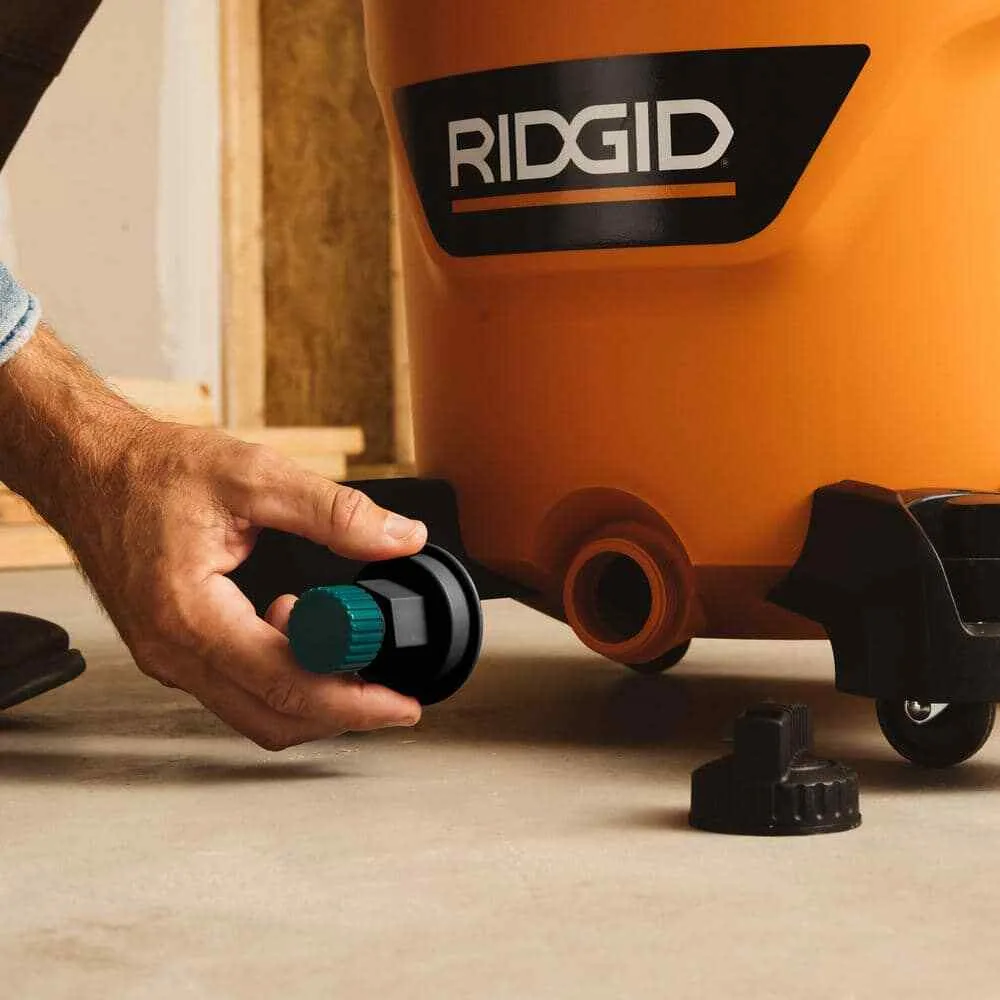
Image source: Web (Bing) / ebay.com (Web image (fair-use with source credit))
Using the Drain Port
- Unplug the vacuum. Remove the pickup hose from the suction port so water can flow freely.
- Roll or carry the unit near a drain. A floor drain, utility sink, or the edge of a driveway works well.
- Position a bucket or attach a hose adapter. Some drain ports thread directly onto a garden hose. Others just need a shallow bucket underneath.
- Remove the drain cap slowly. Water will rush out. Opening it too fast causes splashing.
- Tilt the tank slightly toward the drain port once the flow slows. This gets the last bit of liquid out.
- Replace the cap firmly. A loose cap will leak next time you use the vac.
If Your Model Has No Drain Port
You can still pour the water out, but stay smart about it.
- Unplug the vacuum and remove the lid.
- Carry the tank to a drain or outdoor spot.
- Use the handles and pour in a single controlled motion.
- Pour slowly to avoid a wave of water splashing out over the rim.
If the tank is more than half full, get a second person. That’s not a suggestion. A 12-gallon tank with water weighs close to 100 pounds, and the shape makes one-person pouring unstable.
Two people make it easy.
How Mixed Debris Changes the Process
When you have water mixed with leaves, dirt, sawdust, or paint chips, don’t just dump everything together. First, drain the majority of the liquid through the port or by pouring. Then tip the tank over a trash bin to release the wet sludge.
Rinse the tank with a hose to get the rest.
What About the Filter? Removing and Cleaning It the Right Way
The filter is the part people forget until the vacuum starts blowing dust back into the room. Different filters match different jobs.
| Filter type | Best for | Cleaning method |
|---|---|---|
| Cartridge filter | Dry debris | Tap dust off outdoors; rinse if the model says it’s washable |
| Foam sleeve filter | Wet pickup | Rinse with clean water and mild soap; squeeze dry |
| Disposable paper bag | Dry debris | Remove, seal, and throw away |
For dry debris, a cartridge filter can get caked after a few big jobs. Knock it gently against a trash can to loosen the dust. If it’s still fuzzy, you can wash it with plain water, provided your owner’s manual approves.
Most modern models allow it.
For wet pickup, a foam filter sits over the cartridge. It stops water from reaching the motor. After dumping the tank, remove the foam sleeve and rinse it in a bucket of clean water.
Squeeze it out, never twist it. Twisting tears the foam.
Let both filters dry completely before you store them. A damp filter in a closed tank is a mold farm.
Common Mistakes That Ruin Filters, Motors, and Your Day
- Leaving a wet filter in place. It clogs instantly on your next dry job and starts smelling.
- Vacuuming dry dust with a wet foam filter. The wet foam traps dust, cuts suction, and turns into mud.
- Ignoring the float valve. When the tank is full, suction stops. If you keep running the vac, the motor can overheat.
- Emptying over a kitchen bin. Wet sludge and dust splatter back into your face.
- Forgetting to unplug. Opening the tank with the motor running is loud, messy, and dangerous.
- Cranking the drain cap with tools. It can crack. Your fingers are usually enough.
A full tank isn’t the only reason suction drops. A clogged hose or a jammed filter retainer can also kill airflow. Check those before assuming the tank is full.
How to Rinse, Dry, and Reassemble Your Vac So It’s Ready Next Time
Once the tank is empty, give it a quick rinse. Use a garden hose and spray down the inside walls. For stuck-on sludge, add a few drops of dish soap and swish it around.
Drain the rinse water and wipe the tank with a cloth. Leave the tank upside down for fifteen minutes to air dry. Do not put the lid back on yet.
The filter needs time to dry. A foam sleeve dries in a few hours. A cartridge filter may take overnight.
Set both in a well-ventilated area, away from direct sunlight.
When everything is dry, snap the foam sleeve over the cartridge. Slide the filter assembly back onto the lid and lock the retainer. Line up the lid with the tank, press it down, and click the clamps back into place.
Store the vacuum with the lid slightly ajar. A cracked-open lid keeps stale air moving and stops mold from growing inside the tank.
When to Empty It: Reading the Float Valve and Suction Loss
The float valve is your early warning system. When the tank reaches capacity, the float rises and blocks the suction path. You’ll hear the motor pitch change.
That’s the sign to stop and empty.
Don’t wait until the tank is packed to the brim. The float cage leaves a little air space, but that’s there to protect the motor, not to buy you time. Once suction drops, the tank is full enough.
For dry debris, check the tank every time you finish a session. Dust packs down and fools you into thinking there’s room. For liquid, listen for the motor change.
It happens fast, especially with a short pickup hose.
If you’re working on a large flood, empty the tank after every few minutes of pickup. The time varies by tank size, but a 6-gallon unit fills quickly with standing water.
Safety First: Floodwater, Hazardous Dust, and Flammable Liquids
Some things should never go into a regular wet/dry vacuum. Flammable liquids like gasoline, paint thinner, or acetone top the list. The motor creates sparks, and the vapor can ignite.
Use an explosion-proof vacuum rated for those materials instead. If you notice a strong fuel smell from your vac, stop using it immediately.
Hot ashes and embers are another no-go. A standard shop vac isn’t designed for fire containment. Hot material can melt the tank and start a fire.
Floodwater may look clean but often carries bacteria. After vacuuming floodwater, rinse the tank with a bleach and water solution. A tablespoon of bleach per gallon is standard.
Check the EPA’s mold cleanup guidance for reference.
For drywall dust and construction debris, wear a properly fitted respirator. The Occupational Safety and Health Administration notes that fine silica dust can damage lungs over time. A dust mask is fine for household messes, but a P100 respirator is better for serious renovation work.
Quick Decision Guide: Which Emptying Method Should You Use?
Use this as your cheat sheet.
| What's in the tank | Best method |
|---|---|
| Dry dust and solids | Tilt-and-dump into a trash bin |
| Dry dust inside a collection bag | Pull the bag, seal it, toss it |
| Water alone, drain port available | Open the drain port over a floor drain |
| Water alone, no drain port | Remove lid and pour slowly with a second person |
| Mixed sludge and water | Drain liquid, then dump sludge |
| Fine dust that billows | Use a bag or empty outdoors |
If you’re unsure, open the lid and look. A quick check takes ten seconds and saves a mess.
Frequently Asked Questions
Can I empty a wet/dry vacuum while it’s still plugged in?
No, never open the tank while the vacuum is connected to power. Unplug it first. This keeps the motor from turning on accidentally and protects you from electric shock.
Why does my shop vac smell like mildew?
A damp filter or leftover water in the tank causes the odor. Rinse the tank, clean the foam filter, and let everything dry completely. Store the vacuum with the lid cracked open.
Can I rinse the tank with a garden hose after emptying it?
Yes, if the tank is dry-debris only, a quick rinse is fine. For wet debris, rinse with clean water and mild soap. For floodwater, use a diluted bleach solution and let it air dry.
Do I need to remove the filter every time I empty the tank?
Not every single time. If the filter still looks clean and you’re only dumping dry debris, leave it in place. But you should inspect it regularly and clean it whenever it looks dirty.
How do I stop the dust cloud when emptying dry debris?
Empty the vacuum outdoors or into a large trash bag. You can also use a disposable filter bag inside the tank. It contains the dust and makes disposal faster.
Can I vacuum up water with a dry cartridge filter?
No, a dry cartridge filter will soak through and let water reach the motor. You need a foam sleeve filter or a wet-rated attachment installed before any liquid pickup.

