

Are robot vacuums worth it? That depends on what you expect them to do. A robot vacuum is a daily-maintenance tool, not a total replacement for a manual machine.
If you think it will deep-clean like a traditional vacuum, you'll be disappointed. If you want fewer crumbs underfoot, it can be genuinely life-changing.
In our research, the clearest pattern is this: the best owners use both. Aggregate reviews report that robot vacuums handle surface dirt well, while manual vacuums still handle stairs, upholstery, and deep carpet. Manufacturer specifications show self-emptying robot vacuums can hold 30 to 60 days of debris before the bag needs changing.
As of 2026, even premium models still miss spots a person would notice.
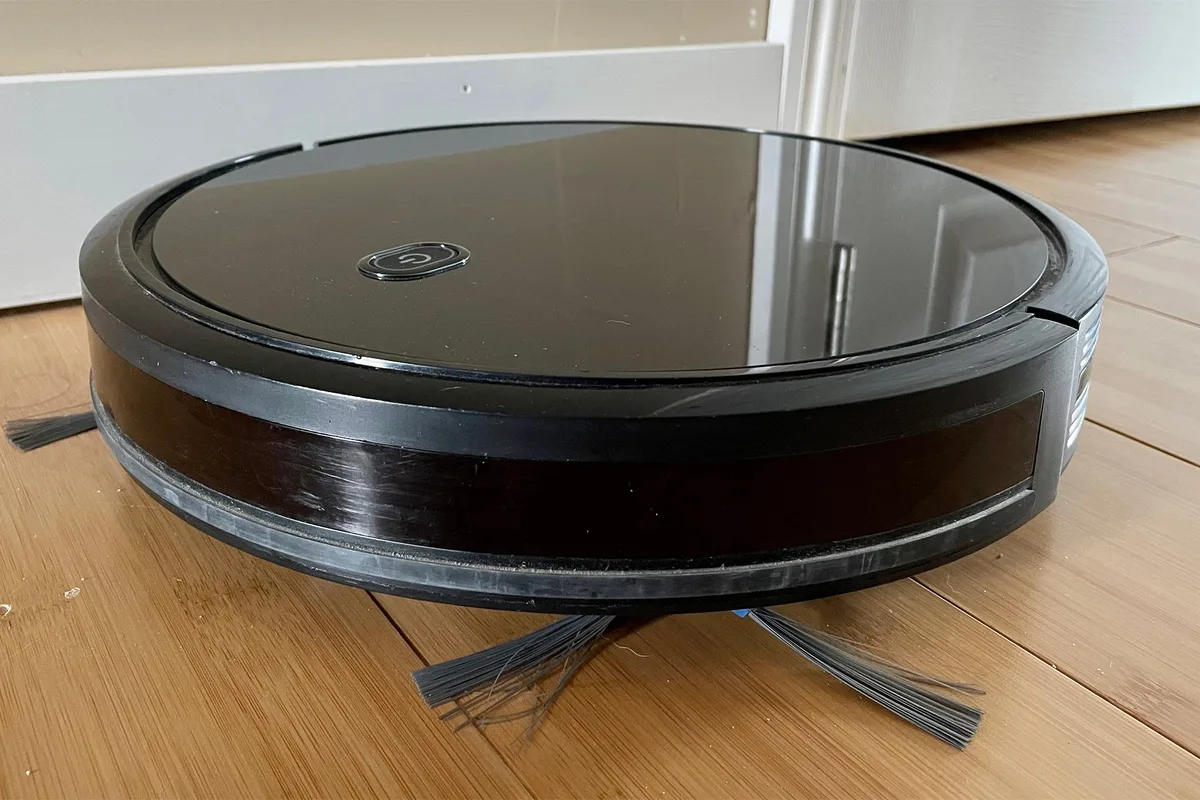
Image source: Web (Bing) / phenergandm.com (Web image (fair-use with source credit))
Quick Answer: Is a Robot Vacuum Actually Worth It?
Are robot vacuums worth it? Yes, for most homes, as a daily-maintenance tool. No, if you expect deep-cleaning power.
A robot vacuum keeps floors tidy between manual passes. A traditional vacuum still handles heavy-duty tasks. Buy a robot for convenience, not for perfection.
What a Modern Robot Vacuum Actually Does (and Doesn't Do)
Here's the honest breakdown. A modern robot vacuum is a small, self-propelled cleaner that maps your home, navigates around obstacles, and returns to its dock when the battery runs low. It uses either laser mapping (LiDAR), camera-based visual navigation, or simpler gyroscopic sensors.
Better navigation means fewer bumps into your furniture.
What it genuinely does well
- Picks up surface dust, crumbs, pet hair, and lint on hard floors.
- Cleans under beds, sofas, and cabinets you'd never reach with an upright.
- Runs on a schedule while you're at work or asleep.
- Self-empties into a dock so you only touch the bag every few weeks.
What it absolutely won't do
- Deep-clean high-pile carpets or stairs. Most robots can't climb stairs at all.
- Reach tight corners, baseboards, and furniture edges with precision.
- Deal with cords, socks, phone chargers, or pet toys left on the floor.
Think of it as a helper that keeps your floors presentable, not a powerhouse that replaces your deep-cleaning routine. Performance testing follows methods developed by ASTM International, but those tests use controlled surfaces. Your home has chairs, rugs, and dog bowls.
That changes everything.
Robot Vacuum Pros and Cons
Every machine has a real upside and a real catch. Let's lay them out plainly.
Pros
- Saves time. The robot cleans while you do anything else.
- Works daily without effort. Set a schedule and forget about it.
- Great for hard floors and low-pile carpet. Dust and hair disappear fast.
- Quiet enough to run during a workday. You won't hate the noise.
- Self-emptying models are great for allergy sufferers. You don't breathe dust during disposal.
Cons
- Expensive up front. A capable self-emptying model can cost $700 or more.
- Weak on deep carpet. It skims the surface but doesn't pull dirt from deep fibers.
- Needs a clear floor. Cables and toys cause tangles and stuck robots.
- Maintenance adds up. Filters, brushes, and mopping pads need replacing.
- Can't do stairs. Not a single consumer model can handle a staircase.
If your home has mostly hard floors and you don't mind tidying up before it runs, the pros usually win. If you have thick carpet and stairs everywhere, the cons start to pile up.
Traditional Vacuum Pros and Cons
Traditional vacuums aren't obsolete. They're just different tools. The real question is which one fits your home better.
Stick and Cordless Vacuums
Cordless stick vacuums are the closest rival to a robot. They're lightweight, easy to grab, and surprisingly strong.
- Pros: Strong suction, detachable batteries, great for quick cleanups and car interiors.
- Cons: You have to push them. They also have smaller dust bins and shorter runtimes than uprights.
Upright and Canister Vacuums
Uprights and canister machines are the heavy hitters. They offer powerful suction, larger capacity, and deep-cleaning brushes. If you're already weighing the trade-offs with upright vacuums, the short version is this: they clean deeper, last longer, and handle big homes well.
Many heavy-duty upright models still outperform robots on carpet in independent user feedback.
- Pros: Deep carpet cleaning, attachments for stairs and upholstery, no obstacles like cords and toys.
- Cons: Heavy, loud, and manual. You have to be there to use them.
Robot Vacuum vs Traditional Vacuum: Side-by-Side Comparison
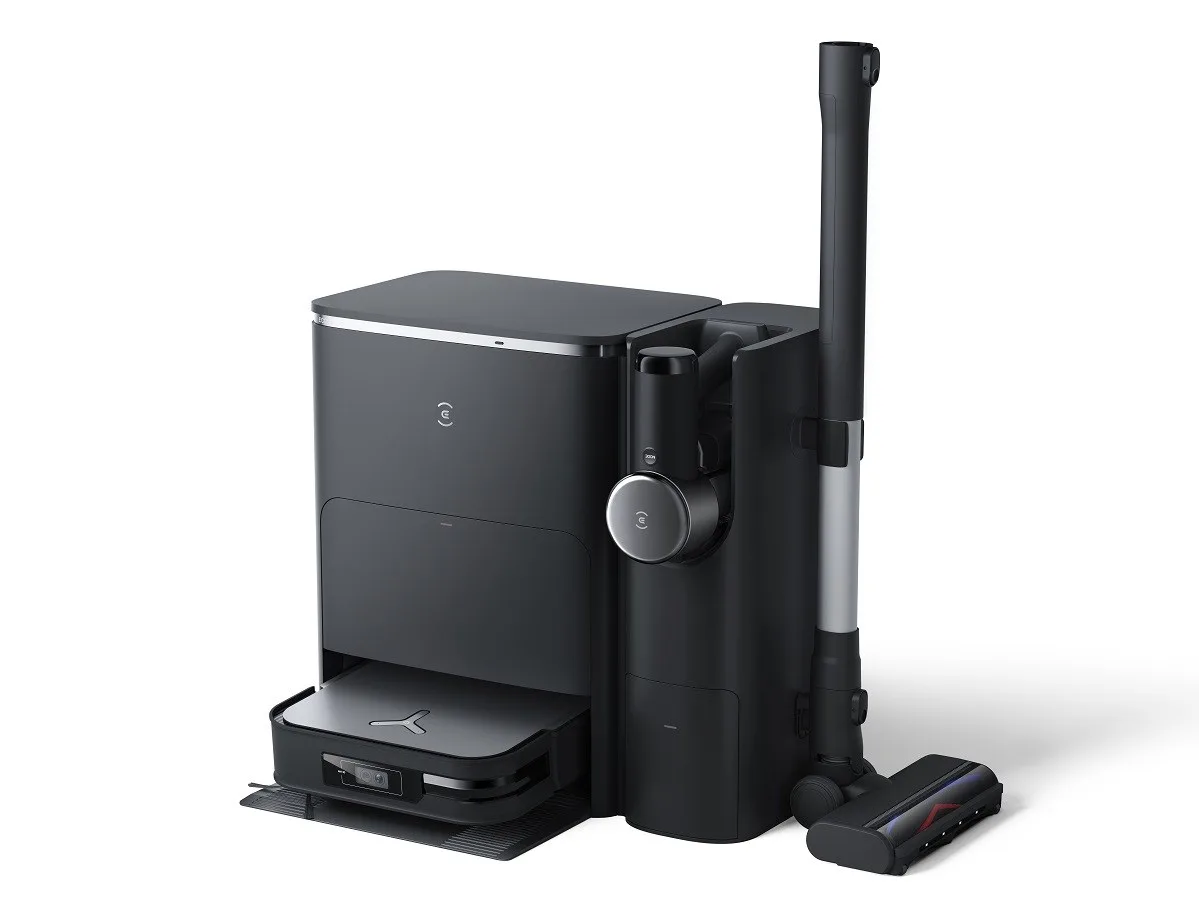
Image source: Bing (Web (fair-use with source credit))
Here's the comparison that matters before you spend money.
| Factor | Robot Vacuum | Traditional Vacuum |
|---|---|---|
| Daily convenience | Excellent, fully automatic | Low, requires effort |
| Deep carpet cleaning | Weak | Strong |
| Stairs and upholstery | Not designed for them | Attachments handle them |
| Hard floors | Very good | Good |
| Pet hair on floors | Good, if the brush doesn't tangle | Excellent |
| Obstacles in the room | Needs cleared floors | Handles clutter easily |
| Upfront cost | $150 to $1,500 | $100 to $800 |
| Maintenance | Filters, brushes, pads | Bag, belt, filters, brush roll |
| Lifespan | 3 to 5 years typically | 5 to 10 years typically |
The pattern is obvious. Robots win on convenience. Traditional vacuums win on raw cleaning power.
For most people, the best setup is one of each.
The Real Cost of a Robot Vacuum (Beyond the Sticker Price)
The sticker price is only the beginning. You also need to budget for parts that wear out.
| Cost Item | Robot Vacuum | Traditional Vacuum |
|---|---|---|
| Buying price (mid-range) | $300 to $600 | $200 to $400 |
| Filter replacements | Every 2 to 3 months, $15 to $30 | Every 3 to 6 months, $10 to $25 |
| Brush roll / side brushes | Every 6 to 12 months | Every 6 to 12 months |
| Self-empty bags | $3 to $8 per bag | N/A |
| Battery replacement | $50 to $150 after 2 to 3 years | N/A |
| Annual maintenance estimate | $50 to $150 | $30 to $80 |
That extra cost isn't a dealbreaker. But it's real. If you buy a $400 robot and replace the filter, brushes, and battery over three years, your total cost can easily reach $700.
A traditional vacuum rarely demands that much attention.
Floor Type, Layout, and Pet Hair: The Variables That Change Everything
This is where the decision gets personal. Your floors decide whether a robot earns its spot.
Hardwood and tile
Robots shine here. They pick up dust, crumbs, and hair beautifully. A robot vacuum with a mopping pad can even handle dried spots and light spills.
If you have LVP or sealed hardwood, many smaller robotic cleaners are safe and effective.
Low-pile carpet
Still fine. The robot won't dig deep, but it will keep the surface looking clean. You'll need a manual vacuum every week or two.
High-pile carpet
This is the weak spot. The robot's wheels sink into thick fibers, suction drops, and it often stops with a brush error. If your whole home is plush carpet, skip the robot.
Pet hair
A robot with rubber dual brushes handles pet hair well. The catch is long hair. It wraps around the brush roll unless you buy an anti-tangle model.
You'll still be cleaning the brush, just less often.
Open floor plans vs many rooms
Open layouts are robot heaven. Multiple small rooms mean more mapping, more doors, and more chances to get stuck. If half your home is one big space, a robot will feel magical.
Who Should Buy a Robot Vacuum (and Who Should Skip It)
You're a Strong Candidate If…
- Hard floors or low-pile carpet cover most of your home.
- You work long hours but want a tidy floor every morning.
- Pets shed constantly. Even a daily pass helps immensely.
- You're fine with a light clean each day over a deep one weekly.
You're Better Off With a Traditional Vacuum If…
- Stairs dominate your floor plan or you need regular upholstery cleaning.
- High-pile carpet covers most rooms.
- You hate scheduled maintenance and extra parts.
- Your budget is tight. A $250 upright cleans deeper and lasts longer.
Common Mistakes and Misconceptions to Avoid
- Expecting a robot to replace your weekly deep clean. It can't.
- Buying a random-bounce model for a multi-room home. Mapping matters.
- Ignoring furniture clearance. Most robots need about 3.5 inches.
- Leaving cables and pet toys out. Tangles lead to brush jams.
- Skipping filter and brush maintenance. Suction drops quickly.
- Letting a mopping robot cross thick rugs. Some drag wet pads over carpet.
Maintenance: What It Really Takes to Keep One Running
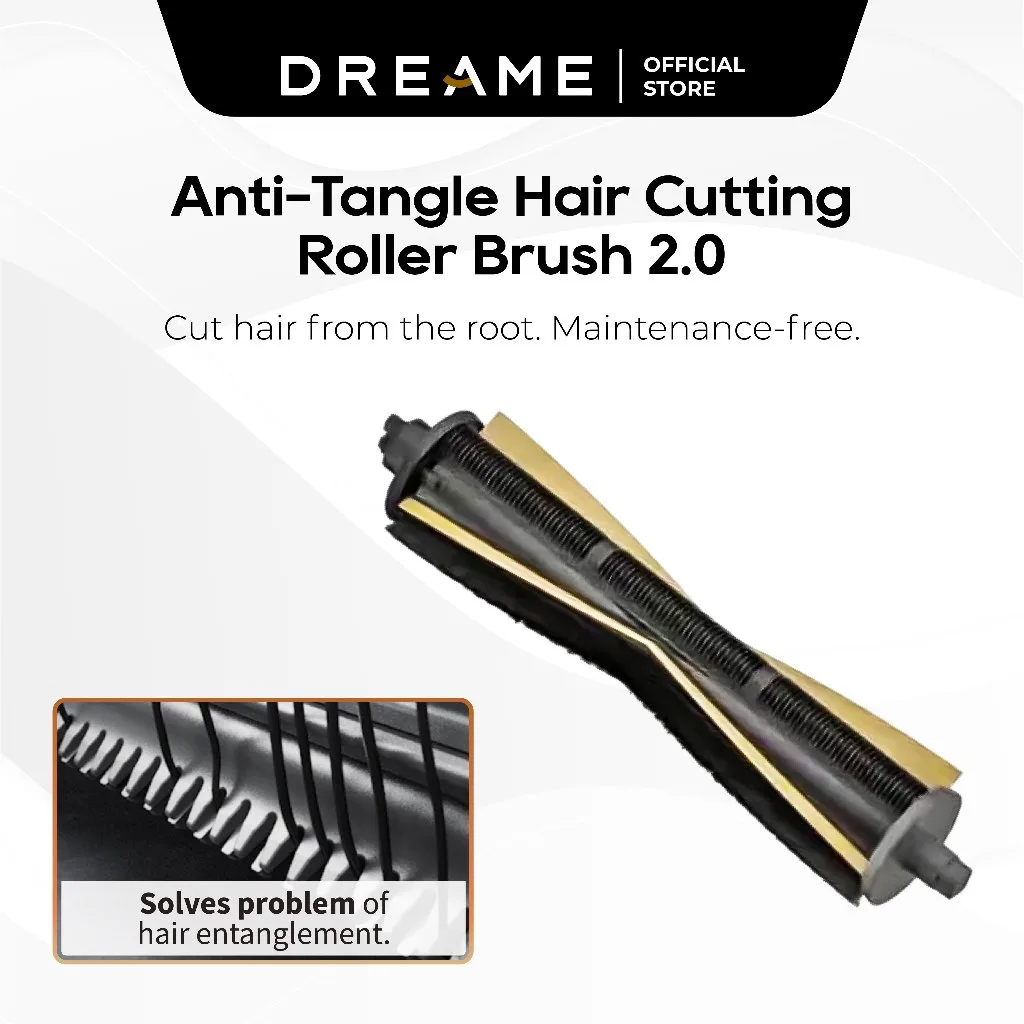
Image source: Web (Bing) / shopee.sg (Web image (fair-use with source credit))
Weekly, empty the bin and clear hair off the brush roll. Monthly, wipe the cliff sensors and charge contacts. Check the filter too.
A clogged filter ruins airflow and leaves dust behind.
Replace parts on schedule. Side brushes last 6 to 12 months. Main brushes last about a year.
Batteries fade after two to three years, so plan for a $50 to $150 replacement before the robot stops finishing runs.
Keep the dock clear. It needs about a foot of space on each side and two feet in front. If the robot can't find home, it dies mid-cleaning.
If you're handy, the same detangling tricks used on upright brush rolls work on robot brushes too.
Frequently Asked Questions
How often should a robot vacuum clean?
Every day on hard floors, every other day on low-pile carpet. That keeps surface dirt manageable. You'll still need a manual vacuum for deep carpet and stairs once a week.
Can a robot vacuum replace a regular vacuum?
Not entirely. It replaces daily quick passes, not deep cleaning. Stairs, upholstery, and high-pile carpet all need manual tools.
A robot plus a stick or upright is the honest answer for most homes.
Are robot vacuums good for pet hair?
Yes, when they have rubber dual brushes. These resist tangling better than bristle rolls. Long human hair still wraps around the ends, so check and detangle every week or two.
Do robot vacuums work on thick carpet?
Poorly. High-pile carpet slows wheels, reduces suction, and triggers brush errors. If most of your home is plush, buy a robot for hard floors and use a separate manual vacuum for carpet.
Final Verdict: The Decision Guide
If You Should Buy a Robot Vacuum
You're a fit if you have hard floors, pets, or a busy schedule. Pick a mapping model with a self-emptying dock. That combo covers 1,500 to 3,000 square feet and only needs attention every few weeks.
Which Type to Choose If You Do Buy One
Skip random-bounce models under $200. Get a mid-range mapping unit for $300 to $500. If you have allergies or hate touching dust, a self-emptying flagship around $700 to $1,000 is worth it.
Robot vacuums are worth it when used as daily helpers, not deep-cleaners. Pair one with a manual machine, schedule it, and your floors stay presentable without the daily chore.

