

Yes, many stick vacuum filters can be washed, but only if the manufacturer says they’re washable.
Today's Exclusive Deals
Limited-time Exclusive Deals. Check current discount on Amazon.
Check Price on Amazon As an Amazon Associate I earn from qualifying purchases.If you’ve ever wondered whether stick vacuum filters can be washed, you’re asking the right question. The answer matters because a clean filter can help your vacuum keep strong suction, trap fine dust better, and last longer. I’ll walk you through how to tell which filters are washable, how to clean them safely, and the mistakes that can quietly damage your vacuum.

Can Stick Vacuum Filters Be Washed?
Yes, stick vacuum filters can often be washed, but not all of them are made for water. Some brands design their filters to be rinsed under cool water, while others use paper, felt, or special layers that should stay dry. The safest rule is simple: check the user manual before you wash anything.
Today's Exclusive Deals
Limited-time Exclusive Deals. Check current discount on Amazon.
Check Price on Amazon As an Amazon Associate I earn from qualifying purchases.From real use, I’ve seen people clean the wrong filter and wonder why suction dropped later. That usually happens when the filter warps, tears, or stays damp inside the vacuum. If you treat the filter like a sponge only when it’s meant to be one, your machine will usually perform much better.
Washable filters are common in many cordless and stick vacuums because they are reusable and cost less over time. Still, washable does not mean “carefree.” It means you need the right method, drying time, and cleaning schedule.

How to Tell If Your Stick Vacuum Filter Is Washable
The fastest way to know if a stick vacuum filter can be washed is to look at the manual or the filter label. Many brands print clear instructions right on the part itself. If the filter says “washable,” “rinse only,” or “water washable,” you’re usually safe to clean it with water.
Today's Exclusive Deals
Limited-time Exclusive Deals. Check current discount on Amazon.
Check Price on Amazon As an Amazon Associate I earn from qualifying purchases.Here are the main signs:
- Check the manual. This is the best source for your exact model.
- Look for symbols on the filter. A water drop or rinse icon often means it can be washed.
- Identify the filter type. HEPA, foam, felt, and mesh filters are often washable, but not always.
- Watch for paper-like material. If it feels stiff or looks like thick paper, do not wash it unless the manual says it is safe.
I’ve found that the label matters more than the shape. Two filters can look almost identical, but one may be washable while the other is not. That’s why guessing can cost you a filter.
:strip_icc()/bhg-dyson-car-boat-handheld-vacuum-emily-williams-13-0eb70a71873941e2af832abae87d3974.jpeg)
Types of Stick Vacuum Filters and Which Ones Are Washable
Different vacuum filters behave differently when wet. Knowing the type helps you avoid mistakes and clean your vacuum the right way. Not every filter catches dust the same way, and not every filter survives water.
Foam filters
Foam filters are usually washable. They are common in vacuums that need to catch larger dust and help protect the motor. Wash them gently and let them dry fully.
Felt filters
Felt filters are often washable too, but they need gentle handling. They can hold onto fine dust, so shaking them out before rinsing helps a lot. Never scrub them hard.
HEPA filters
Some HEPA filters are washable, and some are not. Many true HEPA filters should stay dry, while “washable HEPA” versions can be rinsed. This is one place where the manual really matters.
Mesh filters
Mesh filters are often easy to rinse. They usually collect bigger debris and dry faster than denser filters. Still, you should avoid hot water and harsh cleaning tools.
Paper or cartridge-style filters
These are usually not washable. Water can damage the structure and reduce filtration. If you are unsure, treat it as non-washable until you confirm otherwise.
How to Wash a Stick Vacuum Filter Safely
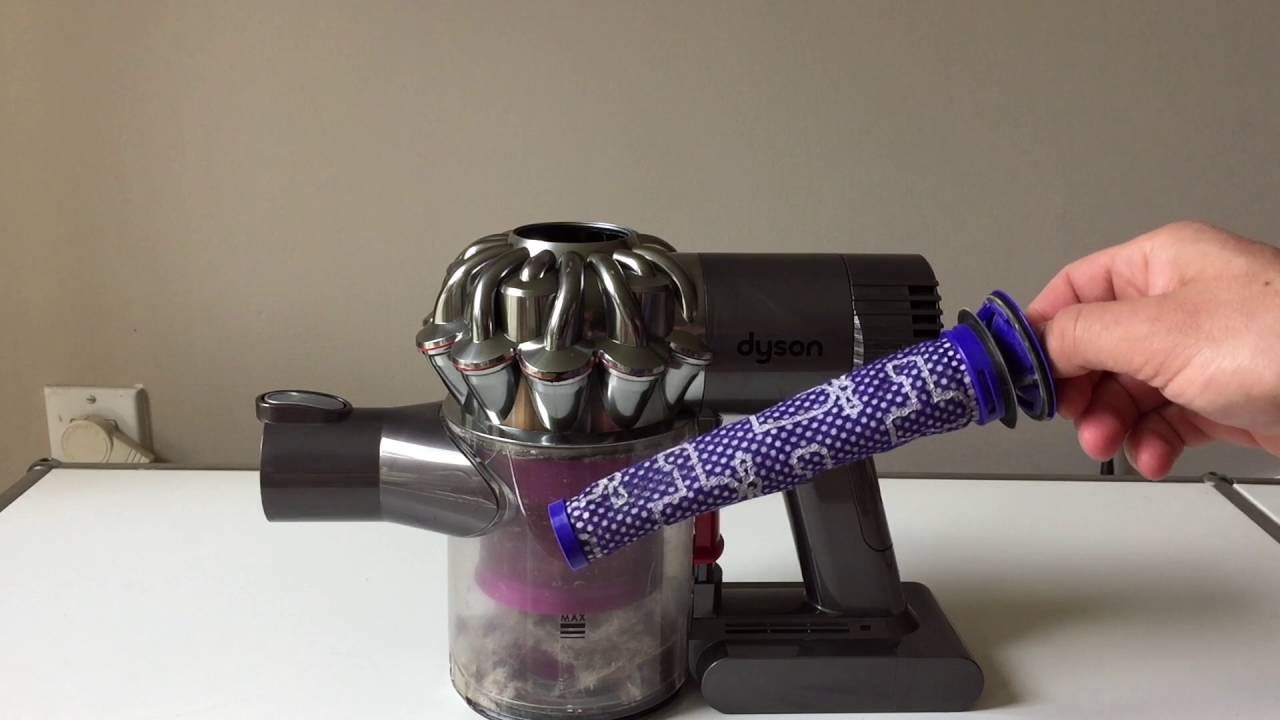
Washing a stick vacuum filter is simple, but it needs patience. A rushed cleaning job can leave moisture inside the vacuum, and that can lead to odor, mold, or weak suction. The process below works for most washable filters.
- Turn off and unplug the vacuum. Remove the battery if your model allows it.
- Take out the filter carefully. Tap it gently to remove loose dust.
- Rinse with cool or lukewarm water. Use only the water temperature recommended by the brand.
- Do not use soap unless the manual allows it. Many filters only need water.
- Gently squeeze foam filters if permitted. Do not twist or wring them hard.
- Shake off extra water. Then place the filter somewhere clean and airy.
- Let it dry completely. This can take 24 hours or longer.
A mistake I’ve seen often is people reinstalling the filter too soon. The vacuum may seem fine at first, but trapped moisture can pull dust into clumps and create a musty smell. Drying is not optional. It is the part that protects the whole machine.
How Often Should You Clean Stick Vacuum Filters?
How often you clean a stick vacuum filter depends on how you use the vacuum. If you have pets, carpets, or a lot of dust, you may need to clean it more often. Homes with light daily use may need less frequent care.
A simple rule:
- Clean washable filters every 1 to 3 months.
- Clean them sooner if suction drops.
- Shake out dry filters after heavy use if the brand allows it.
- Replace filters when they stay dirty, torn, or smelly after cleaning.
In my experience, waiting for visible dirt is too late. By the time you can clearly see buildup, suction may already be down. A set cleaning routine keeps the vacuum feeling new for longer.
What Happens If You Wash the Wrong Filter?
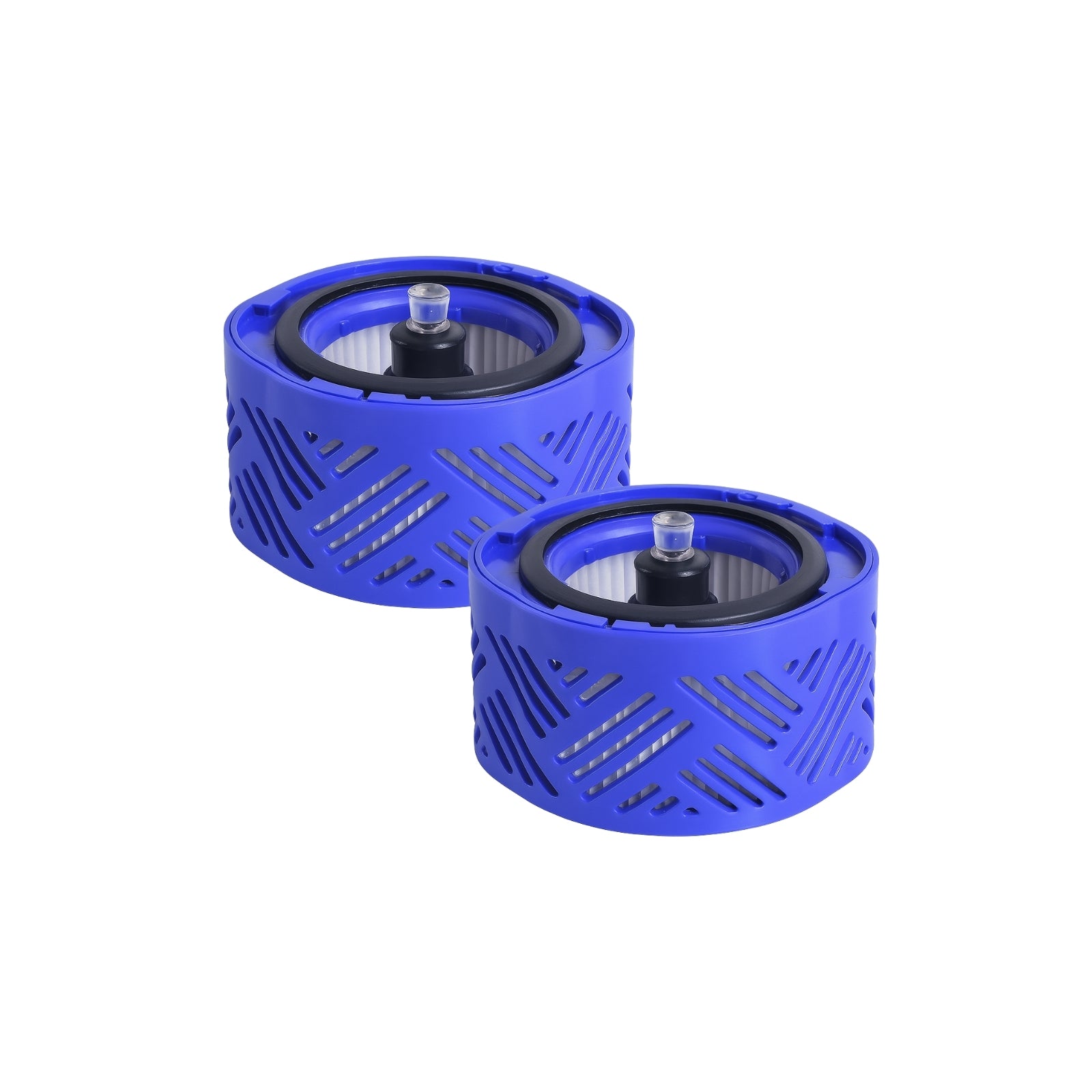
If you wash a non-washable filter, you can damage its fibers or coating. That can make it less effective at trapping fine dust. In some cases, the filter may also shrink, bend, or fall apart.
Possible problems include:
- Lower suction power
- More dust blowing back into the room
- Bad odors from trapped moisture
- Mold or mildew inside the vacuum
- Shorter filter life
This is why “can stick vacuum filters be washed” is not just a yes-or-no question. It’s really about which filter you have and how you care for it. A little caution can save a lot of frustration later.
Benefits of Washing a Washable Stick Vacuum Filter
When the filter is made for it, washing brings real benefits. It can help your vacuum breathe better and pick up dirt more efficiently. It also helps you avoid buying replacements too often.
Main benefits include:
- Better suction because air can flow more freely
- Lower long-term cost since the filter can be reused
- Better dust capture when the filter is clean
- Less odor from trapped dirt and pet hair
- Easier upkeep for busy households
I like to think of a filter like a window screen. If it gets packed with dust, air cannot move well. Clean it, and the whole system works the way it should.
Signs Your Stick Vacuum Filter Needs Cleaning or Replacing
A dirty filter usually shows clear warning signs. The vacuum may not feel broken, but it will start acting tired. Paying attention early can save you from bigger problems.
Look for these signs:
- Suction feels weaker than usual
- The vacuum gets hotter during use
- Dust escapes back into the air
- You notice a sour or dusty smell
- The filter looks gray, packed, or stained
If cleaning does not help, replacement may be the better choice. Filters do wear out over time, even washable ones. A damaged filter can do more harm than good.
Extra Care Tips for Stick Vacuum Filters
Good filter care is mostly about consistency. Small habits make a big difference over time. These are the habits I recommend most often.
- Empty the dust bin before it gets packed full.
- Tap out loose dust before washing.
- Use only cool or lukewarm water unless the manual says otherwise.
- Dry the filter in open air, not on a heater or in direct high heat.
- Keep a spare filter if your model supports it.
- Follow the replacement schedule in the manual.
A filter does its best work when it is clean, dry, and intact. Think of it like shoes after rain. They need time to dry fully before they’re ready for the next walk.
Frequently Asked Questions of Can stick vacuum filters be washed?
Can all stick vacuum filters be washed?
No, not all stick vacuum filters can be washed. Some are washable foam, mesh, or special HEPA types, while others are made from paper-like materials that should stay dry.
How long should a washed stick vacuum filter dry?
Most washable stick vacuum filters need at least 24 hours to dry fully. Thicker filters may need longer, especially in humid weather.
Can I use soap to clean a stick vacuum filter?
Only if the manufacturer says it is safe. In many cases, plain water is enough, and soap can leave residue that affects airflow.
What happens if I use a damp filter in my vacuum?
Using a damp filter can cause odor, mold, and reduced suction. It can also push moisture into the motor area, which may damage the vacuum.
How do I know if my HEPA filter is washable?
Check the vacuum manual or the filter label. Some HEPA filters are washable, but many are not, so never assume based on appearance alone.
Should I replace a washable filter eventually?
Yes, even washable filters wear out over time. If the filter stays dirty, smells bad, or looks damaged after cleaning, replacement is the safer choice.
Conclusion
Yes, stick vacuum filters can be washed in many cases, but only when the filter is designed for it. The key is to check the manual, clean gently, and let the filter dry all the way before using the vacuum again. That simple routine can protect suction, reduce odors, and help your vacuum last longer.
If you remember one thing, make it this: wash only what is meant to be washed, and never rush the drying step. Try checking your current vacuum filter today, and if you’re unsure, take a minute to confirm the model instructions before the next clean.

