

Upright vacuums clean faster on carpets, while canister vacuums offer more reach and flexibility.
Today's Exclusive Deals
Limited-time Exclusive Deals. Check current discount on Amazon.
Check Price on Amazon As an Amazon Associate I earn from qualifying purchases.If you have ever compared vacuum cleaners in a store aisle, you have probably noticed how different upright and canister vacuums feel right away. I have tested and used both styles in real homes, and the biggest difference usually comes down to how they move, what surfaces they handle best, and how easy they are to carry around. Understanding the difference between upright and canister vacuums can help you pick the one that fits your floors, your furniture, and your daily cleaning routine.

What is an upright vacuum?
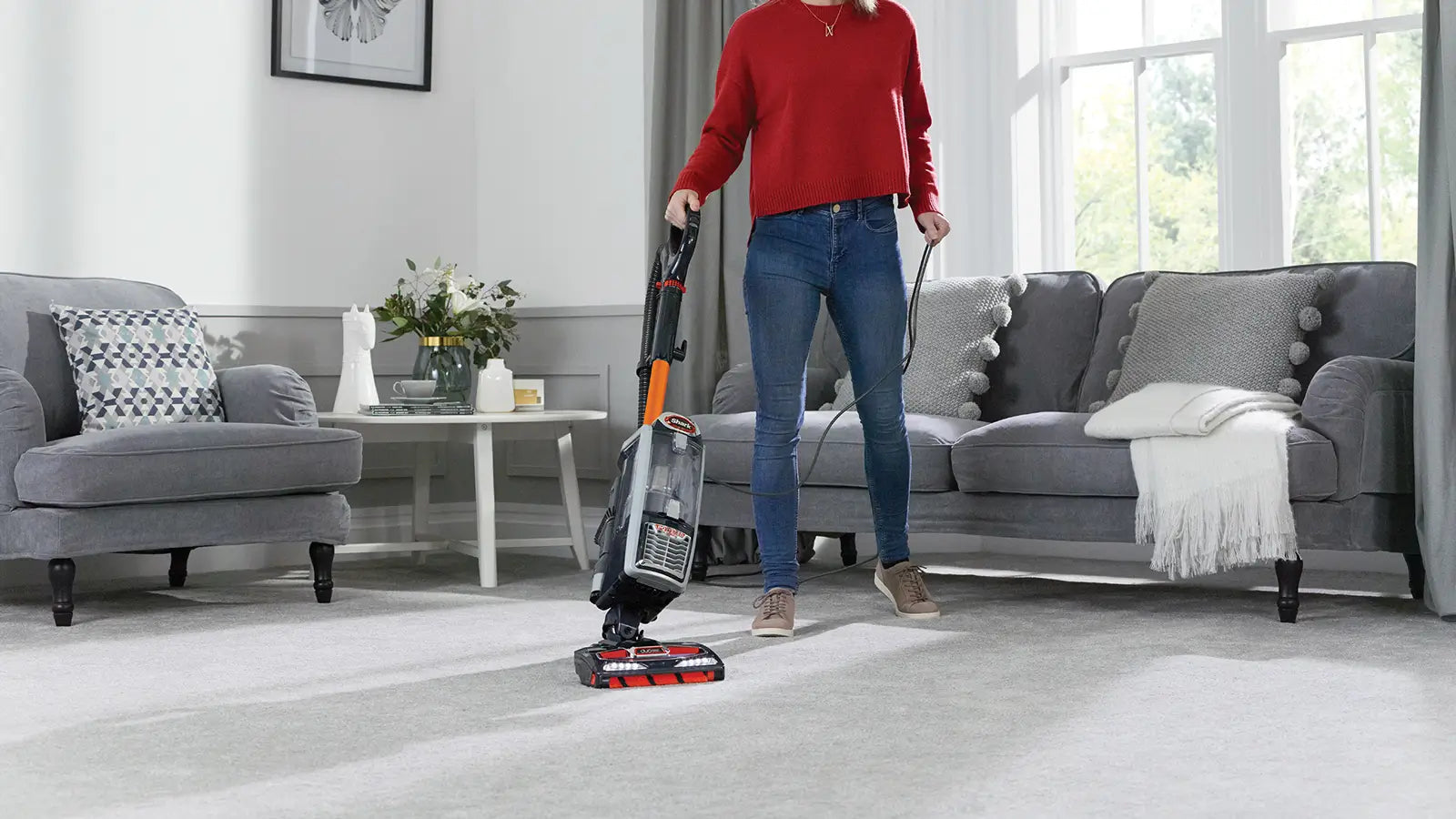
An upright vacuum is a one-piece vacuum with the motor, suction path, brush roll, and dust bin or bag all in one body. You push it in front of you, much like a lawn mower, and it is especially common in homes with lots of carpet.
Today's Exclusive Deals
Limited-time Exclusive Deals. Check current discount on Amazon.
Check Price on Amazon As an Amazon Associate I earn from qualifying purchases.In my experience, upright vacuums feel simple and direct. You plug them in, turn them on, and move from room to room with little setup.
Uprights are often chosen for:
- Carpeted homes
- Larger open rooms
- Fast weekly cleaning
- People who want a straightforward design
Most upright vacuums have a powered brush roll that helps lift dirt from carpet fibers. That is one reason many people find them strong on medium and deep pile carpet.
What is a canister vacuum?
A canister vacuum separates the motor and dust collection unit from the cleaning head. The main body rolls behind you on wheels, while you hold a wand and hose to clean floors, stairs, furniture, and tight spaces.
Today's Exclusive Deals
Limited-time Exclusive Deals. Check current discount on Amazon.
Check Price on Amazon As an Amazon Associate I earn from qualifying purchases.This design can feel more flexible, especially in homes with mixed flooring. I have found canister vacuums easier to use around furniture legs, under beds, and on stairs because the hose and wand do a lot of the work.
Canister vacuums are often a good fit for:
- Hardwood and tile floors
- Homes with stairs
- Delicate surfaces and drapes
- Users who want more reach and control
What is the difference between upright and canister vacuums?
The difference between upright and canister vacuums is mainly in design, handling, and cleaning style. Uprights are built for direct floor cleaning, while canisters are built for flexibility and reach.
Here is the simplest way to think about it:
- Upright vacuum: Better for broad floor cleaning, especially carpet
- Canister vacuum: Better for versatility, stairs, edges, and mixed surfaces
I often tell people to picture an upright as a strong front-line cleaner and a canister as a flexible tool kit. Both work well, but they solve different cleaning problems.
Upright vacuum vs canister vacuum: key differences
Design and portability
Upright vacuums keep everything in one body, which makes them easy to grab and use. The tradeoff is that the whole machine moves with you, so they can feel heavier in the hand.
Canister vacuums split the load. The body rolls along the floor, so your arm handles less weight, but you do need to manage the hose and wand.
Carpet cleaning
Upright vacuums usually do better on carpet because many have strong brush rolls. That rotating brush helps pull dirt, pet hair, and crumbs from deep in the fibers.
Canister vacuums can clean carpet too, but some models need a powered floor head to match an upright’s carpet performance. Without that, they may be better on low-pile rugs than thick carpet.
Hard floor cleaning
Canister vacuums often shine on hardwood, laminate, vinyl, and tile. Their floor heads can be gentler, and the hose makes it easier to clean around chairs and baseboards.
Uprights can work on hard floors too, but some are less graceful there. I have seen cheaper upright models scatter fine debris if the brush roll is too aggressive.
Stairs and furniture
Canister vacuums are usually easier for stairs, sofas, curtains, and ceiling corners. The wand gives you reach without lifting the whole machine every few seconds.
Uprights can handle these jobs, but they are not as comfortable. You may find yourself wrestling the full unit up the stairs, which gets old fast.
Storage and maneuvering
Uprights are often easier to store because they stand on their own and take up less floor space. That makes them handy for apartments, closets, and small utility rooms.
Canisters may need a little more storage room because they include a hose, wand, and rolling body. On the plus side, they can be easier to steer around obstacles once you get used to them.
Noise and comfort
Noise depends more on the model than the style, but canister vacuums can sometimes feel quieter at the hand because the motor is farther away. Uprights may feel louder and more intense since the motor and brush roll are all in one unit near the floor.
Comfort matters more than people think. If cleaning feels annoying, you are less likely to do it often, and that is where the wrong vacuum can become a real problem.
Which vacuum is better for your home?
The better choice depends on your floors, layout, and habits. There is no single winner for everyone, and that is the honest answer.
Choose an upright vacuum if you:
- Have mostly carpet
- Want fast, simple cleaning
- Prefer one machine that stays upright
- Need strong brush action for pet hair
Choose a canister vacuum if you:
- Have mostly hard floors
- Need to clean stairs often
- Want better reach under furniture
- Have mixed surfaces and tight spaces
I have seen many families buy the wrong style because they focused only on suction power. Suction matters, but the shape of your home matters just as much.
Performance on different floor types
Carpet
For carpet, upright vacuums usually have the edge. Their brush roll and direct push design are made for that job, and they often clean faster across large carpeted areas.
If your home has wall-to-wall carpet, an upright vacuum may save time and effort.
Hardwood and tile
Canister vacuums are usually better on hard floors. They are easier to guide gently, and many come with soft floor tools that protect surfaces.
That said, some upright vacuums now include hard floor modes or brush roll shutoff. Those features help a lot if your home has both carpet and hard flooring.
Area rugs
Both styles can work well on rugs, but the right head matters. A strong upright can grip rug fibers well, while a canister with the right nozzle can glide more smoothly.
If your rugs are delicate, a canister may feel safer because you can control suction and brush action more easily.
Ease of use and daily cleaning
Ease of use is where personal preference really shows. Some people love the push-and-go feel of an upright vacuum. Others prefer the lighter hand feel of a canister vacuum.
From my own testing, the most common mistake is choosing a vacuum that is technically powerful but tiring to use. If a machine is awkward, it tends to stay in the closet.
A few practical tips:
- Test the handle height if possible
- Check how easy it is to switch floor types
- Look at cord length if you clean larger spaces
- Make sure the dust bin or bag is easy to empty
Pet hair and allergies
Both upright and canister vacuums can handle pet hair well if they have the right tools. A sealed system, strong filtration, and a motorized brush can make a big difference.
For allergy concerns, look for:
- HEPA filtration
- Sealed vacuum design
- Bagged models if dust control is a priority
I have noticed that bagged vacuums often keep dust contained better during disposal. That can matter a lot if someone in the home is sensitive to allergens.
Maintenance and upkeep
Maintenance is part of the real cost of owning any vacuum. Uprights may need brush roll cleaning more often, especially in homes with long hair or pet fur.
Canister vacuums may require hose checks and more attention to attachments. They also have more parts to store and manage, which can mean a little more setup.
Common upkeep tasks include:
- Emptying the dust bin or replacing the bag
- Cleaning filters
- Removing hair from the brush roll
- Checking for clogs in the hose or wand
A vacuum that is easy to maintain will usually last longer in real life because people actually keep up with it.
Price and value
Upright vacuums often come in a wide range of prices, from budget picks to premium carpet-focused models. Canister vacuums can also range widely, but many higher-end models are built for flexibility and filtration.
Value is not just about the sticker price. A cheaper vacuum that fits your floors may be a better buy than an expensive one that does the wrong job.
When comparing value, think about:
- Floor type
- Attachment quality
- Filtration
- Ease of repairs and replacement parts
- How often you will actually use it
Benefits and limitations of each type
Upright vacuum benefits
- Strong carpet cleaning
- Faster for large floor areas
- Easier to store
- Often simple to use
Upright vacuum limitations
- Harder on stairs and furniture
- Can feel heavy
- Less flexible in tight spaces
- Not always the best on delicate hard floors
Canister vacuum benefits
- Better reach under furniture
- Easier on stairs
- Great for hard floors
- More versatile with attachments
Canister vacuum limitations
- More parts to manage
- Can take more storage space
- The hose can be annoying if you prefer direct steering
- Some models are less effective on thick carpet
Real-world examples from home cleaning
When I have recommended vacuums to families, the best choice usually matched the home layout. A carpet-heavy suburban home often benefited from an upright vacuum with a strong brush roll. A townhouse with stairs and hardwood floors usually did better with a canister vacuum.
One lesson I learned early on was not to assume “more suction” means better cleaning. A vacuum can have strong suction and still be awkward, noisy, or poorly suited to the floor type. The right design matters just as much as the motor.
How to choose the right vacuum for your needs
Use this simple decision guide:
-
Look at your flooring
- Mostly carpet: upright vacuum
- Mostly hard floors: canister vacuum
-
Think about your cleaning pain points
- Stairs and corners: canister vacuum
- Large carpeted rooms: upright vacuum
-
Check your comfort level
- Want simple and quick: upright vacuum
- Want flexible and precise: canister vacuum
-
Review attachments
- Pet tools, crevice tools, upholstery tools, and brush heads can change the experience a lot
-
Match the vacuum to your lifestyle
- Busy household: choose the one you will use without dreading it
Frequently Asked Questions
Are upright vacuums better than canister vacuums?
Not always. Upright vacuums are often better for carpet and speed, while canister vacuums are usually better for hard floors, stairs, and tight spaces.
Do canister vacuums clean carpet well?
Yes, many canister vacuums clean carpet well if they have a powered floor head. Without that feature, they may not perform as strongly on thick carpet as an upright vacuum.
Which vacuum is easier to carry upstairs?
A canister vacuum is usually easier because you can carry the body separately from the wand and floor head. Uprights can feel bulky and heavy on stairs.
Which type is better for pet hair?
Both can work well, but the best choice depends on the model. Upright vacuums often do very well on carpeted pet hair, while canister vacuums can be great for fur on furniture, stairs, and hard floors.
Which vacuum is best for small apartments?
It depends on the flooring, but many small apartments do well with a canister vacuum if they have hard floors and furniture to clean around. If the apartment is mostly carpet, a compact upright vacuum may be more practical.
Conclusion
The difference between upright and canister vacuums comes down to how they clean, not just how they look. Upright vacuums are usually stronger and simpler for carpet, while canister vacuums give you more flexibility, reach, and control on mixed surfaces.
The best vacuum is the one that fits your home and makes cleaning feel easier, not harder. If you match the vacuum style to your floors and daily routine, you will get better results and less frustration. Take a few minutes to compare your space, your habits, and the features that matter most, then choose with confidence.


1 Comment
Pingback: What Is The Difference Between Upright And Stick Vacuums: Key Differences - Vacuum Cleaner Tips