

A wet dry vacuum handles liquids and debris; a regular vacuum is best for dry household cleaning.
Today's Exclusive Deals
Limited-time Exclusive Deals. Check current discount on Amazon.
Check Price on Amazon As an Amazon Associate I earn from qualifying purchases.If you are trying to choose between a wet dry vacuum vs regular vacuum, the right answer depends on how messy your life gets. I’ve used both in homes, garages, and cleanup jobs, and the difference is bigger than most people expect. A regular vacuum is great for carpets, dust, and daily tidying, while a wet dry vacuum is built for tougher messes, including water, sawdust, mud, and workshop debris.
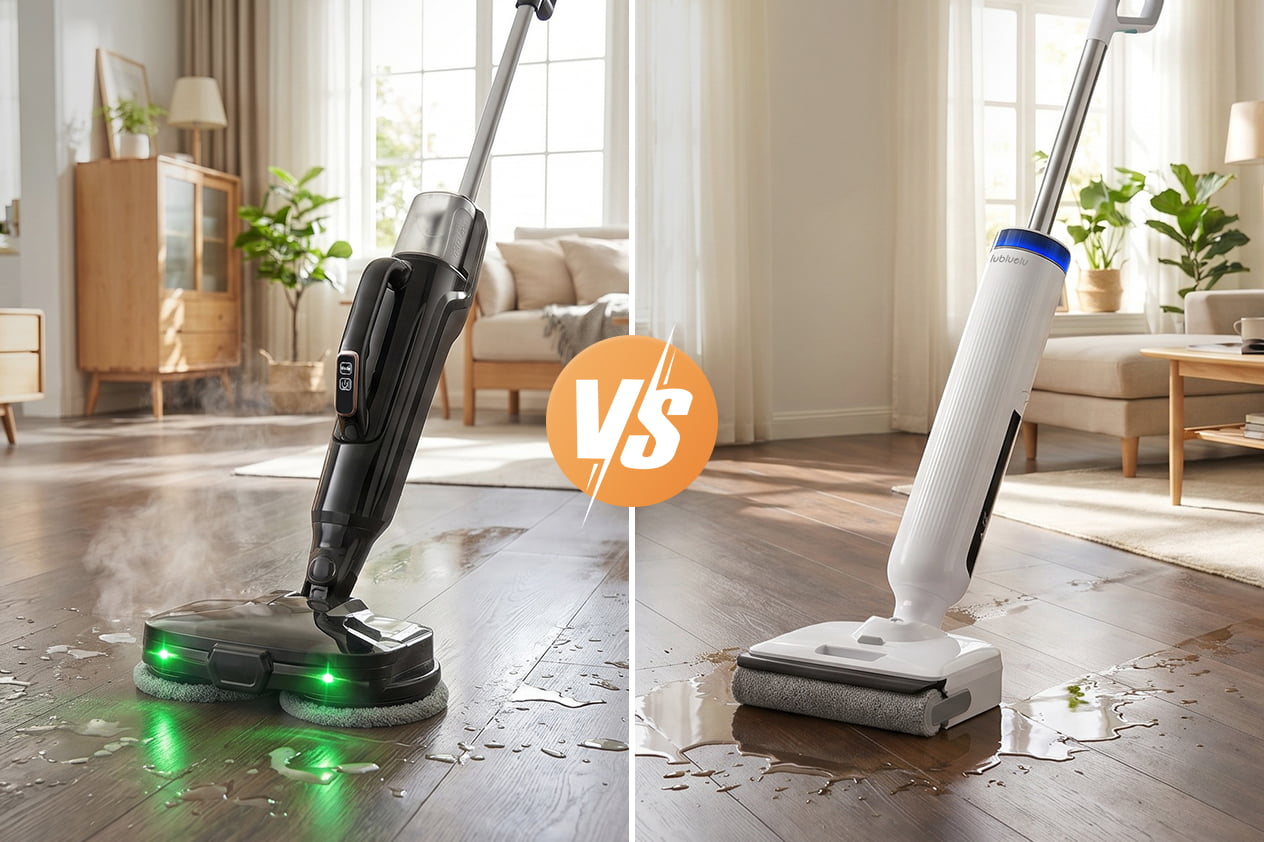
Wet dry vacuum vs regular vacuum: what each one is designed to do
A regular vacuum is made for dry messes. It pulls in dust, crumbs, pet hair, and dirt from floors, rugs, and upholstery. Most models use bags or filters to trap fine particles and keep indoor air cleaner.
Today's Exclusive Deals
Limited-time Exclusive Deals. Check current discount on Amazon.
Check Price on Amazon As an Amazon Associate I earn from qualifying purchases.A wet dry vacuum, sometimes called a shop vac, is more rugged. It can handle dry debris, but it can also suck up liquids without damage to the motor, as long as it is used correctly. That makes it useful in garages, basements, workshops, and during spill cleanup.
Here is the simplest way to think about wet dry vacuum vs regular vacuum:
- Regular vacuum: best for everyday indoor cleaning
- Wet dry vacuum: best for mixed messes, heavier debris, and liquid cleanup
- Regular vacuum: usually quieter, lighter, and better for carpets
- Wet dry vacuum: usually stronger, bulkier, and more versatile for tough jobs
In my own experience, people often buy a wet dry vacuum expecting it to replace their regular vacuum completely. That usually backfires. It can do more jobs, yes, but it is often less convenient for daily use.

Today's Exclusive Deals
Limited-time Exclusive Deals. Check current discount on Amazon.
Check Price on Amazon As an Amazon Associate I earn from qualifying purchases.How a regular vacuum works
A regular vacuum uses suction to lift dirt and dust from surfaces. The dirt then moves through a hose or nozzle and into a bag, bin, or filter chamber. Many models also include HEPA filters, which can help trap very small particles.
This type of vacuum is made for comfort and convenience. You can use it in bedrooms, living rooms, stairs, and cars without much fuss. It is the better choice if your main goal is routine home cleaning.
Regular vacuums are especially good for:
- Hardwood floors
- Low and medium pile carpets
- Rugs
- Furniture and upholstery
- Pet hair on indoor surfaces
The main limit is simple. Water and damp messes can damage many regular vacuums. Even a small spill can be enough to ruin the motor or filter system.
How a wet dry vacuum works
A wet dry vacuum is built with a stronger tank and motor system that can handle both dry debris and liquids. Instead of relying on a setup meant only for dust, it uses a design that supports heavier cleanup tasks. Some models also include a drain port for easy liquid disposal.
This tool is popular in places where messes are not neat or predictable. If you spill water in a basement, clean up after a project, or deal with mud from a storm, a wet dry vacuum is often the right tool.
It is especially useful for:
- Water spills
- Garage cleanup
- Construction dust
- Wood chips and sawdust
- Mud, grit, and outdoor debris
I learned the hard way that a wet dry vacuum is not just a “stronger vacuum.” It is more like a utility tool. It solves problems a regular vacuum should never have to face.

Wet dry vacuum vs regular vacuum: key differences that matter
The wet dry vacuum vs regular vacuum comparison becomes clearer when you look at real-world use. Each one has strengths, but they are built for different kinds of mess.
Cleaning power
A regular vacuum usually gives better everyday cleaning on carpets and floors. It is designed to pick up fine dust and small debris without being too aggressive. A wet dry vacuum often has stronger suction for heavier particles, but not always the same finesse on delicate surfaces.
Wet mess handling
This is the biggest difference. A wet dry vacuum can handle liquids, while a regular vacuum usually cannot. If you use the wrong tool on a spill, you can damage the machine and create a safety issue.
Size and portability
Regular vacuums are often easier to carry, store, and move around the house. Wet dry vacuums tend to be larger and heavier. That extra size helps with tough jobs, but it can feel awkward for quick cleaning.
Noise level
Most regular vacuums are quieter than wet dry vacuums. Wet dry vacuums can sound more industrial, which makes sense because they are designed for rougher use.
Filtration
Regular vacuums often do better for indoor air quality, especially if they use sealed systems and HEPA filtration. Wet dry vacuums may have simpler filtration, although some premium models offer better dust control and filter options.
Best use case
- Regular vacuum: everyday cleaning
- Wet dry vacuum: garages, workshops, spills, renovations, and outdoor messes
Pros and cons of a regular vacuum
A regular vacuum is the better choice for many homes. Still, it is not perfect for every situation.
Pros
- Easy to use daily
- Lighter and more maneuverable
- Often better for carpets and upholstery
- Usually quieter than a wet dry vacuum
- Better suited for indoor dust control
Cons
- Cannot safely clean liquids
- May clog with larger debris
- Less useful in garages or workspaces
- Not ideal for heavy-duty cleanup
If you live in an apartment or a smaller home, a regular vacuum often makes more sense. It is the tool you will actually use often, which matters more than raw power.
Pros and cons of a wet dry vacuum
A wet dry vacuum shines when the mess is ugly, heavy, or unpredictable. I have found it especially useful after home repairs and storm cleanup.
Pros
- Cleans dry and wet messes
- Handles heavier debris
- Great for garages, basements, and workshops
- Useful for renovation dust and spills
- Often more durable for rough use
Cons
- Bulkier and louder
- Can be less convenient for daily cleaning
- Usually not as refined on carpets
- May require more maintenance after liquid use
- Often takes more storage space
A wet dry vacuum is like a pickup truck. It is excellent when you need to haul something big or messy, but it is not always the easiest choice for a quick trip to the store.
Which vacuum is better for different situations
The better option depends on what you clean most often.
Choose a regular vacuum if you need to clean
- Bedrooms and living rooms
- Rugs and carpets
- Pet hair
- Dust and crumbs
- Furniture and stairs
Choose a wet dry vacuum if you need to clean
- Water spills
- Muddy entryways
- Garage floors
- Workshop sawdust
- Renovation mess
Use both if possible
Many households benefit from both tools. A regular vacuum handles the daily mess, while a wet dry vacuum stays ready for the unexpected. That combo has saved me time more than once, especially when a routine cleanup turned into a bigger project.
What to look for before you buy
When comparing wet dry vacuum vs regular vacuum, think about your space and your habits first. Features matter, but the best vacuum is the one that fits your life.
For a regular vacuum, look for
- Strong suction
- HEPA or sealed filtration
- Good carpet and hard floor performance
- Lightweight design
- Easy bin or bag emptying
- Attachments for corners and upholstery
For a wet dry vacuum, look for
- Tank capacity
- Horsepower or motor strength
- Wet and dry filter options
- Hose length
- Drain convenience
- Storage for accessories
If you have pets, allergies, or lots of carpet, filtration should matter a lot. If you clean a garage or workshop often, tank size and durability may matter more.
Common mistakes people make
I have seen a few repeat mistakes over the years, and they are easy to avoid once you know them.
- Using a regular vacuum on water, which can damage the motor
- Buying a wet dry vacuum for daily carpet cleaning and expecting it to feel as easy as an upright vacuum
- Ignoring filter maintenance
- Choosing a vacuum that is too heavy for the person who will use it most
- Overlooking storage space
One of the biggest lessons is this: don’t buy for the mess you hope to have, buy for the mess you actually make. That simple shift saves money and frustration.
Wet dry vacuum vs regular vacuum for homes, garages, and workshops
For a typical home, a regular vacuum usually wins for day-to-day cleaning. It is more comfortable, more practical, and often better for indoor dust and pet hair.
For garages and workshops, the wet dry vacuum usually wins. It can handle larger debris, nails, sawdust, and water cleanup that would ruin a standard vacuum. That is why contractors and DIY users rely on it so often.
For mixed-use spaces, the decision is less obvious. If your basement floods, your kids track in dirt, or your hobby creates dust and scraps, a wet dry vacuum may be the smarter backup tool. Still, it may not replace a regular vacuum for your living room or bedroom.
Maintenance tips to make either vacuum last longer
Good care makes a huge difference in performance. I have seen vacuums fail early simply because the filter got ignored or the bin stayed too full.
- Empty the bin or bag often
- Clean or replace filters on schedule
- Check hoses for clogs
- Let wet dry vacuums dry fully after liquid pickup
- Store the vacuum in a dry place
- Use the right attachment for the job
If you use a wet dry vacuum for liquid cleanup, be extra careful about drying the tank and parts before storing it. That helps prevent odor, mold, and filter damage.
Frequently Asked Questions
Can a wet dry vacuum replace a regular vacuum?
It can in some homes, but not always. A wet dry vacuum is great for tough jobs, but it is usually heavier and less convenient for daily floor cleaning.
Is a regular vacuum safe for water spills?
No, most regular vacuums are not designed for liquids. Using one on water can damage the motor and create a safety risk.
Which is better for pet hair?
A regular vacuum is usually better for pet hair on carpets, rugs, and furniture. If the mess also includes litter, mud, or spills, a wet dry vacuum may help as a backup.
Do wet dry vacuums clean carpets well?
They can remove dry debris from carpets, but they are usually not as comfortable or refined as a regular vacuum for everyday carpet cleaning. A regular vacuum is still the better choice for most carpeted homes.
Are wet dry vacuums louder?
Usually, yes. They often have a more industrial sound because they are built for rugged cleanup and stronger suction.
Conclusion
When you compare wet dry vacuum vs regular vacuum, the best choice comes down to the kind of mess you deal with most often. A regular vacuum is the better everyday cleaner for dust, crumbs, pet hair, and carpets. A wet dry vacuum is the stronger problem-solver for spills, garages, workshops, and heavy debris.
If you want the smartest setup, think about your real cleaning routine instead of buying based on hype. Pick the tool that fits your home, your space, and your habits, and you will save time every week. If this helped, explore more cleaning guides, compare features before you buy, and leave a comment with the mess you are trying to tackle.

