

Playing darts can look easy, but improving your accuracy on a dart board takes time, skill, and smart practice. Many beginners throw darts hoping for a bullseye, only to miss the target or hit random numbers. Even casual players often wonder, “How can I be more accurate?
” The truth is, accuracy is not just about aim—it’s about technique, practice, and mental focus. Whether you play at home, in a bar, or at competitions, learning to hit your target consistently can make the game more fun and rewarding.
This guide will help you understand what really matters in dart accuracy, with clear steps, practical tips, and expert advice.
Understanding Dart Accuracy
Accuracy in darts means hitting the part of the board you aim for. Most people think accuracy is just about aiming, but it’s a mix of proper grip, stance, and throwing technique. Good accuracy lets you score higher and win games, but it also makes practice more enjoyable.
What Impacts Your Accuracy?
Several factors affect how accurate you are:
- Grip: How you hold the dart changes your control.
- Stance: Your body position helps keep your throws stable.
- Throwing motion: Smooth, repeatable motion is key.
- Focus: Mental concentration makes a big difference.
- Dart quality: Dart weight and shape matter more than most realize.
Let’s break down each factor and see how you can improve.
Perfecting Your Grip
The way you hold a dart affects both accuracy and comfort. There’s no single “correct” grip, but there are rules that help most players.
- Use three fingers: Hold the dart lightly with your thumb, index, and middle finger. This gives stability without making your hand tense.
- Avoid squeezing: Holding too tight makes your throw jerky.
- Keep fingers behind the balance point: This helps the dart fly straight.
Here’s a quick comparison of common grip types:
| Grip Type | Control | Comfort | Accuracy Potential |
|---|---|---|---|
| Three-finger | High | Medium | Best for beginners |
| Four-finger | Medium | High | Good for advanced |
| Two-finger | Low | Low | Rarely used |
Try each grip and see which feels best. If you’re not sure, start with three fingers—most pro players use it.
Mastering Your Stance
A solid stance sets up your entire throw. If your body moves or your feet shift, your aim will suffer.
- Stand sideways: Place your lead foot forward (right for right-handed, left for left-handed).
- Balance your weight: Keep most weight on your front foot, but don’t lean too far.
- Shoulder alignment: Your throwing shoulder should point at the target.
- Stay relaxed: Tension causes missed shots.
Some players use a “closed stance,” feet closer together. Others use an “open stance,” feet spread apart. Try both to see which keeps you steady.
| Stance | Stability | Common Use |
|---|---|---|
| Sideways | High | Most players |
| Open | Medium | Some advanced |
| Closed | Low | Rarely used |
A non-obvious tip: Pay attention to your back foot. If it lifts during your throw, your body is off balance. Keep your back foot grounded for best results.
Developing A Consistent Throwing Technique
Throwing the dart should feel smooth and repeatable. Good technique is more important than raw power.
Steps For A Consistent Throw
- Line up your dart: Aim with your eye, arm, and dart all in a straight line.
- Draw back smoothly: Pull your arm back, keeping your elbow up.
- Throw forward in one motion: Use your forearm, not your shoulder.
- Follow through: Let your hand continue pointing at the target after release.
- Release at the same point: Practice releasing at the same spot each time.
Many beginners forget to follow through. After you throw, your fingers should point at your target. Skipping this step makes your darts fly off course.
Example: Why Follow-through Matters
Imagine you’re shooting a basketball. If you stop your arm short, the ball drops early. In darts, the same idea applies—follow-through gives extra accuracy.
Practicing With Purpose
Practice is the most important part of improving accuracy. But random throws won’t help much. Focused practice gives the best results.
Smart Practice Tips
- Warm up: Throw 10–20 darts at any target to loosen up.
- Aim for small areas: Try hitting single numbers, not just the bullseye.
- Track your progress: Write down scores for each session.
- Use drills: Practice hitting the same spot five times in a row.
A powerful drill: Pick a number (like 20) and try to hit it 10 times. Count how many times you succeed. Over time, your accuracy will improve.
Practice Frequency
Professional players practice several hours a day. For most people, 20–30 minutes three times a week is enough. Consistency matters more than length.
Equipment Choices That Affect Accuracy
Dart equipment plays a bigger role than most beginners realize. Picking the right dart weight, flight shape, and board quality can boost your accuracy.
Dart Weight
Most darts range from 16 to 26 grams. Heavier darts are easier to control for beginners, while lighter darts suit advanced players. Try different weights to see what fits your throw.
Flight Shape
Flights are the wings at the back of the dart. Bigger flights keep the dart stable but slow it down. Smaller flights are faster but require more precision.
| Flight Shape | Stability | Speed | Best For |
|---|---|---|---|
| Standard | High | Low | Beginners |
| Slim | Medium | Medium | Intermediate |
| Teardrop | Low | High | Advanced |
Dart Board Quality
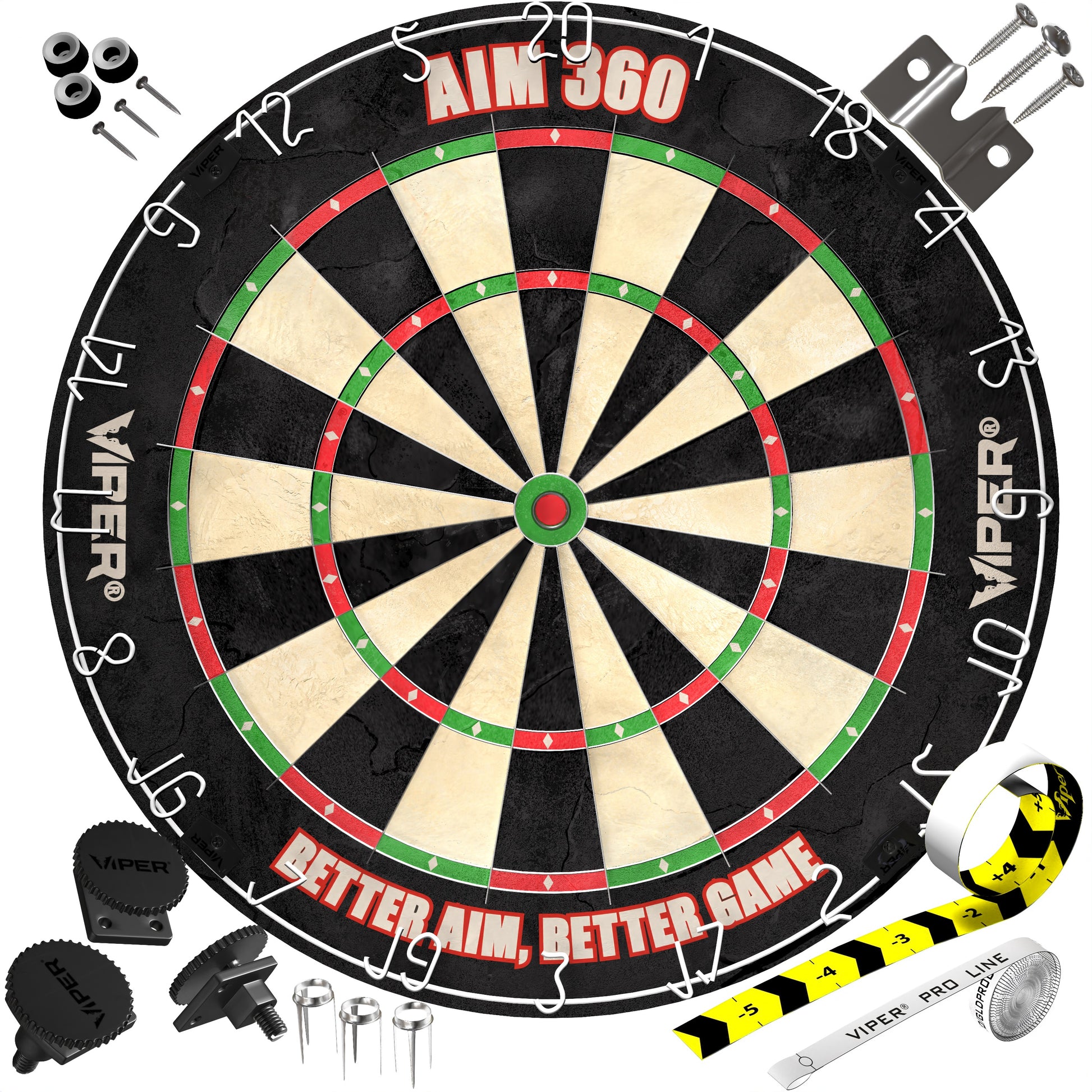
Cheap boards wear out quickly and the darts don’t stick well. A good bristle board lasts longer and gives better feedback. Brands like Winmau and Unicorn are popular for quality boards.
A non-obvious tip: Rotate your dart board regularly. This prevents some sections from wearing out faster and keeps your practice fair.

Mental Focus And Visualization
Many players overlook mental skills. Focus and visualization can change your game.
- Clear your mind: Before each throw, take a deep breath.
- Visualize the shot: Picture the dart landing where you want.
- Block distractions: Ignore noise or movement around you.
Sports psychology studies show visualization improves accuracy by up to 20%. Try closing your eyes for a second before your throw and imagine success.
Common Mistakes That Lower Accuracy
Avoiding mistakes is just as important as learning good habits. Here are some errors beginners often make:
- Rushing throws: Going too fast makes you miss targets.
- Changing grip or stance too often: Stick with one method for best results.
- Throwing with too much force: Smoothness beats strength.
- Ignoring follow-through: Always finish your motion.
- Looking at the board, not your target: Focus on the exact spot you want to hit.
If your accuracy drops suddenly, check for these mistakes. Correcting them can instantly improve your results.

Tracking Improvement
Keeping records helps you see progress and spot weak areas. Use a notebook or a dart scoring app to track your scores.
- Write down your high scores and averages.
- Note which numbers you hit best and which need work.
- Record the grip, stance, and equipment used.
Over weeks or months, you’ll see trends and know where to focus your practice.
Advanced Tips For Experienced Players
Once you master the basics, try these advanced strategies:
- Work on grouping: Try to land all three darts close together.
- Practice under pressure: Play timed games or with friends to simulate competition.
- Change practice targets: Hit different numbers each session for all-around skill.
- Analyze your throw: Use a phone to record yourself and spot issues.
Top players use video analysis to correct small errors. Even small changes, like moving your elbow or adjusting your grip, can make a big impact.
Frequently Asked Questions
How Far Should I Stand From The Dart Board?
The standard distance is 7 feet 9.25 inches from the front of the board to the toe line (the “oche”). This is the official distance used in tournaments.
What Is The Best Dart Weight For Accuracy?
Most beginners do well with 20–24 gram darts. Heavier darts are easier to control but may tire your arm. Try different weights to find your ideal balance.
How Can I Practice Accuracy Without A Dart Board?
You can use a paper target or even practice your throwing motion without darts. Focus on form and aim. Some players use soft-tip boards for practice at home.
Does Dart Flight Shape Really Matter For Accuracy?
Yes, flight shape affects how the dart flies. Standard flights give more stability, while slim flights are faster. Choose the shape that matches your throwing style.
Where Can I Find More Advanced Training Drills?
You can find advanced drills and practice routines on official sites like Professional Darts Corporation, which shares tips and techniques from top players.
Improving accuracy on a dart board is not just about aiming better. It’s about mastering the basics, using the right equipment, and practicing with purpose. Small changes in grip, stance, and mental focus can boost your scores quickly. Most of all, stay consistent and track your progress.
With regular practice and smart techniques, you’ll see steady improvement and enjoy the game even more.

