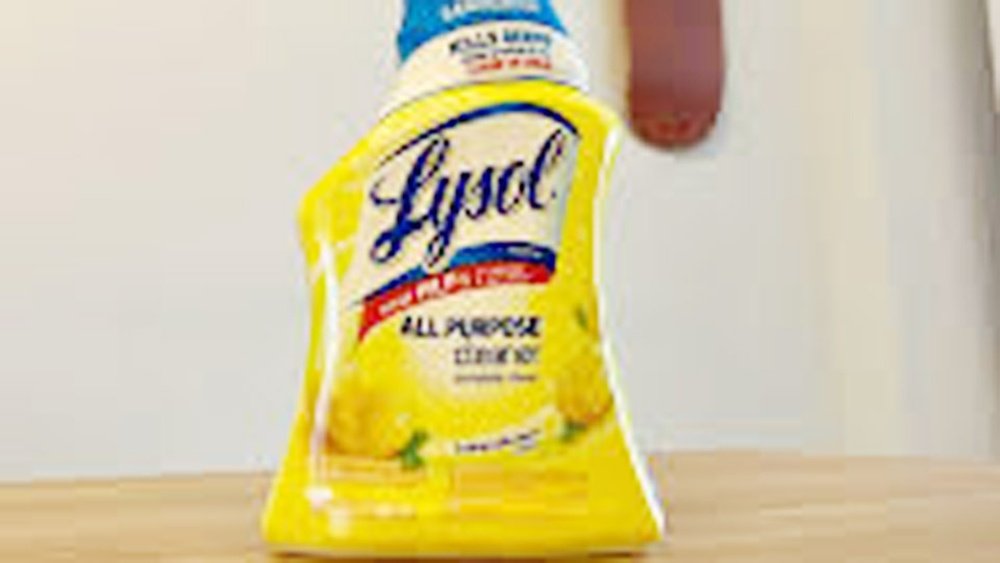
You want your bathroom to be spotless and safe, right? But did you know that Lysol, a popular cleaner many trust, might not be the best choice for your bathroom?
Using the wrong cleaner can leave behind harmful chemicals or even damage your surfaces over time. If you care about your health and want your bathroom truly clean, it’s important to rethink your cleaning routine. Keep reading to discover why Lysol may fall short and what better options you have to keep your bathroom fresh and safe.
Lysol’s Popularity In Bathrooms
Lysol is a well-known brand in many bathrooms. It is often the first choice for cleaning and disinfecting. Its strong reputation makes people trust it for keeping spaces germ-free. Many families rely on Lysol to fight bacteria and viruses in their homes.
Despite its popularity, Lysol may not always be the best option for your bathroom. It has certain limits and drawbacks. Understanding why Lysol is popular helps explain why many still choose it.
Common Uses And Claims
Lysol is used mainly to kill germs and bacteria. It claims to kill 99.9% of viruses and germs on surfaces. Many use it on sinks, toilets, and shower areas. Its disinfectant spray form is easy to apply quickly.
It also claims to remove odors and leave a fresh scent. People trust these claims because they want a clean and healthy bathroom. Lysol is often seen as a fast and effective way to clean.
Marketing And Consumer Trust
Lysol has strong marketing that builds consumer trust. Ads show Lysol killing germs and protecting families. This creates a sense of safety and reliability.
The brand has been around for decades, which adds to its credibility. Many consumers feel loyal to Lysol because they grew up using it. This trust often leads to repeated purchases, even without comparing other cleaners.
Chemical Composition Of Lysol
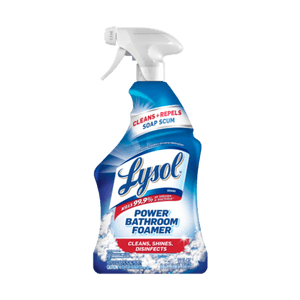
Lysol is a popular cleaner used in many homes. Its chemical makeup plays a big role in how it works. Understanding what is inside Lysol helps explain why it might not be the best choice for bathroom cleaning. The ingredients can affect both the surfaces and your health.
Key Ingredients And Their Effects
Lysol contains several strong chemicals. One main ingredient is benzalkonium chloride. This acts as a disinfectant but can be harsh on some surfaces. Another is ethanol, which helps kill germs quickly. Some formulas include fragrances and dyes to make the product smell good and look appealing. These added chemicals can leave residues and sometimes damage delicate bathroom materials.
Potential Health Risks
Some ingredients in Lysol can cause irritation. Skin contact may lead to redness or dryness. Breathing in the fumes can irritate your nose and throat. People with asthma or allergies may feel worse after use. Long-term exposure to chemicals like benzalkonium chloride may cause more serious health issues. It is important to use Lysol in well-ventilated areas and with care to avoid these risks.
Effectiveness Against Bathroom Germs
Bathrooms are full of germs. Cleaning them well keeps your family healthy. Not all cleaners work the same against these germs. Lysol is popular but has limits in killing bathroom bacteria and viruses.
Understanding which germs Lysol can kill helps you choose the right cleaner. Also, knowing its limits can prevent leftover germs that cause illness.
Bacteria And Viruses Targeted
Lysol kills many common bacteria like E. coli and Staphylococcus. It also fights some viruses such as the flu virus. These germs often live on sinks, toilets, and floors.
Lysol’s disinfectant ingredients break the germs’ cell walls. This stops bacteria and viruses from growing or spreading. It works well on hard, non-porous surfaces.
Limitations In Germ Removal
Lysol may not kill all types of germs in the bathroom. Some bacteria hide in cracks, grout, or porous materials where spray cannot reach.
It also needs enough contact time to kill germs fully. Quick sprays and wipes may leave some germs alive. This can cause germs to come back quickly.
Overuse can lead to resistant germs. These germs adapt and become harder to kill. Using only Lysol limits your cleaning power against tough bathroom germs.
:strip_icc()/bhg-grout-tile-cleaners-test-scrubbing-bubbles-bathroom-grime-fighter-dburreson-022-1-4f77872fc2234539a726c3bb1c842025.jpeg)
Impact On Bathroom Surfaces
Cleaning products can affect bathroom surfaces in many ways. Lysol, while popular, may not be the best for every surface. Its strong chemicals can cause problems over time. This section explains how Lysol impacts tiles, grout, fixtures, and finishes in your bathroom.
Damage To Tiles And Grout
Lysol contains harsh chemicals that can wear down tiles. It may cause discoloration or dullness on tile surfaces. Grout, the material between tiles, is also vulnerable. The chemicals can erode grout, making it crumbly or cracked. This damage can lead to stains and mold growth. Tiles and grout need gentle cleaning to last longer.
Effects On Fixtures And Finishes
Bathroom fixtures like faucets and handles have special finishes. Lysol’s strong ingredients can strip away these finishes. This leads to dull, spotty, or peeling surfaces. Metal fixtures may show rust or corrosion faster. Plastic or painted parts can weaken or fade. Using milder cleaners helps keep fixtures looking new.
Environmental Concerns
Many people use Lysol to clean their bathrooms. But Lysol has some serious environmental problems. These issues affect our health and the planet. Understanding these concerns helps us make better choices for our homes and environment.
Chemical Residue And Water Pollution
Lysol contains strong chemicals that leave residue on surfaces. These residues can wash down the drain during cleaning. Once in the water, these chemicals harm aquatic life. Fish and plants suffer from toxic exposure. Chemicals like quaternary ammonium compounds persist in water. They break down slowly and pollute rivers and lakes. This pollution disrupts ecosystems and reduces water quality.
Sustainability Issues
Lysol products use non-renewable resources for packaging and ingredients. Many bottles are made from plastic that is hard to recycle. The manufacturing process also uses a lot of energy and water. This increases the product’s carbon footprint. Frequent use adds up to significant environmental damage. Choosing cleaners with sustainable packaging helps reduce waste. Also, selecting products with natural ingredients supports greener practices.
Health Alternatives For Bathroom Cleaning
Choosing the right cleaner for your bathroom matters a lot for your health. Many store-bought cleaners, including Lysol, contain strong chemicals. These can cause irritation and harm your family’s health. Using health-friendly alternatives keeps your bathroom clean and safe. These options protect the environment and reduce allergies or breathing problems.
Natural Cleaning Agents
Natural cleaning agents come from plants or minerals. Common choices include vinegar, baking soda, and lemon juice. Vinegar kills many germs without harsh chemicals. Baking soda scrubs away grime gently without scratching surfaces. Lemon juice cuts through soap scum and leaves a fresh scent. These agents are safe, cheap, and easy to find. They clean well without adding toxins to your home.
Safe And Effective Practices
Using natural agents right is key for best results. Mix vinegar and water in a spray bottle for daily cleaning. Sprinkle baking soda on stains before scrubbing gently. Use lemon juice to remove hard water spots or mold. Always rinse surfaces with water after cleaning. Ventilate your bathroom by opening windows or using fans. Wear gloves to protect your skin from irritation. These practices keep your bathroom fresh and your family healthy.
Choosing The Right Cleaner
Choosing the right cleaner for your bathroom is important. Not all cleaners work the same on different surfaces. Some may harm tiles or fixtures. Others might not kill all germs effectively. Picking a cleaner that suits your needs helps keep your bathroom safe and fresh.
Factors To Consider
Look at the ingredients first. Avoid harsh chemicals that can irritate skin or eyes. Check if the cleaner kills bacteria and viruses well. Consider the surface type you need to clean, like tile, glass, or metal. A good cleaner should work without causing damage. Also, think about how easy it is to use and rinse off.
Recommendations For Bathroom Hygiene
Choose cleaners designed for bathrooms. They handle soap scum and mold better. Use products with disinfectant properties for better germ control. Natural or eco-friendly options can reduce chemical exposure. Always follow the label instructions for best results. Regular cleaning keeps your bathroom healthy and smelling fresh.

Frequently Asked Questions
Why Isn’t Lysol The Best Bathroom Cleaner?
Lysol may contain harsh chemicals that can irritate skin and respiratory systems. It might not effectively remove tough bathroom grime or mold compared to specialized cleaners. Alternatives often offer safer, more thorough cleaning tailored for bathroom surfaces.
Are There Safer Alternatives To Lysol For Bathrooms?
Yes, many safer cleaners use natural ingredients like vinegar or baking soda. These options reduce chemical exposure and environmental impact. They effectively clean without harsh fumes or residues, making them better for health and sensitive bathroom surfaces.
Does Lysol Damage Bathroom Surfaces?
Lysol’s strong chemicals can sometimes degrade grout, tile, and sealants over time. Frequent use may cause discoloration or wear on delicate surfaces. Choosing gentler cleaners helps preserve bathroom materials and extend their lifespan.
Can Lysol Kill All Bathroom Germs And Mold?
Lysol kills many bacteria and viruses but may not eliminate all mold types. Some molds require stronger or specialized mold removal products. Regular cleaning combined with proper ventilation better prevents mold growth in bathrooms.
Conclusion
Choosing the right bathroom cleaner matters for health and safety. Lysol may not remove all germs or tough stains well. Many cleaners work better and use gentler ingredients. Your bathroom deserves a product that cleans deeply and keeps you safe.
Think about what works best for your space and family. Clean smart, stay healthy, and enjoy a fresh bathroom every day.