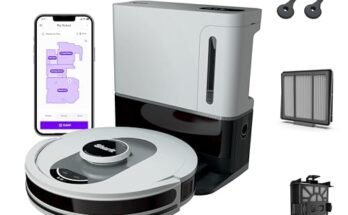
Is your robot vacuum suddenly making a loud noise that’s hard to ignore? You rely on it to keep your floors clean without the hassle, so when it starts sounding off, it can be frustrating and worrying.
You might wonder if something is broken or if it’s just normal wear and tear. Don’t ignore these sounds—they are your vacuum’s way of telling you something. You’ll discover the common reasons behind that loud noise and simple steps you can take to fix it.
Keep reading to save your vacuum and your peace of mind.
Common Noise Sources
Robot vacuums can make loud noises for several common reasons. These noises often come from parts that need cleaning or fixing. Knowing where the sounds come from helps you fix the problem fast. Below are the most frequent sources of noise in robot vacuums.
Brushes And Rollers Issues
Brushes and rollers pick up dirt and debris. Hair and strings can wrap around them. This causes the motor to work harder and make noise. Worn or damaged brushes also create loud sounds. Check these parts regularly and clean or replace them as needed.
Wheel And Motor Problems
Wheels help the vacuum move smoothly. Dirt or small objects stuck in wheels cause grinding sounds. Motors can wear out over time, leading to loud noises. Listen for squeaks or rattles that come from the wheels or motor. These signs mean maintenance or repair is needed.
Dustbin And Filter Blockages
A full dustbin blocks airflow and makes the vacuum louder. Filters clogged with dust reduce suction power. This forces the motor to work harder, causing noise. Empty the dustbin and clean or replace filters often. This keeps your vacuum running quietly and efficiently.
Mechanical Wear And Tear
Mechanical wear and tear is a common cause of loud noises in robot vacuums. Over time, parts inside the vacuum can wear out or become loose. This creates friction and strange sounds during operation. Understanding these issues helps keep your vacuum running smoothly.
Worn Bearings And Gears
Bearings and gears help the vacuum’s wheels and brushes move. These parts wear down after long use. Worn bearings can cause grinding or squealing noises. Gears with damaged teeth may click or chatter. Replacing worn components often fixes the noise.
Loose Or Damaged Parts
Loose screws, panels, or other parts can rattle inside the vacuum. Damage from bumps or drops may break parts or shift components. These issues cause banging or clanking sounds. Tightening screws or replacing broken parts reduces noise and improves performance.
Environmental Factors
Environmental factors play a big role in how loud your robot vacuum sounds. The floor type and objects in its path can change the noise level. Understanding these can help you reduce the noise and protect your machine.
Surface Types Affecting Noise
Hard floors like tile or wood make the vacuum noise louder. The vacuum brushes and wheels hit the hard surface, causing more sound. Carpets and rugs absorb some noise and make it quieter. Thick carpets can also slow the vacuum, changing the noise pattern. Moving the vacuum over different surfaces often causes the volume to change.
Obstacles And Debris Impact
Objects on the floor can cause the vacuum to make more noise. Small items like toys or cables get caught in the brushes. This creates extra sound and strain on the motor. Debris like dirt and hair can jam the vacuum parts. These blockages cause loud noises and reduce cleaning power. Clearing the floor helps the vacuum run smoother and quieter.

Maintenance Tips To Reduce Noise
Robot vacuums can get noisy over time. Dirt and wear cause many sound problems. Simple maintenance helps your vacuum run quietly again. Small steps keep noise low and performance high.
Regular Cleaning Routine
Dust and hair can block parts inside your vacuum. Clean the brushes and filters often. Empty the dustbin after every use. Check the wheels for trapped debris. Clean sensors gently with a soft cloth. These tasks stop noise from buildup and friction.
Replacing Worn Components
Parts wear out after long use. Brushes, filters, and wheels can cause loud sounds if old. Replace worn brushes every few months. Change filters as the manual suggests. Inspect wheels for cracks or damage. New parts run smoothly and reduce noise. Keep spare parts handy for quick swaps.
When To Seek Professional Help
Robot vacuums usually work quietly. Loud noises can mean a problem. Some issues you can fix yourself. Others need expert help. Knowing when to call a professional saves time and money.
Ignoring serious noise can cause more damage. It can also shorten your vacuum’s life. Watch for clear signs that need expert care.
Signs Of Serious Mechanical Issues
Loud grinding or rattling sounds often mean broken parts. Strange noises that don’t stop could be motor problems. Burning smells or smoke are urgent warning signs. If your vacuum stops working suddenly, check for serious faults. Vibrations that shake the whole unit may signal internal damage. These issues need professional repair to avoid costly replacements.
Warranty And Repair Options
Check your vacuum’s warranty before any repair. Many brands cover parts and labor for a set time. Using authorized repair services keeps your warranty valid. Some problems may be fixed for free under warranty. Out-of-warranty repairs can be costly but extend your vacuum’s life. Professionals have the right tools and parts for proper fixes.


Frequently Asked Questions
Why Is My Robot Vacuum Suddenly Louder Than Usual?
A louder robot vacuum often means stuck debris or worn brushes. Check for blockages in wheels, filters, or the brush roll. Clean these parts regularly to avoid noise and maintain efficient performance.
Can A Dirty Filter Cause Loud Robot Vacuum Noise?
Yes, a clogged filter restricts airflow and strains the motor. This can cause the vacuum to run loudly. Replace or clean filters every few weeks to keep noise levels down and improve suction.
Does A Damaged Brush Cause Loud Vacuum Sounds?
Damaged or tangled brushes create friction and noise during operation. Inspect the brush roll for hair or debris and replace it if broken. Proper maintenance reduces noise and extends your vacuum’s lifespan.
How Do Motor Issues Affect Robot Vacuum Noise?
Motor problems like worn bearings or overheating increase noise significantly. If cleaning doesn’t help, consult a technician. Early motor repairs prevent further damage and costly replacements.
Conclusion
A loud robot vacuum can mean small problems inside. Dirt, stuck objects, or worn parts often cause noise. Cleaning and checking parts can help quiet it down. Regular care keeps your vacuum working well longer. Pay attention to sounds; they tell you when to act.
Quiet cleaning makes your home peaceful again. Keep your vacuum happy and your floors clean. Simple steps can stop loud noises fast. Your robot vacuum deserves gentle care and attention.