Is your pool vacuum crawling across the floor like it’s stuck in slow motion? You expect it to clean quickly and efficiently, but instead, it moves so slowly that you wonder if it’s even working.
This can be frustrating, especially when you just want to enjoy a sparkling clean pool without wasting hours on maintenance. Understanding why your pool vacuum is moving very slowly is the first step to fixing the problem and saving yourself time and effort.
Keep reading, and you’ll discover simple reasons behind the sluggish movement and easy fixes to get your vacuum back to full speed.
Common Causes Of Slow Pool Vacuum
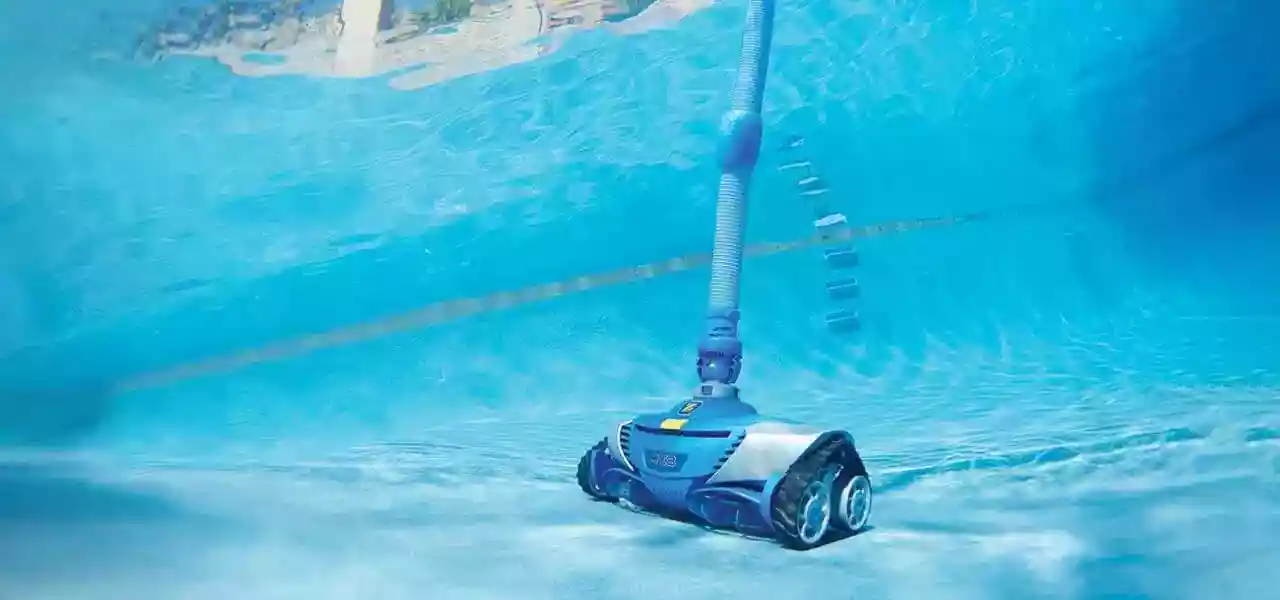
Slow pool vacuum movement often points to common problems. These issues reduce suction and limit the vacuum’s power. Identifying the cause helps fix the problem fast. Here are the main reasons why your pool vacuum might move slowly.
Clogged Filter Or Skimmer Basket
A dirty or clogged filter stops water from flowing freely. The skimmer basket can fill with leaves and debris. This blocks water intake and weakens suction. Cleaning these parts regularly keeps the vacuum working well.
Blocked Vacuum Hose
The vacuum hose can get clogged with dirt or debris. A blockage reduces water flow through the hose. This slows the vacuum’s movement across the pool floor. Check and clear the hose to restore normal flow.
Low Water Flow
Low water flow means less suction power for the vacuum. This can happen if the pump or pipes have issues. The vacuum needs strong water flow to move and clean properly.
Dirty Or Worn Out Vacuum Head
A dirty vacuum head collects debris and blocks suction. Worn-out parts lose their grip on the pool surface. Both reduce the vacuum’s ability to move quickly and clean well. Clean or replace the head as needed.
Pump Issues
The pool pump powers the vacuum’s suction. If the pump has mechanical problems, suction drops. This makes the vacuum move slower or stop. Regular pump maintenance ensures strong vacuum performance.

Checking And Cleaning The Filter
One common reason your pool vacuum moves slowly is a dirty or clogged filter. The filter keeps dirt and debris from damaging the vacuum’s motor. If it gets blocked, water flow drops. This slows down the vacuum’s movement and cleaning power.
Checking and cleaning the filter is a simple task. It helps your vacuum work better and last longer. Learn how to identify your filter type and clean or replace it properly.
Identifying Filter Type
Pool vacuums use different types of filters. The most common are cartridge, sand, and diatomaceous earth (DE) filters. Cartridge filters look like a pleated cylinder. Sand filters use a tank filled with sand. DE filters have a fine powder inside a grid system.
Knowing your filter type helps you clean it the right way. Check your vacuum’s manual or look for labels on the filter. Each type needs a different cleaning method.
Steps To Clean Or Replace The Filter
Turn off the pool vacuum and unplug it. Remove the filter carefully from the vacuum. For cartridge filters, rinse with a garden hose. Spray water between the pleats to remove dirt. Let it dry before putting it back.
Sand filters need backwashing. This means reversing water flow to clean the sand. Follow your filter’s instructions for backwashing steps. For DE filters, backwash and add new DE powder after cleaning.
Replace the filter if it looks damaged or very old. A worn filter cannot clean well. This causes slow vacuum movement and poor pool cleaning.
Inspecting The Vacuum Hose
Inspecting the vacuum hose is an important step to fix a slow-moving pool vacuum. The hose connects the vacuum head to the pump and creates suction. Any problem with the hose can reduce water flow and slow down the vacuum.
Checking the hose carefully helps find hidden issues. Small holes, cracks, or blockages can stop the vacuum from working well. A clean and intact hose keeps the vacuum moving smoothly and cleans the pool better.
Detecting Blockages
Start by detaching the hose from the vacuum and pump. Look inside the hose for dirt, leaves, or debris that might be stuck. Use a flashlight for a clearer view. Blockages reduce water flow and slow down the vacuum.
Run water through the hose to check if it flows freely. If water does not flow well, the hose is clogged. A hose with a clog needs cleaning to restore proper suction.
Hose Repair And Replacement Tips
Small holes or cracks can cause suction loss. Use waterproof tape to seal minor leaks temporarily. For bigger damage, replace the hose section or the whole hose. A new hose ensures strong suction and fast vacuum movement.
When buying a new hose, pick the right length and diameter for your vacuum. A hose too long or too short can affect performance. Store the hose properly to avoid cracks and damage over time.
Boosting Water Flow
Water flow plays a big role in your pool vacuum’s speed. Strong water flow helps the vacuum move faster and clean better. Weak flow makes the vacuum slow and less effective. Boosting the water flow can fix this problem quickly.
Check your pump and pipes to ensure water flows well. Small changes can bring big improvements to your vacuum’s performance.
Adjusting Pump Settings
Your pump controls water flow to the vacuum. Low pump speed reduces water pressure and slows the vacuum. Increase the pump speed to boost flow. Use the pump’s settings or dial to find the best speed.
Do not set the pump too high. It can cause damage or waste energy. Test different speeds to see which one makes the vacuum move faster. Proper pump adjustment keeps your pool clean and saves power.
Removing Air Leaks
Air leaks reduce water flow and slow the vacuum. Check hoses and connections for cracks or loose fittings. Tighten or replace parts that let air in. Even small leaks can cause big flow problems.
Seal all leaks with plumber’s tape or hose clamps. Make sure the vacuum hose stays full of water. Air-free hoses let the pump work better and keep water flowing fast.
Maintaining The Vacuum Head
Maintaining the vacuum head is key to keeping your pool vacuum running smoothly. A clean, well-kept vacuum head moves faster and cleans better. Dirt, debris, and worn parts slow it down. Checking the vacuum head often helps you spot issues early. Simple care can save you time and money.
Cleaning Brushes And Wheels
Brushes and wheels pick up dirt and leaves from your pool floor. They often get clogged with hair, algae, and debris. Clean them regularly with water and a soft brush. Remove any stuck debris around the wheels. This helps the vacuum head move freely and clean efficiently.
Replacing Worn Parts
Worn brushes and wheels reduce the vacuum’s speed and power. Check for cracks, bends, or worn-out bristles. Replace old parts to keep the vacuum head working well. New parts improve movement and suction. Regular replacement prevents bigger problems and keeps your pool clean.
Addressing Pump And Motor Problems
Pump and motor problems often cause a pool vacuum to move very slowly. These parts control the water flow and suction power. If they do not work well, the vacuum struggles to clean the pool efficiently. Checking and fixing pump and motor issues can restore proper vacuum speed.
Checking Pump Pressure
Start by checking the pump pressure gauge. Low pressure means weak water flow. This can slow down your pool vacuum. Clear any blockages in the pump basket or filter. Dirty filters reduce pressure and suction. Also, check for leaks in the pump system. Leaks cause loss of pressure and reduce vacuum power.
When To Call A Professional
Some pump and motor problems need expert help. Strange noises, overheating, or no pressure change are warning signs. A professional can inspect motor bearings and electrical parts. They can also test the pump’s flow rate. Don’t ignore persistent slow vacuum movement. Call a pool technician to avoid bigger damage.
Preventive Tips For Smooth Vacuum Operation
Keeping your pool vacuum running smoothly is key to clean water. Simple steps can prevent slow movement and other issues. These tips help you avoid common problems and save time.
Regular Maintenance Schedule
Check your pool vacuum often. Clean the filter and brushes after every use. Remove debris from the hose and wheels. Inspect parts for wear or damage. Replace broken pieces quickly. This keeps the vacuum working at full speed.
Proper Storage And Handling
Store the vacuum in a dry, cool place. Avoid leaving it in direct sunlight. Coil hoses gently without kinks. Handle the vacuum carefully during setup and removal. Proper care prevents damage and slow movement.

Frequently Asked Questions
Why Is My Pool Vacuum Moving Slowly?
A slow-moving pool vacuum often indicates low water flow or clogged filters. Check for blockages in hoses and clean the filter regularly. Also, ensure the pump is working efficiently to maintain proper suction and speed.
Can A Dirty Filter Affect Vacuum Speed?
Yes, a dirty or clogged filter reduces water flow, making the vacuum move slowly. Regular cleaning or replacing the filter improves suction, allowing the vacuum to operate at optimal speed.
Does Hose Length Impact Vacuum Performance?
Long or kinked hoses restrict water flow, causing the vacuum to move slowly. Use the shortest, straightest hose possible to maintain strong suction and efficient cleaning.
How Does Pump Pressure Influence Vacuum Speed?
Low pump pressure reduces water suction, slowing the vacuum’s movement. Regularly check and maintain the pump to ensure it delivers adequate pressure for effective vacuum operation.
Conclusion
A slow pool vacuum can mean several simple problems. Check the hose and filter for blockages first. Make sure the pump is running well and the water flow is strong. Small fixes often improve the vacuum’s speed quickly. Keep your pool equipment clean and maintained regularly.
This helps avoid slow movement and keeps the pool clean. Watch for any damage or wear on parts. Fixing these issues early saves time and money later. A smooth-running vacuum means easier pool care and more time to enjoy your water.