Is your pool vacuum hose filling with air and leaving you frustrated? You’re not alone.
When air gets trapped in your hose, it can stop your vacuum from working properly, making pool cleaning a real headache. But why does this happen, and how can you fix it quickly? Keep reading to uncover the simple reasons behind this common problem and learn easy solutions that will have your pool sparkling again in no time.
Don’t let a pesky air bubble ruin your pool day—understand what’s going on and take control now!
Common Causes Of Air In Pool Vacuum Hose
Air filling a pool vacuum hose is a common problem. It stops the vacuum from working properly. Many reasons cause air to enter the hose. Knowing these causes helps fix the issue quickly. Here are the most common causes of air in pool vacuum hoses.
Leaky Connections
Loose or worn connections let air into the hose. Check all joints between the vacuum head, hose, and skimmer. Tighten any loose fittings. Replace damaged O-rings or seals. Small leaks cause big air problems.
Cracked Hose
Hoses can crack over time from sun and wear. Cracks let air seep in during vacuuming. Inspect the hose along its entire length. Replace any sections with visible cracks or holes. A good hose prevents air entry.
Improper Hose Installation
Hose installation affects air flow. If the hose is not fully submerged, air can enter. Make sure the hose is filled with water before connecting it. Avoid sharp bends or kinks that trap air pockets.
Faulty Vacuum Head
A broken or damaged vacuum head allows air inside. Check for cracks or missing parts. Ensure the vacuum head seals well against the pool surface. Replace it if it cannot create a good seal.
Pump And Skimmer Issues
Low water levels in the skimmer cause air to enter the system. Keep the pool water level above the skimmer opening. Clean the skimmer basket regularly. Inspect the pump lid and seals for leaks.

How Air Affects Vacuum Performance
Air in your pool vacuum hose can cause several problems. It changes how the vacuum works and lowers its efficiency. Understanding how air affects vacuum performance helps keep your pool clean and your equipment safe.
Reduced Suction Power
Air bubbles in the hose block water flow. This reduces the vacuum’s suction power. Less suction means dirt and debris stay on the pool floor. Your vacuum cannot clean well with air inside the hose.
Pump Damage Risks
Air can cause the pump to run dry. This leads to overheating and damage. Pumps need water to cool and lubricate parts. Air in the hose stops proper water flow, risking costly pump repairs.
Inefficient Cleaning
With air in the hose, the vacuum misses debris. Dirt settles back into the pool instead of being removed. Cleaning takes longer and is less effective. You waste time and effort with air-filled hoses.
Step-by-step Fixes For Air In Hose
Air in the pool vacuum hose can cause poor suction and cleaning problems. Fixing this issue requires checking several parts carefully. Follow these simple steps to find and fix the air leaks.
Check And Seal Connections
Loose or broken connections let air enter the hose. Start by checking where the hose meets the vacuum head and the skimmer. Tighten all fittings to ensure a snug fit. Use plumber’s tape or silicone sealant around joints for extra sealing. A tight connection stops air from getting in.
Inspect And Replace Hose
Small holes or cracks in the hose cause air to enter. Look along the entire hose length for damage. Squeeze the hose gently to find soft spots or leaks. Replace the hose if you see any holes or serious wear. A new hose keeps air out and water flowing well.
Proper Hose Setup
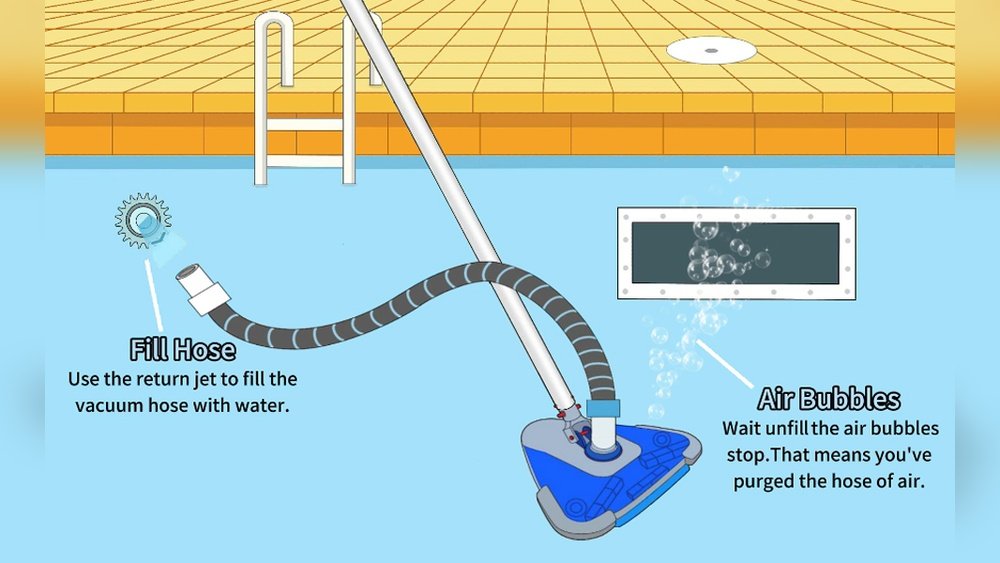
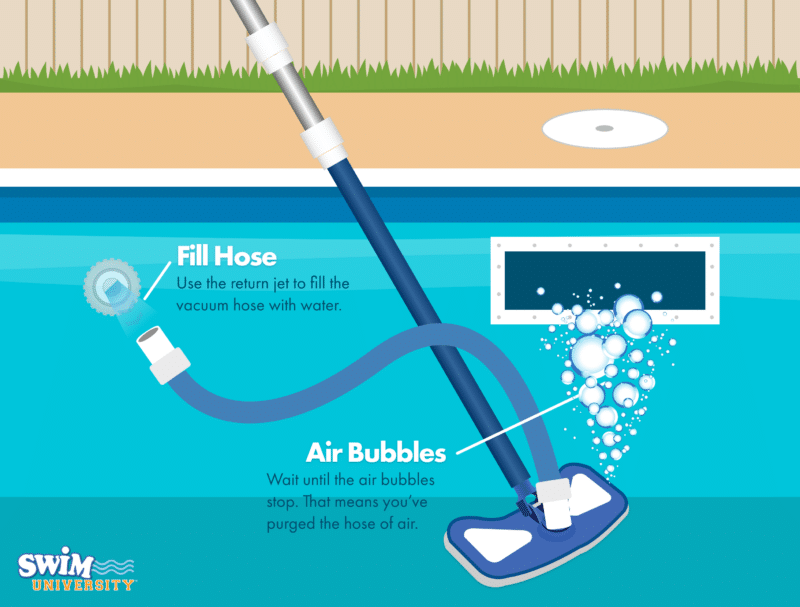
Incorrect hose setup can trap air inside. Make sure the hose is fully underwater before turning on the pump. Avoid sharp bends or kinks in the hose, which block water flow. Spread the hose out straight and flat. This helps water flow smoothly and pushes air out.
Clean Or Replace Vacuum Head
Dirt or cracks in the vacuum head let air in. Remove the vacuum head and check for damage or clogs. Clean any debris blocking water flow. Replace the vacuum head if cracks or damage appear. A clean, intact head improves suction and stops air leaks.
Maintain Pump And Skimmer
Air can enter through the pump or skimmer if they are not working well. Check the pump lid and skimmer basket for cracks or loose parts. Clean out debris from the skimmer basket regularly. Replace worn pump lid gaskets to keep a tight seal. Proper maintenance prevents air from entering the system.
Preventive Tips To Avoid Air Leaks
Preventing air leaks in your pool vacuum hose is key to keeping your cleaning system efficient. Air leaks cause loss of suction, making your vacuum less effective. Taking simple steps can help you avoid these problems and save time during pool maintenance.
Regular Equipment Inspection
Check your vacuum hose and connections often. Look for cracks, holes, or loose fittings. Replace damaged parts right away. Tighten any loose connectors to stop air from entering. A quick inspection before each use helps catch problems early.
Proper Storage Of Hose
Store the hose in a cool, shaded place. Avoid sharp bends or kinks that can cause damage. Coil the hose gently without stretching it. Keep it off rough surfaces that can wear it down. Proper storage extends the hose’s life and prevents leaks.
Routine Maintenance Schedule
Create a schedule for cleaning and checking your vacuum hose. Remove debris from inside the hose regularly. Clean connectors and seals to keep them tight. Follow this routine to reduce wear and tear. Consistency helps avoid unexpected air leaks and keeps your pool clean.

Frequently Asked Questions
Why Does My Pool Vacuum Hose Fill With Air?
Air enters the hose due to leaks, cracks, or loose connections. These allow outside air to be sucked in, causing bubbles and suction loss.
How Can I Fix Air In My Pool Vacuum Hose?
Check for leaks or loose fittings. Tighten connections and replace damaged hoses to stop air from entering the system.
What Causes Constant Air Bubbles In Pool Vacuum Hose?
Damaged hose sections or worn seals let air into the hose. This disrupts suction and reduces vacuum efficiency.
Can Clogged Pool Filters Cause Vacuum Hose Air Problems?
Yes, clogged filters reduce water flow, causing air to be drawn into the hose and fill it with bubbles.
Conclusion
A pool vacuum hose fills with air mainly due to leaks or loose connections. Check the hose and fittings carefully. Replace damaged parts to keep the vacuum working well. Regular maintenance helps avoid air buildup and keeps your pool clean.
Keep an eye on water flow and hose condition. Fixing small issues early saves time and money. Clean water and a working vacuum make pool care easier. Stay attentive and enjoy a clear, sparkling pool all season.