Have you ever started cleaning your pool only to find your vacuum hose collapsing, making the job frustrating and slow? It’s a common problem that can turn a simple task into a real headache.
Understanding why your pool vacuum hose collapses while cleaning can save you time, effort, and even money. You’ll discover the main reasons behind this issue and learn easy fixes to keep your cleaning smooth and efficient. Keep reading to take control of your pool maintenance and enjoy crystal-clear water without the hassle.

Common Causes Of Hose Collapse
Pool vacuum hoses can collapse during cleaning. This issue stops water flow and reduces vacuum power. Understanding common causes helps fix the problem fast. Here are the main reasons hoses collapse.
Blockages And Clogs
Debris inside the hose blocks water flow. Leaves, dirt, and small objects cause clogs. Blockages create pressure that makes the hose collapse. Regularly check and clear the hose to keep it open.
Improper Hose Length
Using a hose that is too long or too short causes problems. A very long hose can collapse under pressure. A short hose may not reach the pool corners. Choose the right length for smooth water flow.
Low Water Flow
Low water flow reduces pressure inside the hose. This lack of pressure makes the hose walls suck together. Causes include a weak pump or closed valves. Ensure strong water flow for better vacuuming.
Kinks And Twists
Kinks and twists block water and cause hose collapse. They create weak spots that fold under pressure. Straighten the hose before use. Avoid sharp bends to keep the hose working well.
Effects Of A Collapsed Hose
A collapsed pool vacuum hose can cause several problems during cleaning. It stops water flow and reduces suction power. These issues make cleaning less effective and can harm your pool equipment. Understanding these effects helps you maintain your pool better and avoid costly repairs.
Reduced Cleaning Efficiency
A collapsed hose blocks water flow inside the vacuum. Dirt and debris do not get sucked up properly. This leaves parts of your pool dirty. You may need to spend more time cleaning. The vacuum cannot pick up all the waste. The pool looks less clean even after use.
Increased Wear And Tear
The hose bends and twists when it collapses. This weakens the hose material over time. It can develop cracks or holes. A damaged hose loses suction power faster. You might replace the hose more often. This adds extra cost and effort to pool care.
Potential Damage To Equipment
Low water flow strains the vacuum motor. The vacuum pump works harder to keep suction. This can cause the pump to overheat. Over time, the vacuum parts may break down. Repairing or replacing equipment costs more money. Protect your vacuum by avoiding hose collapse.
Quick Fixes To Prevent Collapse
Pool vacuum hoses often collapse during cleaning. This issue interrupts your cleaning and wastes time. Quick fixes can stop the hose from collapsing. These easy steps help keep your hose working well. Follow these tips to enjoy smooth pool cleaning.
Clearing Blockages
Blockages cause low water flow and hose collapse. Debris like leaves or dirt can block the hose. Remove the hose from the pool. Shake or blow air through it to clear debris. Use a garden hose to flush water inside. Clear blockages for better suction and flow.
Adjusting Hose Length
A hose that is too long often collapses. Cut the hose to match your pool size. Shorter hoses reduce the chance of kinks and collapse. Use a sharp knife and cut cleanly. Proper length helps maintain steady water flow.
Boosting Water Flow
Low water flow causes the hose to suck inwards. Check the pump and filter for proper operation. Clean or replace dirty filters to improve flow. Turn on the pump at high speed. Strong water flow keeps the hose open and working.
Straightening The Hose
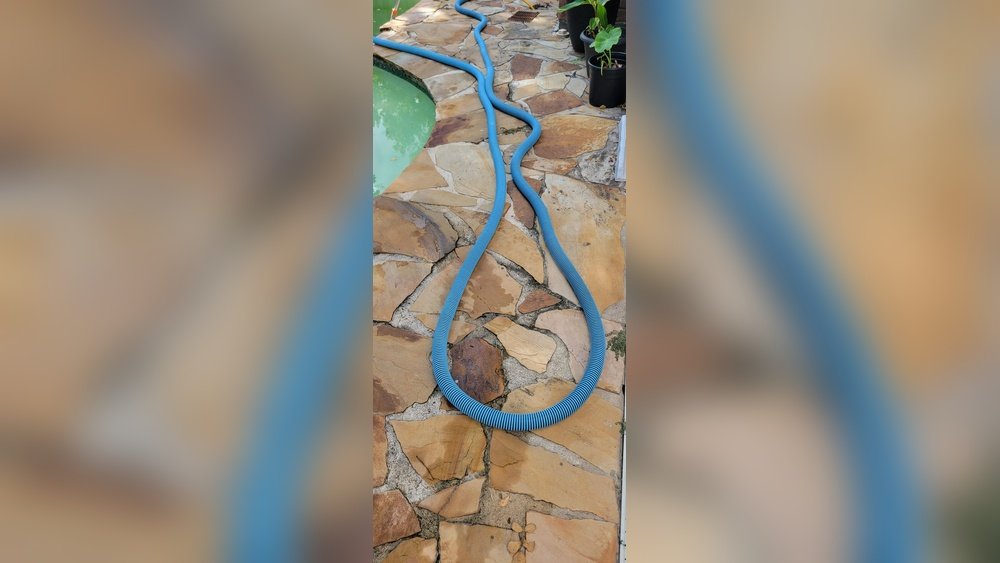
Twists and bends make the hose weak and collapse. Lay the hose flat under the sun for a few hours. Heat softens the hose, making it easier to straighten. Stretch and untwist the hose gently. A straight hose prevents kinks and keeps cleaning smooth.
Choosing The Right Hose
Choosing the right vacuum hose is key to keeping your pool clean. A good hose prevents collapse and makes cleaning easier. Several factors affect hose performance. Focus on material, size, and flexibility. These help avoid common problems during pool vacuuming.
Material Durability
Strong hose material resists wear and tear. Look for hoses made from heavy-duty plastic or rubber. These last longer under pressure and sun exposure. A durable hose keeps its shape and does not crack easily. Avoid thin or cheap hoses that break quickly.
Proper Diameter And Length
Choose a hose diameter that matches your vacuum and pump. Too small causes low water flow and hose collapse. Too large wastes suction power. Also, pick a length that reaches all parts of your pool. Too long hoses create extra weight and kinks.
Flexibility And Strength
Flexibility helps the hose move easily around corners and steps. Strong ribs inside the hose keep it from flattening. Balance flexibility with stiffness. A hose that is too soft can collapse, while a very stiff hose is hard to handle.
Maintenance Tips For Longevity
Proper care extends the life of your pool vacuum hose. Taking simple steps helps prevent hose collapse. This ensures smooth cleaning and saves money on replacements. Follow these maintenance tips to keep your hose strong and reliable.
Regular Cleaning
Clean your hose after every use. Remove dirt and debris inside the hose. Use water to flush out any buildup. Dirt can cause blockages and increase the chance of collapsing. A clean hose works better and lasts longer.
Proper Storage
Store the hose in a cool, dry place. Avoid leaving it in direct sunlight. Sunlight weakens the hose material over time. Coil the hose loosely to prevent kinks and bends. Proper storage keeps the hose flexible and strong.
Routine Inspections
Check the hose regularly for cracks or weak spots. Look for soft areas that may collapse under pressure. Replace damaged parts immediately. Catching problems early stops bigger issues later. Routine checks keep your cleaning system working well.

When To Replace Your Hose
Knowing when to replace your pool vacuum hose saves time and effort. A worn-out hose causes cleaning problems and may damage your pool pump. Watch for signs that tell you it’s time to buy a new hose. Replacing it on time keeps your pool clean and your equipment safe.
Signs Of Wear
Check the hose surface for soft spots or thinning areas. These show the hose is wearing out. Look for discoloration or stiffness. A hose that feels brittle can break easily during use. Wear signs mean the hose may not last much longer.
Frequent Collapses
A hose that keeps collapsing blocks water flow. This makes cleaning slow and hard. Collapsing happens when the hose loses its shape or strength. If you fix it often but it still collapses, replacement is best. A new hose stays firm and works smoothly.
Leaks And Cracks
Leaks waste water and reduce suction power. Cracks let air inside, causing the vacuum to lose grip. Inspect the hose for splits or holes. Small cracks grow bigger with use. Fixing leaks is temporary; a new hose ensures reliable cleaning.

Frequently Asked Questions
Why Does My Pool Vacuum Hose Keep Collapsing?
Your pool vacuum hose collapses due to suction pressure inside. Flexible hoses with thin walls are more prone to collapse. Using a hose with reinforced walls or an anti-kink design helps prevent this issue during cleaning.
How Can I Stop My Vacuum Hose From Collapsing?
To prevent hose collapse, use a hose with stronger, thicker walls. Avoid sharp bends and kinks while cleaning. Also, ensure proper water flow by checking for blockages or clogs in the hose or vacuum head.
Does Hose Length Affect Vacuum Hose Collapsing?
Yes, longer hoses increase suction pressure, raising collapse risk. Using shorter hoses or adding air relief valves can reduce vacuum pressure. Proper hose management improves cleaning efficiency and prevents hose damage.
Can Low Water Flow Cause Hose Collapse?
Low water flow increases vacuum pressure, causing hose collapse. Ensure the pool pump and filter system work properly. Regular maintenance and cleaning improve water flow and hose performance during vacuuming.
Conclusion
A pool vacuum hose collapses mainly due to poor airflow or blockages. Kinks and twists also cause it to fold in. Using the right hose size helps keep it open. Regularly checking and straightening the hose prevents collapse. Clean the hose often to remove dirt and debris.
Simple care keeps your cleaning efficient and hassle-free. Keep these tips in mind for smooth pool vacuuming. Your pool stays cleaner with less trouble. Easy fixes make a big difference.