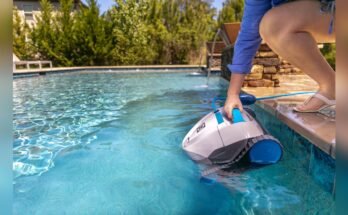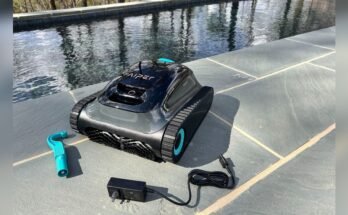
Have you ever noticed your pool vacuum floating to the surface instead of staying on the bottom where it should be? It’s frustrating, right?
You want your pool clean, but when the vacuum won’t stay put, it feels like a constant battle. Understanding why this happens is the first step to fixing the problem quickly and easily. Keep reading, because once you know the simple reasons behind this, you’ll be able to get your vacuum working perfectly—making your pool sparkling clean without the extra hassle.
Common Reasons For Floating Vacuums
Floating pool vacuums can be frustrating. They fail to clean properly if they do not stay on the bottom. Several common reasons cause vacuums to float instead of sinking. Understanding these helps fix the problem quickly. Below are some main causes to check first.
Air Trapped Inside The Vacuum
Air inside the vacuum makes it buoyant. Small air pockets get trapped in the vacuum’s body or hose. This trapped air pushes the vacuum upward. Releasing the air helps the vacuum sink to the bottom. Make sure to purge all air before use.
Improper Weight Distribution
Weight affects how the vacuum moves underwater. If weights are uneven or missing, the vacuum floats. Properly placed weights balance the vacuum. Check if weights are loose or lost. Adjust them so the vacuum rests flat on the pool floor.
Clogged Or Damaged Hoses
Blockages in hoses reduce water flow. Low flow decreases the vacuum’s suction power. This causes the vacuum to float or move slowly. Damaged hoses may let air enter the system. Inspect hoses for clogs or tears. Clean or replace damaged parts to restore function.
Incorrect Water Flow
Water flow drives the vacuum’s movement. Too little flow makes the vacuum float. Too much flow can pull it away from the bottom. Use the right pump setting for your vacuum. Check flow rates to ensure the vacuum stays on the floor.
How To Identify The Problem
When your pool vacuum floats instead of staying on the bottom, it means there is a problem. Finding the cause helps fix it fast. Several simple checks can show where the issue lies. Follow these steps to identify the problem clearly.
Checking For Air Leaks
Air leaks often cause the vacuum to float. Look for bubbles in the hose or pump. Check the vacuum head and hose for cracks or holes. Even small leaks let air in, making the vacuum lose suction and rise.
Inspecting Vacuum Weights
Vacuum weights keep the cleaner on the pool floor. Check if the weights are missing or loose. Add or tighten weights if needed. Proper weight helps the vacuum stay submerged and work well.
Examining Hose Connections
Loose or wrong hose connections can let air into the system. Ensure all hose parts fit tightly. Connect hoses firmly to the vacuum and skimmer. Good connections stop air from entering and improve suction.
Testing Water Pressure
Low water pressure can cause the vacuum to float. Turn on the pool pump and check the pressure. If pressure is weak, clean the pump basket and filters. Strong water flow helps the vacuum stay down and clean better.
Quick Fixes To Sink Your Vacuum
When your pool vacuum floats instead of sinking, simple fixes often solve the problem. These quick steps help your vacuum stay on the pool floor for better cleaning. Follow these easy tips to fix common issues and get your vacuum working properly again.
Releasing Trapped Air
Air trapped inside the vacuum or hose makes it float. To release air, submerge the vacuum slowly underwater. Tilt it gently to let bubbles escape. Repeat this process until no air remains. This allows the vacuum to fill with water and sink naturally.
Adding Or Adjusting Weights
Weights help the vacuum stay down. Attach small weights to the hose near the vacuum head. Use lead or stainless-steel weights made for pool equipment. Adjust the number of weights until the vacuum sinks easily. Avoid adding too many, which can strain the hose.
Clearing Hose Blockages
Blockages reduce water flow and cause floating. Detach the hose and check for debris inside. Use a garden hose or brush to clear clogs. A clear hose improves suction and helps the vacuum stay submerged. Clean the hose regularly for best results.
Adjusting Water Flow Settings
Low water flow reduces vacuum power and causes floating. Check your pool pump settings and increase flow if needed. Ensure the pump and filter are clean and working properly. Higher water flow pushes the vacuum down and improves cleaning performance.
:strip_icc()/bhg-suction-pool-cleaners-test-pentair-360042-kreepy-krauly-rob-roszkowski-03-3523a97280c94384976fdf1978c83bce.jpeg)
Preventive Tips To Avoid Floating
Preventing your pool vacuum from floating keeps it working well and saves time. Simple steps help your vacuum stay on the pool floor. These tips protect your equipment and improve cleaning results.
Regular Maintenance Routine
Check your vacuum often for dirt and damage. Clean filters and brushes after each use. Replace worn parts quickly to avoid poor suction. Keep hoses free of clogs to maintain steady water flow. A clean vacuum sticks better to the pool bottom.
Proper Storage Techniques
Store the vacuum in a dry, shaded place. Avoid leaving it in direct sunlight or water. Coil hoses loosely to prevent cracks or kinks. Dry the vacuum before storing to stop mold growth. Good storage keeps the vacuum in top shape.
Using Quality Equipment
Choose vacuums made from strong, durable materials. Better parts hold suction and resist damage longer. Avoid cheap models that float due to poor design. Invest in a vacuum designed for your pool size. Quality tools clean better and last longer.
Monitoring Water Chemistry
Check your pool’s pH and chlorine levels regularly. Balanced water helps prevent buildup on vacuum parts. High pH or algae can cause the vacuum to float. Use pool test kits to keep water in the right range. Clean water supports smooth vacuum operation.
When To Call A Professional
Sometimes, pool vacuum problems need expert help. Knowing when to call a professional saves time and effort. Professionals have the right tools and knowledge. They fix issues that are hard to solve alone. Here are signs that it is time to get help.
Persistent Floating Issues
Your pool vacuum keeps floating despite attempts to fix it. Cleaning and adjusting the vacuum does not help. The problem comes back again and again. This shows a deeper issue with the vacuum. Professionals can find hidden problems quickly. They know how to make the vacuum stay on the bottom.
Complex Equipment Repairs
Some vacuum parts are hard to fix without experience. Broken hoses, valves, or motors may need special tools. Trying to fix these parts alone can cause more damage. Professionals have training to handle complex repairs. They replace or repair parts correctly. This saves money in the long run.
Safety Concerns
Pool equipment can be dangerous to handle. Electrical parts and water create risks. Professionals follow safety rules to avoid accidents. They also know how to test the vacuum safely. If you feel unsure or unsafe, call an expert. Safety should always come first around water.

:strip_icc()/bhg-dolphin-premiere-robotic-pool-cleaner-june-24-test-kim-vogt-05-81c5c90bcf384649a1f4de601a5dbd53.jpeg)
Frequently Asked Questions
Why Does My Pool Vacuum Float Instead Of Sinking?
Your pool vacuum floats due to trapped air inside its components. Check for leaks or blockages that let air in. Removing air or sealing leaks helps the vacuum stay submerged and clean effectively.
How To Fix A Floating Pool Vacuum?
To fix a floating vacuum, release trapped air by shaking or submerging it fully. Inspect hoses for cracks and replace faulty parts. Proper sealing and maintenance ensure it stays on the pool bottom.
Can Water Pressure Cause Vacuum Floating Issues?
Yes, low or inconsistent water pressure can cause your vacuum to float. Ensure your pool pump is working well and hoses are properly connected for optimal suction and weight balance.
Does Vacuum Weight Affect Sinking Ability?
Yes, insufficient weight can cause your vacuum to float. Adding weights or using a weighted vacuum hose can help keep it on the pool floor for better cleaning.
Conclusion
A pool vacuum that floats can cause cleaning problems. It usually means air is trapped inside or parts are loose. Check the hose and connections for leaks or damage. Make sure the vacuum is heavy enough to stay down. Fixing these issues helps the vacuum work properly and keeps your pool clean.
Regular maintenance saves time and effort. Keep your pool sparkling without hassle. Simple steps make a big difference. Clean water is just a few fixes away.