Have you ever wondered, “Why does my dog lick me so much?” If you’re like most dog owners, those wet, slobbery kisses might feel a little confusing. Is your furry friend showing love, asking for attention, or trying to tell you something else?
Understanding why your dog licks you can deepen your bond and help you respond in the best way. Keep reading to discover the surprising reasons behind this common behavior—and what it really means for your relationship with your dog.
Common Reasons Dogs Lick
Dogs lick for many reasons. It is a natural way they show feelings. Understanding why your dog licks helps you read their mood. Here are common reasons dogs use licking to communicate.
Showing Affection
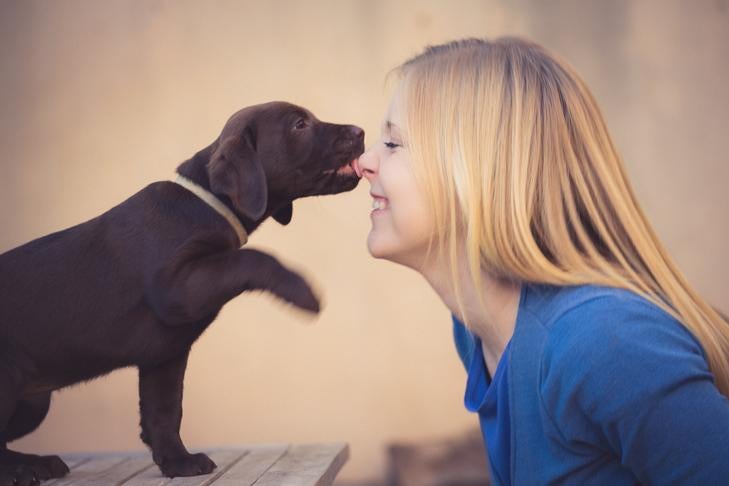
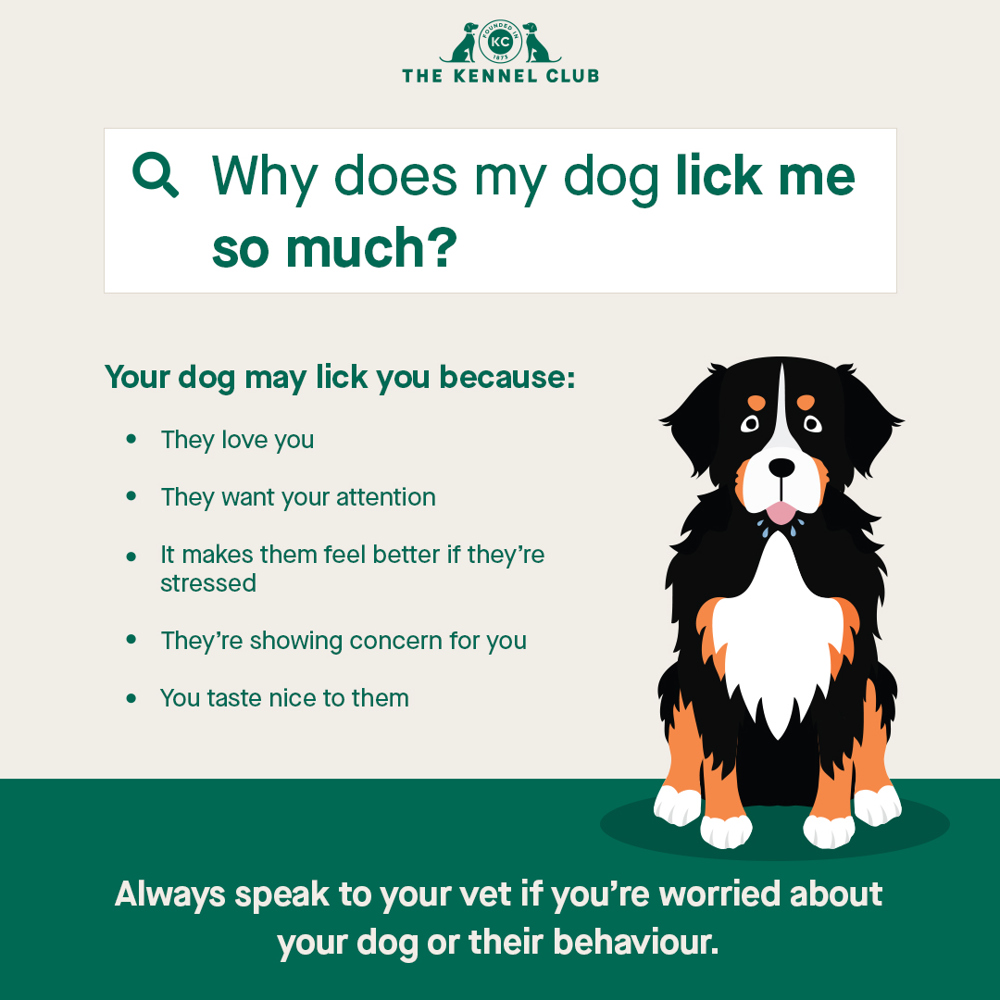
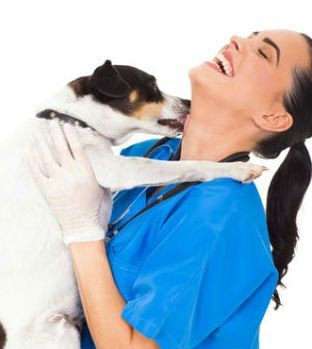
Licking is a way dogs show love. It is similar to a gentle hug. Dogs lick faces and hands to say, “I care about you.”
This behavior starts when they are puppies. Mother dogs lick their puppies to comfort them. Your dog uses licking to feel close to you.
Seeking Attention
Dogs lick to get your focus. If they want to play or need something, they lick you. It works because you often react to this behavior.
Dogs quickly learn licking brings attention. It might be a request for food, walks, or petting. They use licking as a simple way to connect.
Grooming Instincts
Licking is part of a dog’s natural grooming habits. Dogs clean themselves and others by licking. Your dog may lick you to help clean or care for you.
This behavior shows trust and bonding. It is like how dogs groom each other in a pack. Your dog includes you in their family group.
Communication Through Licking
Dogs use licking as a way to talk to us and other dogs. It is one of their natural behaviors that helps them share feelings without words. Through licking, dogs show different messages depending on the situation. Understanding these signals helps us connect better with our pets.
Licking is not just a random act. It is a form of communication that can show respect, stress, or a need. Each lick carries meaning that your dog wants you to understand.
Expressing Submission
Dogs lick to show they accept your leadership. This behavior comes from puppyhood when pups lick their mother’s face. Licking means your dog sees you as the boss and wants to stay friendly. It is a peaceful way to avoid fights and show trust.
Signaling Stress Or Anxiety
Sometimes dogs lick to calm themselves or others. When a dog feels nervous, it may lick your hand or face. This helps reduce stress and feels soothing. Licking can be a sign your dog needs comfort or a break from a tense situation.
Requesting Something
Dogs lick to ask for attention or food. They learn that licking gets your focus or treats. It is a polite way to say, “Please notice me” or “I want something.” This gentle behavior helps dogs get what they need without barking or whining.
Health-related Causes
Dogs lick for many health-related reasons. This behavior often signals something about their well-being or yours. Understanding why helps you care better for your pet.
Taste And Smell Attraction
Your skin holds salty sweat and natural oils. Dogs find these tastes and smells interesting. Licking lets them explore your scent and taste. It’s a way dogs connect with you deeply.
Checking For Wounds
Dogs have a strong instinct to help. They may lick your skin to check for cuts or sores. This licking can clean small wounds gently. It’s their way of caring and protecting you.
Medical Issues To Watch
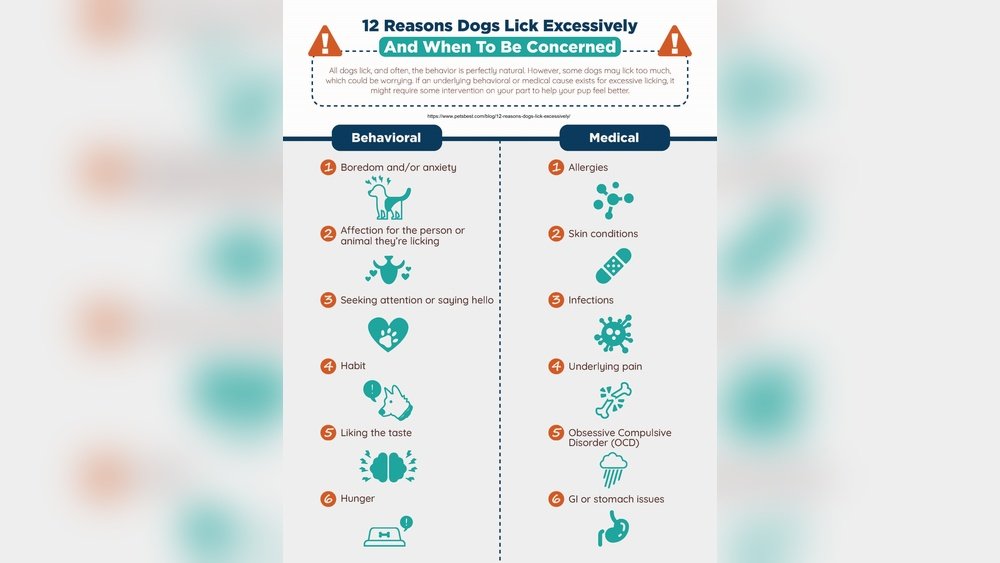
Sometimes, licking signals a health problem. Skin infections or allergies can cause your dog to lick you more. Mouth pain or nausea may also lead to licking. Watch for changes in licking habits. Consult a vet if licking seems unusual or excessive.
Behavioral Factors
Dogs lick for many reasons related to behavior. Understanding these helps you see why your dog shows this habit. Behavior comes from how dogs learn and feel inside.
Some licking happens because dogs get used to it. Others lick when they feel bored or worried. Training and how dogs meet others also change licking habits.
Habit Formation
Licking can start as a small action and grow into a habit. Dogs repeat licking because it feels good or gets attention. Over time, licking becomes a natural way for dogs to act.
Habit licking often happens after positive results. For example, if a dog licks and you pet it, the dog learns licking brings rewards. This makes licking a regular part of their behavior.
Boredom And Anxiety
Dogs lick to calm themselves when bored or anxious. Licking helps them feel safer and less stressed. This behavior is like a comfort tool for dogs during uneasy times.
If a dog has little exercise or play, licking may increase. Anxiety from loud noises or being alone can also cause more licking. Watching your dog’s environment helps spot these signs early.
Training And Socialization Effects
How dogs are trained affects licking habits. Dogs trained with gentle rewards might lick more to seek praise. Training that ignores licking may reduce this behavior over time.
Socialization also plays a role. Dogs exposed to many people and pets learn when licking is okay. Poor socialization can lead to excessive licking out of nervousness or confusion.
When To Be Concerned
Dogs lick to show love and explore their world. Sometimes, licking is normal and harmless. Other times, it signals a problem. Knowing when to be concerned helps keep your dog healthy and happy.
Excessive Licking Signs
Excessive licking means your dog licks more than usual. It can cause raw or red skin on you or your dog. Your dog may lick the same spot repeatedly. This behavior might be a sign of stress or pain.
Behavioral Changes
Watch for changes in your dog’s behavior with licking. Your dog may become restless or anxious. They might lick more when alone or scared. Sudden licking changes can mean health or emotional issues.
Consulting A Veterinarian
See a veterinarian if licking worries you. The vet can find causes like allergies, infections, or pain. Early help prevents bigger problems. A vet’s advice keeps your dog safe and comfortable.
Managing And Redirecting Licking
Managing and redirecting your dog’s licking helps keep both of you happy. Licking is natural, but too much can be a problem. Teaching your dog when and where to lick is key. Consistent actions make a big difference. Here are simple ways to guide your dog’s behavior.
Positive Reinforcement
Reward your dog when it licks gently or stops licking on command. Use treats or praise to show good behavior. This helps your dog learn what is okay. Avoid yelling or punishing. Positive words and rewards make training easier and fun.
Providing Alternatives
Give your dog toys or chew items to focus on. This keeps their mouth busy and reduces licking. Offer a soft blanket or a favorite ball. New activities like playing or walking can also help. Alternatives stop unwanted licking by giving something better to do.
Consistent Training Tips
Set clear rules about licking every day. Use the same commands and signals each time. Practice short training sessions often to keep your dog focused. Be patient and calm. Consistency builds good habits and trust between you and your dog.
Frequently Asked Questions
Why Does My Dog Lick Me So Much?
Dogs lick to show affection, bond, and communicate. It’s their way to express love and seek attention from you.
Is Dog Licking A Sign Of Anxiety?
Yes, excessive licking can indicate stress or anxiety. It helps dogs self-soothe and feel calmer in tense situations.
Can Licking Mean My Dog Is Hungry?
Sometimes licking signals hunger or thirst. Dogs may lick you to ask for food or to get your attention for feeding.
Does Licking Help Dogs Communicate With Humans?
Absolutely. Licking is a key communication tool. Dogs use it to convey emotions, seek comfort, or request interaction.
Conclusion
Dogs lick to show love, trust, and sometimes to seek attention. It’s their way of communicating with you. Remember, licking is normal but watch for signs of stress or illness. Enjoy these moments—they build your bond. Understanding your dog’s behavior helps you care better.
Keep observing and responding with kindness. Your dog’s licks say more than words ever could.