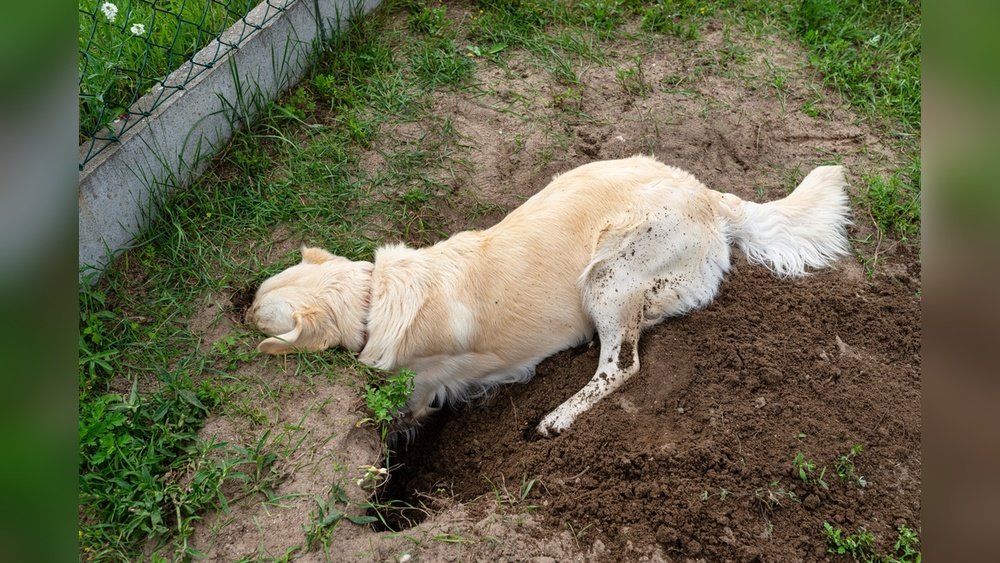
Have you ever caught your dog digging holes in your yard and wondered why they do it? It can be frustrating to see your garden or lawn turned upside down.
But digging isn’t just random mischief—it’s your dog’s way of communicating, exploring, or even solving a problem. Understanding why your dog digs can help you manage this behavior and keep both your pet and your yard happy. Keep reading to discover the surprising reasons behind your dog’s digging habit and what you can do about it.
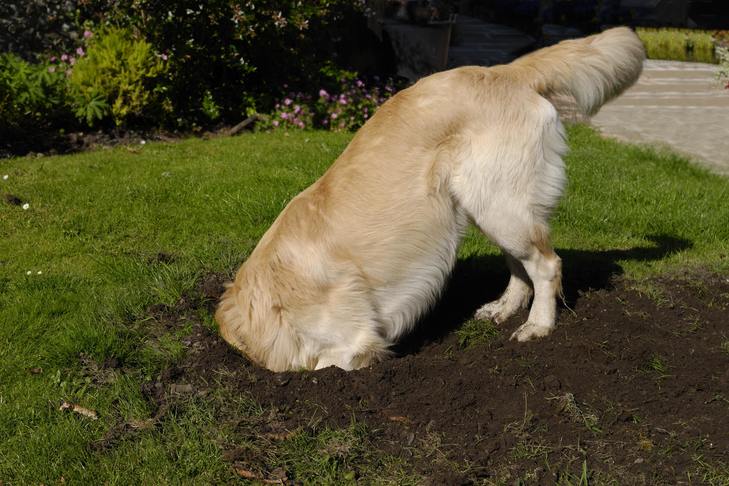
Common Reasons Dogs Dig
Dogs dig holes for many reasons. Understanding why your dog digs can help you manage this behavior. Digging is natural but can cause problems in your yard. Some reasons come from their nature, while others come from their mood or needs.
Instinct And Ancestry
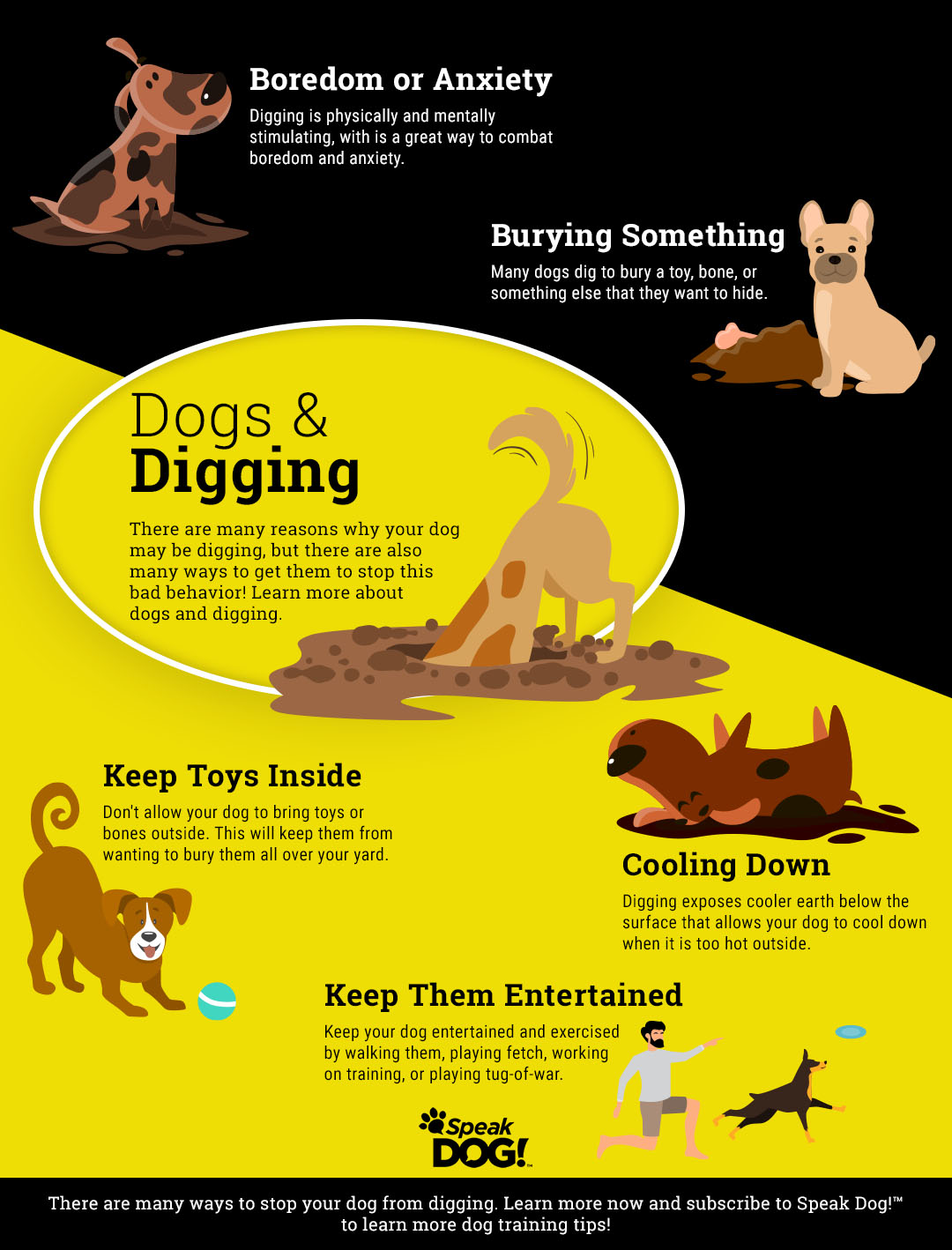
Digging comes from a dog’s wild ancestors. Wild dogs dug to find food or hide it. They also dug to create a safe place to rest. This behavior is still in many dogs today. Some breeds dig more because of their heritage.
Boredom And Energy Release
Dogs need physical and mental exercise every day. If they are bored, they might dig to pass time. Digging helps them use up extra energy. This can stop if they get enough play and walks. Dogs left alone for long often dig more.
Seeking Comfort And Shelter
Dogs dig to make cool or warm spots. On hot days, a hole can feel cooler. In cold weather, digging can create a cozy area. Some dogs dig to hide from noise or stress. This is their way of feeling safe.

Environmental Triggers
Dogs dig holes for many reasons. Some reasons come from their environment. Changes in weather or smells can make dogs want to dig. Understanding these triggers helps you know your dog better.
Temperature Regulation
Dogs dig to stay cool or warm. On hot days, they dig to find cool dirt. The hole helps them lower their body heat. In cold weather, digging can help them find warmer ground. This natural behavior keeps them comfortable.
Hunting And Scent Tracking
Digging is part of a dog’s hunting instinct. Dogs smell animals underground. Digging helps them reach the source of the smell. This action is natural for many breeds. It satisfies their need to explore and hunt.
Attention-seeking Behavior
Sometimes dogs dig to get your attention. If they feel lonely or bored, digging may help. They learn digging makes you notice them. This behavior shows they want to play or be near you. Giving them attention can reduce digging.
Health And Emotional Factors
Dogs often dig holes for reasons beyond play or curiosity. Health and emotional factors can make digging a common behavior. Understanding these reasons helps you care better for your dog. It also can stop unwanted digging in your yard.
Anxiety And Stress
Dogs feel stress just like people do. Digging can be a way for dogs to cope with anxiety. It helps them release nervous energy. Some dogs dig when they feel lonely or scared. They try to find comfort or a safe spot. Notice if your dog digs more during storms or when alone.
Nutritional Deficiencies
Missing nutrients can cause strange behaviors in dogs. Digging might be a sign your dog’s diet lacks something important. Dogs may try to find food or minerals in the soil. A balanced diet with all vitamins and minerals reduces this urge. Talk to your vet about your dog’s nutrition.
Pain Or Discomfort
Sometimes dogs dig to ease pain or discomfort. They may have itchy skin or irritations. Digging helps distract from the discomfort or reach a cooler spot. Check your dog’s skin and paws for signs of injury or infection. If your dog digs often and seems unhappy, visit the vet.
Breed-specific Tendencies
Many dogs dig holes. Breed plays a big role in this behavior. Some breeds have a natural urge to dig. This urge comes from their history and job. Understanding these breed-specific tendencies helps explain why your dog digs.
Terrier And Hound Traits
Terriers dig to hunt small animals underground. Their strong prey drive makes digging natural. They use digging to chase rodents or burrowing animals. This behavior is part of their hunting skill set.
Hounds also dig, but for different reasons. They follow scents and may dig to reach prey. Some hounds dig to cool down or create a resting spot. Digging is part of their tracking and survival instincts.
Working Dog Instincts
Working dogs dig as part of their job. Breeds like German Shepherds or Border Collies dig to create shelter or find food. This digging helps them protect and care for their families. Their strong work drive makes digging a natural action.
These dogs need tasks to stay happy. Without work, their digging can increase. Providing jobs or activities reduces unwanted digging. Their instincts push them to stay busy and active.
How To Manage And Redirect Digging
Managing and redirecting your dog’s digging can protect your yard and keep your pet happy. Dogs dig for many reasons, like boredom or instinct. Helping them dig in the right place stops unwanted holes.
Providing Adequate Exercise
Tired dogs dig less. Daily walks and playtime burn energy. Try fetch, running, or swimming. A tired dog is a calm dog. Exercise keeps their mind and body busy.
Creating Designated Digging Areas
Give your dog a special spot to dig. A sandbox or a loose soil patch works well. Bury toys or treats there to encourage digging. Praise your dog when they use this area.
Using Positive Reinforcement
Reward good digging habits with treats and praise. Avoid punishment; it can cause fear or confusion. Redirect your dog gently to the digging area. Consistency helps your dog learn faster.
When To Consult A Veterinarian Or Trainer
Dogs dig holes for many reasons. Sometimes, it is normal play or instinct. Other times, digging shows a problem. Knowing when to get help is important. A veterinarian or trainer can find the cause and help fix it.
Identifying Underlying Health Issues
Digging may signal health problems. Pain or discomfort can cause unusual behavior. Parasites, skin allergies, or arthritis might be reasons. A vet exam can find these issues. Early treatment stops digging linked to illness. Do not ignore sudden or extreme digging habits.
Behavioral Intervention Strategies
Some dogs dig due to stress or boredom. Trainers use behavior plans to help. They teach new habits and give mental activities. Consistent training reduces digging over time. A trainer guides owners on daily routines. This helps dogs feel calm and engaged.
Frequently Asked Questions
Why Does My Dog Dig Holes In The Yard?
Dogs dig holes in the yard to release energy, seek comfort, or hide items. It is a natural behavior driven by instincts or boredom.
How Can I Stop My Dog From Digging Holes?
Provide regular exercise, mental stimulation, and designated digging spots. Positive reinforcement helps redirect digging behavior effectively.
Is Digging Harmful To My Dog’s Health?
Digging itself is not harmful unless your dog injures paws or encounters harmful objects. Supervise digging areas to ensure safety.
What Breeds Are More Likely To Dig Holes?
Terriers, Dachshunds, and Huskies are known for digging due to strong hunting or burrowing instincts. Breed traits influence digging frequency.
Conclusion
Dogs dig holes for many reasons like boredom, instinct, or comfort. Understanding why your dog digs helps you find the right solution. Give your dog plenty of exercise and mental games to reduce digging. Create a special digging spot if your dog loves to dig.
Watch your dog closely to spot patterns or triggers. With patience and care, you can manage this behavior well. Your dog will feel happier, and your yard will stay neat. Keep learning about your dog’s needs to build a strong bond.