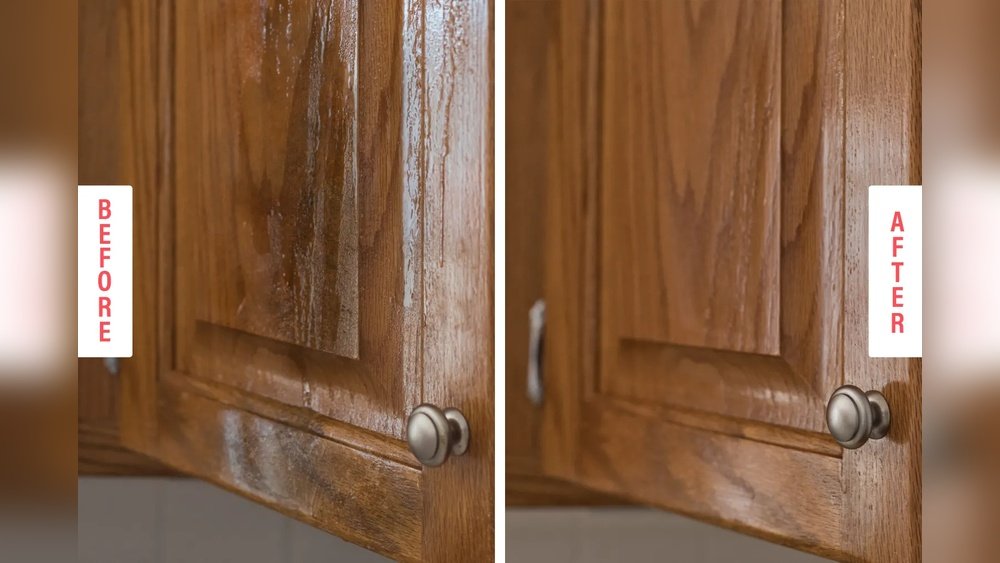
Are your kitchen cabinets feeling sticky even after you’ve cleaned them? It’s frustrating to spend time scrubbing only to find a sticky residue left behind.
You might wonder what’s causing this annoying problem and how to fix it for good. Understanding why your cabinets stay sticky can save you time, effort, and keep your kitchen looking fresh. Keep reading to discover the surprising reasons behind that stubborn stickiness and simple steps you can take to get your cabinets truly clean and smooth again.
Common Causes Of Sticky Cabinets
Sticky kitchen cabinets after cleaning are a common problem. Many homeowners notice this issue but do not understand why it happens. The stickiness can make cabinets look dirty and feel unpleasant. Several factors cause this sticky feeling. Knowing these causes helps you fix the problem and keep your cabinets clean and smooth.
Residue From Cleaning Products
Some cleaning products leave behind a sticky film. This happens if you use too much soap or do not rinse well. Products with wax or oil can also cause stickiness. The residue builds up over time, making surfaces tacky. Choosing the right cleaner and rinsing thoroughly prevents this issue.
Grease And Food Build-up
Grease from cooking settles on cabinet surfaces. Food splashes and spills add to the problem. This mixture of grease and food creates a sticky layer. Regular wiping with a degreaser helps remove build-up. Ignoring this allows the stickiness to grow and become harder to clean.
Humidity And Moisture Effects
High humidity makes cabinets sticky too. Moisture in the air reacts with cleaning residues or grease. This reaction creates a tacky surface that feels unpleasant. Poor ventilation in kitchens worsens the problem. Keeping cabinets dry and ventilated reduces moisture-related stickiness.

Identifying The Sticky Substance
Sticky kitchen cabinets can be frustrating. After cleaning, they should feel fresh and smooth. Instead, you find a tacky, unpleasant residue. Understanding what causes this stickiness is the first step to fixing it. Identifying the sticky substance helps you choose the right cleaning method. It also prevents damage to your cabinets. Below are easy ways to check what is causing the stickiness.
Testing With Water And Cloth
Start by rubbing a damp cloth on the sticky area. Use plain water only, no soap. If the stickiness fades, soap residue may be the cause. Soap can build up if not rinsed well. If the stickiness remains, water alone is not enough. You might need a different cleaner or a stronger solution. This simple test helps you understand the problem’s nature.
Smell And Texture Clues
Smell the sticky surface carefully. A sour or chemical smell may mean leftover cleaner or grease. A sweet or syrupy scent could mean spilled food or syrup. Feel the sticky area with your fingers. Is it rough, smooth, or oily? Oily stickiness often comes from cooking grease. Rough or grainy residue may be from dried soap or dirt. Smell and touch give important hints about the sticky substance.
Safe Cleaning Methods
Sticky kitchen cabinets often result from cleaning products that leave residue. Safe cleaning methods help keep cabinets clean without stickiness. These methods use gentle ingredients that remove dirt and grime effectively. They protect the cabinet finish and keep your kitchen fresh.
Using Mild Soap Solutions
Mild soap mixed with warm water cleans cabinets gently. Use a soft cloth or sponge to wipe surfaces. Avoid soaking the wood or letting water sit. Mild soap removes grease and dirt without leaving residue. Rinse with a damp cloth to clear soap traces. Dry cabinets with a soft towel to prevent moisture damage.
Vinegar And Baking Soda Remedies
Vinegar and baking soda create natural cleaning power. Mix equal parts vinegar and water in a spray bottle. Spray on sticky spots and wipe with a soft cloth. For tough grime, sprinkle baking soda on a damp cloth. Gently scrub the area and rinse with water. These ingredients break down sticky residues safely and naturally.
Avoiding Harsh Chemicals
Harsh chemicals cause sticky buildup and damage cabinet finishes. Stay away from ammonia, bleach, and strong detergents. These cleaners may strip protective layers and leave sticky films. Choose gentle, eco-friendly products made for wood surfaces. Test any new cleaner on a small, hidden area first. Keeping chemicals mild protects cabinets and keeps them smooth.
Deep Cleaning Techniques
Deep cleaning kitchen cabinets removes sticky residue and dirt that regular wiping misses. It targets hidden grease and buildup that cause stickiness. Proper deep cleaning restores the smooth feel of cabinet surfaces and hardware.
Removing Grease Buildup
Grease buildup often makes cabinets sticky after cleaning. Use a mix of warm water and mild dish soap to cut grease. Apply the solution with a soft cloth or sponge. Avoid harsh scrubbing that can damage surfaces. Rinse with clean water and dry thoroughly to prevent residue.
Cleaning Cabinet Hardware
Hardware like knobs and handles collect grease and grime. Remove them carefully before cleaning. Soak in warm, soapy water for a few minutes. Scrub gently with a soft brush to clear dirt. Dry completely before reattaching to avoid moisture damage.
Handling Painted And Varnished Surfaces
Painted and varnished cabinets need gentle care. Use a mild cleaner diluted in water to avoid stripping finish. Test cleaning solution on a small hidden spot first. Wipe softly with a microfiber cloth. Avoid soaking or abrasive materials that cause damage.
Preventing Stickiness In The Future
Preventing stickiness on kitchen cabinets after cleaning helps keep your kitchen fresh and easy to maintain. Simple changes in cleaning habits can stop the problem from coming back. Taking care of cabinets regularly and managing your kitchen’s environment plays a big role.
Choosing The Right Cleaning Products
Select gentle cleaners made for wood or laminate surfaces. Avoid harsh soaps or oily products that leave residue. Use water-based or mild dish soap solutions instead. Test a small area before cleaning the entire cabinet. This helps prevent sticky buildup and damage.
Regular Maintenance Tips
Wipe cabinets often with a soft, damp cloth. Clean spills quickly to stop sticky spots. Dry surfaces after cleaning to avoid moisture. Polish wood cabinets occasionally with a proper wood polish. Keep handles and edges free of grease by regular cleaning.
Controlling Kitchen Humidity
Use a vent or fan while cooking to reduce moisture. Keep windows open when possible for fresh air. Use a dehumidifier in very humid areas. Lower humidity helps prevent sticky surfaces and mold growth. A dry kitchen means cleaner, smoother cabinets.

When To Call A Professional
Sometimes, sticky kitchen cabinets do not get better with home cleaning. This can cause frustration and affect your kitchen’s look and feel. Knowing when to call a professional helps save time and avoid further damage. Experts have the right tools and skills to fix sticky cabinets properly. They can also spot deeper problems that need repair.
Persistent Stickiness Issues
Sticky surfaces may stay sticky even after thorough cleaning. This can happen because of old residue, damaged finishes, or wrong cleaning products. Professionals use safe techniques to remove tough stickiness without harming cabinets. They check for hidden dirt or buildup that might cause the problem. Calling a professional stops the issue from getting worse.
Damage Repair Options
Sticky cabinets can show signs of damage like peeling or swelling. Experts know how to fix these problems with repair or refinishing. They can sand, repaint, or replace parts to restore cabinets. This work improves both look and function. A professional repair lasts longer and keeps your kitchen fresh and clean.

Frequently Asked Questions
Why Are My Kitchen Cabinets Sticky After Cleaning?
Sticky cabinets often result from residue left by cleaning products. Using too much soap or not rinsing properly can cause stickiness. Also, harsh cleaners may leave a film that attracts dirt and grime, making cabinets feel tacky after drying.
Can Improper Cleaning Cause Sticky Kitchen Cabinets?
Yes, improper cleaning with excessive soap or wrong products can cause stickiness. Not wiping off the cleaner fully leaves a sticky residue. Always use the right cleaner and rinse thoroughly to avoid sticky surfaces on cabinets.
How To Prevent Kitchen Cabinets From Becoming Sticky?
To prevent stickiness, use mild cleaners and dilute them properly. Wipe cabinets with a damp cloth after cleaning to remove residue. Avoid harsh chemicals and always dry cabinets completely to keep surfaces smooth and residue-free.
Is Sticky Residue Harmful To Kitchen Cabinets?
Sticky residue can attract dirt and germs, making cabinets unhygienic. Over time, it may damage cabinet finishes by trapping moisture. Regular cleaning with proper products helps maintain cabinet quality and prevents sticky buildup.
Conclusion
Sticky kitchen cabinets after cleaning can be frustrating. Often, leftover soap or cleaning products cause the stickiness. Using too much cleaner or not wiping properly leaves residue behind. Choose gentle cleaners and wipe with a damp cloth. Dry cabinets well to avoid moisture build-up.
Regular cleaning with the right method keeps cabinets smooth. Small changes make a big difference in your kitchen’s feel. Keep your cabinets clean, fresh, and sticky-free with simple care.