Have you ever wondered which part of your kitchen should be cleaned last? It might seem like a small detail, but the order you clean your kitchen can make a big difference.
Cleaning the wrong area first could mean extra work or even spreading germs around. You’ll discover the smart way to tackle your kitchen cleaning. By the time you finish reading, you’ll know exactly where to start and where to end, saving you time and effort.
Ready to make your kitchen shine like never before? Let’s dive in!
Cleaning Order Basics
Cleaning the kitchen can feel like a big job. Doing it in the right order helps make the task easier and faster. Knowing which part to clean first and which to clean last saves time and effort. It also keeps the kitchen safe and fresh. This section explains the basics of cleaning order in the kitchen.
Following a proper cleaning order stops dirt from spreading. It keeps germs from moving around. Cleaning the wrong area first can make the kitchen messier. The right sequence makes the whole process smoother and more effective.
Why Cleaning Sequence Matters
Cleaning in the right order cuts down the spread of germs. Start with dry areas and move to wet ones. This stops dirt from moving to clean spots. It also keeps surfaces safer for food preparation. A good sequence saves time by avoiding repeated cleaning. It keeps your kitchen looking neat and tidy faster.
Common Kitchen Cleaning Mistakes
Many people clean the kitchen in the wrong order. They may wash the floor before the counters. This spreads dirt back onto clean floors. Some clean the sink first and then the counters. This can move germs from the sink to other areas. Another mistake is not letting cleaners sit long enough. This reduces how well they kill germs. Avoid these errors for a cleaner kitchen.
:max_bytes(150000):strip_icc()/faw-toaster-ovens-air-fryers-test-chefman-3-7qt-turbofry-rkilgore-111-487d903950824b019a89d671ec68e254.jpg)
High-traffic Areas First
High-traffic areas in the kitchen get dirty the fastest. Cleaning these spots first stops germs from spreading. It also makes the whole kitchen look cleaner quickly. Focus on places that everyone touches often. This keeps your kitchen safe and fresh.
Countertops And Work Surfaces
Countertops hold food, dishes, and many kitchen tools. Dirt and bacteria collect here fast. Wipe them down with a good cleaner. Clean all crumbs and spills right away. Use a cloth that does not leave lint. This stops germs from moving to your food.
Sink And Faucet Cleaning
The sink and faucet get used many times daily. Water spots, soap scum, and germs build up here. Scrub the sink with a soft brush or sponge. Clean the faucet handles and spout well. Dry these areas to prevent water stains. This keeps your kitchen looking neat and healthy.
Appliances And Fixtures
Appliances and fixtures need special care during kitchen cleaning. These parts often gather grease, dust, and fingerprints. Cleaning them last helps avoid re-soiling. It also ensures thorough cleaning without missing spots.
Stove And Oven Care
Stove and oven are the dirtiest kitchen parts. Grease and food spills collect on burners and inside the oven. Use a soft cloth with warm soapy water to clean the stove top. For the oven, apply a gentle oven cleaner. Let it sit before scrubbing. Avoid harsh tools that can scratch surfaces. Clean knobs and handles carefully. Wipe dry to prevent streaks.
Refrigerator Exterior
The refrigerator’s outside shows fingerprints and dust. Use a microfiber cloth and mild cleaner. Focus on handles and edges where dirt collects. Clean the top and sides as well. Avoid spraying cleaner directly. Spray on the cloth first to protect the fridge. Wipe in gentle circles for a shiny finish.
Microwave And Small Appliances
Microwaves and other small appliances get messy fast. Remove crumbs and food spills inside the microwave. Use a damp cloth with a little soap. Wipe the buttons and door edges too. For toasters and blenders, unplug first. Clean with a dry cloth or brush crumbs out. Keep appliances dry to avoid damage. Finish by wiping with a clean, dry cloth.
Floor Cleaning Tips
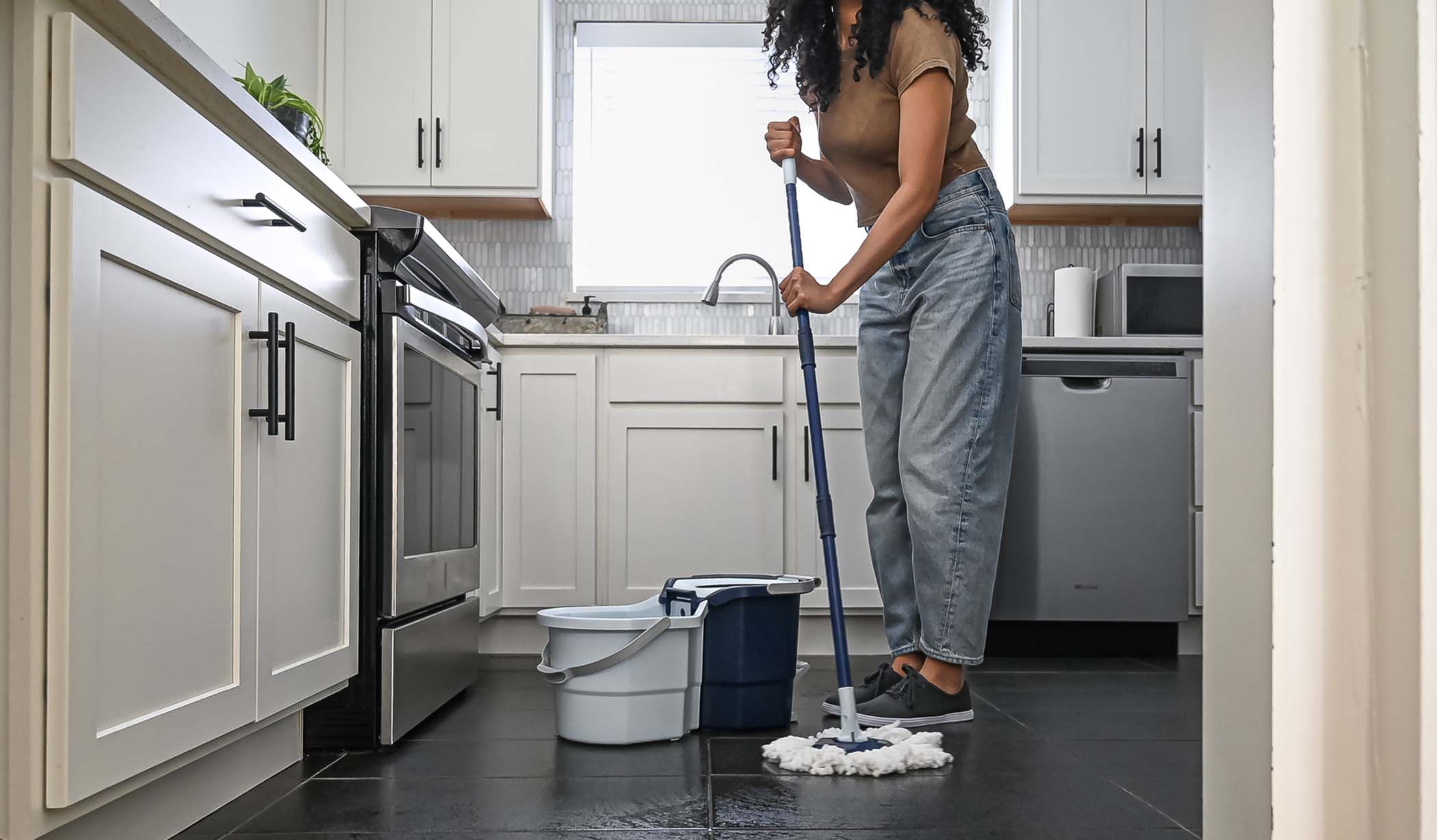
Cleaning kitchen floors last makes sense. It picks up dust and crumbs from other tasks. Clean floors make the kitchen feel fresh and tidy.
Use these floor cleaning tips to keep your kitchen spotless and safe.
Sweeping And Vacuuming
Start with sweeping or vacuuming. This removes loose dirt and food crumbs. Use a broom with soft bristles for smooth floors. Vacuum corners and under cabinets carefully. It stops dirt from spreading during mopping.
Mopping Techniques
Use a damp mop, not a soaking wet one. Too much water can damage some floor types. Choose a gentle cleaner that suits your floor material. Mop in small sections, rinsing the mop often. Let the floor dry fully before walking on it.
The Last Spot To Clean
Cleaning the kitchen can be a big task. Knowing which part to clean last helps save time and effort. The last spot to clean should be the one that gets dirty from other cleaning steps. This stops re-cleaning and keeps the kitchen fresh.
Why The Floor Should Be Last
The floor often collects dust, crumbs, and spills from other areas. Cleaning countertops and appliances first makes dirt fall on the floor. Sweeping or mopping the floor last ensures it is clean after all other work. This way, the floor stays spotless and dry for longer.
Exceptions To The Rule
Sometimes, spills or messes happen on the floor first. If liquids or food drop there, clean that spot immediately to avoid stains. Also, if you use the floor to place dirty items temporarily, clean it sooner. Adjust cleaning order based on the kitchen’s condition and your needs.

Expert Cleaning Hacks
Expert cleaning hacks make kitchen cleaning faster and easier. They help avoid extra work and save time. Knowing the right tools and products improves cleaning results. It also protects your kitchen surfaces and your health.
These hacks guide you on which part of the kitchen to clean last. This way, dirt and dust don’t spread back to clean areas. Follow these tips to keep your kitchen fresh and shiny.
Tools For Efficient Cleaning
Choose tools that fit the cleaning task perfectly. Microfiber cloths trap dust and grime well. They don’t scratch surfaces and dry quickly. Use scrub brushes with soft bristles for delicate spots.
A vacuum with a hose attachment picks up crumbs from corners. A mop with a removable head cleans floors without spreading dirt. Have separate sponges for dishes and counters to avoid germs.
Safe Cleaning Products
Use cleaning products that do not harm surfaces or air quality. Look for non-toxic sprays and natural ingredients. Vinegar and baking soda work well for many kitchen stains.
Avoid bleach on wood or stainless steel. It can cause damage and discoloration. Always read labels to check for harmful chemicals. Use gloves to protect your skin during cleaning.
Frequently Asked Questions
Which Kitchen Area Should Be Cleaned Last And Why?
The kitchen sink should be cleaned last. It often harbors germs and bacteria. Cleaning it last prevents spreading dirt to already cleaned areas.
Should The Refrigerator Be Cleaned Before Or After The Stove?
Clean the stove before the refrigerator. The stove collects grease and food splatters, which can spread dirt. The refrigerator cleaning should follow to avoid recontamination.
Why Is The Kitchen Floor Cleaned At The End?
The kitchen floor is cleaned last because dirt and debris fall during other cleaning tasks. Cleaning it last ensures all dirt is removed in one go.
Is It Better To Clean Countertops Before Or After Dishes?
Clean countertops before washing dishes. This clears space and removes crumbs. Washing dishes afterward keeps the area tidy and prevents re-contamination.
Conclusion
Cleaning the kitchen in the right order saves time and effort. Save the sink and countertops for last to avoid re-cleaning. This keeps the space fresh and ready for use. A clean kitchen feels welcoming and helps prevent germs. Small habits make a big difference in kitchen hygiene.
Remember, finishing with the hardest part makes cleaning easier overall. Try this method to keep your kitchen spotless every time.