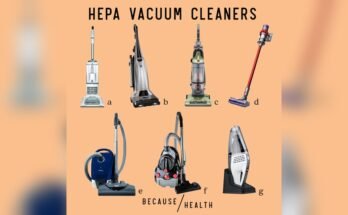
If you or someone you love suffers from asthma, you know how important it is to keep your home clean and free from dust and allergens. But not all vacuum cleaners are created equal when it comes to protecting your lungs.
Choosing the right vacuum can make a huge difference in reducing asthma triggers and improving your breathing. You’ll discover which vacuum cleaners work best for asthma sufferers and what features you should look for to keep your home safe and healthy.
Keep reading to find the perfect match for your needs and breathe easier every day.
Vacuum Features For Asthma
Choosing the right vacuum cleaner helps reduce asthma symptoms. Some features make vacuums better for asthma sufferers. These features remove dust and allergens more effectively. They also keep the air cleaner during cleaning. Understanding these features helps find the best vacuum for asthma.
Here are key vacuum features to consider for asthma care.
Hepa Filters And Allergens
HEPA filters trap tiny particles from the air. They capture dust, pollen, pet dander, and other allergens. These filters prevent allergens from escaping back into the room. HEPA filters improve indoor air quality. They reduce asthma triggers and breathing problems.
Suction Power And Dust Removal
Strong suction pulls out dust from carpets and floors. Good dust removal means fewer allergens in your home. Low suction leaves dust behind, which can worsen asthma. Choose a vacuum with adjustable suction for different surfaces. Effective dust removal supports a cleaner, healthier space.
Bagged Vs. Bagless Models
Bagged vacuums trap dust inside disposable bags. This keeps dust sealed and easy to remove. Bagless models use filters and bins to collect dust. Emptying bins can release dust into the air. Bagged vacuums are better at containing allergens. They are a safer choice for asthma sufferers.
Types Of Vacuums To Consider
Choosing the right vacuum cleaner is important for asthma sufferers. Different types of vacuums offer various features that can help reduce allergens and dust. Understanding the main types helps find the best fit for your home and health needs.
Canister Vacuums
Canister vacuums have a separate body connected to a long hose. They are lightweight and easy to move around. These vacuums work well on hard floors and stairs. Many models come with HEPA filters that trap tiny dust particles. Canister vacuums often have strong suction and good tools for tight spaces.
Upright Vacuums
Upright vacuums are popular and easy to use on carpets. They combine the motor and suction in one unit. These vacuums usually have brushes that help lift dirt from thick rugs. Many upright models include sealed systems and HEPA filters. They help capture allergens and keep air clean.
Robot Vacuums
Robot vacuums clean floors automatically without much effort. They move around the house, picking up dust and pet hair. Some models have HEPA filters to reduce allergens. Robot vacuums work best for daily maintenance and hard floors. They cannot replace deep cleaning but help keep dust low between sessions.
Top Vacuum Picks For 2025
Choosing the right vacuum cleaner makes a big difference for asthma sufferers. Dust, pollen, and pet dander can trigger attacks. A vacuum with strong filtration can reduce these allergens in your home.
Here are the top vacuum picks for 2025. Each model offers features that help clean air and floors better. These choices suit different budgets and floor types. Find the one that fits your needs.
Best Overall Vacuum
The Dyson V15 Detect stands out for asthma patients. It has a HEPA filter that traps 99.97% of particles. Its laser technology shows hidden dust on hard floors. The vacuum is cordless and lightweight. Easy to move around and clean every corner.
Best Budget Option
The Shark Navigator Lift-Away is a smart choice for tight budgets. It has sealed HEPA filtration to catch allergens. The lift-away feature helps clean stairs and upholstery. Powerful suction works well on different floor types. A solid pick without high cost.
Best For Hardwood Floors
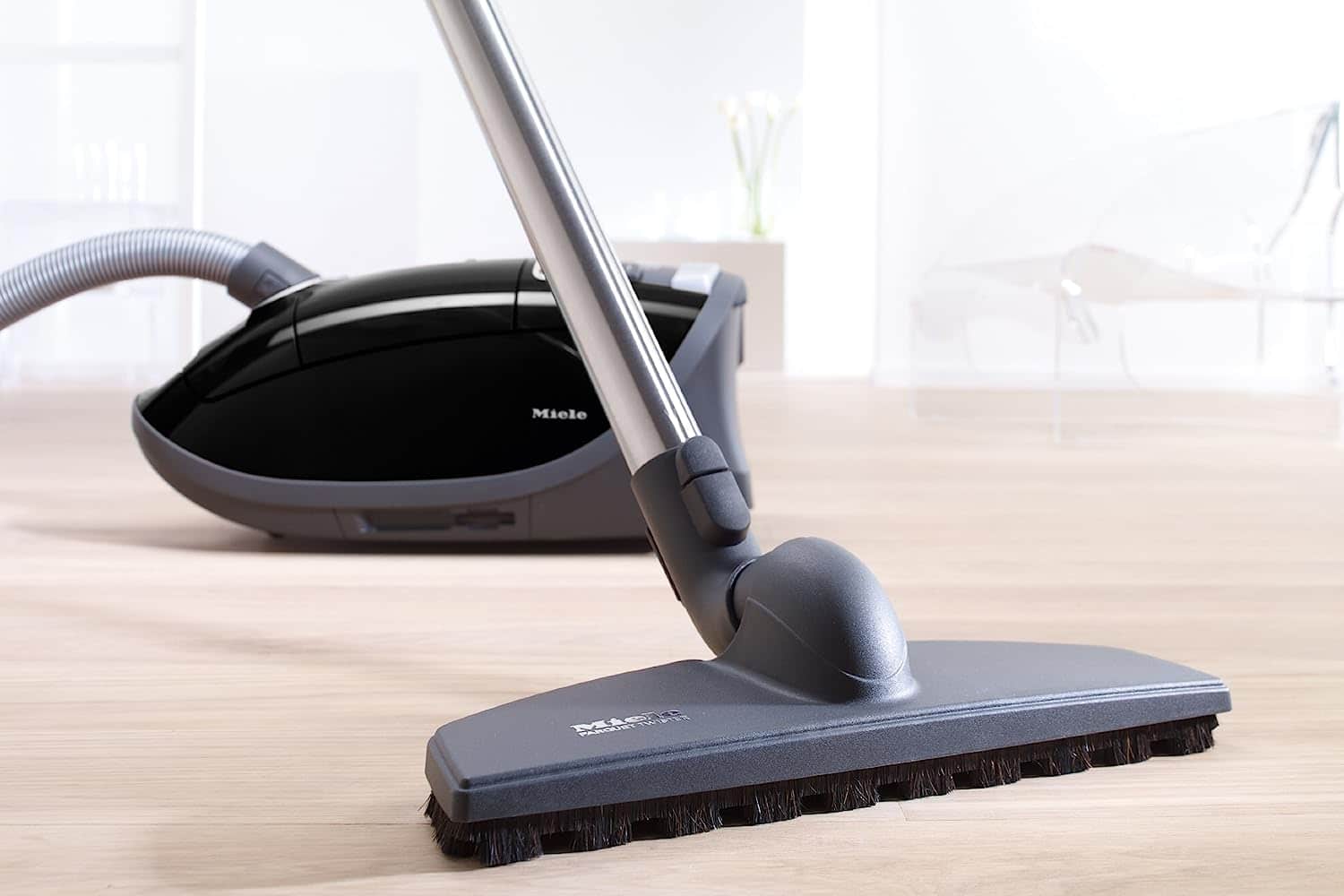
The Miele Classic C1 Pure Suction is gentle on hardwood floors. It uses an AirClean filter to reduce dust and allergens. The suction is strong but adjustable to avoid scratches. Comes with a parquet brush that cleans well without damage.
Best For Carpets
The Hoover WindTunnel 3 High Performance excels on carpets. It has strong suction and a multi-floor brush roll. Its HEPA filter captures fine dust and pet dander. The vacuum adjusts to carpet height for deep cleaning. Keeps carpet fibers fresh and allergen-free.
Maintenance Tips For Allergy Control
Proper maintenance of your vacuum cleaner is essential for controlling allergies. Asthma sufferers need to keep their cleaning tools in top shape. This helps reduce dust, pollen, and other allergens in the home. Regular care ensures the vacuum works efficiently and does not release particles back into the air.
Filter Cleaning And Replacement
Filters trap tiny particles that cause allergies. Clean the filters regularly to keep them working well. Some filters can be rinsed with water. Others need to be replaced after a few months. Check the vacuum’s manual for filter care instructions. Clean or new filters improve air quality during cleaning.
Proper Dust Disposal
Empty the dust container or bag carefully to avoid spreading dust. Do it outside or in a trash bin with a lid. Seal the dust bag tightly before throwing it away. This stops dust from escaping back into your home. Use disposable bags if your vacuum supports them. They help keep allergens sealed inside.
Regular Vacuum Upkeep
Check the vacuum for clogs and blockages often. Clean the brush roll and remove hair or threads. This keeps the suction strong and effective. Inspect hoses and seals for damage to avoid leaks. A well-maintained vacuum lasts longer and cleans better. Set a schedule for regular checks and cleaning.
Additional Allergy Management Tools
Managing asthma requires more than just choosing the right vacuum cleaner. Other tools help reduce allergens and improve air quality. These tools work together to keep your home safe and healthy. Let’s explore some useful options.
Air Purifiers
Air purifiers remove dust, pollen, and pet dander from the air. They use filters that capture tiny particles that trigger asthma. Place air purifiers in rooms where you spend most time. Clean or replace filters regularly for best results. Quiet models help you breathe easier without noise distractions.
Humidity Control
Humidity affects asthma symptoms a lot. Too much moisture causes mold and dust mites to grow. Too little moisture can dry out your airways. Use a humidifier or dehumidifier to keep indoor humidity between 30% and 50%. This range helps reduce allergens and keeps breathing comfortable.
Cleaning Routines
Regular cleaning reduces allergens on surfaces and in the air. Vacuum carpets and floors at least twice a week. Use a vacuum with a HEPA filter to trap fine dust. Wash bedding and curtains in hot water weekly. Dust shelves and furniture with a damp cloth to avoid spreading dust.
Frequently Asked Questions
What Type Of Vacuum Is Best For Asthma Sufferers?
A vacuum with a HEPA filter is best for asthma sufferers. It traps tiny allergens and dust particles effectively, improving air quality and reducing asthma triggers.
How Does A Hepa Filter Help Asthma Patients?
HEPA filters capture 99. 97% of particles as small as 0. 3 microns. This reduces airborne allergens, providing cleaner air and relief for asthma patients.
Can Vacuum Cleaners Worsen Asthma Symptoms?
Vacuum cleaners without proper filtration can release dust and allergens back into the air. Choosing a vacuum with sealed HEPA filtration prevents this and helps control asthma symptoms.
Are Cordless Vacuums Suitable For Asthma Sufferers?
Cordless vacuums can be suitable if they have a HEPA filter and strong suction. They offer convenience but must ensure effective allergen removal for asthma relief.
Conclusion
Choosing the right vacuum helps control asthma symptoms. HEPA filters trap tiny dust and allergens well. Lightweight models make cleaning easier and faster. Regular vacuuming reduces dust and improves air quality. Avoid vacuums that blow dust back into the air.
Clean filters often for best performance and health. Small steps like this make a big difference. Breathe easier with the right vacuum cleaner. Keep your home clean and safe every day.