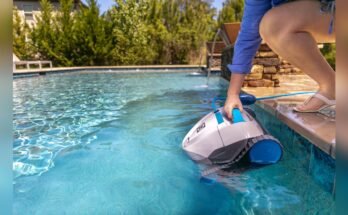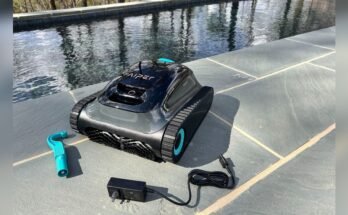
Choosing the right pool vacuum hose size can make a huge difference in how easily and effectively you clean your pool. You might think any hose will do, but using the wrong size can lead to poor suction, wasted time, and frustration.
So, what size pool vacuum hose should you buy to get the best results? You’ll discover simple tips that help you pick the perfect hose, save money, and keep your pool sparkling clean with less effort. Keep reading to make your pool cleaning easier than ever before!

Pool Vacuum Hose Basics
Choosing the right pool vacuum hose is important for keeping your pool clean. The hose connects the vacuum head to the pump, helping to remove dirt and debris. Understanding the basics of pool vacuum hoses makes the buying process easier. This section covers the types of hoses and common sizes available.
Types Of Pool Vacuum Hoses
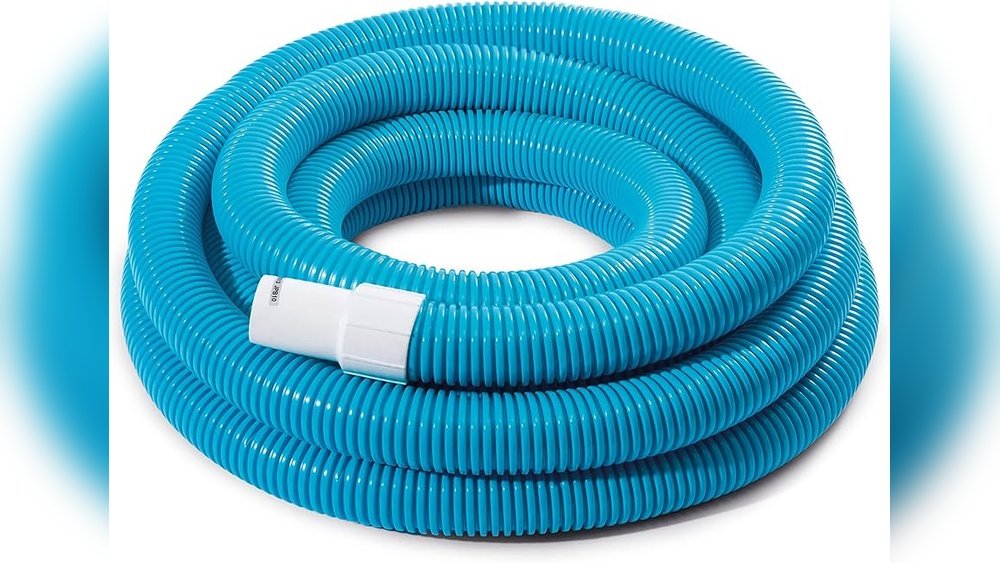
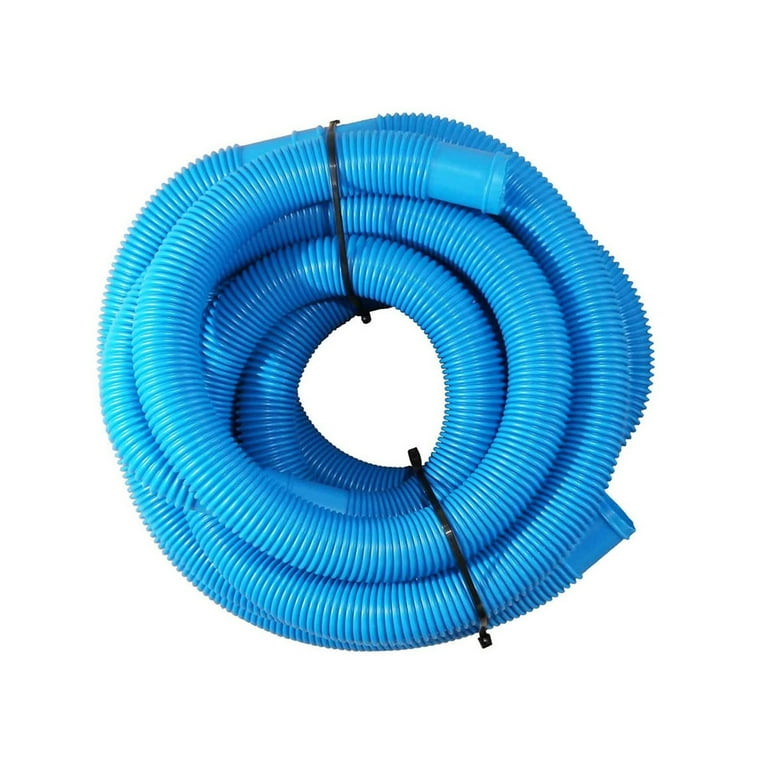
There are two main types of pool vacuum hoses: flexible and rigid. Flexible hoses bend easily and work well for most pool shapes. Rigid hoses are stiffer and used in specific cleaning tools. Some hoses have smooth interiors for better water flow. Others have ribbed designs to prevent kinking. Choose a type that matches your pool vacuum system and cleaning needs.
Common Hose Sizes
Pool vacuum hoses come in different diameters, usually 1.25 inches or 1.5 inches. The size affects water flow and suction power. Smaller hoses fit older or smaller vacuum systems. Larger hoses offer stronger suction and faster cleaning. Length also matters. Most hoses range from 25 to 50 feet. Longer hoses reach all areas of the pool easily. Pick a size that fits your vacuum and pool size for best results.

Factors Influencing Hose Size
Choosing the right pool vacuum hose size depends on several important factors. These factors ensure your vacuum works efficiently and cleans your pool properly. Understanding what affects hose size helps you avoid buying the wrong one.
Pool Size And Shape
Larger pools often need bigger hoses. A bigger hose moves more water, making cleaning faster. Small pools can work well with smaller hoses. The shape of the pool matters too. Pools with many corners or steps may need flexible hoses that fit easily. Matching the hose size to the pool size and shape helps clean every spot.
Vacuum Head Compatibility
The vacuum head must fit the hose size. Most vacuum heads work with standard hose sizes. Check the vacuum head’s connection before buying a hose. Using a hose that is too big or too small can cause leaks. A perfect fit keeps the vacuum working well and saves time.
Pump Flow Rate
The pump moves water through the hose. A strong pump needs a bigger hose to handle the flow. A small hose with a strong pump causes pressure build-up. This can damage the pump or hose. Match the hose size to the pump’s flow rate for the best cleaning power.
Choosing The Right Diameter
Choosing the right diameter for your pool vacuum hose matters a lot. The hose diameter affects how well your vacuum cleans the pool. Picking the right size helps your vacuum work smoothly and keeps your pool clean. Understanding hose sizes makes buying easier and ensures good suction power.
Standard Hose Diameters Explained
Pool vacuum hoses come in different diameters. The most common sizes are 1.25 inches and 1.5 inches. Some hoses may be larger or smaller, but these two sizes fit most pool vacuums. Check your vacuum’s manual to find the recommended hose size. Using the standard size keeps the connection tight and prevents leaks.
Impact On Suction Power
The diameter of the hose changes the suction power. Smaller hoses make water flow faster but can reduce suction strength. Larger hoses allow more water to flow but might lower suction speed. A hose too wide or too narrow can make cleaning less effective. Choosing the right diameter keeps suction strong and cleaning efficient.
Avoiding Hose Size Mistakes
Using the wrong hose size causes problems. A hose too small can clog easily and slow cleaning. A hose too large may not fit your vacuum or pool fittings. Always measure your pool vacuum’s hose connection before buying. Avoid guessing to save time and money. The right hose size keeps your pool vacuum working well.
Hose Length Considerations
Choosing the right hose length is key for effective pool cleaning. Too short, and the vacuum won’t reach all areas. Too long, and the hose can be hard to manage. Understanding hose length needs helps keep your pool spotless with less effort.
Measuring Your Pool
Start by measuring your pool’s longest distance. Include the width and length to cover all areas. Add the distance from the pool to your pump or filter. This gives a base measurement for your hose length.
Extra Length For Flexibility
Add extra hose length beyond your measurements. This extra length helps reach corners and steps easily. It also allows room for moving the vacuum without stretching the hose. A few extra feet make cleaning less stressful.
Storage And Handling Tips
Choose a hose length that fits your storage space. Longer hoses can be bulky and hard to coil neatly. Keep the hose away from sharp objects to avoid damage. Proper handling extends the life of your pool vacuum hose.
Material And Durability
Choosing the right material and durability for your pool vacuum hose is crucial. The hose must last long and handle pool chemicals well. It should also be easy to use and move around. These factors affect how well your cleaning tool works and how often you replace parts.
Common Hose Materials
Most pool vacuum hoses are made from vinyl or rubber. Vinyl hoses are lightweight and less expensive. They work well for small pools or occasional use. Rubber hoses are stronger and more durable. They resist wear and tear better and last longer in tough conditions.
Uv And Chemical Resistance
Sunlight and pool chemicals can damage hoses over time. Choose a hose with UV protection to avoid cracking. Chemical resistance is also important to prevent breakdown from chlorine or salt. Durable hoses keep their shape and function even after long exposure.
Flexibility Vs. Stiffness
A flexible hose is easier to handle and bends around pool corners. It makes cleaning simpler and faster. Stiff hoses are harder to move but can resist kinks. The right balance depends on your pool size and cleaning needs. Flexibility often helps avoid hose damage during use.
Maintenance And Replacement
Proper maintenance of your pool vacuum hose keeps it working well for a long time. Regular care stops small problems from becoming big ones. Knowing when to clean and replace your hose saves money and effort. This section explains how to spot damage, clean your hose, and decide when to buy a new one.
Signs Of Wear And Tear
Look for cracks or holes on the hose surface. Small leaks lower suction power and reduce cleaning. Check for stiffness or brittleness, which means the hose is old. Dark stains or mold can also appear on the hose. If you see any damage, it affects how well the vacuum works.
Cleaning Tips
Rinse the hose with clean water after each use. Use a soft brush to remove dirt and algae outside. For inside cleaning, run water through the hose to clear blockages. Store the hose in a cool, shaded area to avoid sun damage. Coil it loosely to prevent kinks and bends.
When To Replace Your Hose
Replace the hose if cracks or holes are too many or large. If the hose feels very stiff and does not bend easily, it is time. When cleaning no longer restores good suction, replacement is necessary. A new hose improves cleaning and saves time. Regular checks help you replace the hose at the right time.
Expert Recommendations
Choosing the right pool vacuum hose size is important for cleaning efficiency. Experts suggest picking a hose that fits your vacuum and pump. The size affects water flow and suction power. Below are expert tips about hose brands, cost options, and where to buy.
Top Hose Brands
Reliable brands make durable hoses that last long. Brands like Kreepy Krauly, Pentair, and Hayward are trusted. They offer flexible hoses that resist kinks and cracks. These brands also provide hoses in various sizes to match your pool vacuum.
Budget Vs. Premium Options
Budget hoses work fine for small pools or light use. They cost less but may wear out faster. Premium hoses have stronger materials and better flexibility. They handle heavy use and last longer. Choose based on how often you clean your pool.
Where To Buy
Pool supply stores have a good selection of vacuum hoses. Online retailers often offer better prices and reviews. Check product details carefully to get the right size. Buying from trusted sellers ensures quality and proper fit.
Frequently Asked Questions
What Size Pool Vacuum Hose Fits Most Pools?
A 1. 25-inch diameter hose is the most common size for residential pools. It fits standard vacuum heads and connectors, ensuring effective cleaning.
How Do I Measure The Right Pool Vacuum Hose Size?
Measure the diameter of your pool vacuum’s intake or the skimmer opening. Match the hose diameter to this measurement for a proper fit.
Can A Wrong Hose Size Affect Pool Vacuum Performance?
Yes, using the wrong size hose reduces suction power. This leads to inefficient debris removal and longer cleaning times.
Are Longer Pool Vacuum Hoses Better?
Longer hoses allow greater reach but may reduce suction strength. Choose a length that covers your pool without excess slack.
Conclusion
Choosing the right pool vacuum hose size matters a lot. It helps clean your pool quickly and well. A hose too small slows water flow. One too big might not fit your vacuum. Check your vacuum’s recommendations before buying. This saves time and avoids problems later.
Clean water means more fun and less work. Now you know what size hose to buy. Keep your pool clean and enjoy every swim. Simple steps make pool care easy.