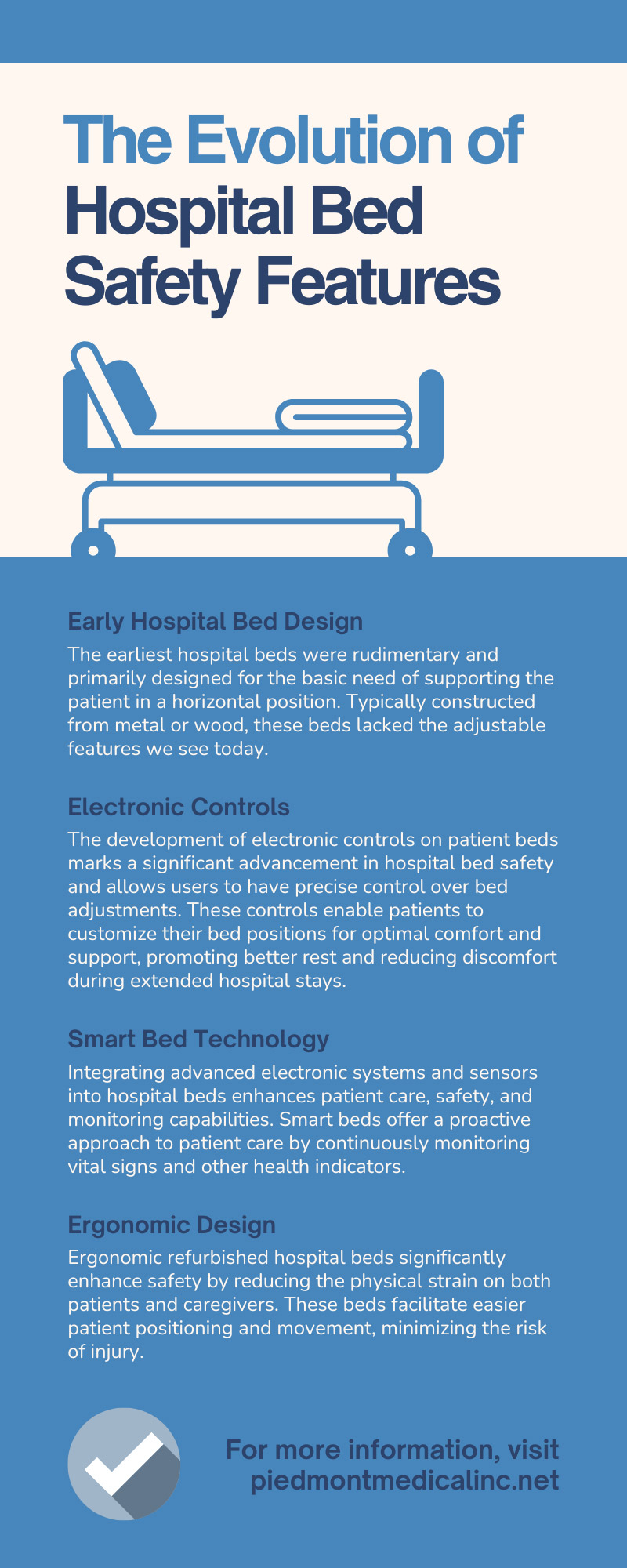
Imagine a hospital room where every second matters. In an Intensive Care Unit (ICU), patients are extremely vulnerable. Their lives often depend on quick medical intervention and a safe environment. One critical piece of equipment in this setting is the ICU bed. At first glance, it may look just like a regular hospital bed, but the truth is very different. ICU beds are packed with advanced safety features designed to protect patients and support medical staff. These features are not just “nice to have” — they are essential for saving lives and reducing risks.
Understanding what makes ICU beds special can help families, patients, and even healthcare workers appreciate their importance. If you are considering equipment for a hospital, or want to know what keeps patients safe in critical care, it’s important to look deeper.
In this article, we’ll explore the key safety features of ICU beds, how they work, and why they matter so much. We’ll also look at real examples, relevant data, and some less obvious details that many people miss. By the end, you’ll see why ICU beds are technological heroes in modern healthcare.
Why Icu Beds Need Special Safety Features
ICU beds are different from standard hospital beds in many ways. Patients in the ICU are often unconscious, weak, or unable to move. They may have tubes, wires, and monitors attached to them. They are at high risk for falls, infections, and other complications.
The bed must support not only comfort, but also the complex needs of both patients and medical staff.
Safety features in ICU beds have three main goals:
- Prevent injuries (such as falls or pressure sores)
- Support medical procedures (by allowing easy access and adjustments)
- Protect staff from injury while caring for patients
These features are not optional. In fact, studies show that falls and accidents in hospitals are a major cause of harm. According to the World Health Organization, up to 50% of in-hospital falls result in injury. Many of these can be prevented with the right equipment, especially in critical care.
Key Safety Features Of Icu Beds
ICU beds are designed with multiple safety features. Each one serves a specific purpose, but together they create a much safer environment for patients and staff. Here are the most important safety features you’ll find in modern ICU beds.
1. Adjustable Height And Positioning
Modern ICU beds can be raised, lowered, or tilted in various ways. Height adjustment makes it easier for staff to transfer patients and perform procedures without straining their backs. The bed can also be set very low to the ground to reduce the risk of injury if a patient falls.
Trendelenburg and Reverse Trendelenburg positions allow the head or feet to be higher than the body. This helps with certain medical conditions, like shock or respiratory distress. The ability to change positions quickly is vital in emergencies.
Practical Example: A patient with breathing problems may need the head of the bed elevated. With an ICU bed, this can be done smoothly with the push of a button, reducing the risk of further breathing difficulties.
2. Side Rails With Advanced Locking Mechanisms
Falls from bed are a real danger, especially for confused or weak patients. Side rails are not just simple barriers. ICU beds often have rails that are divided into sections, allowing staff to lower only the part they need for safe access.
Advanced locking systems prevent rails from dropping accidentally. Some beds even have sensors to ensure rails are locked before the bed can be moved. Side rails can sometimes be padded to protect patients from injury if they move suddenly.
Non-obvious Insight: Overusing side rails can also be risky. Patients may try to climb over them, leading to worse injuries. Modern ICU beds are designed so that rails are easy to adjust and do not trap or restrain patients unnecessarily.
3. Integrated Bed Exit Alarms
An important safety feature is the bed exit alarm. This system uses sensors to detect when a patient is trying to get out of bed. If movement is detected, an alarm sounds to alert staff. This is especially useful for patients who are confused, agitated, or at risk of falling.
Some alarms can be adjusted for sensitivity. For example, the alarm can be set to trigger only if the patient lifts their whole body, not just shifts position. This reduces false alarms and helps staff respond more effectively.
Data Point: Bed exit alarms have been shown to reduce falls in hospital settings by up to 30%, according to clinical studies.
4. Built-in Weighing Scales
Patients in the ICU often need their weight monitored closely. For example, rapid weight gain can be a sign of fluid overload, which is dangerous for people with heart or kidney problems. ICU beds often have integrated weighing scales. This allows staff to measure weight accurately without moving the patient.
Because moving critically ill patients is risky, being able to weigh them safely in bed reduces the chance of injury or medical problems.
Non-obvious Insight: Weighing a patient during a fluid resuscitation procedure can show immediately if fluid is being retained, allowing for rapid changes to treatment.
5. Pressure Redistribution Mattresses
Pressure sores (also called bedsores) are a serious risk in ICU patients who cannot move. ICU beds use pressure redistribution mattresses that automatically adjust to shift pressure points. Some mattresses alternate inflation and deflation of air cells to keep blood flowing and prevent skin breakdown.
Special materials also help manage moisture and heat, which are factors in skin damage. For high-risk patients, advanced mattresses can make a dramatic difference.
Example: In a study, hospitals that switched to advanced pressure-relief mattresses saw a 50% drop in new pressure ulcers among ICU patients.
6. Cpr Function
Many ICU beds have a CPR release or “emergency flat” function. With one action, the bed surface can be flattened instantly, giving medical staff a firm surface for chest compressions during cardiac arrest. This saves valuable seconds in life-threatening situations.
Some beds also have a quick deflation button for air mattresses, making the surface hard enough for effective CPR.
7. Electrical Safety And Backup Power
ICU beds are powered by electricity for most features. They include electrical safety mechanisms such as insulated wiring, overload protection, and emergency stop buttons. In case of power failure, beds have battery backup systems to allow basic functions (like height adjustment) for a limited time.
Practical Example: If there’s a blackout during a storm, the bed can still be adjusted to help with breathing or other urgent needs.
8. Infection Control Features
Hospitals are full of germs, and ICU patients are especially vulnerable. ICU beds are designed with infection control in mind. Surfaces are smooth and easy to clean, with few seams or joints where bacteria can hide. Some beds have antimicrobial coatings.
Removable parts (like side rails or headboards) can be taken off for deep cleaning. These design details help reduce hospital-acquired infections.
Data Point: Surfaces that are difficult to clean can increase infection risk by up to 30%. ICU beds often use special plastics and coatings to fight this problem.
9. Central Locking System
ICU beds are often moved around the hospital — from the ICU to imaging, surgery, or other departments. Central locking wheels let staff secure all casters with a single action, preventing the bed from rolling unexpectedly. This is essential during patient transfers, procedures, or emergencies.
Some beds have directional locks, which make it easier to steer the bed straight when moving through narrow hallways.
10. Integrated Iv Pole And Accessory Holders
Patients in the ICU need multiple devices, such as IV pumps, monitors, or oxygen tanks. ICU beds have built-in IV poles and accessory holders, keeping equipment organized and reducing the risk of tripping or pulling lines accidentally.
By having these features integrated, the bed area stays clear, helping staff work faster and more safely.
11. Patient And Staff Controls
ICU beds have control panels that are easy to use. Patients can adjust their position with simple buttons, which improves comfort and reduces the need to call for help. Staff controls are often separate, with extra safety features (like lockouts) to prevent accidental changes.
Some advanced beds allow nurses to program positions for certain procedures or use presets for quick adjustments.
Non-obvious Insight: Bed controls often include a “lock” function, so staff can prevent confused patients from changing their own bed position and risking falls.
12. Patient Restraint Points
Sometimes, patients in the ICU may need to be restrained to prevent them from harming themselves. ICU beds have built-in restraint points that allow soft restraints to be attached safely and securely, without risking injury to the patient.
These points are designed so that restraints do not cut into the skin or restrict blood flow, and can be quickly released in an emergency.
13. Integrated Oxygen And Suction Ports
Some ICU beds come with integrated ports for oxygen or suction. This helps staff manage airways or clear secretions without needing to move the patient or reach awkwardly for equipment.
This integration saves time and reduces risks during critical moments.
14. X-ray And Imaging Compatibility
ICU patients often need frequent X-rays or other imaging tests. ICU beds are made with radiolucent sections (materials that allow X-rays to pass through), so imaging can be done without moving the patient. This reduces the risk of injury and speeds up care.
Some beds have built-in trays for X-ray cassettes or allow for easy placement of portable imaging devices.
15. Under-bed Lighting
Falling at night is a risk for patients who may try to get up in the dark. Many ICU beds have under-bed lighting that automatically turns on when movement is detected. This gentle light helps staff and patients see hazards without waking up others.
Under-bed lighting also helps staff during nighttime care, reducing the need for bright overhead lights.
16. Integrated Nurse Call System
If a patient needs help, they must be able to call for assistance immediately. ICU beds often have a nurse call button built into the side rails or remote control. This system is connected to the hospital’s nurse call system, so staff can respond quickly.
17. Bed Movement Sensors
Some beds have motion sensors that detect unusual movements, such as a patient trying to climb out of bed or violent shaking (which may signal a seizure). These sensors can alert staff before an accident happens.
18. Anti-entrapment Design
Entrapment — getting caught between bed parts — is a serious danger, especially for confused or weak patients. ICU beds are designed with anti-entrapment gaps and shapes that reduce the risk of limbs or clothing being caught.
Regulations in many countries set strict standards for gap sizes and rail design to prevent this hazard.
19. Emergency Trendelenburg And Reverse Trendelenburg
Not only can staff adjust the bed for comfort, but many ICU beds have emergency tilt buttons for rapid positioning. This is important for shock, trauma, or respiratory failure, where quick changes can be life-saving.
20. Weight Capacity And Stability
ICU beds are built to handle a wide range of patient sizes safely. Their weight capacity is much higher than regular beds, often supporting up to 250–350 kg (550–770 lbs). Wide, stable bases and low centers of gravity prevent tipping, even when beds are raised or tilted.
21. Removable Head And Foot Boards
For procedures like CPR, intubation, or emergency access, staff may need to remove the head or foot boards quickly. ICU beds have boards that pop off easily but stay secure during normal use.
22. Smart Bed Technology And Connectivity
The latest ICU beds offer smart features: built-in sensors track vital signs, movement, and bed position. Data can be sent directly to the hospital’s electronic medical record system. This helps staff spot problems early and reduces paperwork errors.
Non-obvious Insight: Smart beds can remind staff to turn patients regularly, further reducing the risk of pressure ulcers.
23. Customizable Alarm Settings
Alarms are essential but can be overwhelming in a busy ICU. Modern beds let staff customize alarm volume, tone, and sensitivity, so only the most urgent events trigger a loud alert. This reduces “alarm fatigue,” where staff stop noticing alarms because there are too many.
24. Child And Bariatric Patient Safety
Some ICU beds are designed for pediatric or bariatric patients. They include special safety rails, extra-wide surfaces, and more secure restraints to meet the needs of these groups. This helps avoid falls and injuries for both very small and very large patients.
25. Battery Backup And Manual Override
If all else fails — such as a prolonged power outage — ICU beds have manual cranks or levers for height and position adjustment. This ensures that no patient is left in a dangerous position, no matter what.
Comparing Icu Bed Safety Features
It’s helpful to see how ICU beds stack up against standard hospital beds. Here’s a comparison of core safety features:
| Feature | ICU Bed | Standard Hospital Bed |
|---|---|---|
| Adjustable Height/Positions | Full range, multiple presets | Limited |
| Integrated Weighing Scale | Yes, built-in | Rarely |
| Bed Exit Alarm | Standard | Optional or not present |
| Pressure Redistribution Mattress | Advanced, automatic | Basic foam |
| Smart Technology | Available | Rarely |
| Battery Backup | Standard | Limited |
Data: Icu Bed Safety And Patient Outcomes
The value of these features is not just theoretical. Let’s look at some real-world data on how ICU bed safety features impact patient care.
| Safety Feature | Impact on Patient Outcomes |
|---|---|
| Pressure Redistribution | Reduces pressure ulcers by up to 50% |
| Bed Exit Alarm | Decreases falls by 30% |
| Integrated Scales | Improves medication accuracy, reduces fluid overload complications |
| Smart Connectivity | Speeds up staff response, lowers error rates |
| Anti-Entrapment Design | Prevents limb injuries and suffocation |
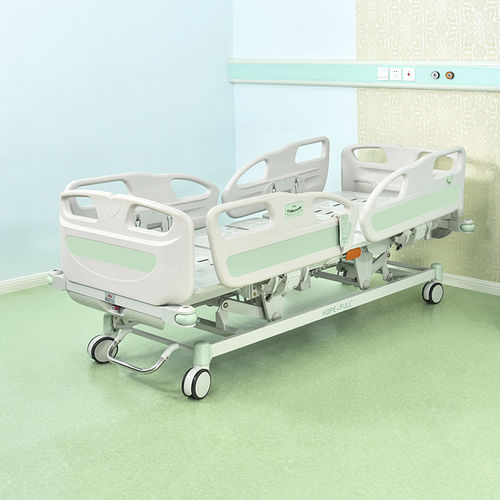
What Makes Icu Bed Safety Features Unique?
ICU beds are not just “better beds.” Their unique safety features are built for the worst-case scenario: when patients cannot help themselves, and staff must work quickly and safely. Unlike regular beds, every design detail of an ICU bed is tested for emergencies, infection control, and the complex needs of critical care.
For example, the combination of advanced alarms, automatic weighing, and smart controls is rarely found outside the ICU. This integration is what allows ICU teams to act fast, prevent problems, and deliver life-saving care.
Common Mistakes When Using Icu Beds
Even the best safety features can fail if not used correctly. Here are some common mistakes to avoid:
- Ignoring Bed Alarms: Staff may turn off bed exit alarms because of too many false alerts. It’s important to set sensitivity correctly and respond quickly to real alarms.
- Improper Side Rail Use: Leaving all rails up may trap or injure patients. Only use the rails that are needed, and teach staff how to adjust them safely.
- Skipping Mattress Checks: If the pressure-relief mattress is not working, pressure sores can develop fast. Regularly check settings and function.
- Forgetting to Lock Wheels: An unlocked bed can move during transfers, leading to falls. Always use the central lock.
- Not Cleaning Properly: Infection control fails if beds are not cleaned as designed. Follow manufacturer guidelines for cleaning and disinfection.

Real-world Example: Icu Bed Safety In Action
Consider a large teaching hospital in Europe that replaced its old ICU beds with new, high-tech models. Within six months, they saw a 40% drop in patient falls and a 60% reduction in pressure ulcers. Staff reported less back pain thanks to better height adjustment, and families felt more confident about patient safety.
This is not a unique story — hospitals around the world are seeing similar results.
For further information on the importance of ICU bed safety and modern standards, check out this World Health Organization resource.
Frequently Asked Questions
What Is The Most Important Safety Feature Of An Icu Bed?
It’s hard to pick just one, but bed exit alarms and pressure redistribution mattresses are among the most critical. They directly prevent falls and pressure sores, which are two of the biggest risks for ICU patients.
How Often Should Icu Bed Safety Features Be Checked?
Hospitals should inspect ICU beds daily for function and cleanliness. Staff should check alarms, mattress settings, and locks before each use, and technical maintenance should be done monthly or as recommended by the manufacturer.
Can Regular Hospital Beds Be Used In The Icu?
Regular hospital beds lack many critical safety features needed in the ICU. Using them can increase risks for both patients and staff. ICU beds are specifically designed for the unique demands of critical care.
Are Icu Bed Safety Features Customizable?
Yes. Many features, like alarm sensitivity or bed position presets, can be adjusted to fit the needs of each patient. Some beds can even be programmed for different types of care (adult, pediatric, bariatric).
How Do Icu Bed Safety Features Help Staff?
Features like adjustable height, central locking, and smart controls reduce the risk of back injuries and make it easier for staff to provide care. Quick access to controls and alarms also improves response time in emergencies.
The next time you see an ICU bed, remember: its safety features are not just for comfort — they are essential tools in the fight to protect the most fragile lives. Thanks to ongoing innovation and careful design, ICU beds continue to set the standard for patient safety in hospitals around the world.