Are you looking for a simple way to make the air in your home cleaner and fresher? You might be surprised to learn that the answer could be sitting quietly on your windowsill.
Certain plants don’t just brighten up a room—they actually work hard to remove harmful toxins from the air you breathe every day. Imagine having a natural air purifier that needs little care but gives you big health benefits. Curious to find out which plant can transform your indoor air and improve your well-being?
Keep reading to discover the best air-cleaning plants for your house and how they can make a real difference in your life.
Benefits Of Air-purifying Plants
Air-purifying plants do more than decorate your home. They improve your living space in many ways. These plants help clean the air, making it fresher and healthier. They also boost your mood and reduce harmful substances. Growing these plants indoors creates a better environment for everyone.
Improving Indoor Air Quality
Air-purifying plants absorb carbon dioxide and release oxygen. They remove toxins like formaldehyde and benzene. These chemicals often come from furniture and cleaning products. Plants filter these harmful substances, making the air safer to breathe. Cleaner air helps reduce headaches and tiredness.
Enhancing Mood And Productivity
Plants brighten any room and create a calm atmosphere. Their green color has a soothing effect on the mind. Studies show plants help reduce stress and anxiety. They also increase focus and creativity. Having plants near your work or study area can boost your productivity.
Reducing Allergens And Toxins
Many plants trap dust and allergens from the air. This helps people with allergies breathe easier. Plants also reduce airborne mold spores. They absorb harmful gases that cause irritation and illness. Using air-purifying plants can improve overall health inside your home.

Best Plants For Air Cleaning
Indoor plants do more than decorate your home. They help clean the air you breathe. Some plants remove harmful toxins and add fresh oxygen. Choosing the right plants can improve your indoor air quality. Here are some of the best plants for air cleaning.
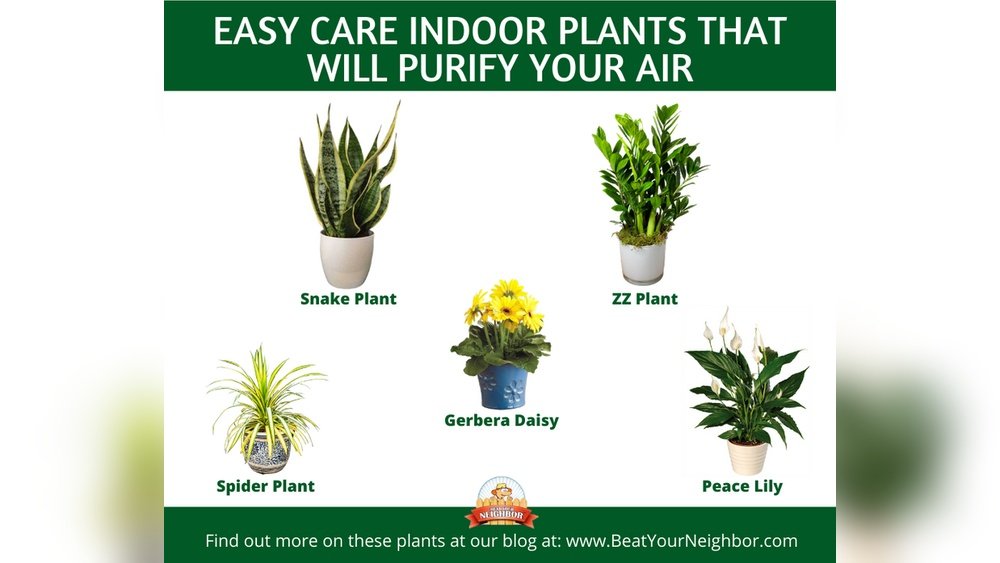
Spider Plant
The spider plant is easy to grow and cares for itself. It removes pollutants like formaldehyde and carbon monoxide. Its long, arching leaves add beauty and fresh air to any room.
Snake Plant
The snake plant is tough and needs little water. It filters out toxins such as benzene and xylene. It also releases oxygen at night, making it perfect for bedrooms.
Peace Lily
The peace lily has dark green leaves and white flowers. It cleans the air from mold spores and VOCs. It prefers low light and moist soil, ideal for indoor spaces.
Aloe Vera
Aloe vera is known for its healing gel. It also purifies air by removing formaldehyde and benzene. This succulent plant needs bright light and little water.
Boston Fern
The Boston fern thrives in humidity and indirect light. It clears indoor air of pollutants like formaldehyde. Its lush fronds add a fresh, green touch to rooms.
Areca Palm
The areca palm is a natural humidifier and air purifier. It removes toxins and adds moisture to dry air. Its feathery leaves brighten up any corner of your home.
Choosing Plants For Your Space
Choosing the right plants for your space makes a big difference. The right plant not only cleans the air but also fits your home environment. Consider your room’s conditions and your lifestyle before picking a plant.
Light Requirements
Plants need different amounts of light to grow well. Some thrive in bright sunlight. Others do better in low light or shade. Check how much natural light your room gets. Pick plants that match that light level. This helps the plant stay healthy and clean the air better.
Maintenance Levels
Some plants need a lot of care. They require regular watering and trimming. Others are very easy to take care of. They can survive with little water and attention. Choose plants based on how much time you have for care. Low-maintenance plants suit busy or forgetful people.
Pet-friendly Options
Many people have pets at home. Some plants are toxic to cats and dogs. These can cause sickness if chewed. Look for plants that are safe for pets. This keeps your animals healthy and your home safe. Examples include spider plants and bamboo palms.
Tips For Plant Care Indoors
Plants that clean the air need proper care to stay healthy indoors. Good care helps them grow well and purify the air better. Simple steps make a big difference for your indoor plants. Follow these tips for best results.
Watering Practices
Water plants regularly but avoid overwatering. Most indoor plants like the soil to dry a bit between waterings. Check the top inch of soil; if dry, it is time to water. Use room temperature water to avoid shocking the roots. Drain excess water from pots to stop root rot.
Optimal Humidity And Temperature
Most air-cleaning plants prefer moderate humidity. Keep indoor humidity around 40-60%. Use a humidifier or place a tray of water near plants if air is dry. Avoid cold drafts or hot spots near heaters. Ideal temperatures range between 65°F and 75°F for most plants.
Soil And Pot Selection
Choose well-draining soil to keep roots healthy. Use potting mixes made for indoor plants. Pick pots with drainage holes to prevent water buildup. Pots should be slightly bigger than the plant’s root ball. Repot every year or when the plant outgrows its container.
Combining Plants For Maximum Effect
Combining different air-purifying plants can boost the quality of your indoor air. Each plant removes unique toxins and adds fresh oxygen. Together, they create a natural filter that works better than one plant alone. This method also adds beauty and life to your home.
Creating A Green Corner
Choose a small area in your home for several plants. Grouping plants in one spot forms a green corner. This space becomes a natural air purifier that refreshes the room. It also brings calm and a natural vibe to your living space.
Mixing Different Species
Select plants that clean different air pollutants. For example, snake plants remove formaldehyde. Spider plants take out carbon monoxide. Peace lilies absorb mold spores. Combining them helps clear many harmful substances. This mix improves air quality faster and more effectively.
Placement For Airflow
Place plants where air moves well. Near windows or vents are good spots. Airflow helps plants catch more toxins. Avoid crowded areas with little air movement. Proper placement makes plants work harder and keeps your air fresh longer.
Frequently Asked Questions
Which Houseplants Are Best For Air Purification?
Spider plants, snake plants, and peace lilies are top air-purifying plants. They remove toxins and improve indoor air quality naturally and efficiently.
How Do Plants Clean Indoor Air?
Plants absorb carbon dioxide and release oxygen through photosynthesis. They also filter harmful chemicals, improving air freshness and health indoors.
Can One Plant Significantly Improve Air Quality?
Yes, a single plant can reduce indoor pollutants. However, multiple plants provide better air purification and enhance overall air quality in your home.
Are Air-purifying Plants Safe For Pets?
Some air-purifying plants, like spider plants, are pet-friendly. Others, like peace lilies, may be toxic. Always check plant safety for your pets.
Conclusion
Plants like spider plants, snake plants, and peace lilies clean indoor air well. They remove harmful toxins and add fresh oxygen to your home. Placing these plants in different rooms helps improve air quality. Plus, they bring a touch of nature inside.
Choose easy-care plants for best results. Keep them healthy with proper light and water. Clean air supports better health and mood. Try adding one or two to your space. A small change with big benefits. Breathe easier every day.